
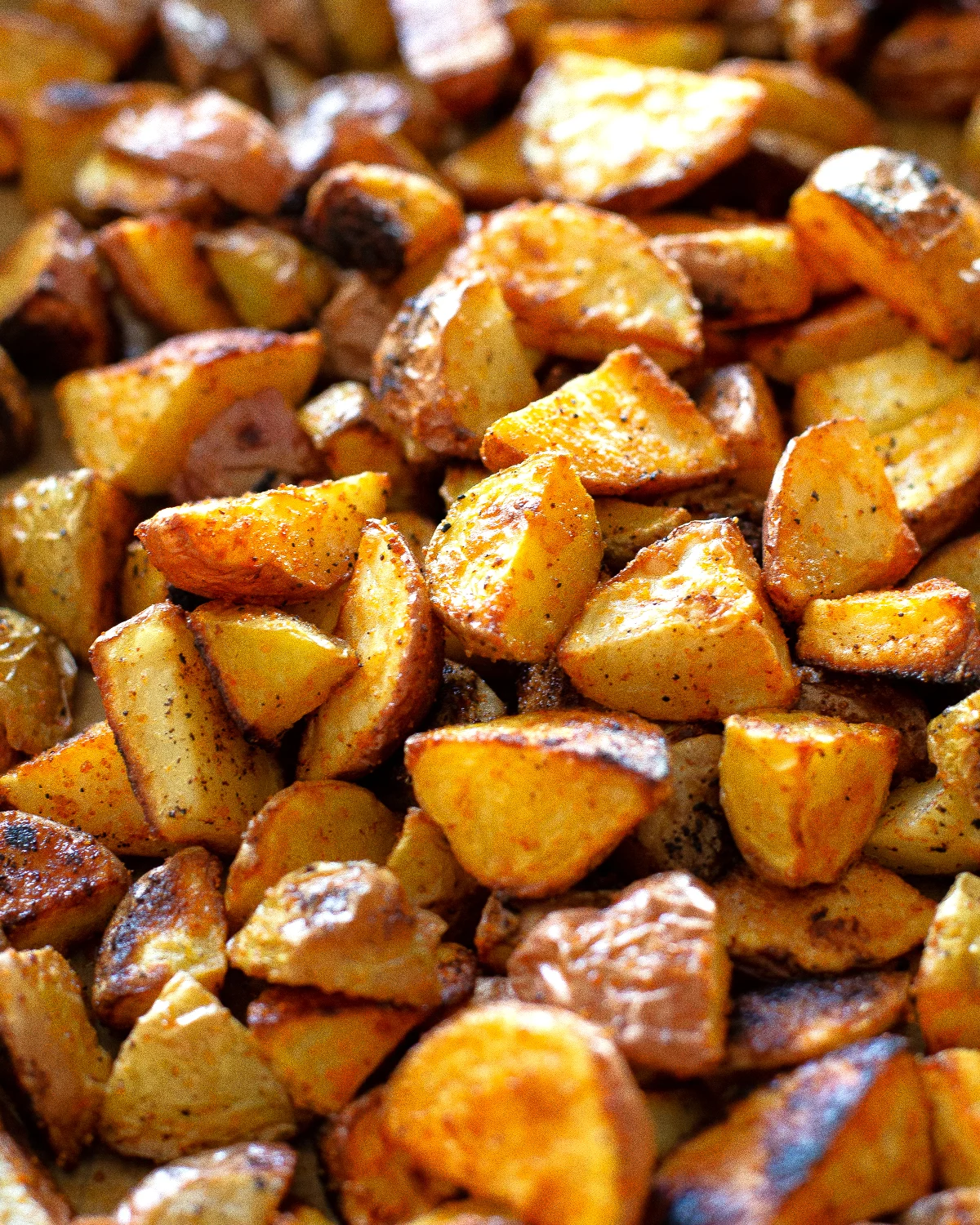
The quest for the perfect roasted potato, a side dish that elevates any meal with its golden, caramelized edges and fluffy interior, has long been a culinary pursuit for home cooks. This comprehensive guide delves into the science and art behind achieving this beloved comfort food, offering practical tips and insights to transform humble potatoes into a show-stopping accompaniment. Forget undercooked, soggy disappointments; with the right techniques, consistently delicious roasted potatoes are within reach.
The journey to exceptional roasted potatoes begins with understanding the fundamental principles of heat transfer and moisture management. Roasting, at its core, is a dry-heat cooking method that relies on high temperatures to create browning reactions, such as the Maillard reaction, which develop complex flavors and appealing textures. For potatoes, this translates to a crispy exterior and a tender, yielding interior.
The Foundation: Selecting the Right Potato
The choice of potato significantly impacts the final outcome. While many varieties can be roasted, certain types lend themselves better to achieving that coveted crispiness and creamy texture.
- Russet Potatoes: These starchy potatoes are a classic choice for roasting due to their high starch content, which breaks down during cooking, leading to a fluffy interior and a naturally crispy exterior. Their skin also crisps up beautifully.
- Yukon Gold Potatoes: Offering a balance of starch and moisture, Yukon Golds provide a creamy texture and a slightly buttery flavor. They are also a convenient option as their skins are thin and edible, eliminating the need for peeling.
- Red Potatoes: With their waxy texture and thin skins, red potatoes hold their shape well and offer a slightly sweeter flavor. While they may not achieve the same level of fluffiness as Russets, they still yield a satisfying roasted result.
The size of the potato pieces also plays a crucial role. Uniformity in cutting is paramount to ensure even cooking. Overly large chunks may remain undercooked in the center while the exterior burns, whereas pieces that are too small can dry out or become excessively crispy. A size range of ¾ inch to 1 inch for cubed potatoes is generally recommended to strike the ideal balance.
Mastering the Roasting Process: Key Techniques for Crispiness
Achieving consistently crispy roasted potatoes requires more than just tossing them in the oven. Several key techniques, when applied, can dramatically improve the results:
1. Don’t Crowd the Pan
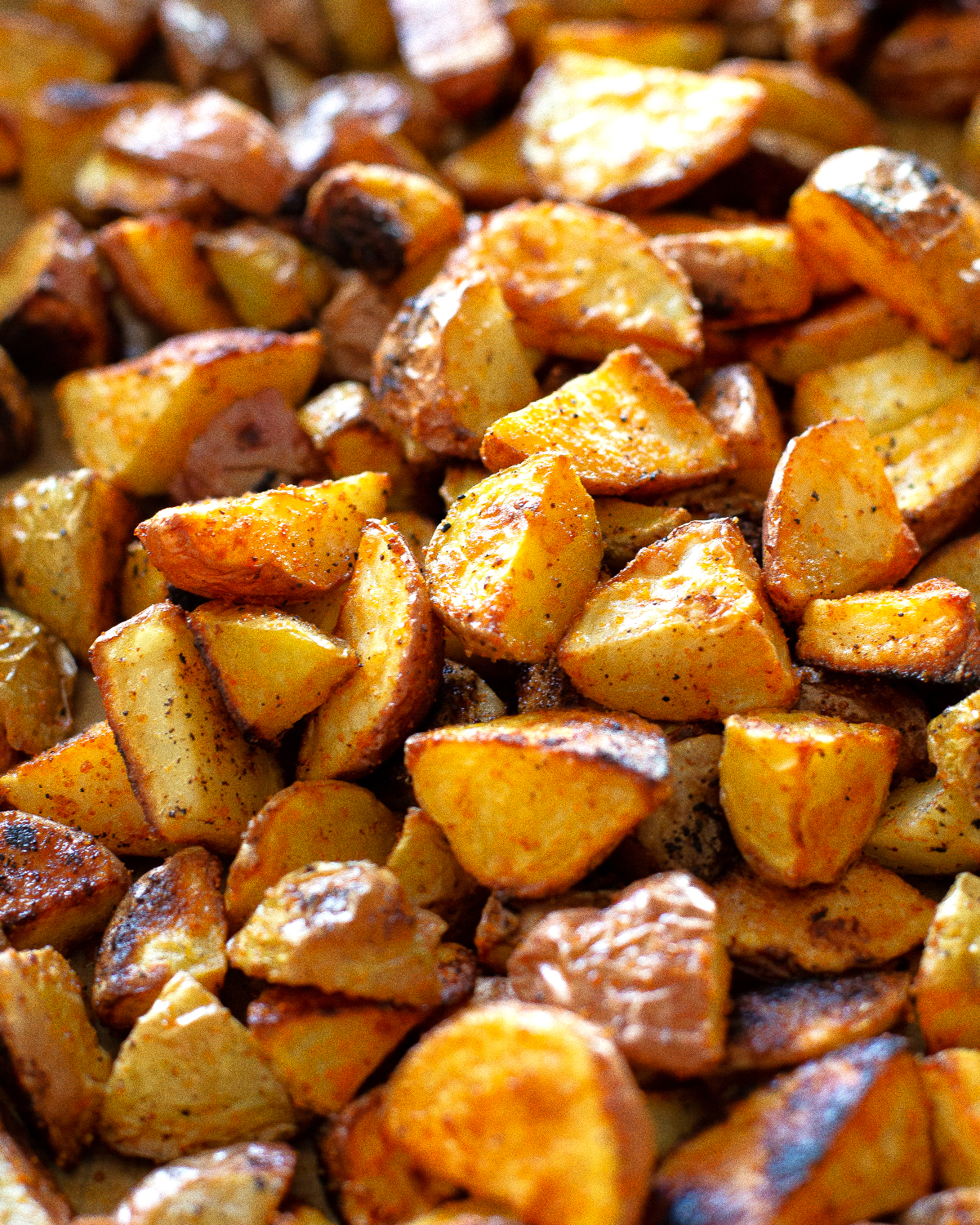
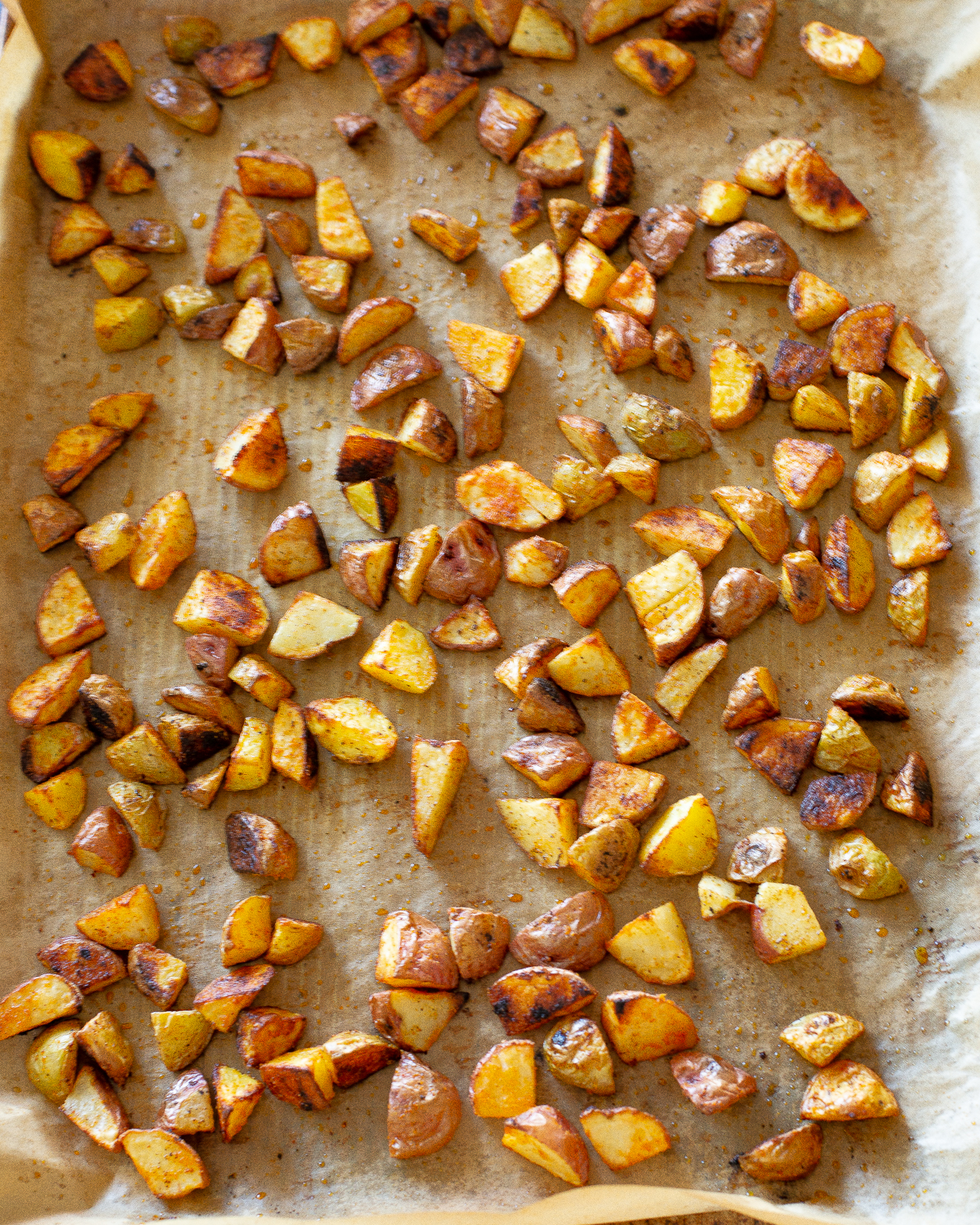
This is arguably the most critical factor in achieving crispy roasted potatoes. Overcrowding a baking sheet prevents adequate air circulation around each potato piece. Instead of roasting, the potatoes steam, leading to a soggy texture. A single layer of potatoes, with sufficient space between each piece, is essential. For approximately two pounds of potatoes, a standard-sized baking sheet is usually sufficient. If you find yourself needing more space, it’s better to use two baking sheets rather than overloading one. This ensures that each potato has direct contact with the hot air of the oven, promoting even browning and crisping.
2. The Power of Parchment Paper
Parchment paper is a culinary workhorse, and for roasted potatoes, it’s a secret weapon. It creates a non-stick surface, preventing the potatoes from adhering to the baking sheet, which can tear their delicate skins and hinder crisping. Furthermore, parchment paper helps to trap some of the potato’s natural moisture while allowing the hot air to circulate, contributing to a crispier exterior. Some culinary experts suggest that the slight difference in heat distribution created by parchment paper can further enhance the browning process.
3. Turn Up the Heat
Roasting vegetables, including potatoes, benefits greatly from high oven temperatures. A higher heat setting, typically between 400°F (200°C) and 425°F (220°C), is crucial for achieving the desired caramelization and crispy exterior. This high heat mimics the effects of frying, encouraging rapid moisture evaporation from the surface of the potatoes, leading to a satisfying crunch. It also facilitates the Maillard reaction, which is responsible for the complex, savory flavors that develop during browning.
4. The Role of Fat
Fat is indispensable in the roasting process, acting as a conductor of heat and a flavor enhancer. Olive oil is a popular choice for its flavor profile and its ability to withstand high temperatures. Other suitable fats include avocado oil, grapeseed oil, or even melted butter for a richer taste. The fat coats the potatoes, preventing them from sticking and facilitating the transfer of heat, which leads to even browning and a crispier texture. Ensure that the potatoes are thoroughly coated with fat before roasting.
5. Strategic Seasoning
While the inherent flavor of potatoes is appealing, strategic seasoning can elevate them to new heights. Simple salt and pepper are foundational, but exploring herbs and spices can unlock a world of flavor. Rosemary, thyme, garlic powder, paprika, and even a pinch of cayenne pepper can add depth and complexity. It is generally recommended to season the potatoes before they go into the oven, allowing the flavors to meld and penetrate during the roasting process. Some chefs also advocate for seasoning again halfway through cooking to ensure consistent flavor distribution.
The Chronology of Crispy Potatoes: A Step-by-Step Approach
Creating the perfect roasted potatoes is a process that can be broken down into manageable steps:
- Preheat the Oven: Begin by preheating your oven to a high temperature, typically between 400°F (200°C) and 425°F (220°C). This ensures the oven is hot enough to create immediate browning upon the potatoes’ introduction.
- Prepare the Potatoes: Wash and scrub the potatoes thoroughly. Depending on your preference and the type of potato used, you may choose to peel them or leave the skins on. Cut the potatoes into uniform pieces, aiming for ¾ inch to 1-inch cubes.
- Toss with Fat and Seasonings: In a large bowl, toss the potato pieces with your chosen fat (e.g., olive oil) and seasonings (salt, pepper, herbs, spices). Ensure each piece is evenly coated.
- Arrange on Baking Sheet: Line a baking sheet with parchment paper. Spread the seasoned potato pieces in a single, even layer on the prepared baking sheet, ensuring there is ample space between each piece.
- Roast: Place the baking sheet in the preheated oven. The roasting time will vary depending on the size of the potato pieces and the oven temperature, but typically ranges from 25 to 40 minutes.
- Flip and Continue Roasting: Halfway through the cooking time, carefully flip the potato pieces with a spatula. This ensures that all sides of the potatoes are exposed to the heat, promoting even browning and crisping.
- Check for Doneness: The potatoes are ready when they are golden brown, crispy on the outside, and tender when pierced with a fork. You can test a few pieces to ensure they are cooked through.
- Serve Immediately: Roasted potatoes are best enjoyed fresh from the oven, when their crispiness is at its peak.
The Science Behind the Crisp: An Analytical Perspective
The transformation of a raw potato into a perfectly roasted delight is a testament to the interplay of heat, moisture, and chemical reactions. When exposed to high heat, the water within the potato begins to evaporate. As this moisture escapes from the surface, the starches and sugars present in the potato undergo caramelization, a process that creates browning and sweet, nutty flavors. Simultaneously, the Maillard reaction, a complex series of chemical reactions between amino acids and reducing sugars, occurs at high temperatures, further contributing to the development of desirable brown pigments and a wide array of savory, toasty flavors. The fat used in roasting acts as a heat conductor, ensuring that the surface of the potato reaches the optimal temperature for these reactions to occur efficiently. The lack of overcrowding on the baking sheet is crucial because it allows for unimpeded air circulation, facilitating the evaporation of moisture and preventing the steam from softening the potato’s exterior, thereby preserving its crispness.
Practical Implications and Broader Impact
The ability to consistently produce excellent roasted potatoes has significant implications for home cooks. It transforms a potentially mundane side dish into a culinary highlight, capable of complementing a wide range of main courses, from grilled meats and roasted chicken to hearty vegetarian stews. Beyond the immediate satisfaction of a delicious meal, mastering this technique builds culinary confidence and provides a foundation for exploring other roasting methods for various vegetables.
In a broader context, the appreciation for well-prepared simple dishes like roasted potatoes speaks to a growing interest in home cooking and the enjoyment of fundamental culinary skills. As food trends continue to evolve, the enduring appeal of comfort foods prepared with care and attention to detail remains a constant. The insights shared in this guide aim to empower individuals to replicate restaurant-quality roasted potatoes in their own kitchens, fostering a greater connection to the food they consume and the joy of sharing delicious meals.
Making Ahead and Reheating: The Convenience Factor
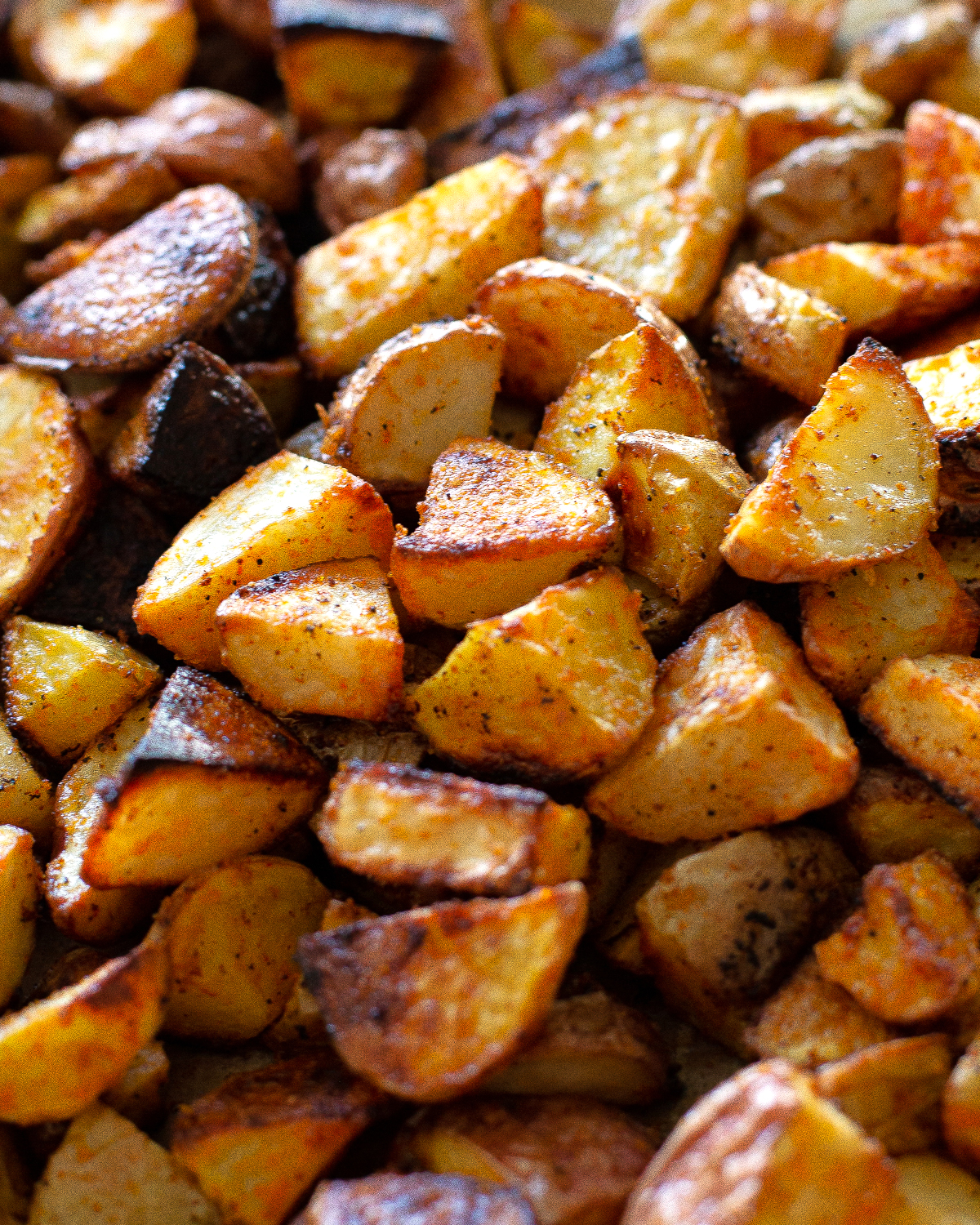
For busy households, the ability to prepare components of a meal in advance is invaluable. Roasted potatoes can indeed be made ahead of time. Once roasted and cooled, they can be stored in an airtight container in the refrigerator for up to three to four days. To reheat and restore their crispy texture, spread the cooled potatoes in a single layer on a baking sheet and warm them in a preheated oven at around 350°F (175°C) for 5 to 10 minutes, or until heated through and crisped. This reheating method is crucial for recapturing the desirable textural qualities.
Conclusion
The pursuit of the perfect roasted potato is a journey that rewards patience, attention to detail, and an understanding of fundamental cooking principles. By selecting the right potatoes, employing techniques such as avoiding overcrowding, utilizing parchment paper, and embracing high heat, home cooks can consistently achieve a side dish that is both visually appealing and exceptionally delicious. These oven-baked potatoes, with their golden caramelized edges and tender interiors, are more than just a side; they are a testament to the transformative power of simple ingredients prepared with care and expertise.
