

The Emergence of High-Efficiency Regional Cuisine
The development of the Great Smoky Mountain Casserole coincides with a broader cultural resurgence in regional American flavors. By utilizing ingredients such as cabbage, potatoes, and smoked meats, the dish pays homage to the foodways of the Smoky Mountain region, where preservation techniques like smoking and the use of hardy, cellar-stored vegetables were historical necessities. In a modern context, these ingredients provide a nostalgic flavor profile that appeals to consumers seeking "comfort food" without the prohibitive time requirements of traditional wood-fire smoking or low-and-slow oven roasting.

The popularity of this specific recipe highlights a growing demand for one-pot solutions. According to market research regarding small kitchen appliances, the multicooker market—led by brands like Instant Pot—has seen consistent growth over the last decade, with consumers citing "ease of cleanup" and "hands-off cooking" as primary motivators. The Great Smoky Mountain Casserole addresses these needs by consolidating the browning, steaming, and thickening processes into a single stainless steel vessel, thereby reducing the domestic labor footprint of a multi-component family dinner.

Component Analysis: Nutritional and Culinary Profile
The structural integrity of the Great Smoky Mountain Casserole relies on a balanced distribution of macronutrients and the strategic use of aromatics. The primary protein source, smoked beef sausage, provides the foundational fats and savory notes required for a satiating meal. When subjected to the "Sauté" function of a multicooker, the sausage undergoes the Maillard reaction, a chemical process between amino acids and reducing sugars that gives browned food its distinctive flavor.
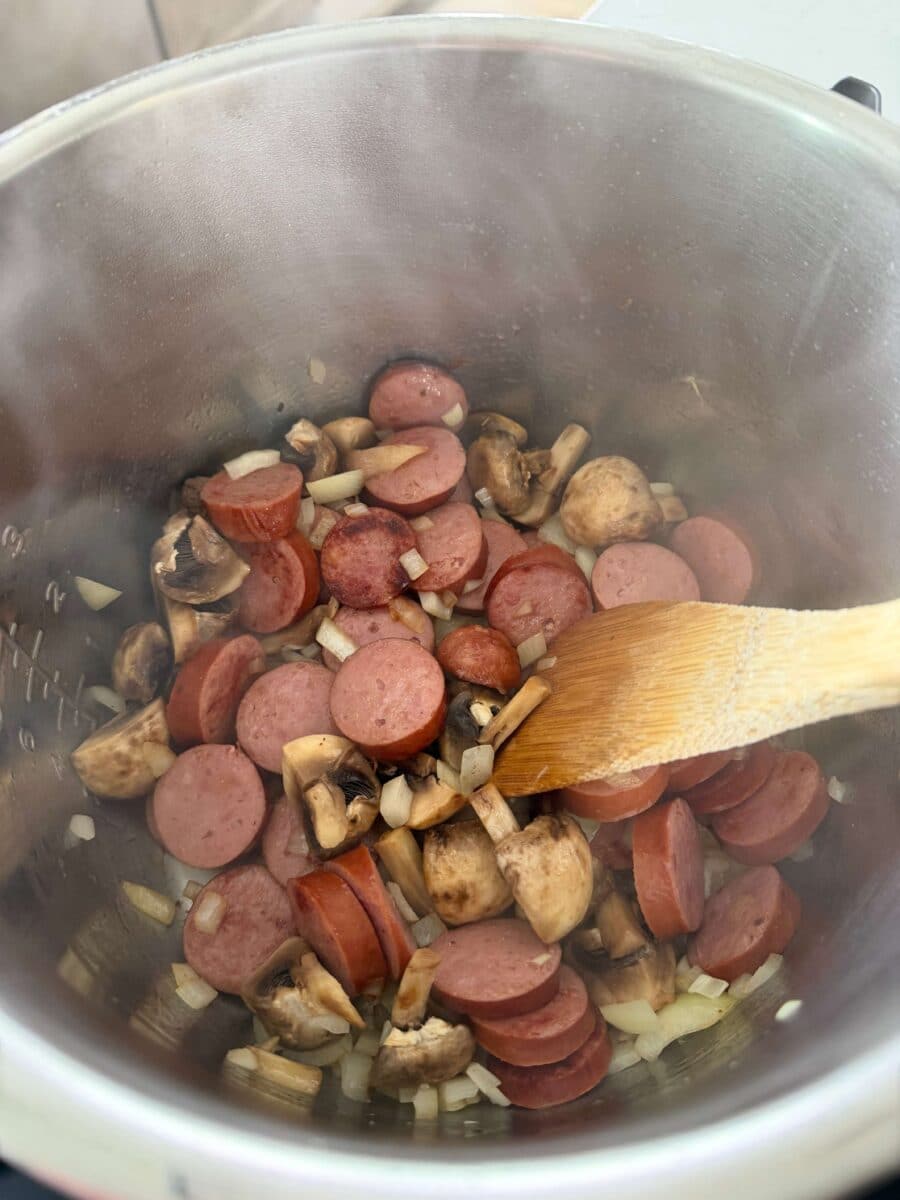
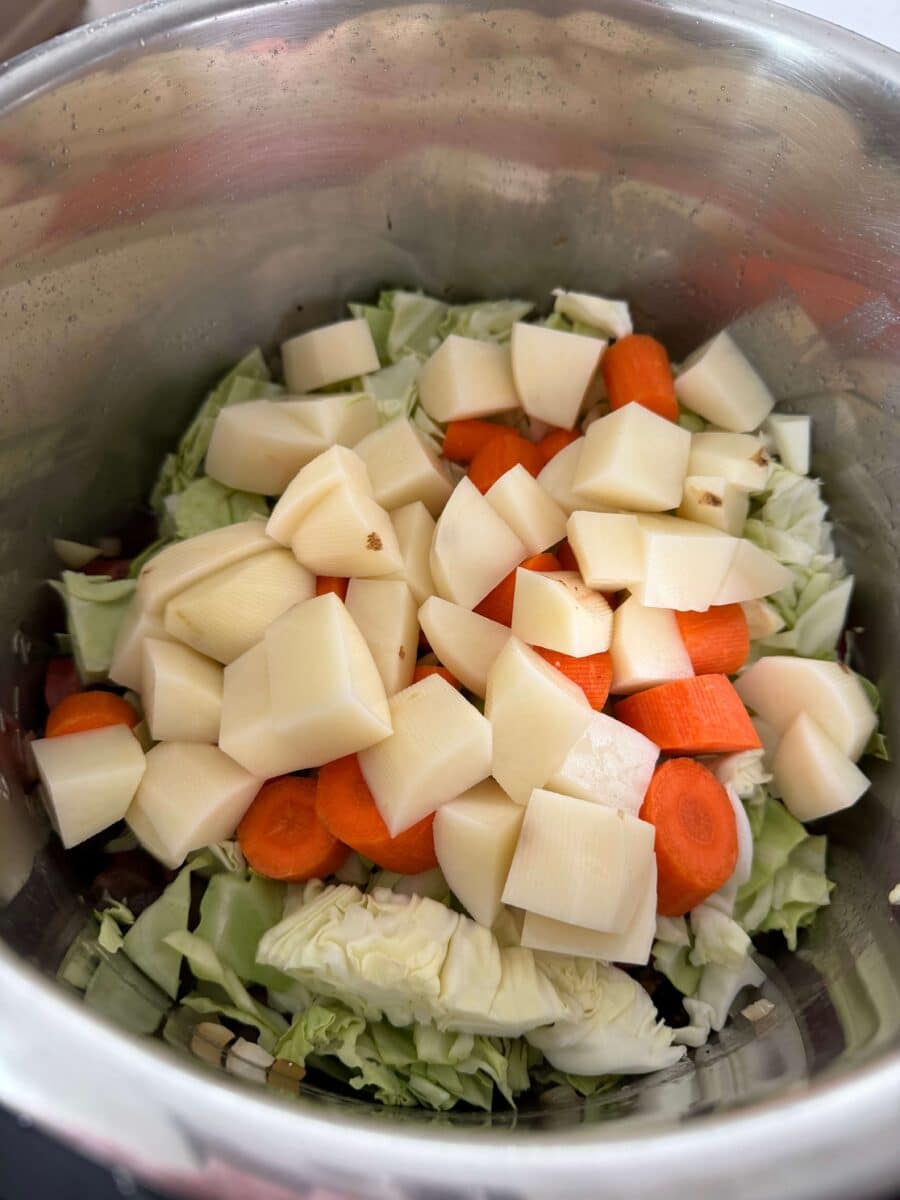
Complementing the protein is a robust selection of vegetables. Cabbage, a cruciferous vegetable known for its high fiber content and Vitamin C, serves as a bulky base that softens during pressure cooking to absorb the surrounding sauce. Carrots add a natural sweetness and beta-carotene, while potatoes provide the necessary carbohydrates to make the dish a complete meal. The inclusion of mushrooms and onions introduces layers of umami and sulfurous depth, which are essential for rounding out the flavor profile of the tomato-based sauce.
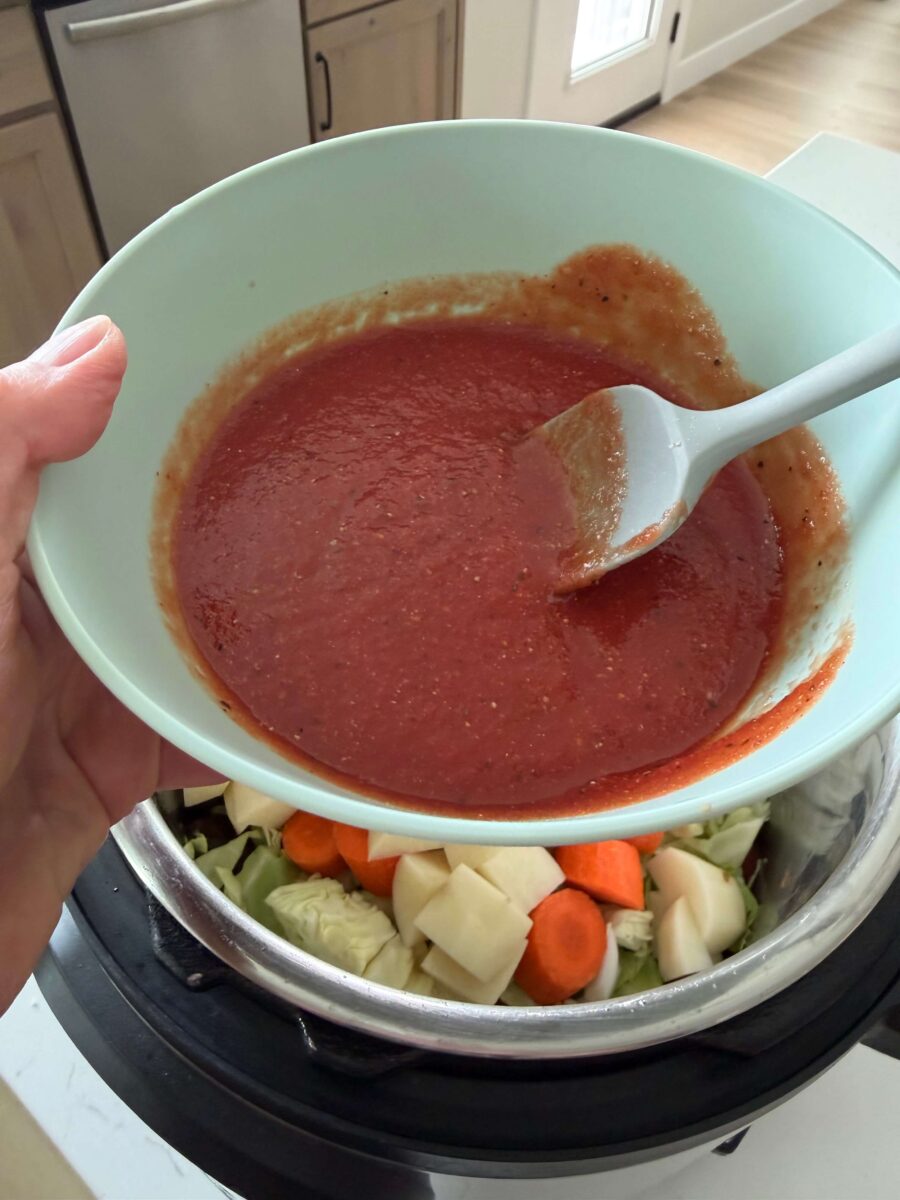
The sauce itself is a technical highlight of the recipe. By combining tomato sauce with liquid smoke and smoked paprika, the dish mimics the complex phenolic compounds found in traditional wood smoke. This allows home cooks to achieve a "barbecue" aroma—a fact noted by early testers of the recipe who observed that the scent of the cooking process often leads to comparisons with outdoor grilling.
Chronological Preparation and Technical Execution
The preparation of the Great Smoky Mountain Casserole follows a precise technical sequence designed to maximize flavor extraction while preventing common mechanical issues associated with pressure cookers, such as the "burn" warning.

Phase I: The Searing and Aromatics
The process begins with the activation of the "Sauté" setting. Once the pot reaches the optimal temperature, oil is introduced to prevent sticking. The sliced smoked sausage is browned for approximately four minutes. This step is critical not only for the texture of the meat but for the development of "fond"—the caramelized bits of protein and fat that adhere to the bottom of the pot. Onions and mushrooms are then added for an additional two minutes, allowing the onions to become translucent and the mushrooms to release their moisture.

Phase II: Deglazing and Layering
Following the sauté phase, a liquid broth is introduced. This is a vital step in multicooker technology known as "deglazing." The cook must scrape the bottom of the pot to incorporate the fond into the liquid, ensuring that no solid particles remain stuck, which could interfere with the heat sensors during the pressure-cooking cycle. Once the pot is turned off, the cabbage, potatoes, and carrots are layered on top of the broth.

Phase III: The Sauce and Pressure Cycle
A separate mixture of tomato sauce, liquid smoke, smoked paprika, garlic powder, salt, and pepper is whisked together and poured over the vegetables. Crucially, the recipe dictates that the mixture should not be stirred at this stage. By keeping the thicker tomato sauce on top, the thinner broth remains at the bottom to generate the steam necessary to reach pressure. The unit is then sealed and set to manual high pressure for three minutes.

Phase IV: Release and Finishing
After the three-minute cycle concludes, a five-minute "natural pressure release" period is observed. This allows the internal temperature to stabilize and ensures that the meat remains tender rather than toughening due to a sudden drop in pressure. After the remaining steam is vented, a cornstarch slurry (a mixture of cornstarch and cold water) is stirred into the simmering liquid. The "Sauté" function is briefly reactivated to thicken the sauce into a rich, glossy glaze that coats the ingredients.

Scientific and Culinary Implications of the Pressure Cooker Method
The transition from traditional casserole dishes to the Great Smoky Mountain Casserole format represents a significant shift in culinary physics. In a traditional oven-baked casserole, heat is transferred via convection, often resulting in uneven moisture distribution and long cooking times. In contrast, the Instant Pot utilizes steam under pressure, which raises the boiling point of water and forces moisture and flavor into the center of dense ingredients like potatoes and carrots.

This method is particularly effective for cabbage. In traditional boiling, cabbage can become sulfurous and overly soft. However, under the high-pressure, short-duration conditions of the Great Smoky Mountain Casserole, the cabbage retains a pleasant texture while its natural sugars are intensified. Furthermore, the closed environment of the pressure cooker prevents the volatile aromatic compounds—those responsible for the "smoky" scent—from escaping, resulting in a more flavor-dense final product.

Market Trends and the Evolution of Domestic Efficiency
The Great Smoky Mountain Casserole is a byproduct of the "365 Days of Crockpot" philosophy, a digital movement that emphasizes the democratization of gourmet flavors for the average household. As inflation affects food prices, the ability to turn relatively inexpensive staples—like cabbage, potatoes, and sausage—into a high-quality meal is an essential skill for modern consumers.

Data from the Bureau of Labor Statistics suggests that the average American spends significantly less time on food preparation than in previous decades, yet the desire for "home-cooked" meals remains high. Recipes like this one address the "time-poverty" of the working class by offering a solution that is faster than ordering professional delivery. The one-pot nature of the dish also addresses the "hidden labor" of cooking: the cleanup. By eliminating the need for multiple pans, the dish appeals to a demographic that prioritizes post-meal efficiency.

Broader Impact and Culinary Conclusion
The success of the Great Smoky Mountain Casserole underscores a larger trend in the culinary world: the synthesis of regional identity with technological convenience. While the dish is rooted in the flavors of the American South and the Appalachian trail, its execution is purely 21st-century. It represents a move away from the "canned soup" casseroles of the mid-20th century toward fresh-ingredient-based meals that do not sacrifice health for speed.

From a nutritional standpoint, the dish provides a high-volume, fiber-rich meal that can be easily adapted for various dietary needs, such as using turkey sausage for lower fat content or vegetable broth for those reducing red meat intake. As home cooks continue to navigate the balance between tradition and busy schedules, the Great Smoky Mountain Casserole stands as a benchmark for what modern domestic cooking can achieve: a rich, evocative, and culturally resonant meal that respects the clock as much as the palate.
