
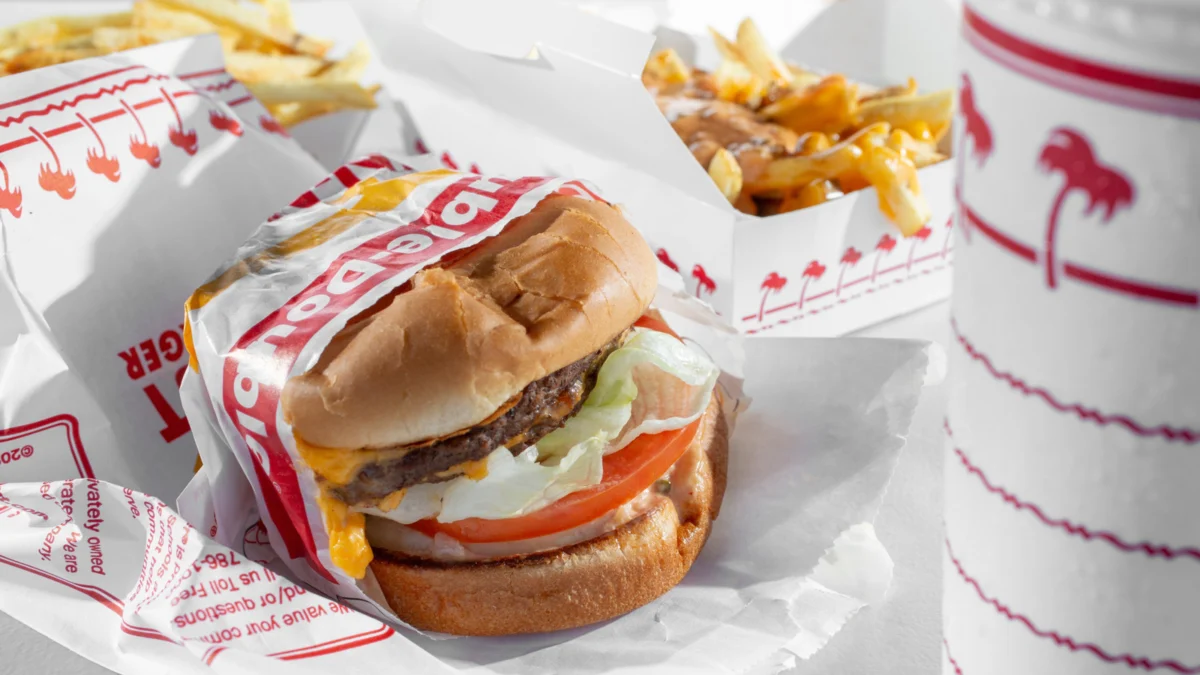
The fierce competition and fervent adoration surrounding iconic fast-food brands often spill over into legal battles, a reality that the beloved West Coast burger chain, In-N-Out, recently underscored. In a notable instance of trademark infringement, In-N-Out took legal action against a small Australian burger joint known as Down N’ Out. This legal confrontation, initiated in 2018, ultimately led to the Australian establishment’s rebranding and a subsequent struggle for survival, highlighting the global reach and protective instincts of established culinary brands.
The genesis of the dispute lies in Down N’ Out’s clear intent to evoke the essence of In-N-Out, a strategy that, while potentially flattering in some contexts, crossed a legal threshold. Operating with a minimal footprint, Down N’ Out featured only two locations. Despite its limited scale, the establishment’s operational and marketing choices bore striking resemblances to the California-based burger giant. This included the adoption of similar branding elements and menu items, which In-N-Out argued constituted a deliberate attempt to capitalize on its established reputation and goodwill.
The Legal Confrontation: Trademark Infringement and Its Repercussions
In-N-Out Burger, renowned for its consistent quality and cult-like following, has historically maintained a controlled expansion strategy, primarily concentrating its operations on the U.S. West Coast and parts of the Southwest. This limited geographic presence paradoxically amplifies the desire and perceived exclusivity among fans in regions where the chain is not accessible. It is this very exclusivity that makes In-N-Out’s brand identity so potent and valuable, prompting swift action against any perceived dilution or unauthorized appropriation.
The lawsuit filed by In-N-Out in 2018 centered on several key infringements. Primarily, Down N’ Out utilized a name that was an obvious play on "In-N-Out." Beyond the name, the Australian eatery incorporated visual cues that were highly reminiscent of In-N-Out’s distinctive branding. This included the use of a signature yellow arrow motif, a recognizable element of In-N-Out’s logo. Furthermore, Down N’ Out offered a menu item called "Tiger Style," a transparent nod to In-N-Out’s popular "Animal Style" preparation, which involves grilling the burger with mustard, adding extra pickles, lettuce, tomato, and a special sauce. These parallels were not isolated incidents but formed a consistent pattern of association, leading In-N-Out to believe that Down N’ Out was intentionally trading on its brand equity without authorization.
The legal proceedings culminated in a favorable verdict for In-N-Out. While the specific terms of the settlement remain private, the outcome mandated significant changes for Down N’ Out. The most immediate and conspicuous consequence was the forced rebranding of the establishment. In a move that acknowledged the legal resolution with a touch of irony and perhaps a nod to its newfound anonymity, Down N’ Out was compelled to rename itself "Nameless Bar." This rebranding served as a stark reminder of the power of intellectual property rights and the legal ramifications of infringing upon them, even for smaller, independent businesses.
From Nameless Bar to High N’ Dry: A Business’s Evolution
The impact of the lawsuit extended beyond a mere name change. The legal battle and subsequent rebranding marked a challenging period for the Australian burger business. The verdict was handed down in the summer of 2020, a time when the global food service industry was already grappling with the unprecedented challenges posed by the COVID-19 pandemic. By the fall of 2021, Nameless Bar announced its closure. The company cited the ongoing economic pressures exacerbated by the pandemic as the primary reason for ceasing operations. This unfortunate closure underscored the precariousness of small businesses navigating complex legal landscapes and global economic downturns.
However, the entrepreneurial spirit of the individuals behind Nameless Bar proved resilient. Rather than abandon their vision, they channeled their efforts into establishing a new venture. This resulted in the creation of "High N’ Dry," a new burger bar that emerged from the ashes of Nameless Bar. As of May 2026, High N’ Dry has been operating and has garnered significant attention for its own unique culinary offerings.
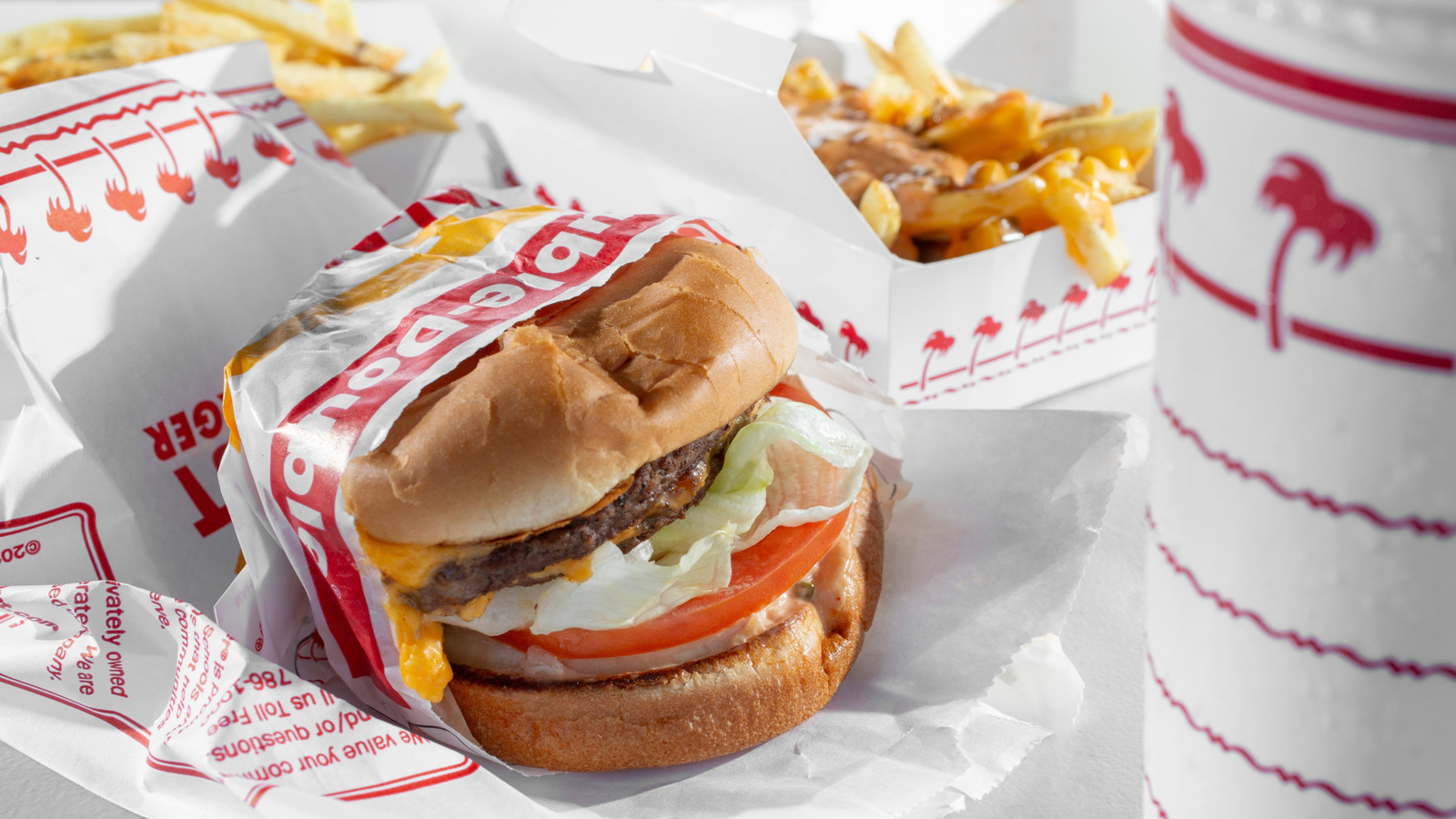
A critical examination of High N’ Dry’s menu reveals a continued, albeit evolved, approach to culinary homage and creative expression. The burgers served at High N’ Dry are described as substantial and visually appealing, characterized by generous portions of sauces and a rich array of toppings. This emphasis on bold flavors and presentation positions High N’ Dry as a formidable competitor in the Australian burger scene. Ironically, this new iteration of the formerly sued establishment now presents a situation where American consumers might experience a sense of "fear of missing out" (FOMO) regarding these distinctive Australian burgers, adding a new layer to the narrative of culinary exchange and craving.
Continued Parody and Culinary Innovation
High N’ Dry has not shied away from referencing and, at times, playfully parodying other prominent fast-food chains. This approach suggests a deliberate strategy of engaging with the broader fast-food culture and leveraging familiar tropes for marketing and appeal. One notable example is the creation of "The Mac Daddy," a burger that clearly riffs on McDonald’s iconic Big Mac. The announcement of this menu item was accompanied by a forceful statement on Facebook, which declared, "SENDING RONALD MCDONALD BACK TO BURGER SCHOOOLLL!!! THIS IS HOW IT’S DONNEEE!!!!" This aggressive, yet humorous, marketing tactic positions High N’ Dry as a brand unafraid of direct engagement with its larger competitors, albeit through a lens of creative interpretation and playful competition.
Despite the past legal entanglements with In-N-Out, High N’ Dry has maintained certain elements that echo its previous identity. The chain has retained the "N’" within its name, a subtle but persistent connection to its predecessor and, by extension, the original inspiration. Furthermore, High N’ Dry continues to feature a "secret menu" that includes items like "Ape Style" and "Chimp Style" burgers. These names are direct and deliberate allusions to In-N-Out’s "Animal Style," indicating that while legal boundaries must be respected, the creative inspiration derived from the Californian chain remains a part of High N’ Dry’s brand identity.
As of its latest operational updates, High N’ Dry has expanded to three locations in Sydney, demonstrating a successful trajectory and growing customer base. This growth suggests that the establishment has found a viable niche and a loyal following, balancing its creative homages with a distinct culinary identity.
Broader Implications and Analysis
The case of In-N-Out versus Down N’ Out, and its subsequent evolution into High N’ Dry, offers several insights into the modern food industry. Firstly, it highlights the critical importance of intellectual property rights, particularly trademarks, in protecting brand identity and market share. For a company like In-N-Out, with a carefully cultivated image and loyal customer base, the unauthorized use of its branding elements represents a direct threat to its business. The legal action taken was a defensive measure to safeguard its intellectual assets and prevent consumer confusion.
Secondly, the story illustrates the power of cultural influence and the globalized nature of food trends. In-N-Out’s status as a revered American institution has extended its influence far beyond its physical locations, inspiring culinary ventures in distant markets. This phenomenon underscores the interconnectedness of global food culture, where culinary concepts and brand identities can transcend geographical borders.
Thirdly, the resilience of the entrepreneurs behind Down N’ Out, who ultimately established High N’ Dry, demonstrates the adaptability and innovation that can emerge even from challenging circumstances. Navigating a lawsuit and a global pandemic requires significant fortitude. Their ability to rebrand, evolve their menu, and continue to grow suggests a strong understanding of their market and a commitment to their craft.
The continued use of subtle references to In-N-Out, even after the legal action, also raises questions about the fine line between homage and infringement. While High N’ Dry has clearly learned from its past legal experience and has not replicated the direct infringements that led to the lawsuit, its continued playful engagement with In-N-Out’s signature styles suggests a complex relationship. It is a dynamic that speaks to the enduring appeal of iconic brands and the creative liberties that aspiring businesses may feel emboldened to take, albeit with increasing caution.
In conclusion, the legal dispute between In-N-Out and Down N’ Out serves as a compelling case study in the intersection of brand protection, culinary inspiration, and entrepreneurial resilience. It underscores that in the competitive world of fast food, even the smallest of tributes can lead to significant legal consequences, while also showcasing the enduring power of creativity and adaptation in the face of adversity. The ongoing evolution of High N’ Dry suggests that the narrative of culinary influence and the pursuit of a unique brand identity continue to unfold in the vibrant Australian food scene.
