
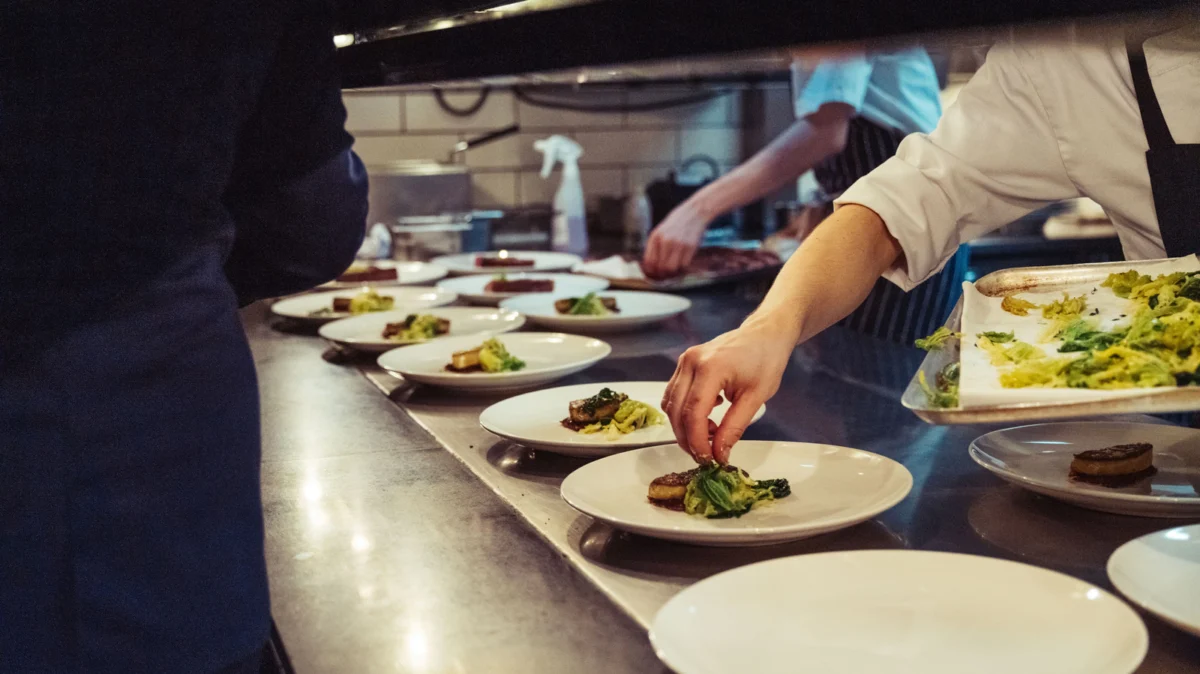
For many, dining out is a multi-sensory experience, extending beyond mere sustenance to encompass ambiance, expertly crafted beverages, and the simple luxury of avoiding dish duty. However, behind the curtain of the dining room, a complex ballet unfolds between the moment an order is placed and its graceful arrival at the table. This intricate operation, often unseen by patrons, is orchestrated by restaurant professionals with a unique perspective on the culinary world. This article delves into the insider knowledge and operational realities that shape the dining experience, offering a glimpse into the behind-the-scenes world of restaurants.
The Nuances of Customer Interaction and Kitchen Response
A common misconception among diners is the potential for vindictive actions by restaurant staff towards perceived rude customers. However, industry professionals largely agree that the deliberate tampering of food is an extreme and virtually unheard-of act. The repercussions, both legal and reputational, are too severe for any reputable establishment to risk. As one former garde-manger chef with nearly 15 years of experience in New England restaurants stated, "I have never, ever in my time behind the line ever seen a cook, chef, or server defile someone’s food, even the rudest customer. Spitting in food, putting foreign objects, or bad-tasting chemicals in food that is served to customers is beyond the pale for almost all food service professionals." This sentiment is echoed across numerous online forums and discussions among service industry workers, highlighting a strong ethical code within the profession.
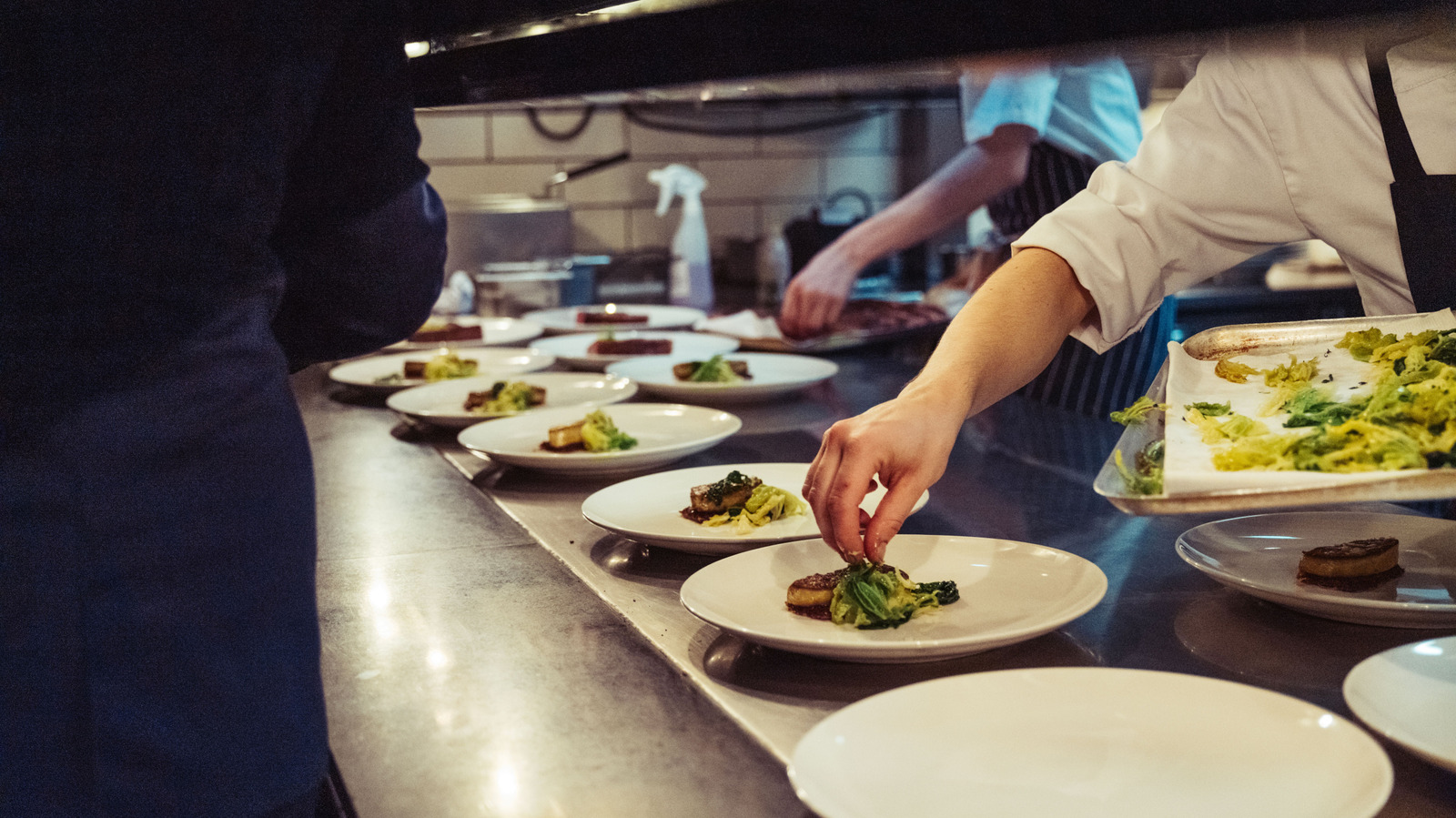
While physical sabotage is not on the menu, a more subtle, yet impactful, form of customer service management does exist: strategic delays. Rudeness directed towards waitstaff can, and often does, result in an order being de-prioritized. This is not an act of malice, but rather a passive response to disrespect. The rationale is straightforward: ensuring a positive experience for polite guests takes precedence. As the former chef explained, "What probably will happen, though, is that your order will get bumped to the bottom of the priority list. Reddit threads dedicated to servers telling their stories are pretty unanimous agreement that rude customers spend more time waiting for their meals than polite ones." This practice, while not overtly punitive, serves as a gentle deterrent to discourteous behavior, underscoring the value placed on respectful interactions between staff and patrons. The implication is clear: fostering a courteous dining environment benefits everyone, ensuring smoother service and a more pleasant experience for all.
The Art and Science of Flavor: Salt, Aromatics, and Seasonal Ingredients
The exceptional taste of restaurant food is often attributed to a variety of factors, with salt playing a surprisingly dominant role. Chefs leverage salt not merely for seasoning, but as a fundamental flavor enhancer. This practice is deeply ingrained in culinary education and kitchen operations. "Salt is a chef’s secret weapon," a professional chef might explain. "In the kitchen, we have massive bowls of salt close to hand, and we toss it about like a New England winter. Everything gets salted: Meat, vegetables, salads, desserts (yes, absolutely desserts). Salt is the easiest, least intrusive method of bringing out a food’s natural flavor. Salt, unlike other seasonings, doesn’t cover the taste of the food; it elevates it."
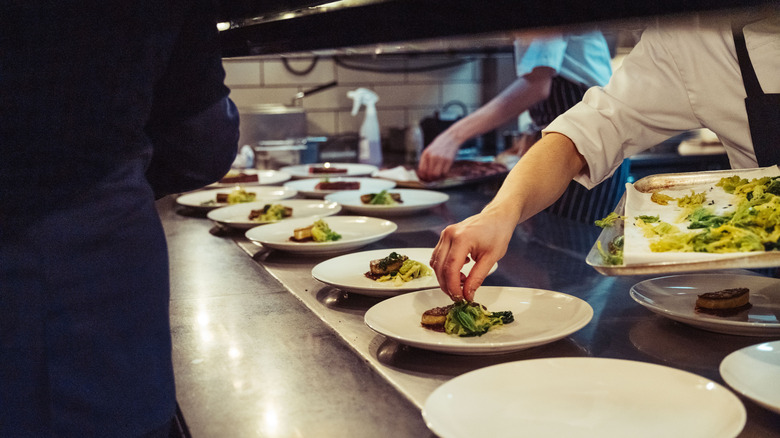
The scientific basis for salt’s efficacy lies in its ability to concentrate flavors by displacing water within food and to counteract bitterness, a characteristic particularly beneficial for ingredients like salad greens and dark chocolate. However, the application of salt requires a delicate balance. Oversalting can render dishes unpalatable and create an unpleasant texture, particularly in delicate items like fish and salads. Therefore, the skillful use of both regular salt and finishing salts is a hallmark of professional cooking.
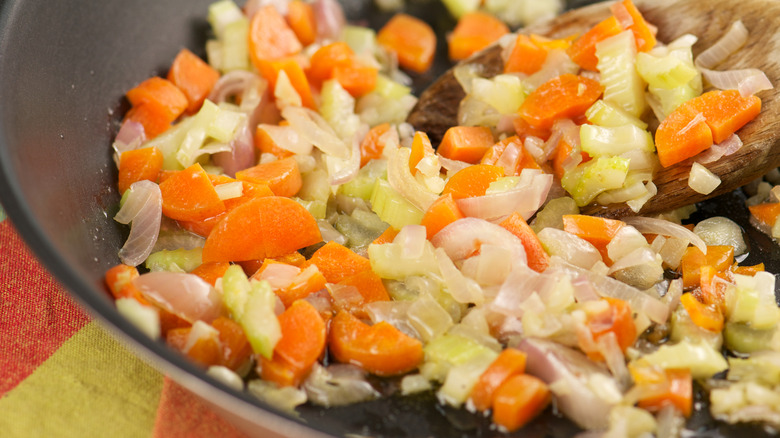
Beyond salt, the foundation of many savory dishes rests on a carefully constructed aromatic base. Mirepoix—a combination of carrots, celery, and onions in a 1:1:2 ratio—is a cornerstone of Western cuisine. These vegetables are typically cooked down to release their essential oils and flavors, which are then infused into stocks, sauces, soups, and roasted meats. Often, the vegetables themselves are strained out, leaving behind their essence. The prevalence of onions in this foundational mixture cannot be overstated. As one culinary insider noted, "There’s onions in basically everything." Different culinary traditions employ variations on this theme: sofrito in Spanish cuisine (onions, garlic, tomatoes), the "holy trinity" in Cajun cooking (onions, celery, bell peppers), and battuto in Italian cooking (onions, celery, carrots, parsley, garlic, fennel). Regardless of the specific blend, onions consistently serve as a vital flavor-building component.
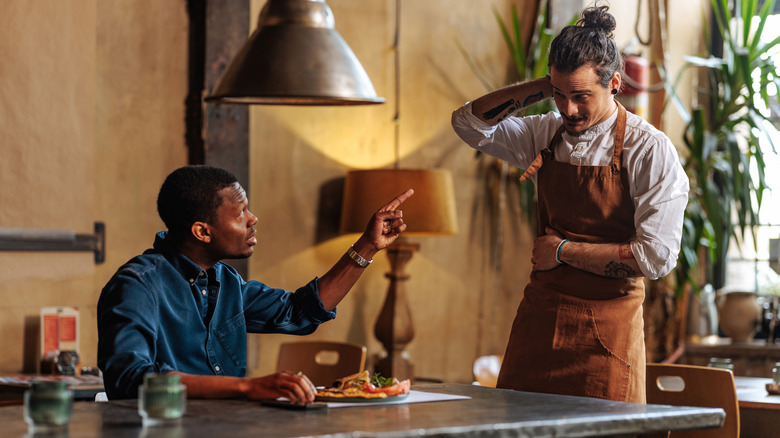
Furthermore, the seasonality of ingredients plays a crucial role in the quality and availability of certain dishes. Many kitchens, particularly those embracing a farm-to-table philosophy, design menus around what is fresh and in season. This approach not only ensures the best flavor and nutritional value but also supports local agriculture. While diners may express disappointment when seasonal favorites are unavailable year-round, this practice is often a deliberate choice to maintain culinary integrity. "Most produce came from farms within a 50-mile radius," a chef might recall, "and because I’m located in New England, fish was brought in daily directly from the seaports. Most chefs prefer working with fresh ingredients, as the best flavor comes from foods that are grown and harvested within their natural cycle." The commitment to seasonal ingredients, while occasionally inconvenient for patrons craving summer berries in winter, ultimately results in a more vibrant and authentic dining experience.
Accommodating Needs: Special Requests and Food Allergies
Restaurants are increasingly accommodating special dietary needs, but the ease and effectiveness of this accommodation are heavily influenced by customer communication. While kitchens are adept at handling minor adjustments, the during-the-dinner-rush delivery of extensive allergy lists or highly specific dietary restrictions can present significant challenges. "A few years ago, it used to be fairly common for the waitstaff to come back into the kitchen with little business cards that they had been handed by diners with massive lists of allergies, dietary preferences, sensitivities, and other ‘no-gos’," a former restaurant employee recounted. "They would hand these lists to the cooks and say, ‘This lady wants to know what she can eat here.’ Almost 99% of the time, this was during the dinner rush when we barely had a moment to refill our waters, let alone come up with an allergen-sensitive dish on the fly."

The key to successful accommodation lies in advance notice. "Restaurants really don’t mind making special accommodations if you give us a heads up," the employee continued. "If you are a person who has special food needs, we want to help you out and make sure that you get a dish that is representative of our talents in the kitchen. So call ahead. Speak with someone at the restaurant and let them know what your dietary needs are a day ahead of time, and we can build you an awesome meal because we’ll actually have the time to prep and make bespoke food that we will set aside for you so that there’s no cross-contamination." This proactive approach allows the kitchen to meticulously plan, source ingredients, and prepare a dish that meets the guest’s requirements without disrupting the flow of service or compromising food safety.
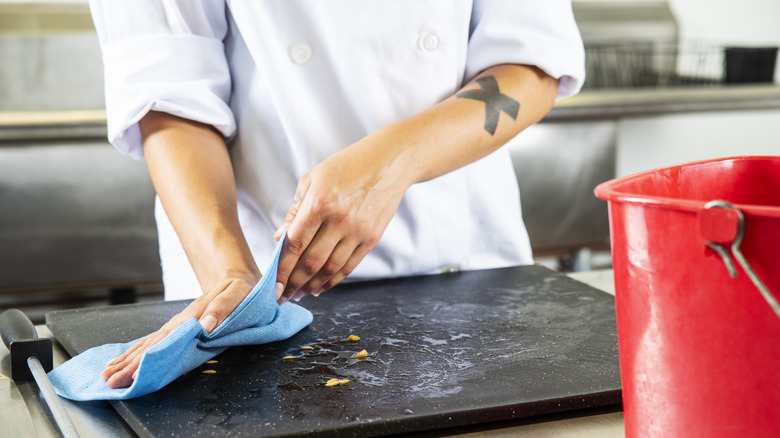
The seriousness with which food allergies are treated in professional kitchens cannot be overstated. Accidental exposure to allergens can have severe, even life-threatening, consequences for individuals with sensitivities. Consequently, kitchens implement stringent protocols to prevent cross-contamination. "Any professional kitchen run by a half-decent chef knows how serious food allergies are," a seasoned cook explained. "If a server comes back to us with the report that their table has a food allergy, it typically means that we’re going to have to switch out our knives, our cutting boards, do a full and thorough wipe-down of our work surface, and get new tongs. Sometimes that even means changing our aprons, depending on the severity of the allergy."
These procedures, while essential for safety, can significantly disrupt the rhythm of a busy service. The need to sanitize equipment and source uncontaminated ingredients during peak hours can add considerable time to food preparation. The implication is that diners with genuine allergies should always inform their server clearly and, ideally, in advance. Faking an allergy to avoid an ingredient is strongly discouraged, as it not only wastes valuable kitchen resources but also undermines the credibility of those with legitimate, serious allergies.
The Unseen Labor: Prep Work and Kitchen Hierarchy
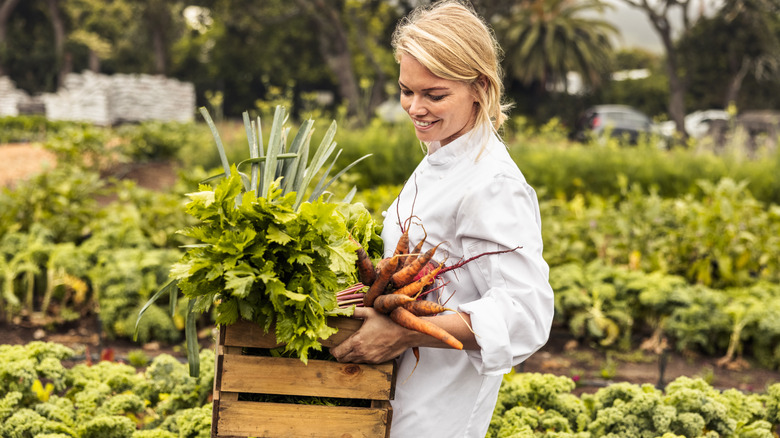
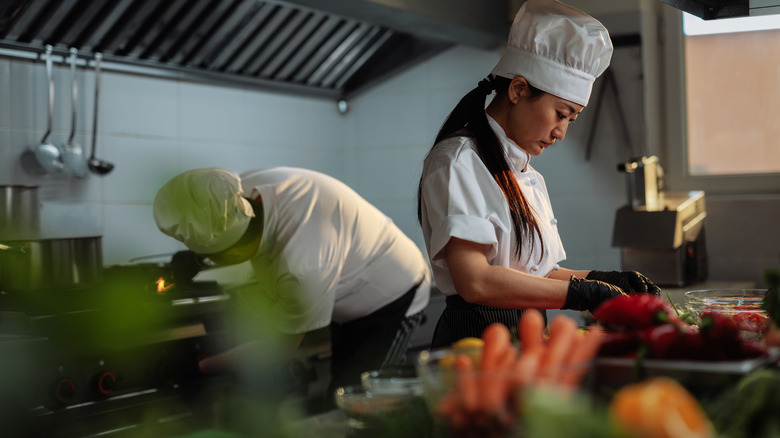
The seemingly effortless presentation of a restaurant meal belies hours of meticulous preparation that begin long before the first diner arrives. The concept of "mise en place," a French culinary term meaning "everything in its place," is fundamental to efficient kitchen operations. This involves preparing all necessary ingredients, from chopping vegetables to making stocks and sauces, hours in advance of service. "There’s typically a whole shift of cooks who come in during the morning hours to get the prep work done," a former kitchen worker elaborated. "Getting vegetables ready for service is incredibly labor-intensive, making sure that the dinner crew is fully stocked on what they need, making huge batches of stock and sauces. The work of prep-cooks is truly admirable and often invisible to customers."
This dedication to preparation extends to the cooking of various components. Many side dishes, such as rice, potatoes, and vegetables, are often "par-cooked" – brought to about three-quarters completion and then held at a safe temperature. This allows cooks to finish them quickly to order, ensuring that all elements of a dish are ready simultaneously. This systematic approach to prep work is what enables kitchens to manage high volumes of orders during peak times, such as the Friday night dinner rush.
Understanding the hierarchy within a professional kitchen is also key to appreciating the roles played in creating a meal. The brigade system, popularized by Auguste Escoffier, delineates clear responsibilities and a chain of command. At the apex sits the executive chef, responsible for menu creation, ingredient sourcing, staff management, and overall kitchen standards. The sous chef acts as the second-in-command, often overseeing daily operations. However, the actual execution of dishes on the line is typically performed by line cooks, who specialize in specific stations like grilling, sautéing, or garde manger (cold dishes).
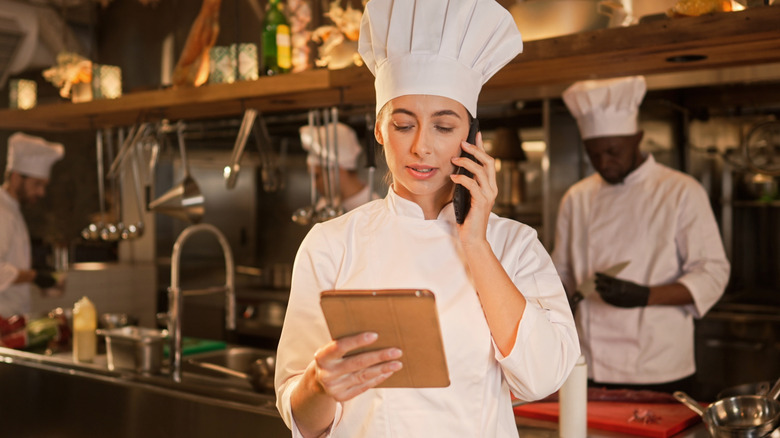
While the executive chef’s name may be prominently featured on the restaurant’s signage and menu, it is the line cooks who are the workhorses during service. "An executive chef might be the draw to a given restaurant," a culinary professional observed. "The chef’s name might be all over the sign and the menu, but on a busy Friday night, it’s definitely not the executive chef in the thick of the rush with a spatula in his hand. The line cooks are the muscle of the kitchen, powering the vast machinery of the joint." Their practiced skills and efficiency are what bring the executive chef’s culinary vision to life, plate by plate.
The Economics of Dining: Profit Margins and the Love of the Game
The restaurant industry is notoriously challenging from a financial perspective, with many establishments operating on extremely tight profit margins. While popular narratives often suggest a high failure rate, the reality is more nuanced. Data from institutions like the Auguste Escoffier School of Culinary Arts indicates that a significant percentage of restaurants not only survive their first year but maintain a survival rate exceeding 50% through their sixth year. Despite this resilience, the financial landscape remains precarious.
The initial capital outlay for opening a restaurant is substantial, encompassing kitchen equipment, staff training, inventory, and bar stocking. The cost of using fresh, local, and organic ingredients, while contributing to quality, can also increase operational expenses. These costs cannot always be fully passed on to consumers without encountering resistance. Consequently, many restaurants operate on profit margins as low as 5% or even less. This delicate financial balance means that a series of slow business weeks, major equipment failures, or disruptions in food supply can have a profound impact on solvency.
This economic reality leads to a key insight for aspiring restaurateurs: the industry is rarely a path to rapid wealth. Instead, it is often driven by passion and a deep love for food and hospitality. "Don’t open a restaurant if you’re looking to get wealthy," a seasoned industry veteran might advise. "If you want to join the industry party, we’d love to have you. But come for the love of the game, not the money you’ll make. Food is love!" This sentiment underscores the dedication and intrinsic motivation required to thrive in the demanding, yet rewarding, world of restaurant operations.
The Secret Ingredient: Butter’s Generous Role
A less obvious but significant contributor to the rich and satisfying taste of restaurant fare is the liberal use of butter. Far beyond the small pats served with bread, butter is a culinary workhorse in professional kitchens, imparting both flavor and a desirable textural quality to a wide array of dishes. "To say that butter is used liberally in kitchens would be an understatement," a chef might confess. "Butter is a magical substance that brings that silky mouthfeel and richness to dishes."
From creating velvety sauces to basting vegetables and enriching doughs, butter’s versatility is immense. It is frequently incorporated into sauté pans to enhance the flavor of vegetables like carrots and beets, and compound butters, infused with herbs and spices, are often placed atop hot steaks or fish to melt and meld with the protein. This generous application of butter is a key differentiator between home cooking and restaurant quality for many diners. "That’s just another reason restaurant food tastes so much better than what you’re making at home," a culinary insider might joke. "Most sane people would never go as hog-wild on butter as the average line cook." The commitment to flavor and texture through the judicious use of butter is a testament to the culinary techniques employed to elevate everyday ingredients into memorable dining experiences.
