
The Evolution of the Midwestern Potato Casserole
The history of the potato casserole in the United States, particularly in the Midwest, is deeply intertwined with the development of the "hotdish" and the "potluck" culture. Traditionally, these dishes relied heavily on canned convenience products, such as condensed cream of mushroom or chicken soups, which became ubiquitous in the post-World War II era. Grandma Grace’s Casserole, however, represents a departure from the "can-opener" method of cooking. By utilizing a roux-based cheese sauce made from scratch with half-and-half and fresh cheddar, the recipe offers a more refined flavor profile and a smoother consistency than its processed counterparts.
Culinary historians note that the Midwest has long been the "breadbasket" and "potato belt" of the nation, where starchy, hearty side dishes were essential for providing energy to agricultural workers. The transition of these recipes from rural kitchens to modern digital platforms like The Kitchn and 365 Days of Crockpot highlights a broader cultural trend: the preservation of "Grandma" recipes through digital archiving. This specific iteration of the casserole gained significant traction after being featured on high-traffic culinary websites, where it was praised for its balance of nostalgia and technical refinement.
Technical Execution and Methodological Innovations
The contemporary preparation of Grandma Grace’s Casserole utilizes a hybrid cooking method that leverages the speed of pressure cooking and the dry heat of oven baking. This two-stage process is designed to optimize both time and texture, a critical factor in potato-based dishes where the risk of overcooking into a mash is high.
Stage One: Precision Pressure Cooking
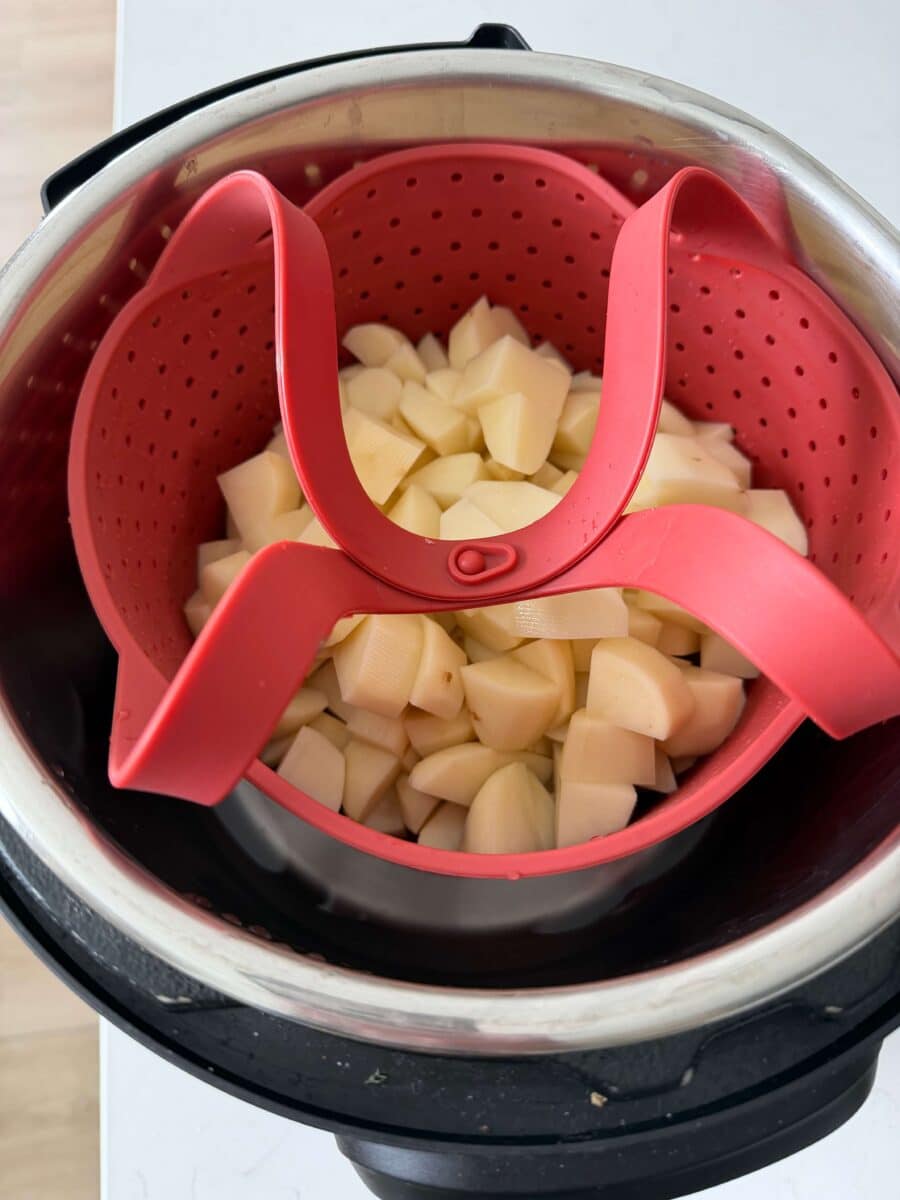
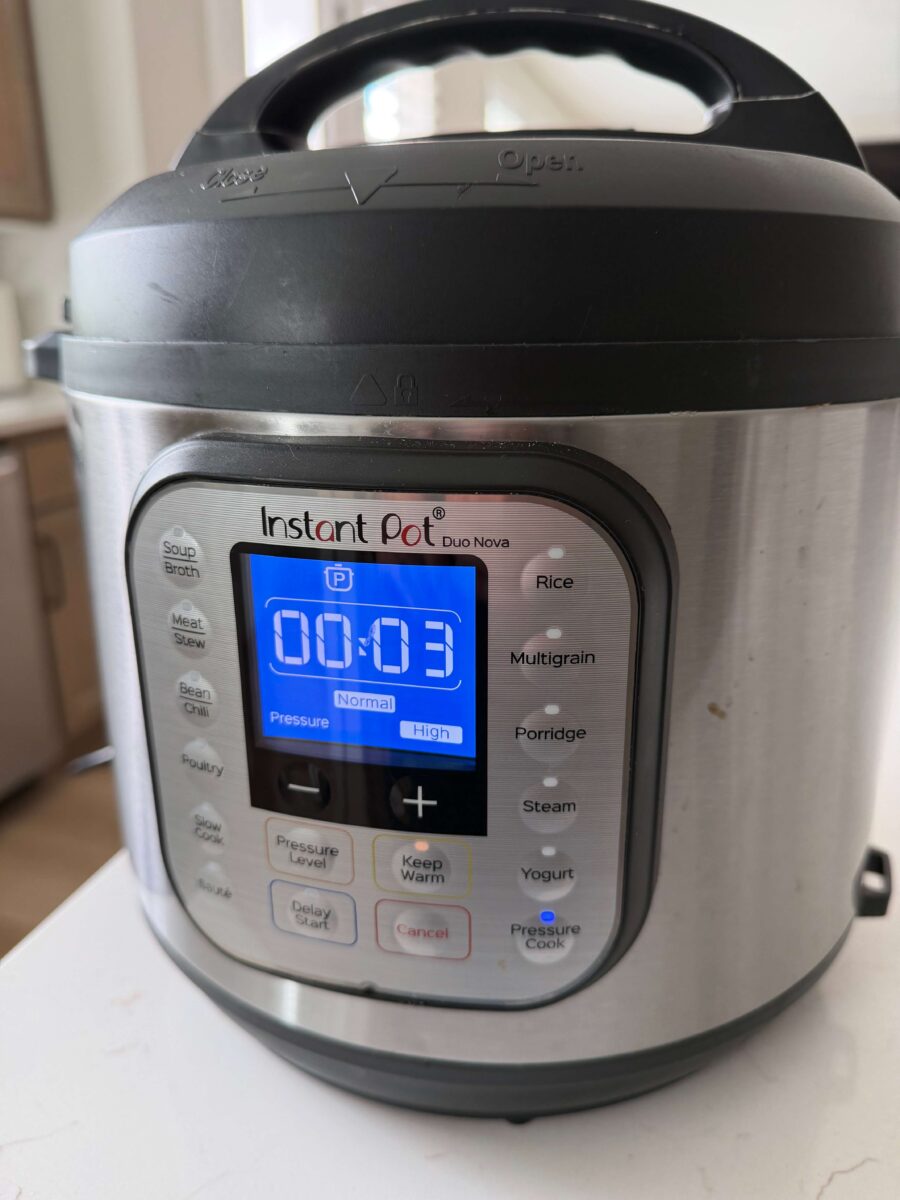
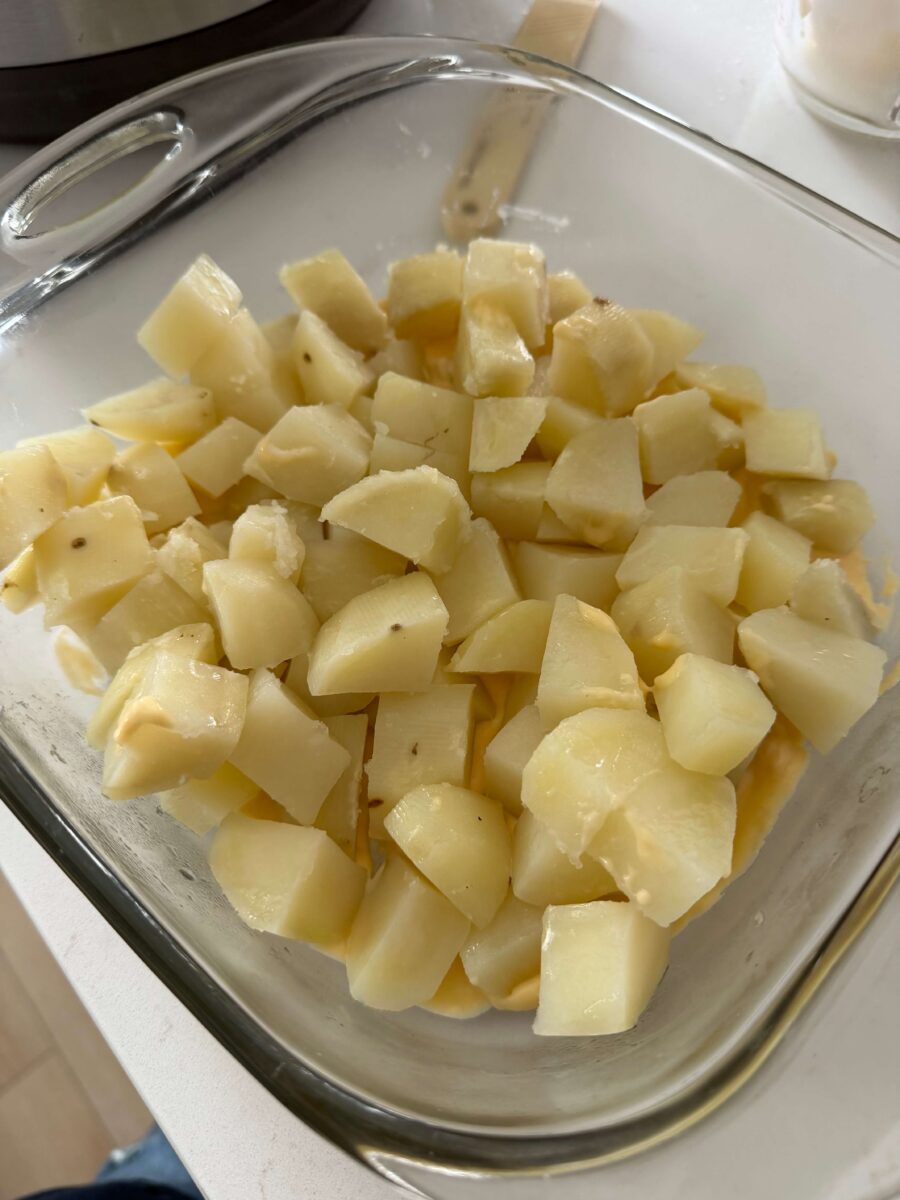
The process begins with the use of an Instant Pot or a similar electric pressure cooker. Unlike boiling, which can lead to waterlogged potatoes and a loss of nutritional content, pressure steaming in a basket for exactly three minutes ensures that the potato cubes reach a state of "al dente" tenderness. This precision is vital for the dish’s distinctive mouthfeel; the potatoes must retain their cubed shape throughout the subsequent baking process to provide a structural contrast to the creamy sauce.
Stage Two: The Roux-Based Bechamel and Mornay Sauce
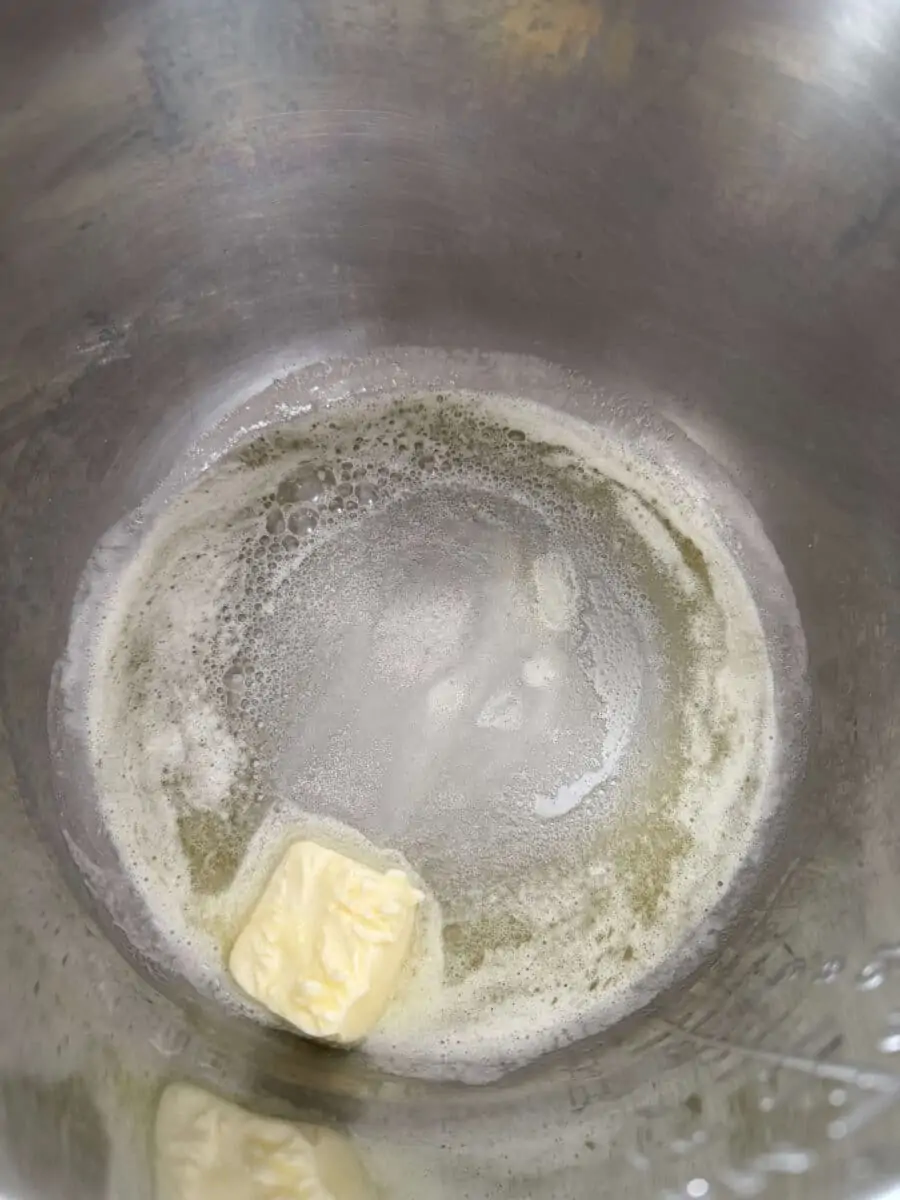
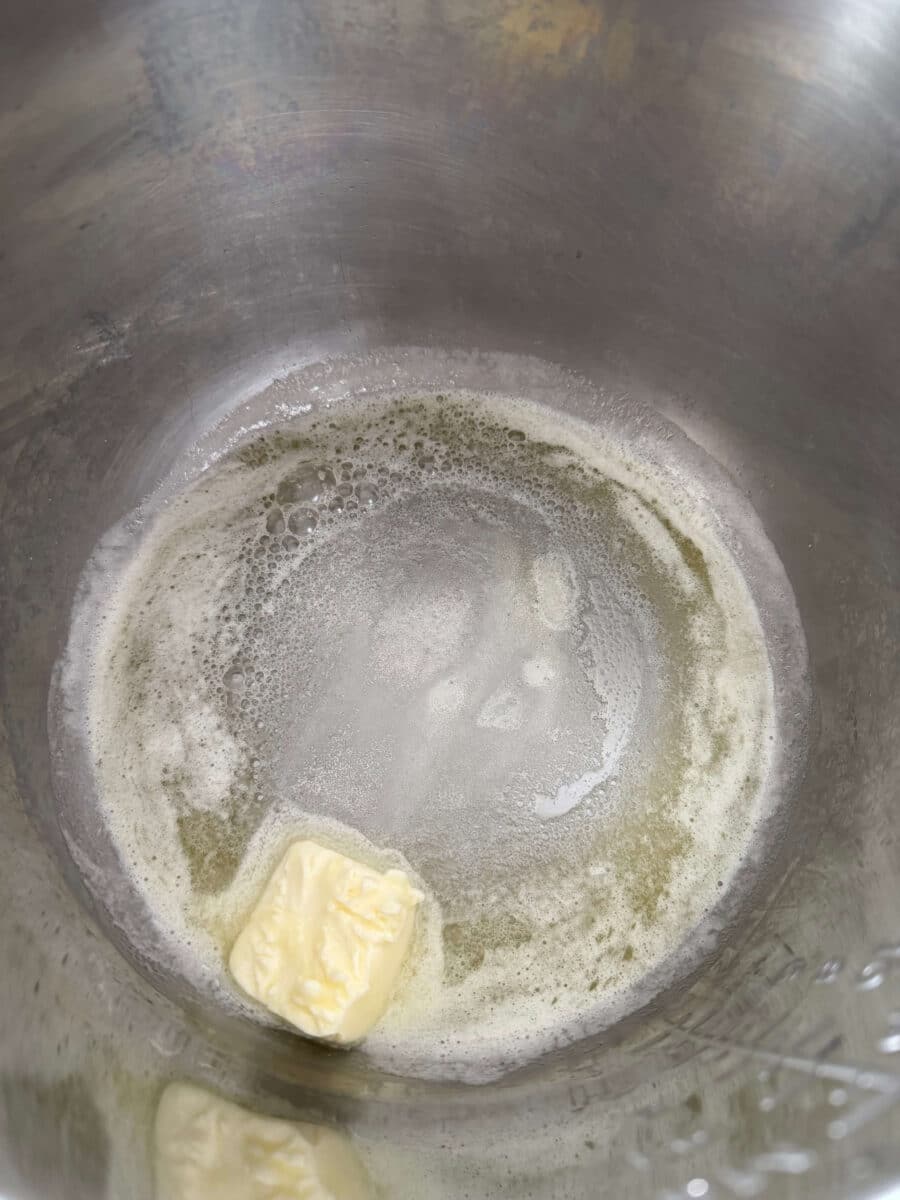
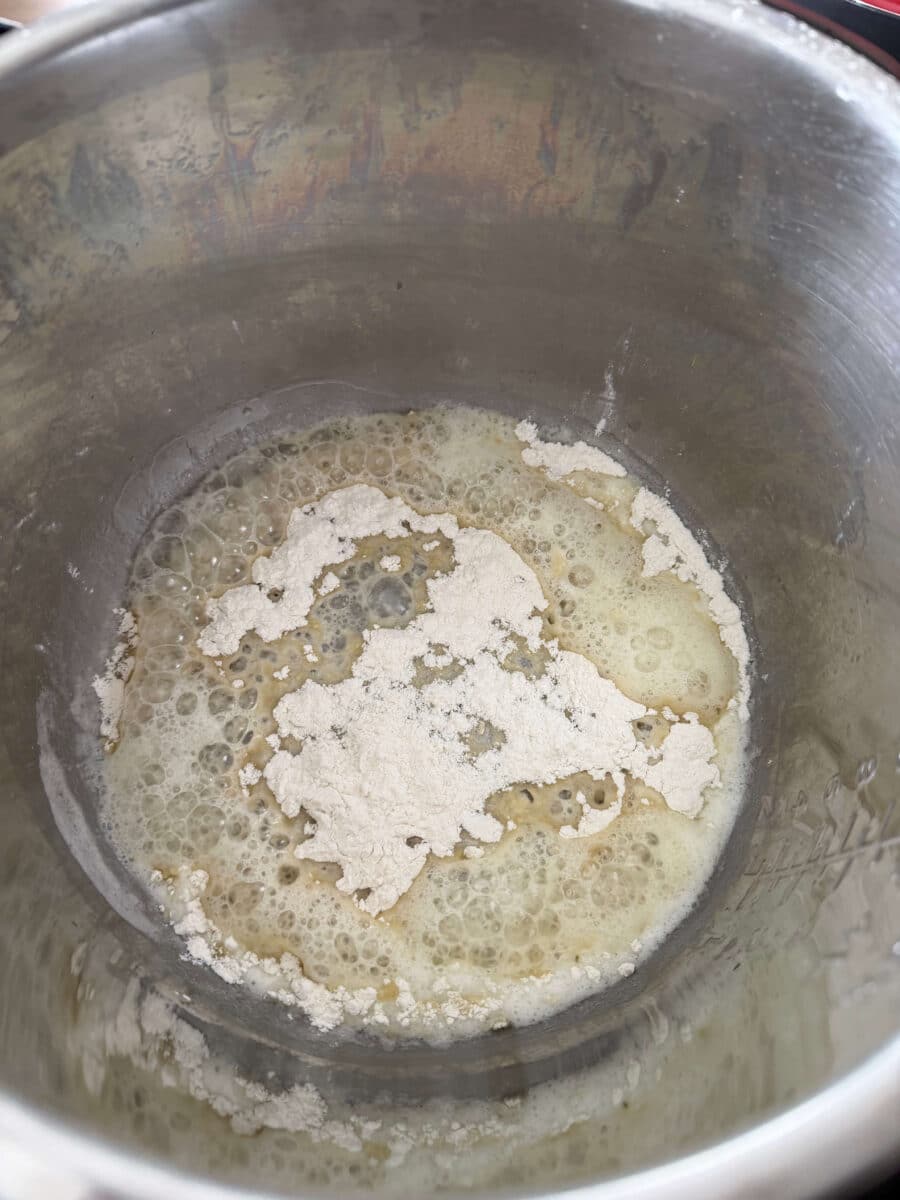
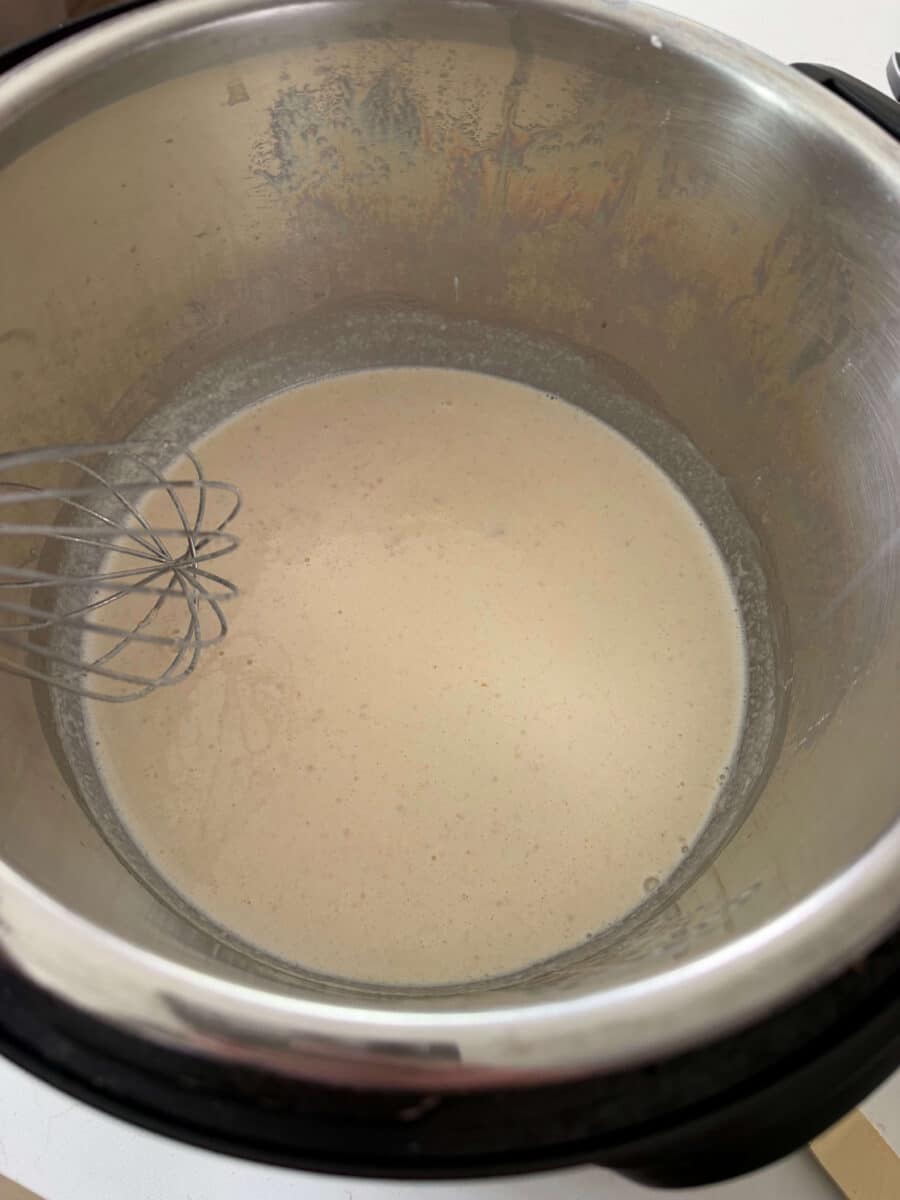
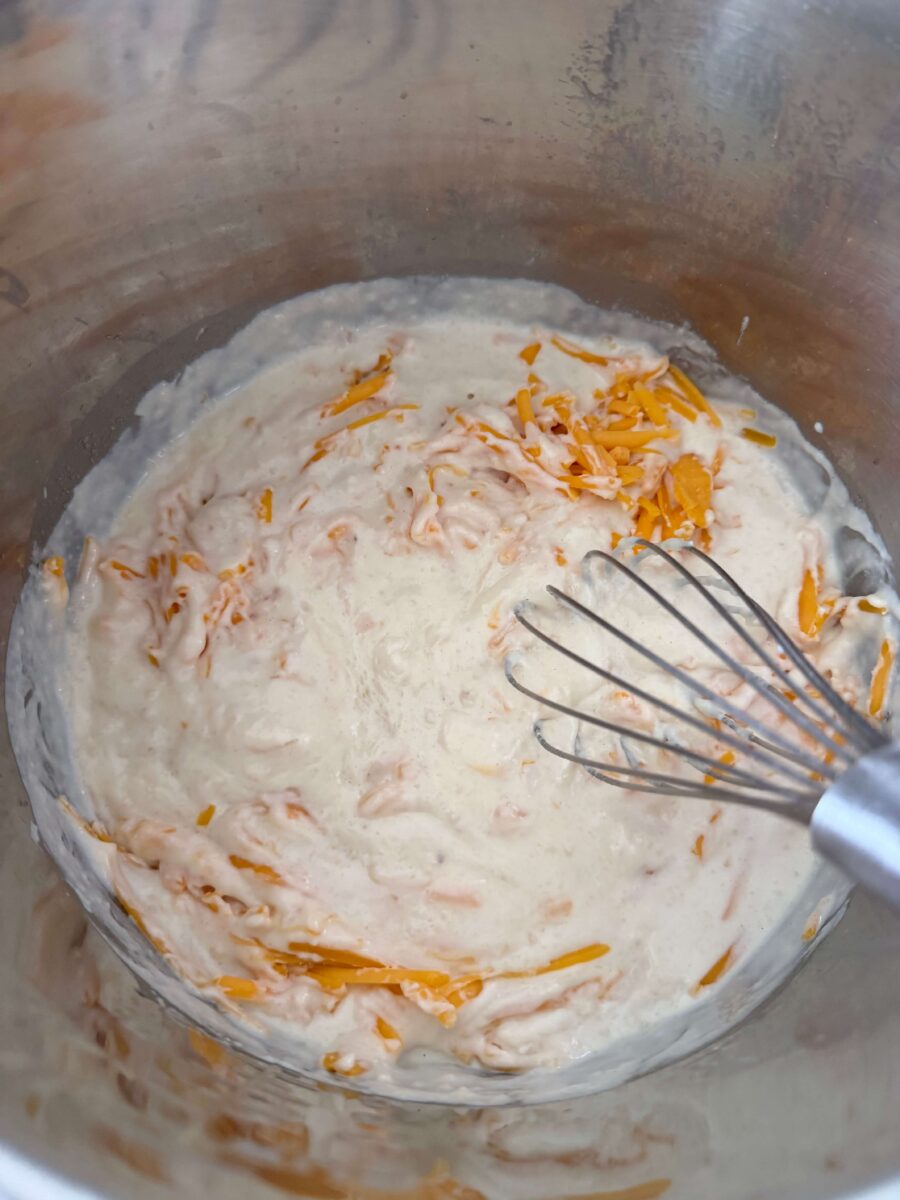
Following the preparation of the potatoes, the multi-cooker’s sauté function is employed to create a traditional roux—a cooked mixture of equal parts butter and flour. This serves as the thickening agent for the sauce. The gradual addition of half-and-half transforms the roux into a Béchamel, which becomes a Mornay sauce upon the melting of sharp cheddar cheese. This scratch-made approach allows the cook to control the salt content and ensure a velvety texture that canned substitutes cannot replicate.
Stage Three: The Layering and Final Bake
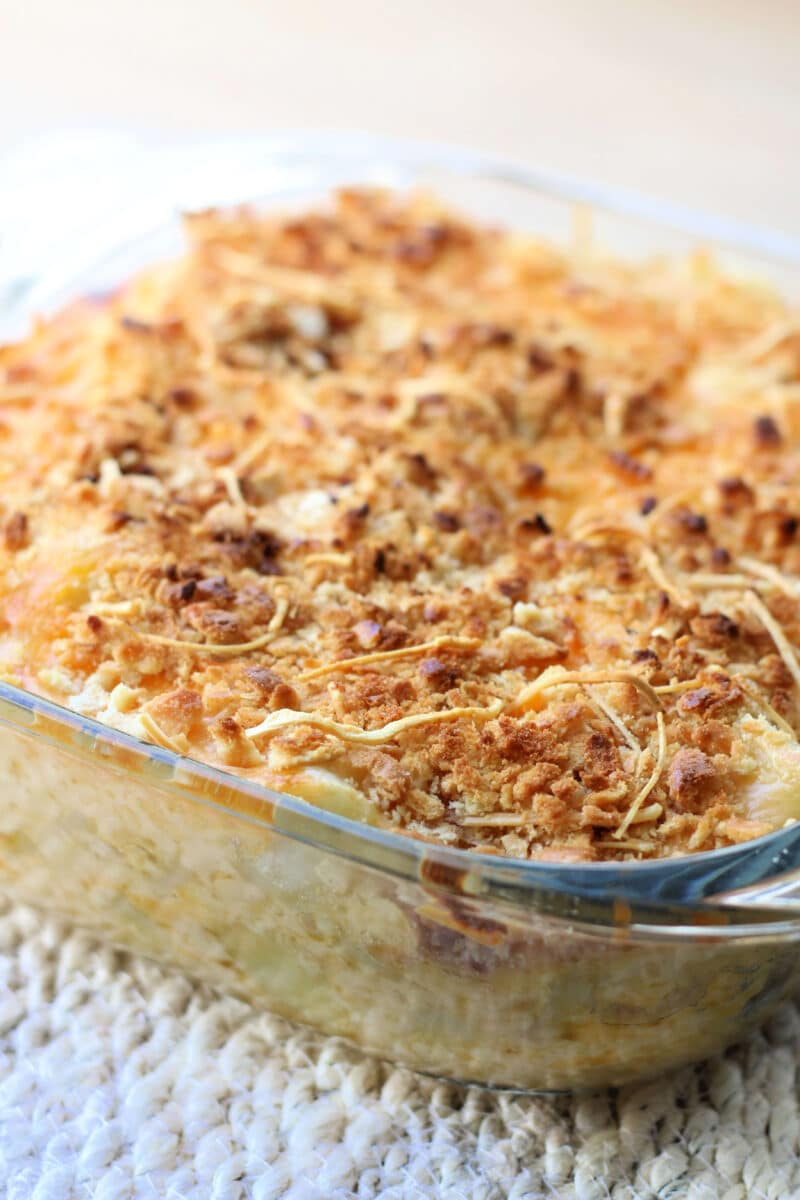
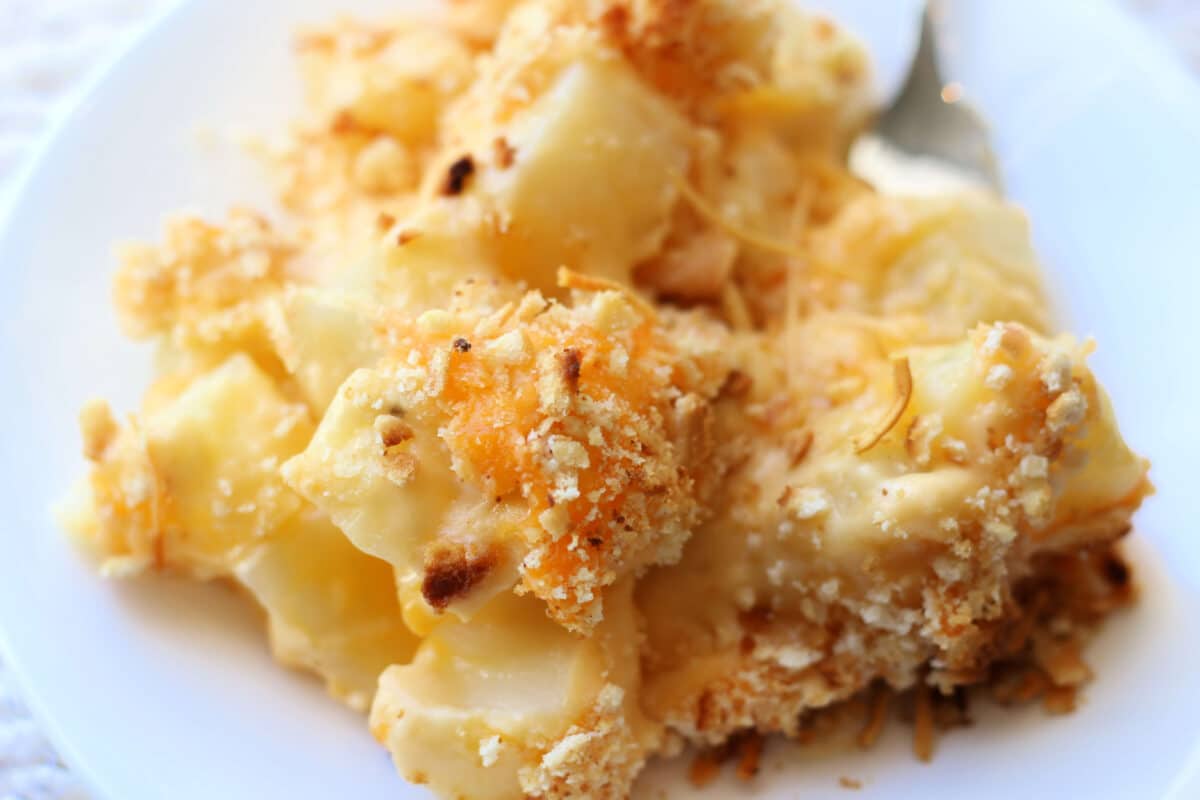
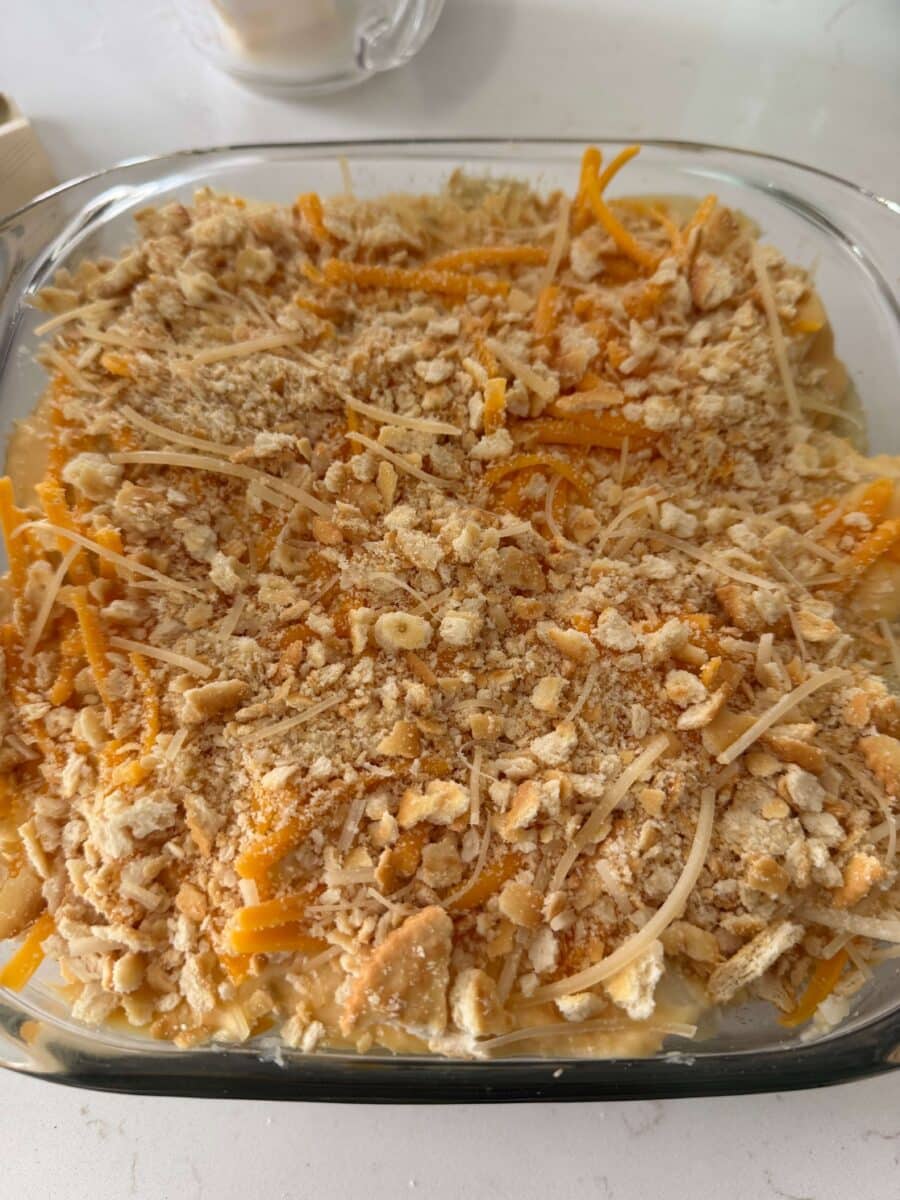
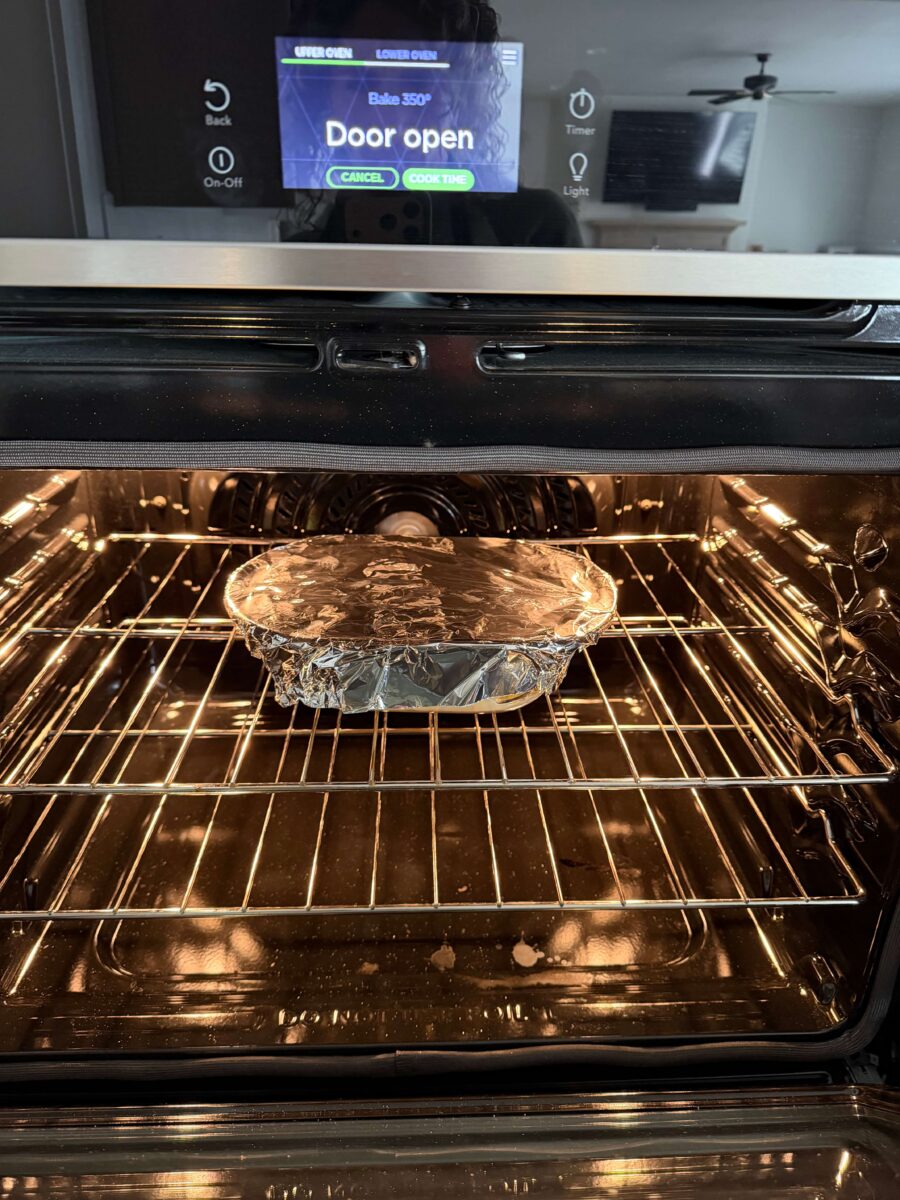
The final assembly involves a 9×9 inch baking dish where the components are layered to ensure even distribution of the cheese sauce. The casserole is then topped with crushed Ritz crackers mixed with Parmesan cheese. This topping is a hallmark of American mid-century cooking, providing a salty, buttery crunch that complements the soft interior. The baking process is split into two phases: a 30-minute period under foil to melt the internal layers and a 20-minute uncovered period to brown the cracker crust through the Maillard reaction.
Ingredient Composition and Market Trends
The ingredients selected for Grandma Grace’s Casserole reflect both economic practicality and a preference for high-quality staples. The choice of potatoes—typically Russet or Yukon Gold—provides the necessary starch content to bind with the cheese sauce.
Data from the National Potato Council indicates that potatoes remain the most consumed vegetable in the United States, with a significant portion of that consumption occurring during holiday periods. The rise of "comfort food" as a dominant consumer trend, particularly in the wake of the 2020 global pandemic, has seen a resurgence in recipes that prioritize satiety and nostalgic value.
Furthermore, the inclusion of Ritz crackers as a primary topping is a notable sociological detail. Launched by Nabisco in 1934 during the Great Depression, Ritz crackers were marketed as an "affordable luxury," allowing families to add a touch of sophistication to simple meals. Their persistence in modern recipes like Grandma Grace’s Casserole underscores their status as a permanent fixture in the American pantry.
Chronology of Preparation
To achieve the intended results, a specific chronological order must be maintained. The following timeline outlines the standard professional approach to executing the dish:

- Preparation (0-15 Minutes): Potatoes are peeled and cubed into large, uniform pieces to ensure even cooking. The oven is preheated to 350°F.
- Pressure Steaming (15-25 Minutes): Potatoes are cooked in the Instant Pot with 1.5 cups of water for a manual setting of 3 minutes, followed by a quick pressure release.
- Sauce Construction (25-40 Minutes): The pot is cleared, and the sauté function is used to melt butter, whisk in flour, and slowly incorporate half-and-half and salt. Cheddar cheese is stirred in until a cohesive sauce is formed.
- Assembly (40-50 Minutes): The dish is layered in a prepared baking pan: sauce, potatoes, sauce, cheese, and a repeat of the pattern.
- Baking (50-100 Minutes): The casserole is baked covered for 30 minutes and uncovered for an additional 20 minutes to achieve the desired golden-brown finish.
Culinary Analysis and Broader Implications
Grandma Grace’s Casserole is more than a mere side dish; it is a case study in the evolution of American home cooking. From a culinary perspective, the dish succeeds because it adheres to the principles of contrast: the softness of the potatoes against the crunch of the crackers, and the richness of the cheese sauce against the neutral earthiness of the starch.
From a social perspective, the dish highlights the importance of "buffet-style" foods in American communal life. Statements from home cooks and recipe testers often emphasize the dish’s "disappearing act"—its tendency to be the first item finished at social gatherings. This high rate of consumption suggests that despite changing dietary trends toward lighter, plant-based fare, there remains a significant and stable demand for traditional, calorie-dense comfort foods during social and celebratory events.
The adaptation of this recipe for the Instant Pot also reflects the "technological domestication" of the professional kitchen. Pressure cooking, once a daunting task reserved for experienced cooks using stovetop models, has become a push-button reality for millions of households. By applying this technology to an heirloom recipe, modern cooks are able to maintain a connection to their culinary heritage while accommodating the time constraints of contemporary life.

Conclusion
Grandma Grace’s Casserole continues to be a highly sought-after recipe because it satisfies a fundamental human desire for consistency and comfort. Its refined sauce, textural integrity, and historical roots in the American Midwest make it a standout example of the genre. As digital platforms continue to facilitate the sharing of these "legacy" dishes, the casserole remains a vital part of the American culinary dialogue, proving that some flavors are indeed timeless. The intersection of manual roux-making and high-tech pressure cooking within this single recipe serves as a perfect metaphor for the modern American kitchen: a place where the past is honored through the tools of the future.
