
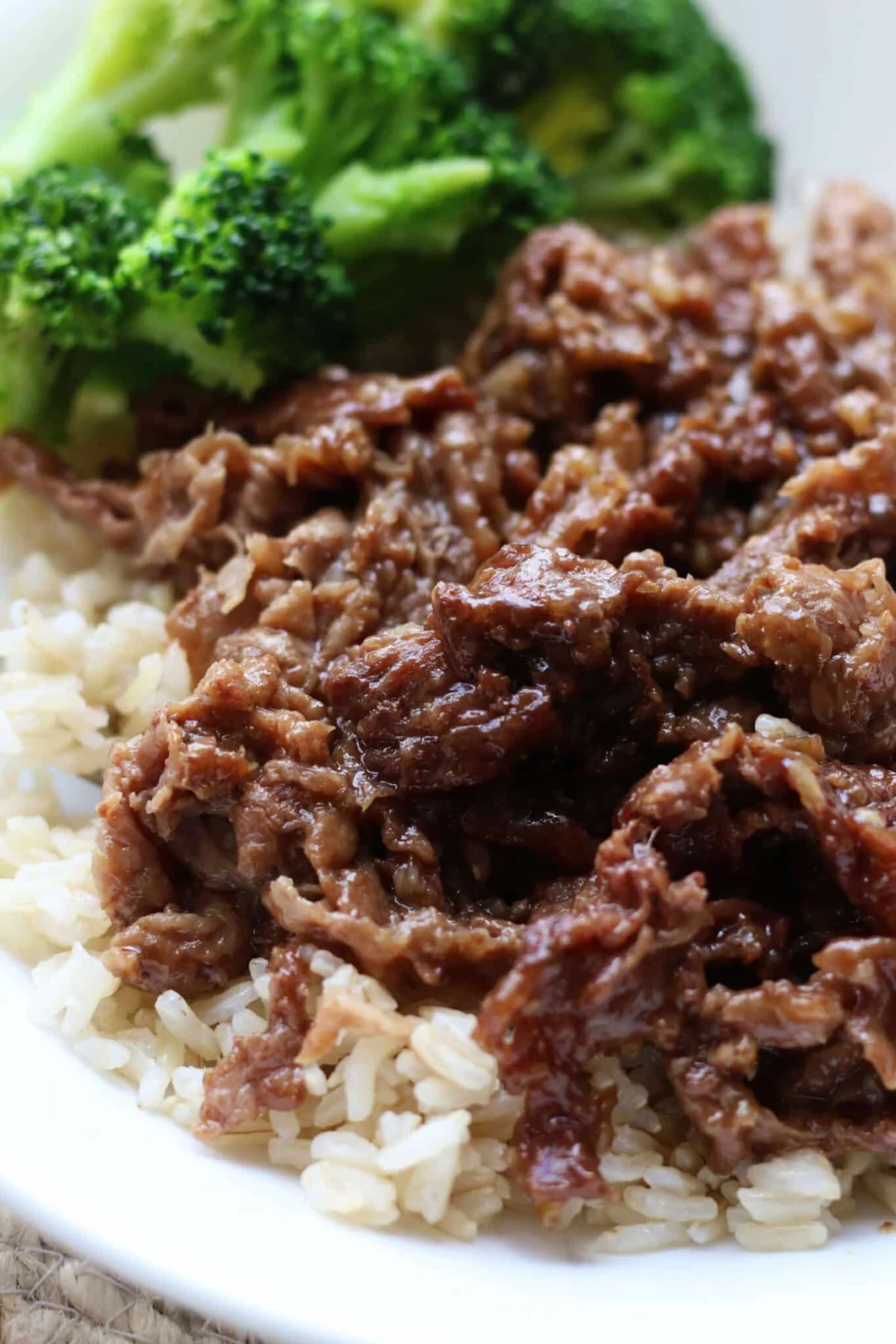
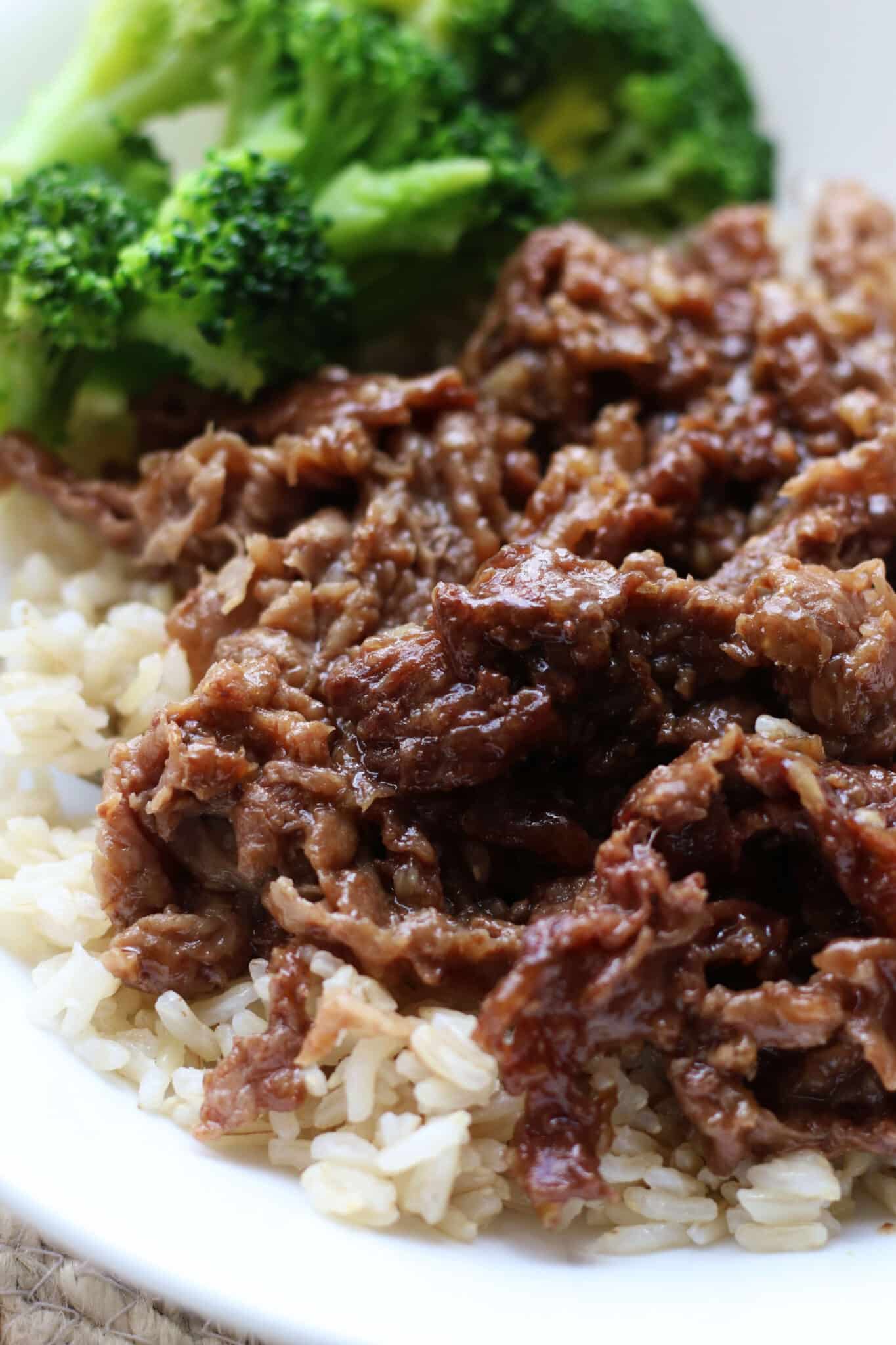
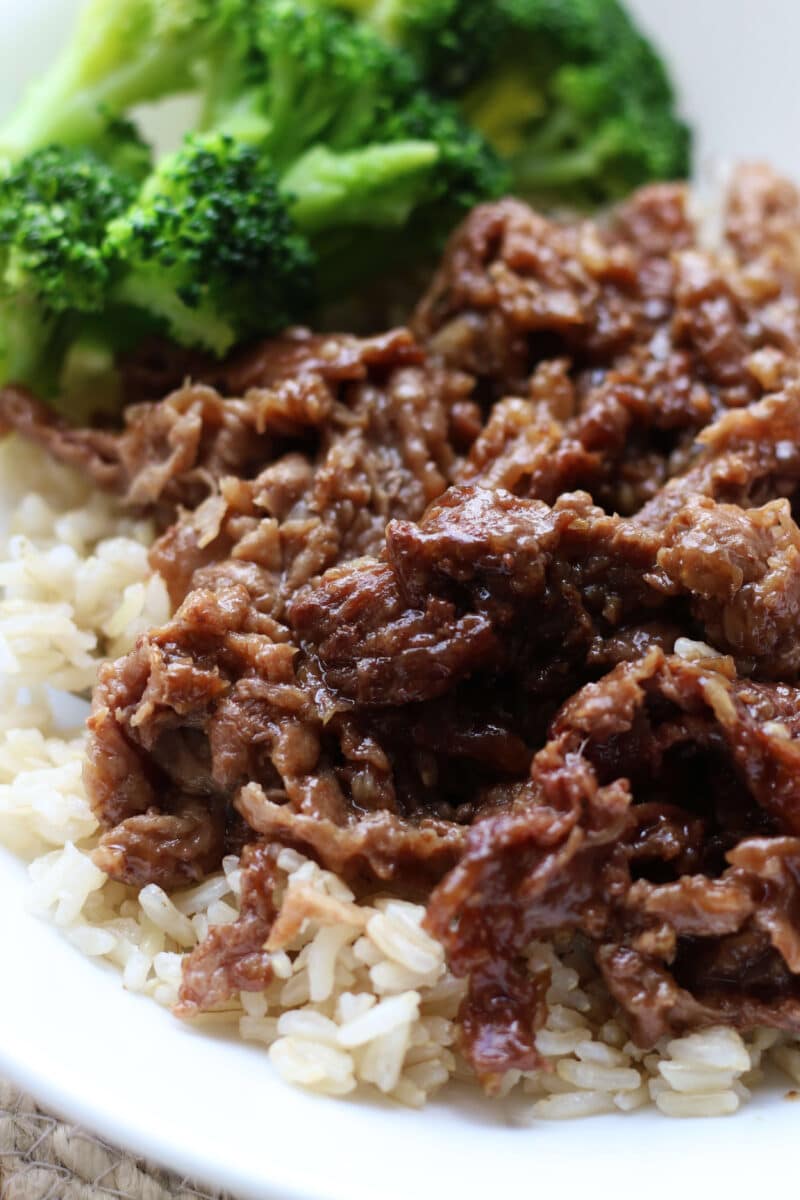
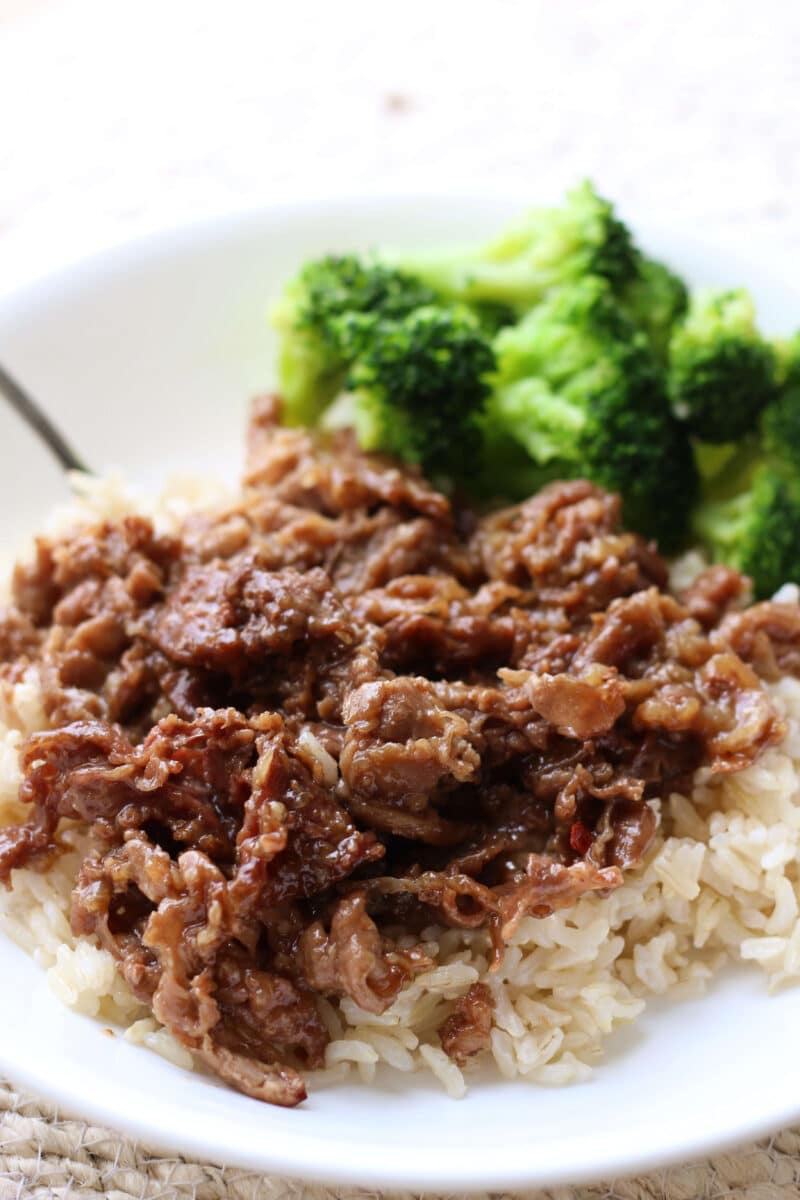
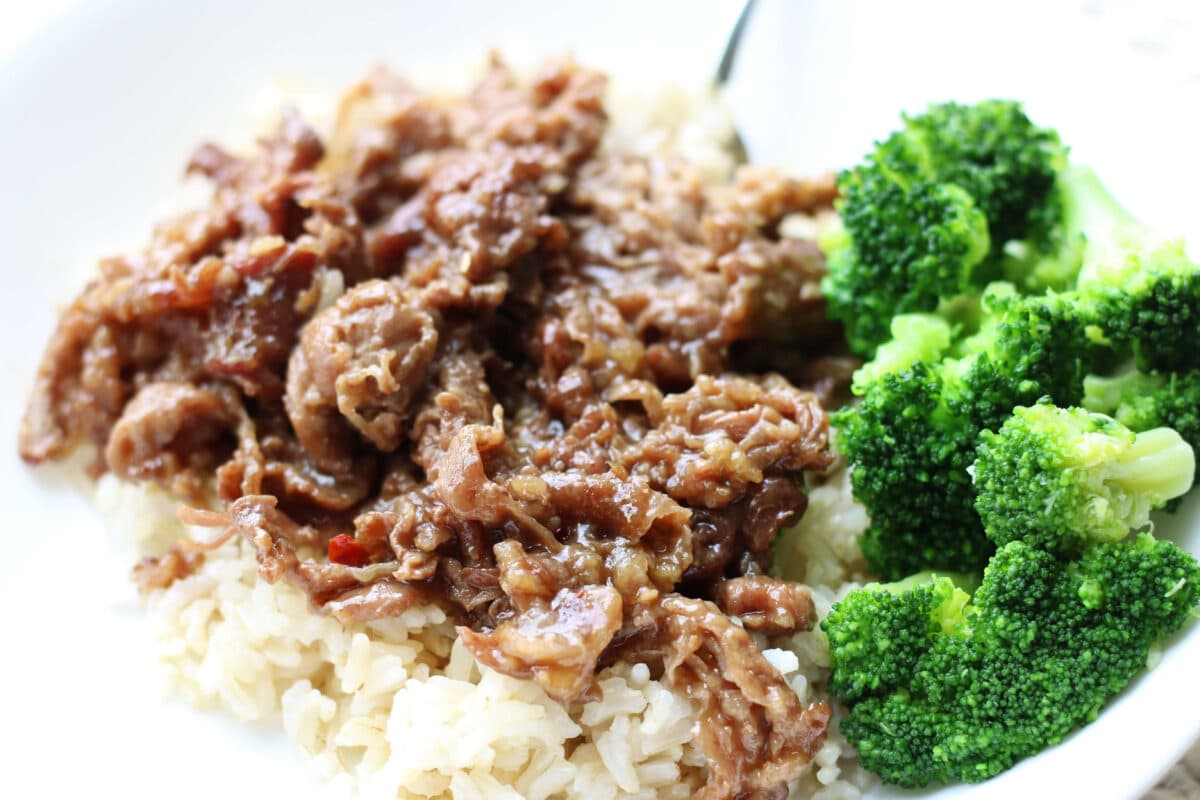
The modern culinary landscape is increasingly defined by the intersection of gourmet flavor and extreme time efficiency, a trend exemplified by the rising popularity of the 30 Minute Mongolian Beef. As household schedules become more demanding, the transition from restaurant-dependent dining to high-quality home preparation has necessitated recipes that can be executed in the narrow window between the professional workday and evening obligations. This specific iteration of Mongolian beef utilizes strategic ingredient sourcing—specifically the use of shaved steak—to bypass traditional labor-intensive preparation methods while maintaining the structural integrity and flavor profile of the classic dish.
The Historical and Cultural Context of Mongolian Beef
To understand the significance of a rapid-preparation Mongolian beef, one must first examine the dish’s origins. Contrary to its nomenclature, Mongolian beef does not originate from Mongolia. It is a cornerstone of Chinese-American cuisine, with its roots tracing back to the 1950s in Taiwan, during the rise of "Mongolian Barbecue" restaurants. These establishments were created by Wu Zhaonan, who chose the name "Mongolian" because it sounded exotic and robust, despite the cooking techniques being fundamentally related to stir-fry methods found in mainland China.
The dish traditionally features sliced flank steak, stir-fried with scallions or onions in a savory-sweet sauce characterized by soy sauce, brown sugar, ginger, and garlic. The "30-minute" adaptation represents a significant evolution in this lineage, prioritizing the speed of the Maillard reaction—the chemical process that gives browned food its distinctive flavor—through the use of ultra-thinly sliced meats.
The Strategic Shift to Shaved Steak
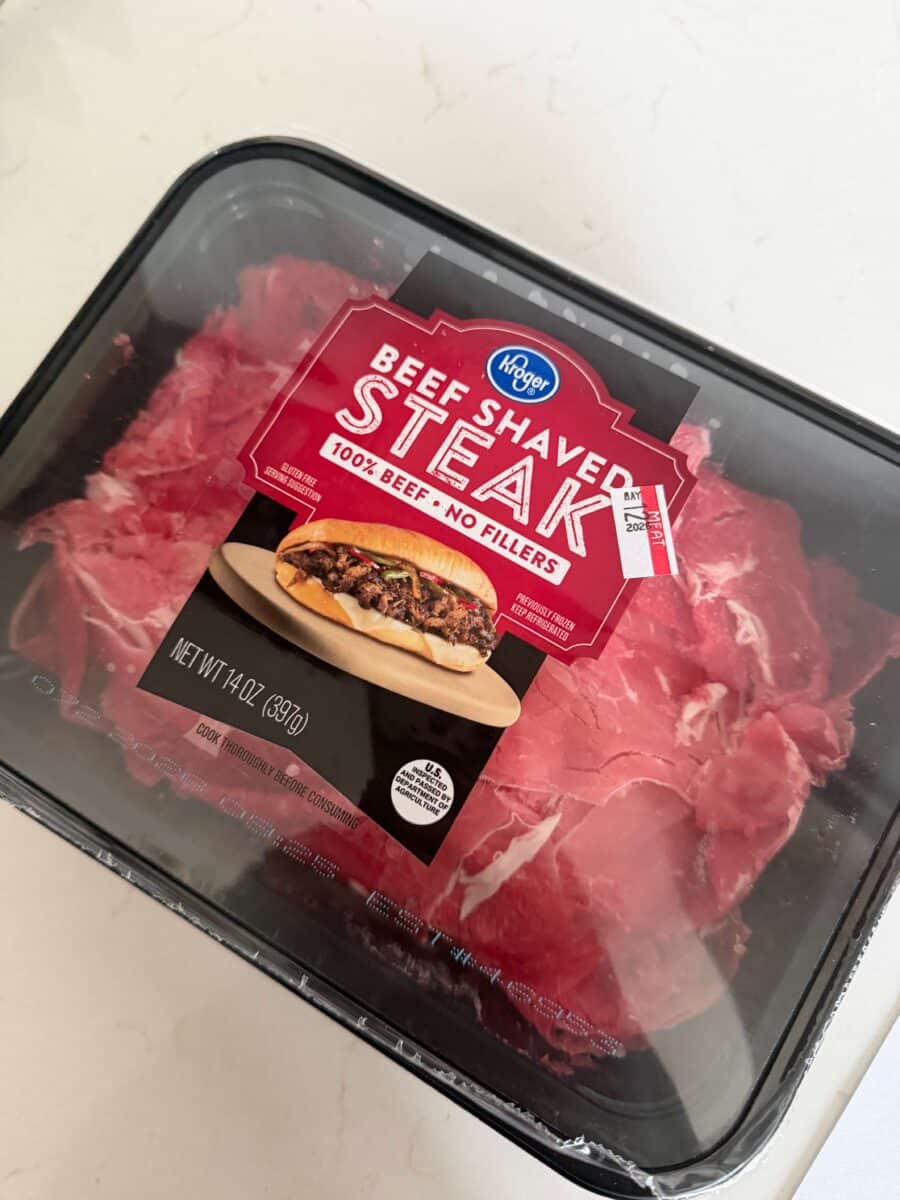
A primary barrier to traditional Mongolian beef preparation at home is the time required for slicing meat against the grain and the subsequent "velveting" process—a Chinese cooking technique involving marinating meat in cornstarch and oil or egg whites to ensure tenderness during high-heat frying. The 30-minute methodology eliminates this requirement by utilizing "shaved steak."
Retailers such as Kroger and its subsidiary Smith’s have seen a surge in the availability of pre-packaged shaved steak. Historically reserved for Philadelphia cheesesteaks, this product consists of beef—often ribeye or top round—sliced to a thickness of mere millimeters. Because the surface-area-to-volume ratio is so high, the meat browns almost instantly upon contact with a high-heat pan, effectively bypassing the need for long marination or specialized tenderizing techniques. This shift in sourcing reflects a broader market trend where grocery chains provide "semi-prep" ingredients to cater to the time-poor consumer.
Chronology of Preparation: A High-Efficiency Workflow
The success of the 30 Minute Mongolian Beef relies on a specific sequence of operations designed to maximize efficiency. The process is divided into three primary phases: protein searing, sauce emulsification, and final thickening.
Phase I: The Searing Process
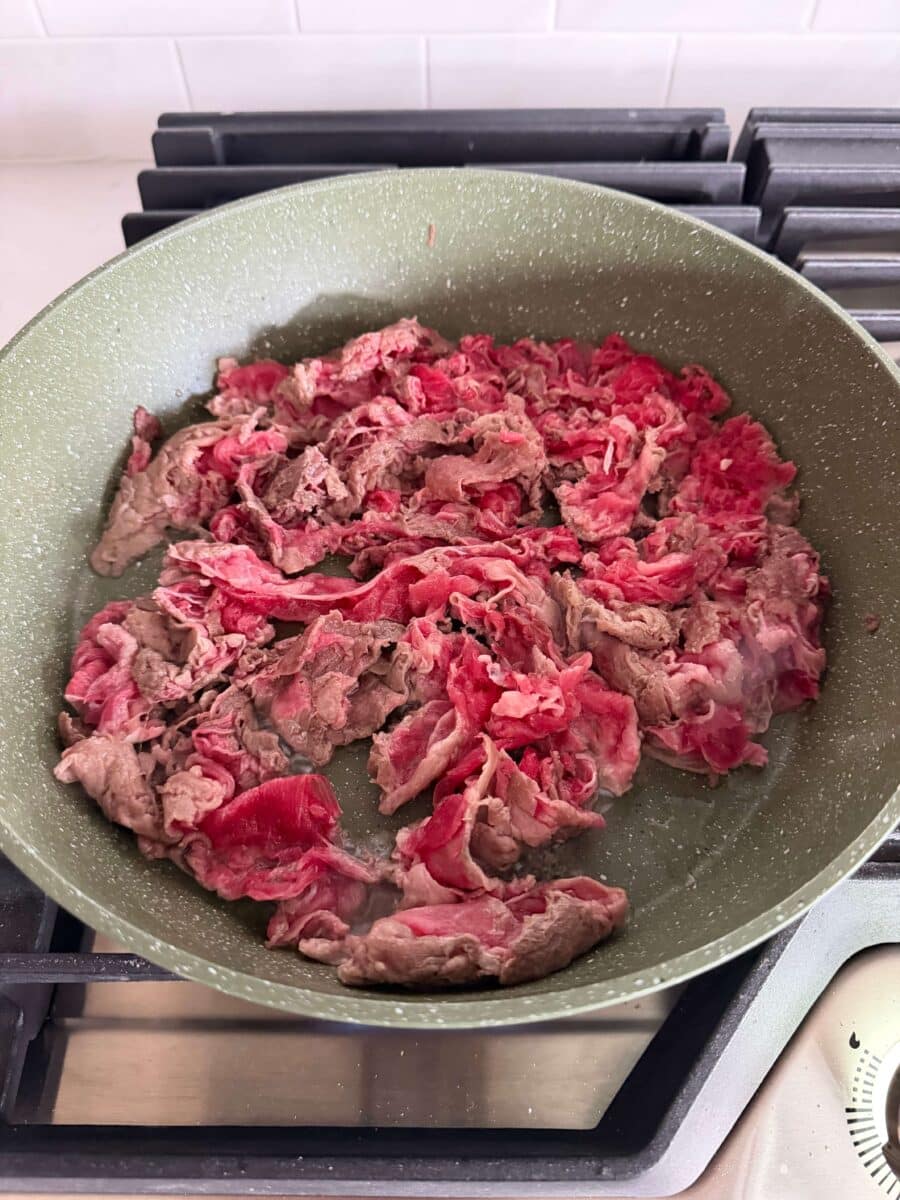
The procedure begins with the heating of a large skillet or wok over medium-high heat. A neutral oil with a high smoke point is introduced to the pan. Once the oil reaches a shimmering state, the shaved steak is added. Due to the thinness of the meat, the browning process occurs rapidly. This step is critical for developing the base flavors of the dish; the high heat triggers the Maillard reaction, creating complex molecules that provide the "savory" or umami depth necessary to balance the forthcoming sugar in the sauce.
Phase II: Aromatics and Sauce Integration
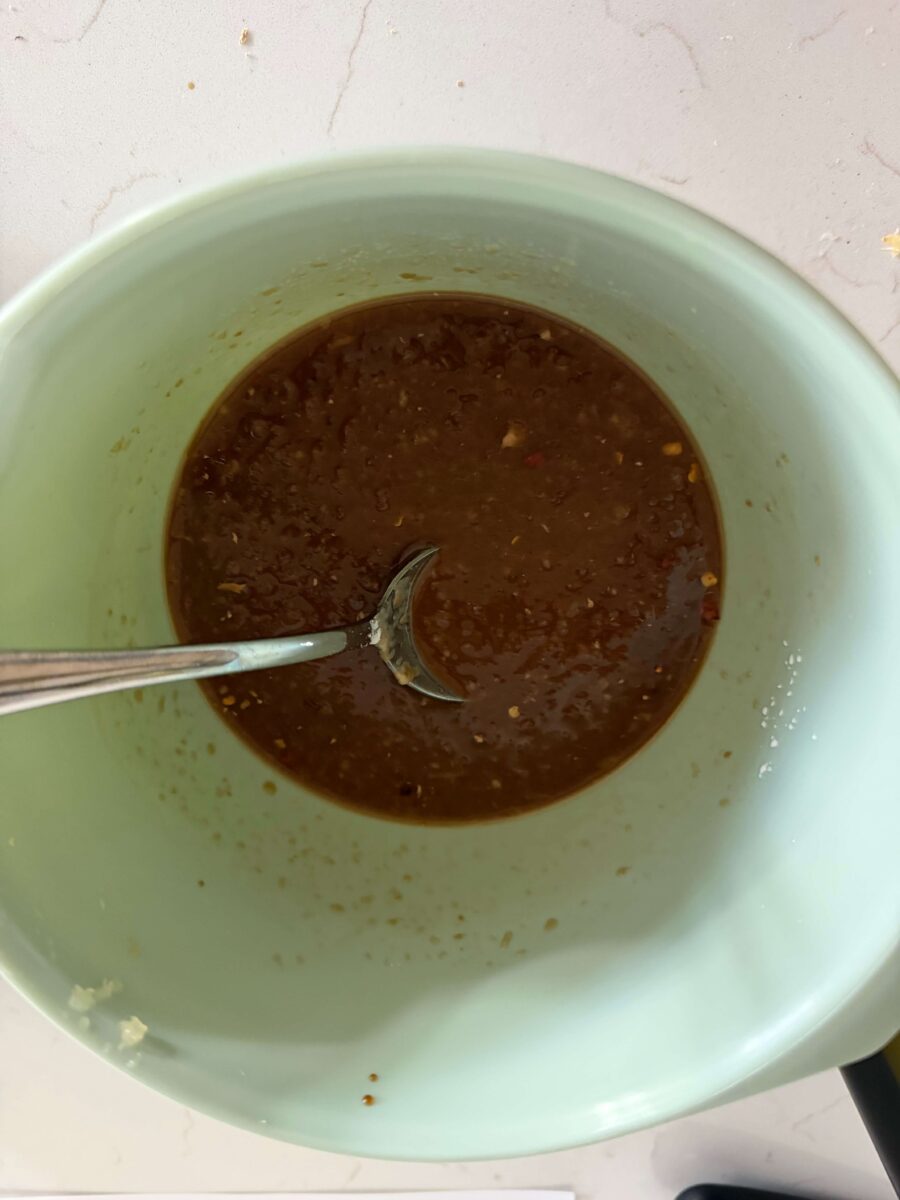
While the meat undergoes browning, the chef prepares the liquid components. This mixture typically involves:
- Aromatics: Freshly grated ginger and minced garlic, which provide the pungent, spicy top notes.
- The Base: Soy sauce provides salinity and fermented depth.
- The Sweetener: Brown sugar, which introduces molasses notes and aids in the eventual caramelization of the sauce.
- Heat: Red pepper flakes, added to provide a subtle back-end warmth.
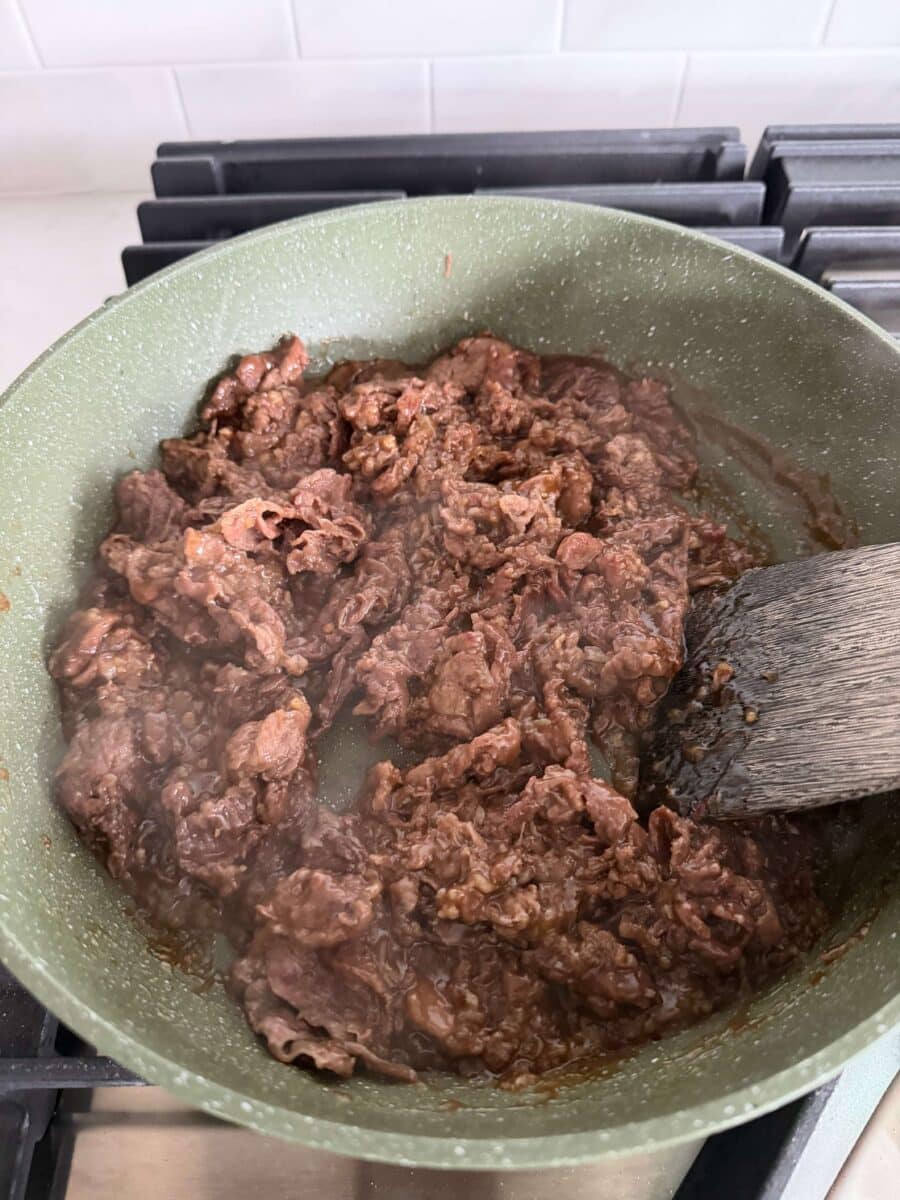
Once the meat is browned, the heat is adjusted to medium, and the sauce mixture is introduced directly into the pan. This deglazes the skillet, incorporating any browned bits of meat (fond) back into the liquid.
Phase III: The Cornstarch Slurry and Final Reduction
The final stage involves simmering the mixture for several minutes to allow the flavors to meld. To achieve the signature "cling" of restaurant-style Mongolian beef, a cornstarch slurry—consisting of equal parts cornstarch and cold water—is stirred into the simmering sauce. As the temperature rises, the starch granules undergo gelatinization, thickening the liquid into a rich, glossy glaze that coats each strip of beef.
Nutritional Analysis and Dietary Adaptations
From a nutritional standpoint, the 30 Minute Mongolian Beef offers several advantages over its commercial counterparts. Restaurant versions of the dish are frequently criticized for excessive sodium and sugar content. By preparing the dish at home, consumers can exercise precise control over these variables.
Sugar Calibration
The standard recipe calls for approximately 1/3 cup of brown sugar to achieve the traditional flavor profile. However, health-conscious adaptations suggest reducing this to 1/4 cup or substituting with alternative sweeteners like honey or coconut sugar. This reduction significantly lowers the glycemic load of the meal without compromising the essential savory-sweet contrast.
Grain Selection
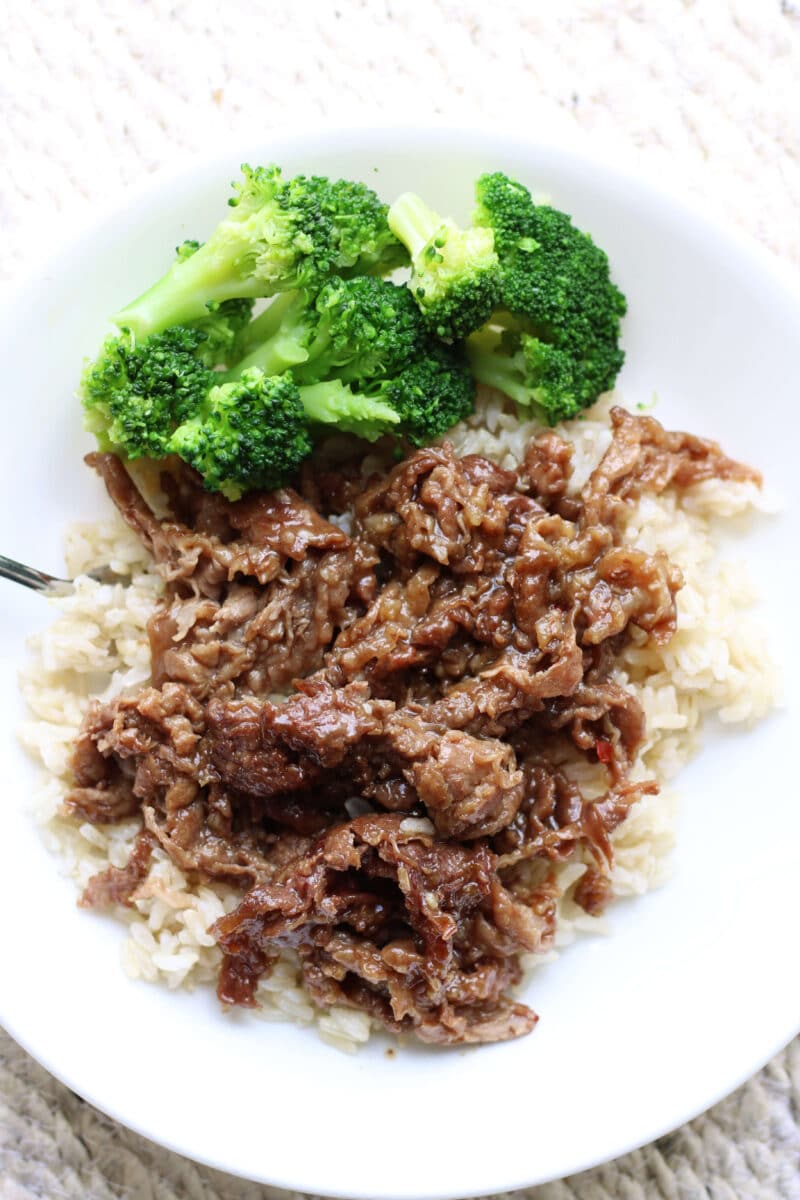
The choice of accompaniment plays a vital role in the meal’s nutritional density. While white jasmine rice is traditional, the integration of brown rice—which can be prepared efficiently in an Instant Pot or pressure cooker—adds essential fiber and a nutty flavor profile that complements the richness of the garlic-soy glaze.
Protein Substitutions
For those seeking to further reduce prep time or cost, lean ground beef serves as a viable substitute for shaved steak. While this alters the texture from a traditional stir-fry to more of a "Mongolian crumble," the flavor profile remains consistent, making it an excellent option for "meal prepping" or budget-conscious households.
Market Trends: The Rise of the "Fakeaway"
The 30 Minute Mongolian Beef is a flagship example of the "fakeaway" movement—a portmanteau of "fake" and "takeaway." This trend has gained significant traction as inflation and the rising cost of delivery services have made restaurant dining less accessible for the average family.
Data from consumer research groups indicate that the average cost per serving for a home-cooked Mongolian beef meal is approximately 60-70% lower than the equivalent dish ordered through a delivery app. Furthermore, the 30-minute execution time rivals, and often beats, the "order-to-door" time of most urban delivery services. This economic reality is driving a resurgence in home cooking, specifically targeting "copycat" recipes of popular Asian-fusion dishes.
Broader Implications for Home Gastronomy
The move toward rapid, high-quality home cooking reflects a shift in how society views the kitchen. It is no longer merely a place for labor-intensive tradition or, conversely, microwave convenience. Instead, it has become a space for "culinary assembly," where high-quality retail products (like shaved steak) are combined with fresh aromatics to produce professional-grade results.
The 30 Minute Mongolian Beef also highlights the importance of versatile kitchen hardware. The mention of the Instant Pot for rice preparation underscores a broader reliance on multi-functional appliances that allow for parallel cooking. While the beef sears on the stovetop, the pressure cooker handles the grains, ensuring that all components of the meal reach the table simultaneously.
Conclusion: Efficiency as a Culinary Value
Ultimately, the 30 Minute Mongolian Beef is more than just a recipe; it is a solution to the modern dilemma of the "busy weeknight." By leveraging the speed of shaved steak and the science of the cornstarch slurry, home cooks can replicate the complex flavors of a storied Chinese-American classic in less time than it takes to watch a news broadcast.
As grocery retailers continue to expand their offerings of pre-sliced, high-quality proteins, the barriers to entry for home-cooked gourmet meals will continue to fall. This dish stands as a testament to the fact that quality does not always require hours of labor—sometimes, it only requires thirty minutes and the right strategy. For the modern consumer, the ability to produce a rich, sweet-and-savory garlic soy beef at home is not just a culinary skill; it is an essential component of a balanced, cost-effective, and healthy lifestyle.
