
The emergence of home-based culinary replication, colloquially known as "copycat recipes," has transformed from a niche hobby into a significant segment of the digital food media industry. Among the most sought-after recreations is the signature meatloaf from Cracker Barrel Old Country Store, a dish that has come to symbolize American Southern comfort food. This particular iteration of the recipe distinguishes itself through a specific combination of ground proteins, the substitution of traditional breadcrumbs with buttery crackers, and the integration of sharp cheddar cheese, all finished with a signature sweet and tangy glaze. As domestic food costs and the desire for high-quality home-cooked meals continue to influence consumer behavior, the formalization of these restaurant-style recipes provides a bridge between commercial dining experiences and the domestic kitchen.
The Composition of a Cultural Staple
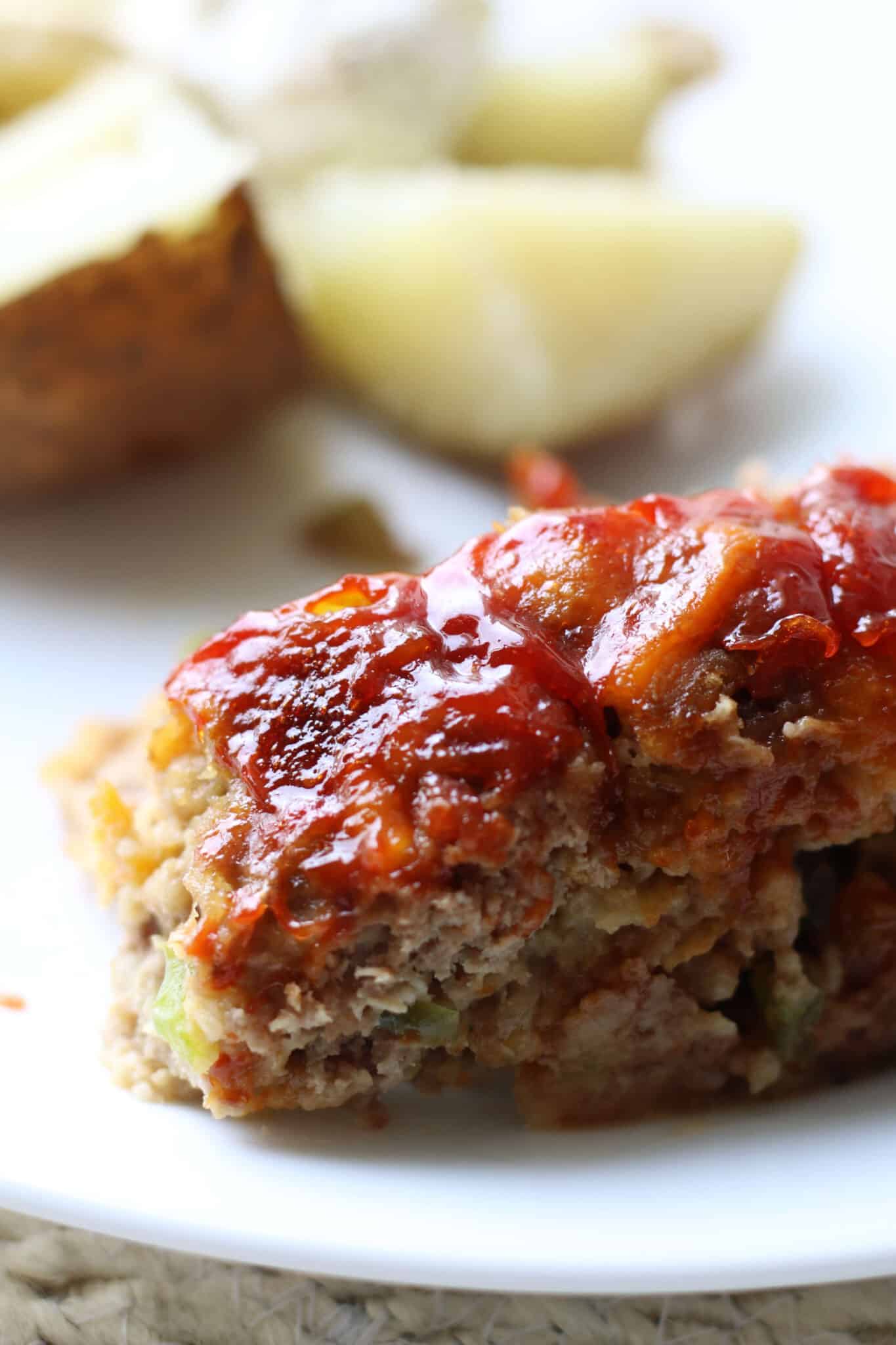
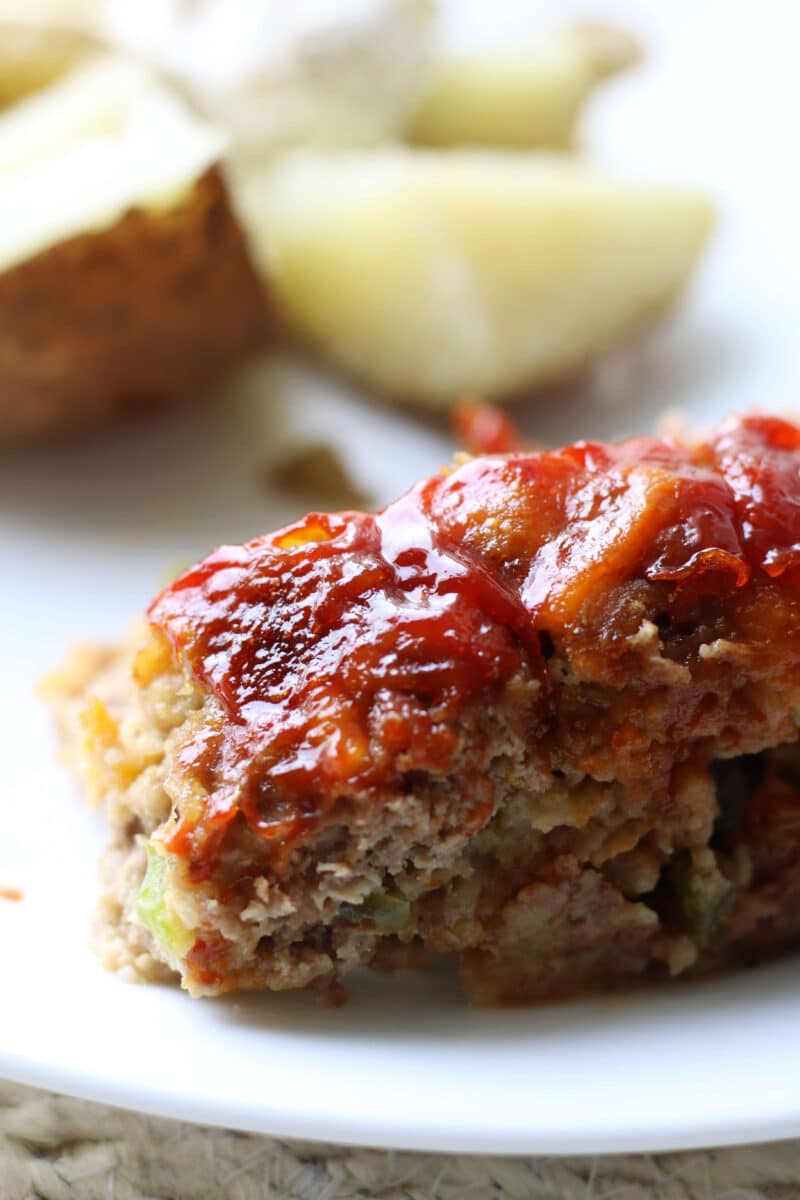
The Cracker Barrel meatloaf is widely recognized for its moist texture and complex flavor profile, which departs from the more utilitarian versions of the dish that gained popularity in the mid-20th century. At the core of the "copycat" version is a dual-protein strategy, utilizing a blend of ground beef and ground turkey. This mixture is not merely a caloric consideration; the lean nature of turkey, when combined with the higher fat content of ground beef, creates a balanced texture that resists the greasiness often associated with all-beef loaves.
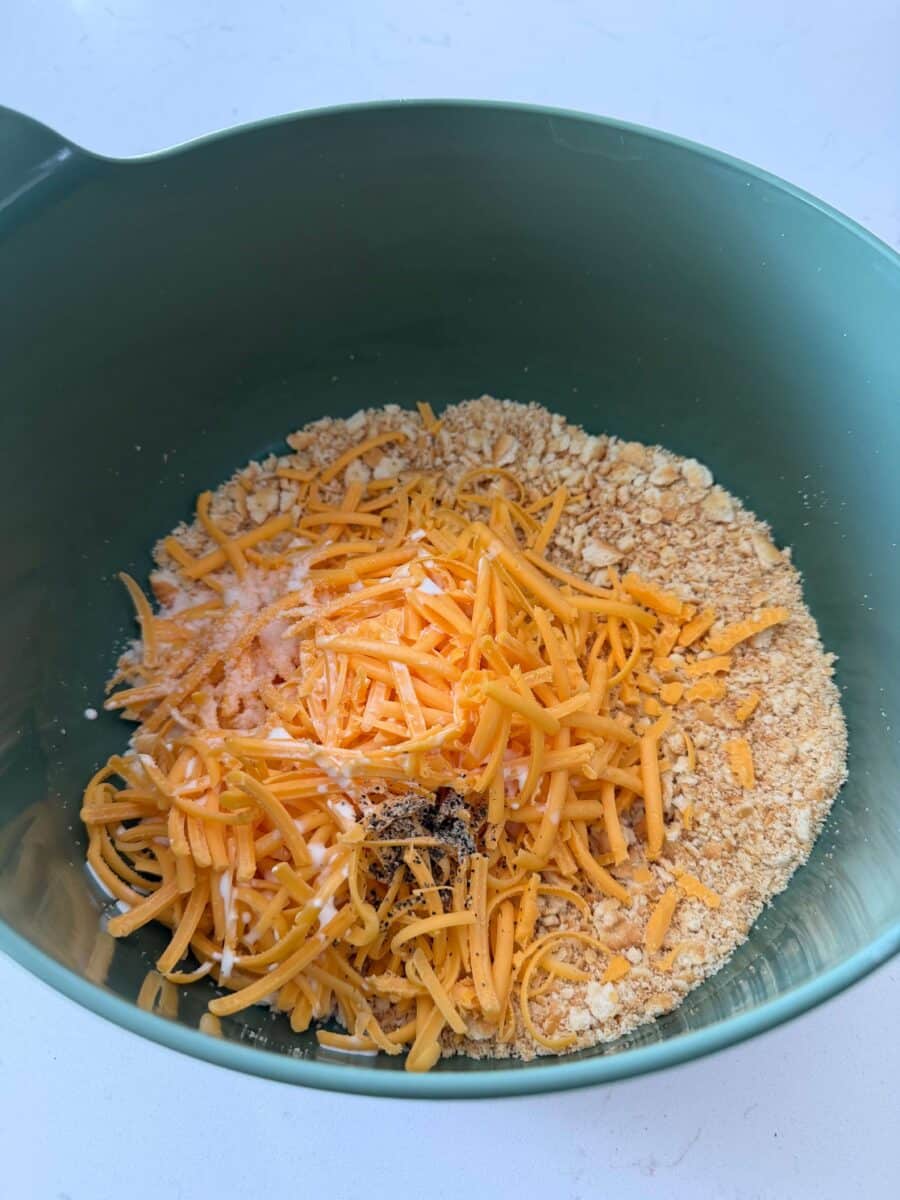
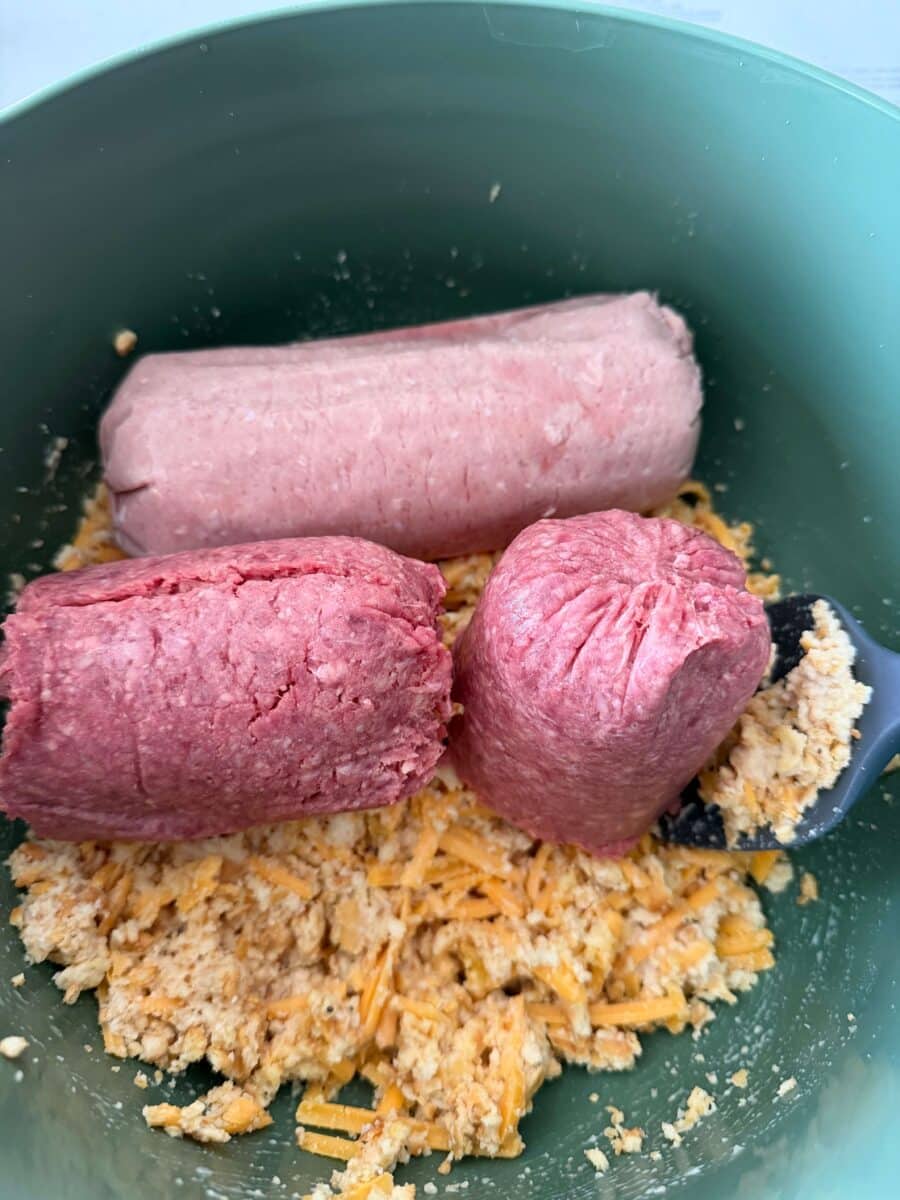
A defining characteristic of this recipe is the binder. While standard meatloaf recipes typically call for dried breadcrumbs or soaked white bread, the Cracker Barrel-inspired version utilizes crushed Ritz crackers. This choice introduces a higher fat content and a distinct buttery saltiness to the internal structure of the loaf. Furthermore, the inclusion of one full cup of shredded cheddar cheese acts as an internal basting agent; as the cheese melts during the convection process, it distributes moisture throughout the meat, preventing the common issue of "dry-out" during the extended baking time required for dense meat structures.
Technical Chronology of Preparation
The preparation of the Copycat Cracker Barrel Meatloaf follows a precise chronological sequence designed to maximize flavor extraction and structural integrity. The process begins with the "aromatic foundation," a step often overlooked in simplified recipes.
- Vegetable Tempering: Rather than incorporating raw vegetables directly into the meat—which can result in uneven textures and pockets of excessive moisture—the recipe mandates sautéing finely diced onions and green bell peppers in oil over medium-high heat for five to seven minutes. This allows for the caramelization of natural sugars and ensures the vegetables are softened before they enter the oven.
- Binder Integration: In a separate large mixing vessel, the crushed crackers are combined with eggs, half-and-half, and seasonings. This creates a "panade-like" substance. The use of half-and-half instead of standard milk provides a richer mouthfeel and contributes to the structural stability of the final product.
- The Cold Mix: Once the sautéed aromatics have cooled sufficiently to prevent premature cooking of the proteins, they are folded into the binder. The ground beef and turkey are then added. Professional culinary standards suggest mixing by hand to ensure even distribution without overworking the meat, which can lead to a tough, rubbery consistency.
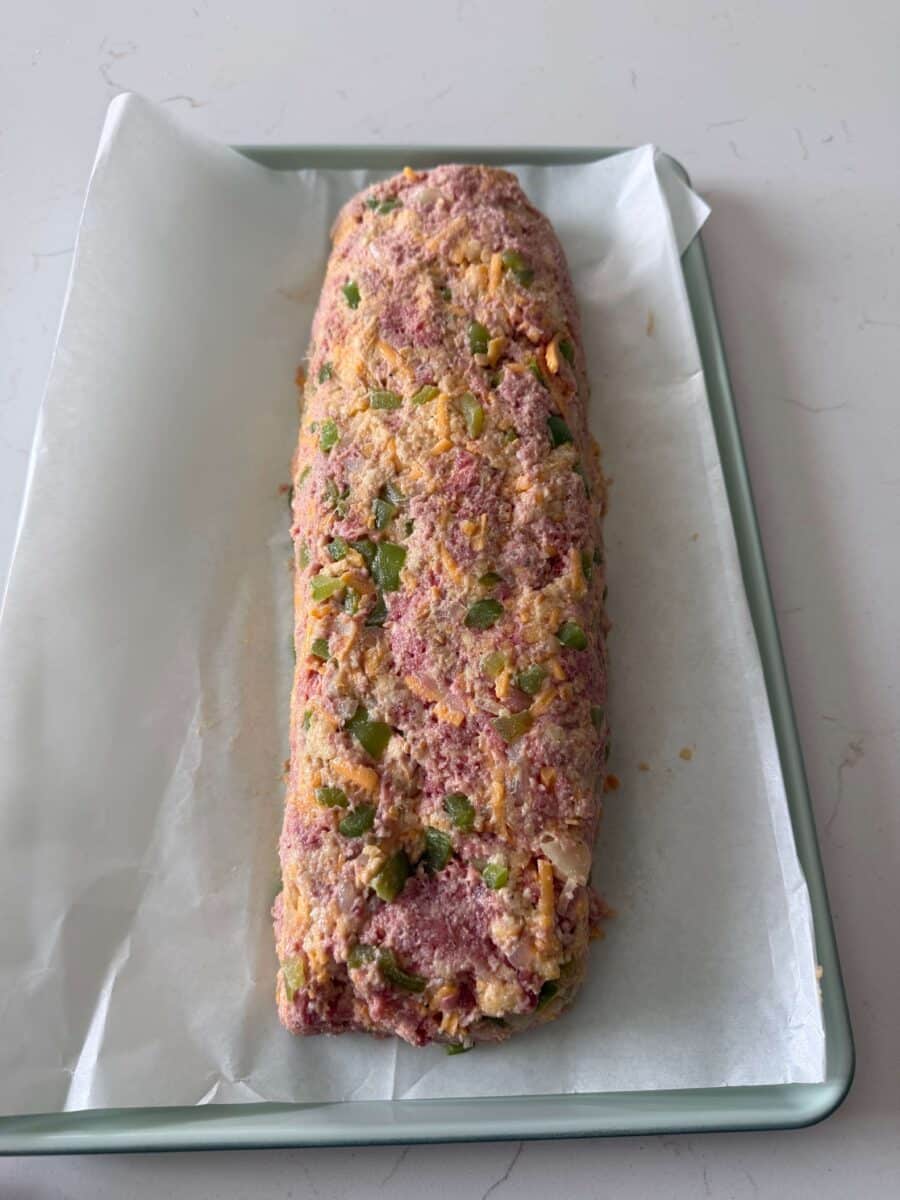
- Structural Formatting: The mixture is shaped into a 9-inch by 3-inch loaf. Unlike meatloaf baked in a traditional loaf pan, which essentially steams in its own rendered fats, this recipe utilizes a sheet pan. This allows for maximum surface area exposure, facilitating the Maillard reaction across the exterior of the loaf.
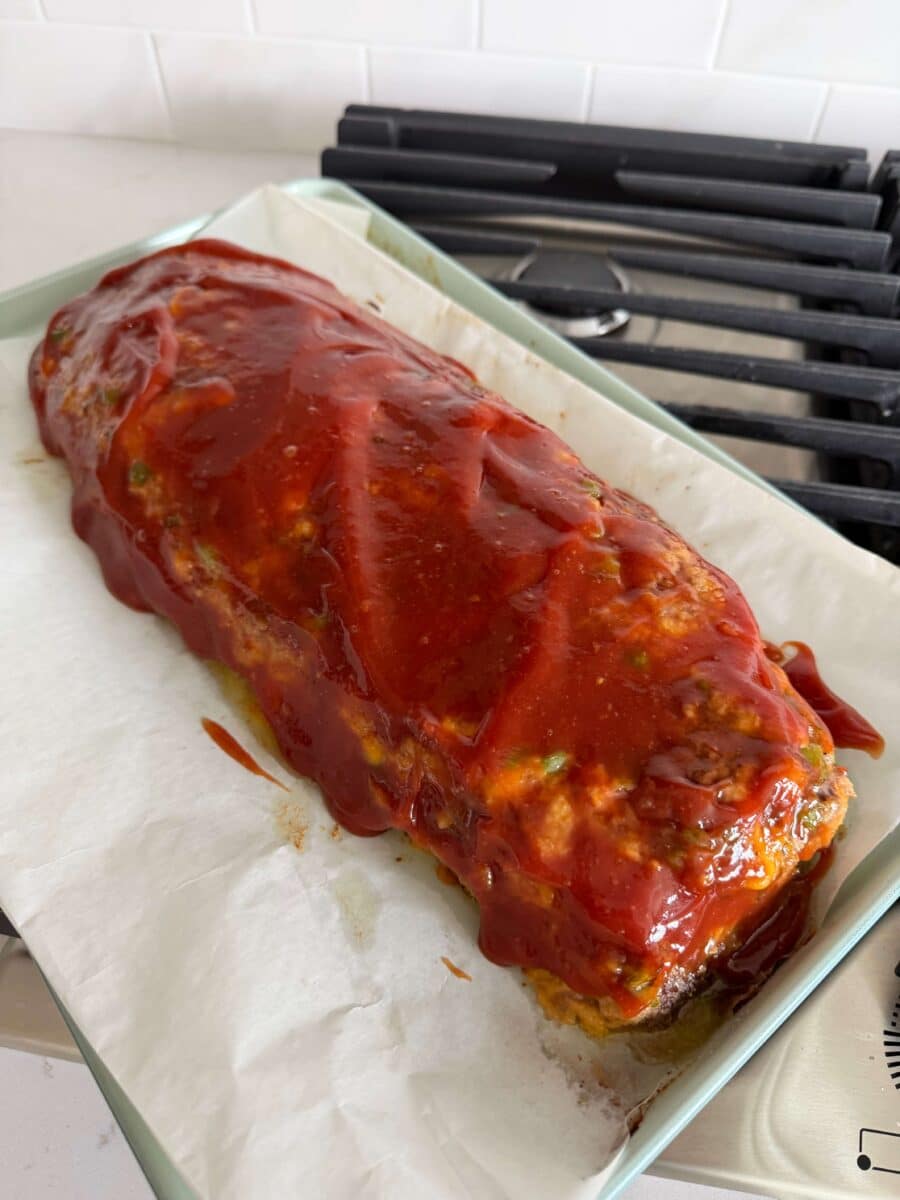
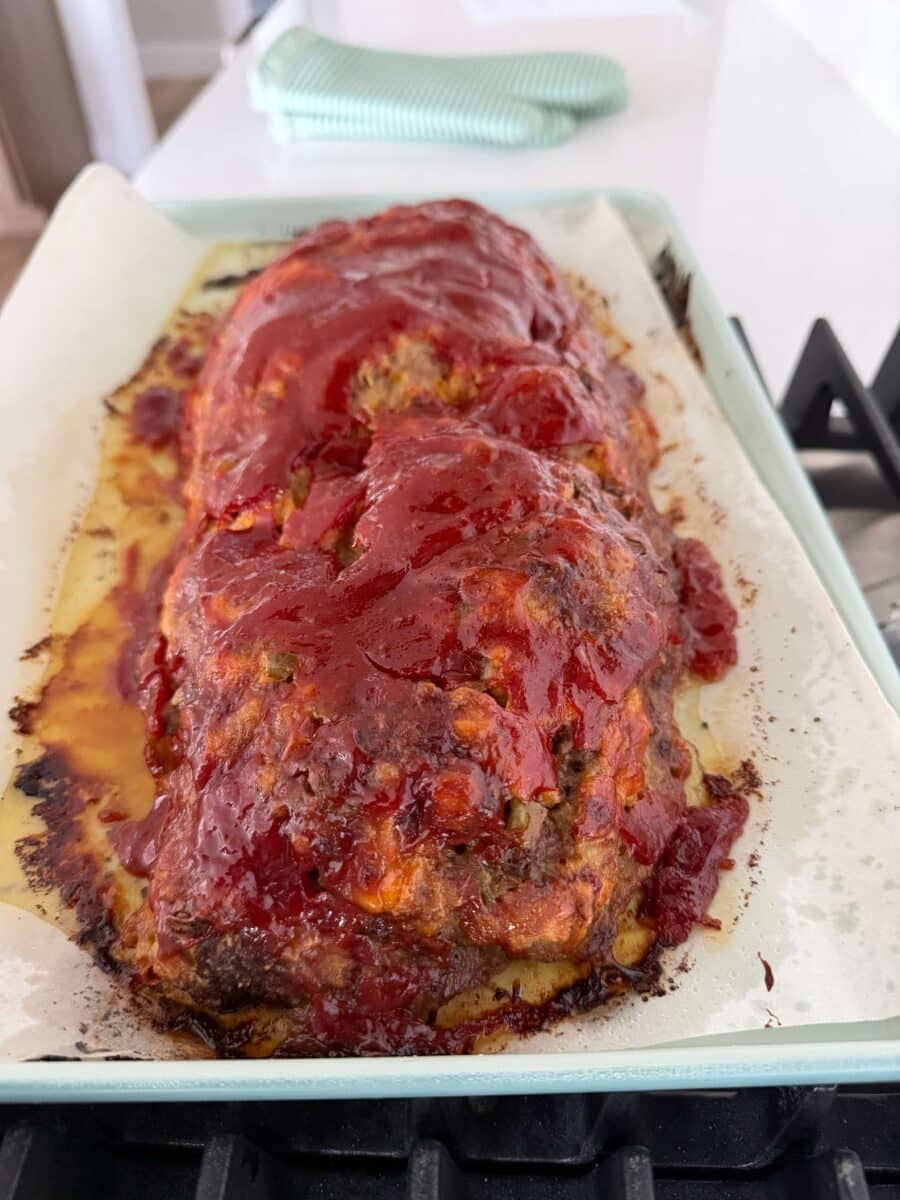
- Bifurcated Baking and Glazing: The loaf is subjected to an initial 30-minute bake at 350°F. During this window, the glaze—a mixture of ketchup, brown sugar, and mustard—is prepared. The glaze is applied only after the initial set, then returned to the oven for a final 30 minutes. This two-stage process ensures the glaze thickens into a tacky, professional-grade finish rather than thinning out or burning.
Historical Context and the Rise of the Copycat Movement
To understand the popularity of the Cracker Barrel meatloaf, one must look at the history of the restaurant chain itself. Founded in 1969 by Dan Evins in Lebanon, Tennessee, Cracker Barrel was designed to appeal to highway travelers by offering a consistent, nostalgic "home-cooked" experience. Meatloaf was a natural fit for this brand identity.
Meatloaf itself has a storied history in the United States, tracing its roots back to the 5th-century Roman collection of recipes, Apicius. However, it became an American icon during the Great Depression. During this era, meatloaf was a "stretcher" meal, allowing families to extend expensive protein by adding inexpensive fillers like cereal, crackers, and scraps. In the post-war era, it transitioned into a symbol of domestic stability.
The modern "copycat" movement, spearheaded by digital platforms such as 365 Days of Crockpot and The Cookie Rookie, represents a new chapter in this history. According to market research on home cooking trends, approximately 65% of American consumers expressed a desire to replicate restaurant flavors at home to save money without sacrificing the "luxury" of professional seasoning profiles. The Cracker Barrel meatloaf recipe is a primary beneficiary of this trend, consistently ranking as a top-searched item in the comfort food category.
Supporting Data and Culinary Science
The success of this recipe can be explained through the lens of food science. The use of a 350°F (approx. 177°C) oven is the "sweet spot" for meatloaf. It is high enough to trigger the Maillard reaction—the chemical reaction between amino acids and reducing sugars that gives browned food its distinctive flavor—but low enough to allow the center of a three-inch-thick loaf to reach the USDA-recommended internal temperature of 160°F without charring the exterior.
Data regarding the use of binders shows that crackers like Ritz have a different starch-to-fat ratio than standard breadcrumbs. While breadcrumbs absorb moisture, the fats in the crackers contribute to a "melt-in-the-mouth" texture. Furthermore, the acidity in the mustard and ketchup glaze serves a functional purpose: it cuts through the richness of the beef and cheddar cheese, providing a balanced sensory experience.
Market Reactions and Industry Implications
The availability of high-quality copycat recipes has created a unique dynamic in the food service industry. While some might suggest that these recipes could deter restaurant visits, industry analysts often argue the opposite. The "Cracker Barrel effect" suggests that replication at home often reinforces brand loyalty. When a home cook successfully recreates a signature dish, it strengthens the emotional connection to the original brand.
Furthermore, the adaptation of such recipes—such as the suggestion to use ground turkey as a substitute or to halve the recipe for smaller households—reflects the shifting demographics of the American kitchen. With an increase in single-person households and a growing focus on lean protein consumption, the flexibility of the Copycat Cracker Barrel Meatloaf makes it more accessible than the static menu item found in the restaurant.
Broader Impact and Nutritional Evolution
While traditional Southern cooking is often criticized for its caloric density, the "copycat" version allows for modern nutritional adjustments. By controlling the quality of the ground beef (e.g., opting for 90% lean) and the sodium content of the crackers, home cooks can tailor the dish to specific dietary needs.
The inclusion of other variations in the broader culinary discourse—such as Garlic Parmesan Meatloaf or Mac and Cheese Meatloaf Casserole—highlights the versatility of the meatloaf format. However, the Cracker Barrel version remains the "gold standard" for those seeking a specific balance of sweet, salty, and savory.
Final Assessment
The Copycat Cracker Barrel Meatloaf is more than a simple dinner recipe; it is a technical exercise in balancing traditional Southern flavors with modern kitchen convenience. By utilizing specific binders like Ritz crackers and moisture-retaining agents like cheddar cheese, the recipe solves the historical "dry meatloaf" problem that has plagued domestic cooks for decades. As digital food media continues to evolve, the documentation and refinement of these restaurant classics ensure that the heritage of American comfort food remains vibrant and accessible to a new generation of home chefs. The 10-minute rest period recommended after baking is perhaps the most critical instruction of all, allowing the internal juices to redistribute and ensuring that each slice maintains its structural integrity from the sheet pan to the dinner plate.
