
The Evolution of Southern Comfort Food
The concept of "smothering" is a technique deeply rooted in the history of the American South, particularly within Cajun, Creole, and soul food traditions. Historically, smothering (or étouffée in French-inspired Louisiana cooking) involved browning meat or vegetables in a heavy skillet and then simmering them slowly in a covered pot with a small amount of liquid and aromatics. This method was essential for tenderizing tougher cuts of meat and creating a self-contained sauce that could stretch a single protein across a large family meal.
Traditionally, a Southern Smothered Chicken would require an hour or more of stovetop monitoring to ensure the flour-based roux did not burn and the chicken reached a falling-off-the-bone consistency. The modern iteration of this dish leverages the Instant Pot to achieve these results in a fraction of the time. This technological leap has democratized the preparation of "slow food," allowing working families to replicate the complex, braised textures of their ancestors’ kitchens on a standard weeknight.
Chronological Preparation and Execution
The successful execution of Southern Smothered Chicken in a high-pressure environment requires a specific sequence of operations to ensure flavor development and safety. Unlike traditional braising, where moisture evaporates and flavors concentrate, the sealed environment of an Instant Pot requires precise liquid ratios and a multi-stage approach to texture.
Phase I: The Aromatic Foundation
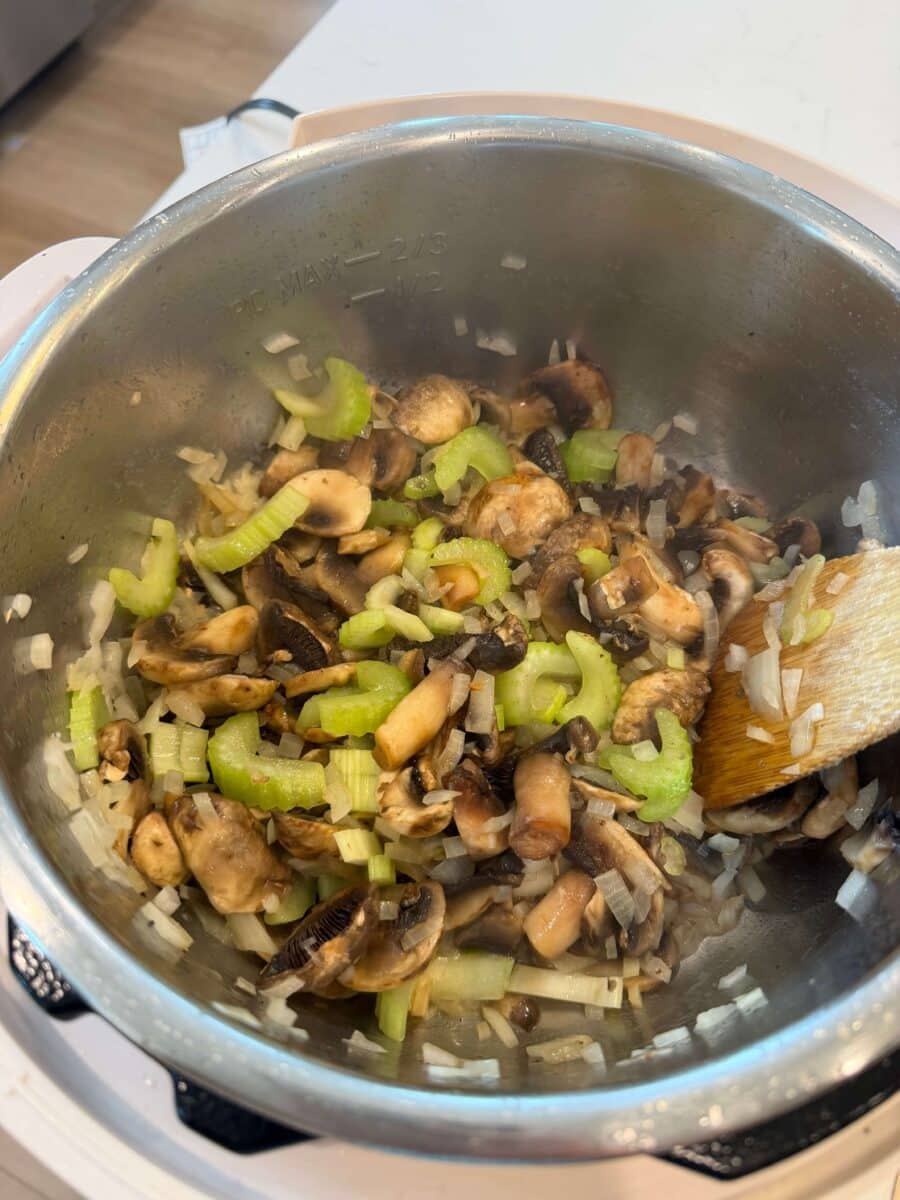
The process begins with the "Saute" function, which replicates the initial browning stage of traditional cooking. Butter is melted to provide a fat base for the "holy trinity" of Southern cooking—though in this specific variation, mushrooms are substituted or added to onions and celery to provide a deep, umami-rich foundation. This five-minute sauté period is critical for the Maillard reaction, a chemical reaction between amino acids and reducing sugars that gives browned food its distinctive flavor.
Phase II: Deglazing and Pressure Integration
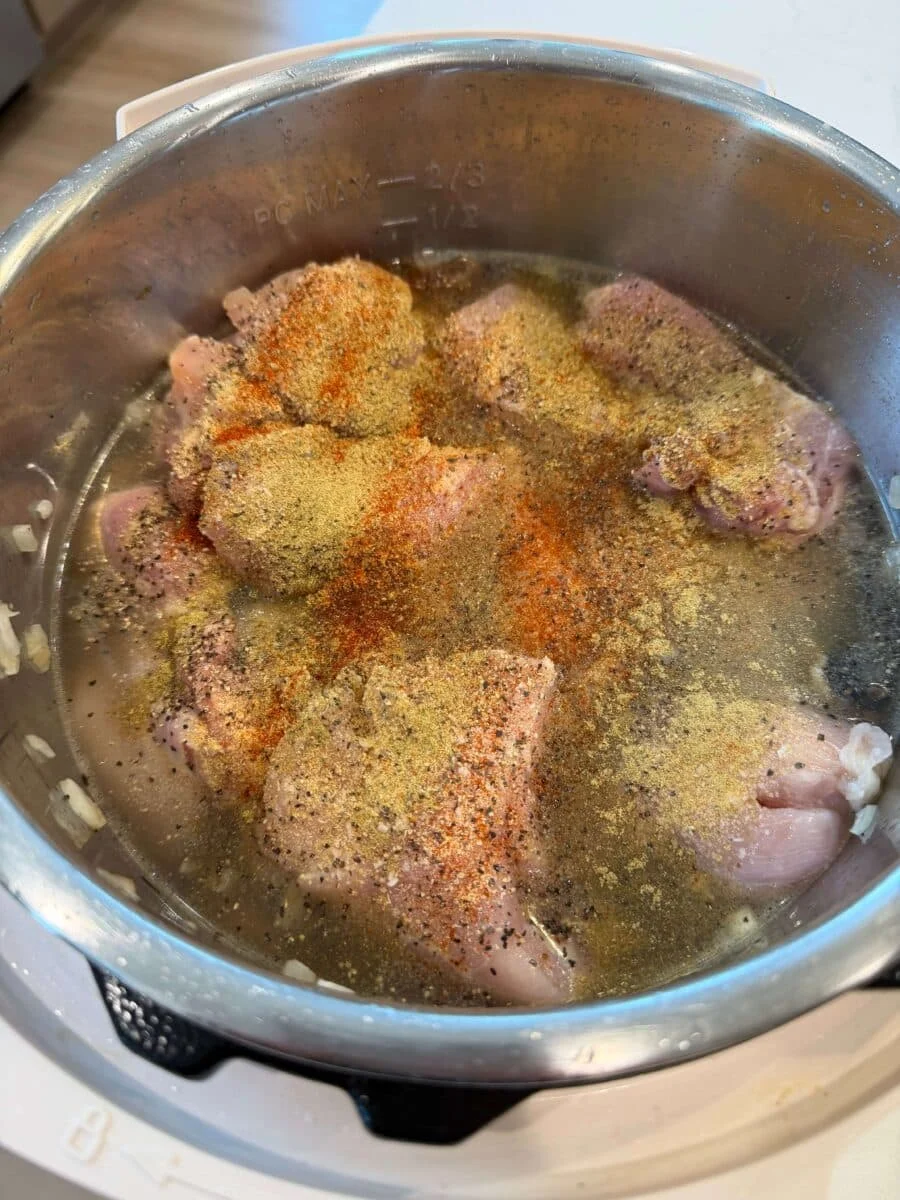
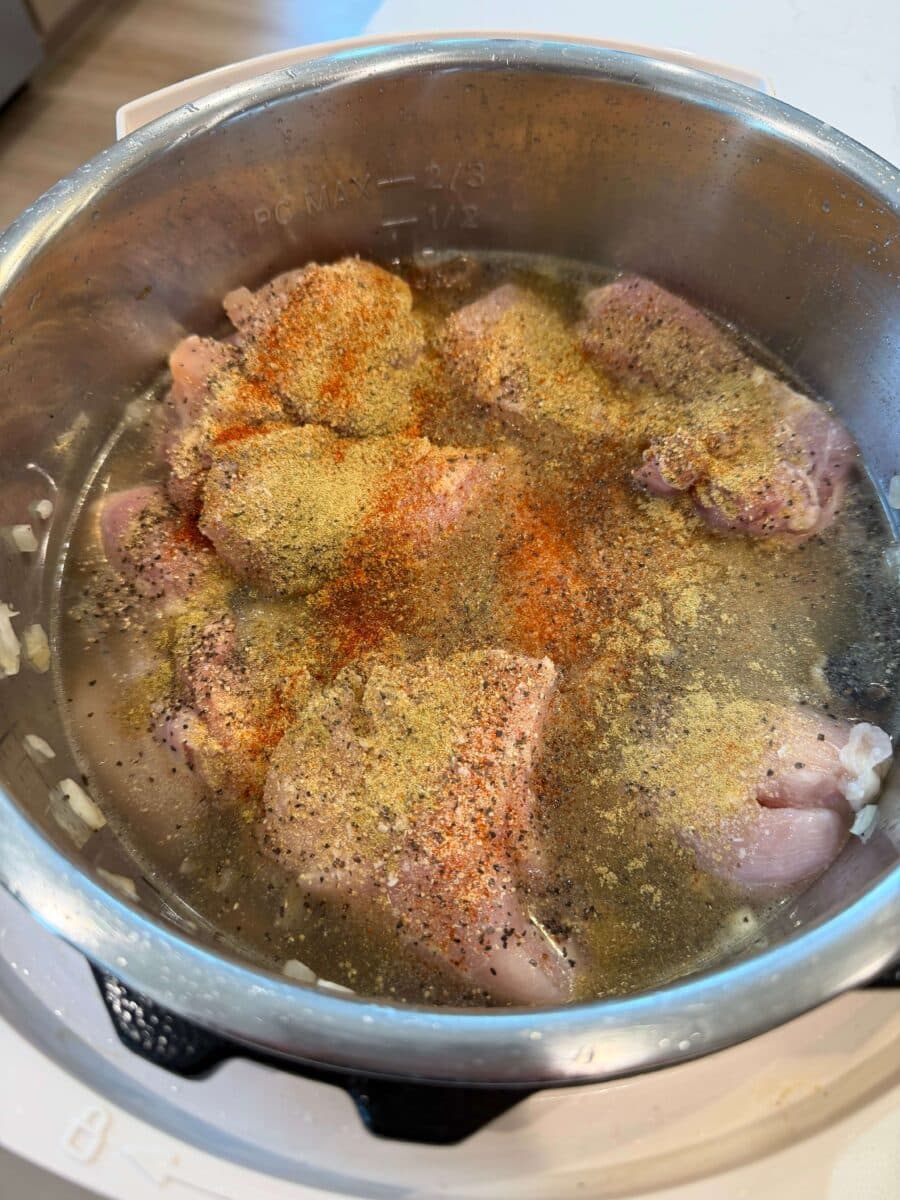
Following the sauté, the introduction of chicken broth serves a dual purpose: it acts as the cooking medium and a deglazing agent. Journalistic observations of pressure-cooking mechanics highlight the necessity of scraping the bottom of the stainless steel pot. Any caramelized bits of onion or mushroom left stuck to the surface can trigger the device’s "Burn" sensor, a safety feature that halts the cooking process. Once the pot is deglazed, the chicken—typically breasts or thighs—is layered with a proprietary blend of seasonings including salt, pepper, poultry seasoning, garlic powder, and smoked paprika.
Phase III: The Pressurization Cycle
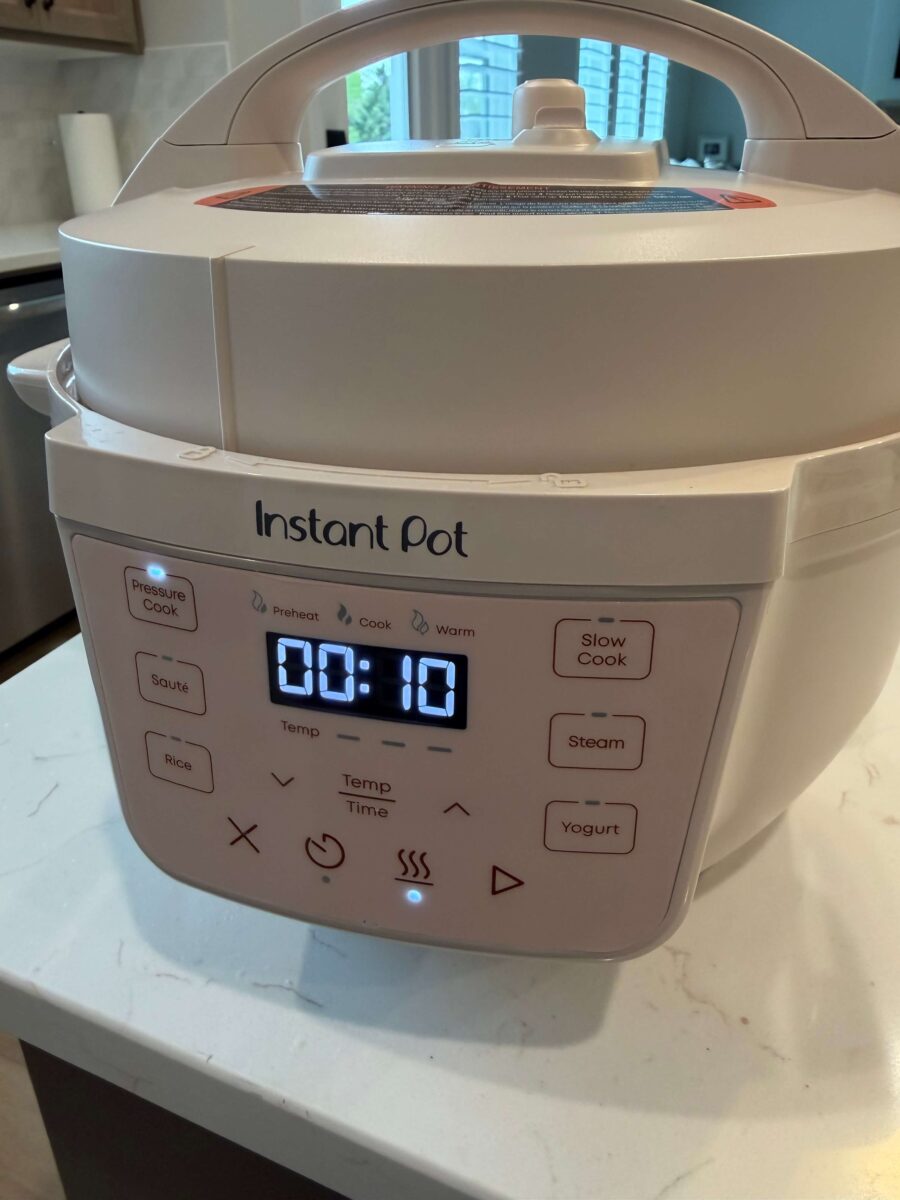
The device is sealed and set to manual high pressure for a duration of ten minutes. While the timer indicates ten minutes, the actual chronological timeline includes the "come-to-pressure" period (usually 8–12 minutes) and a subsequent "natural release" period of 5–10 minutes. This resting phase is vital for the muscle fibers of the chicken to relax, preventing the meat from becoming tough or rubbery due to a sudden change in atmospheric pressure.
Phase IV: Emulsification and Final Assembly
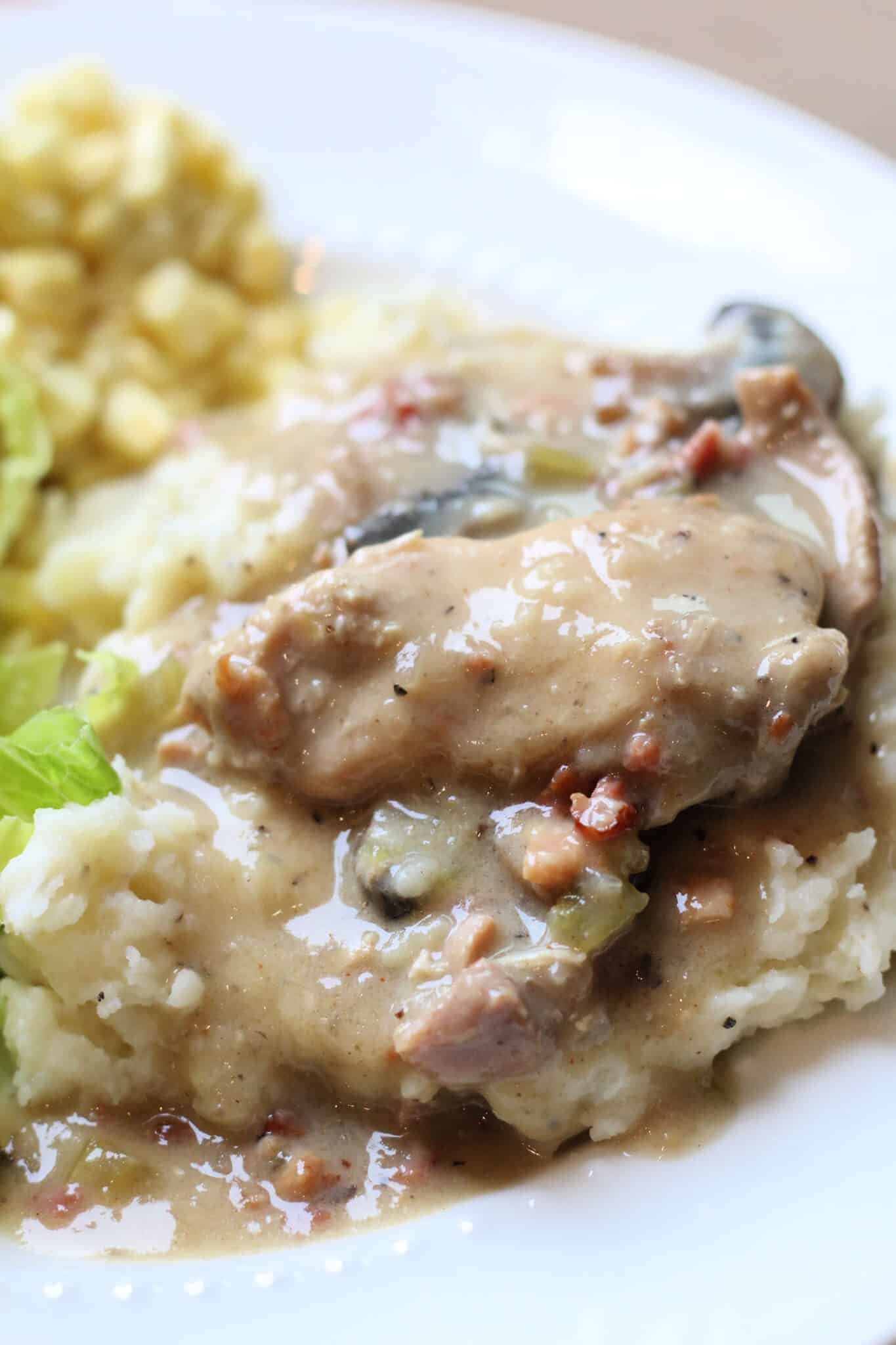
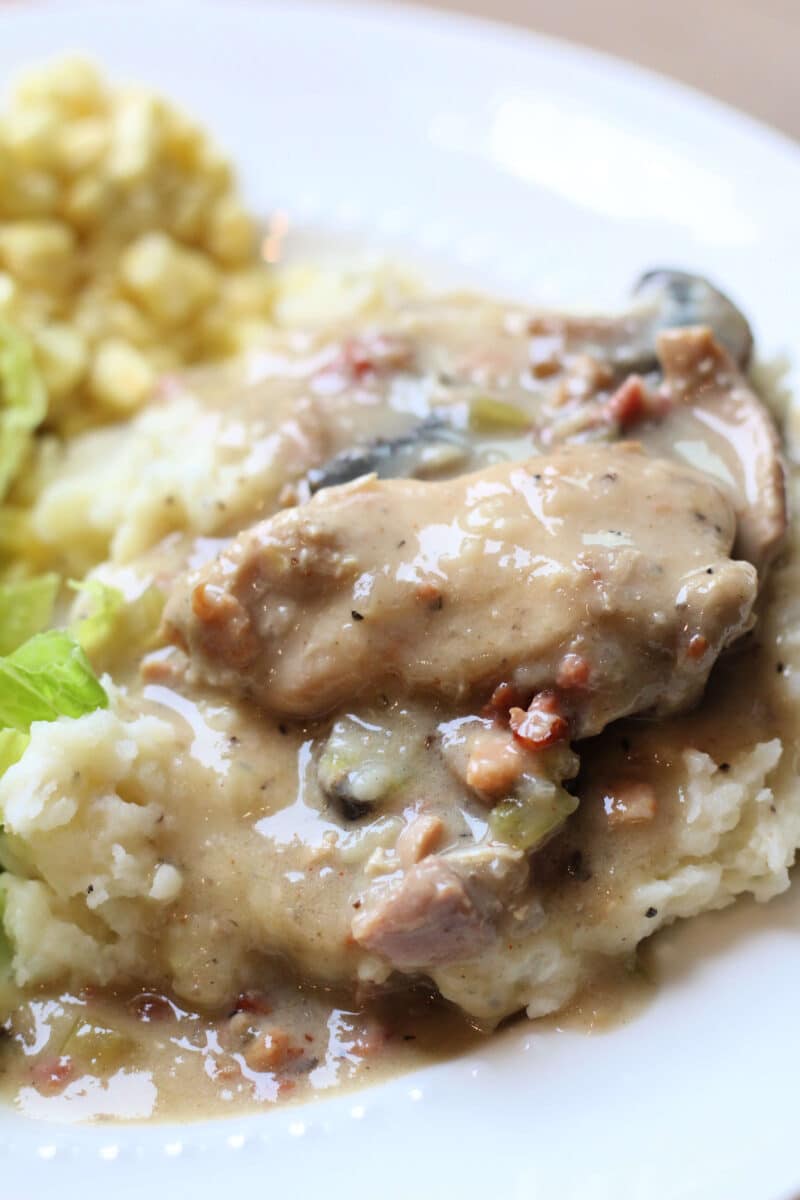
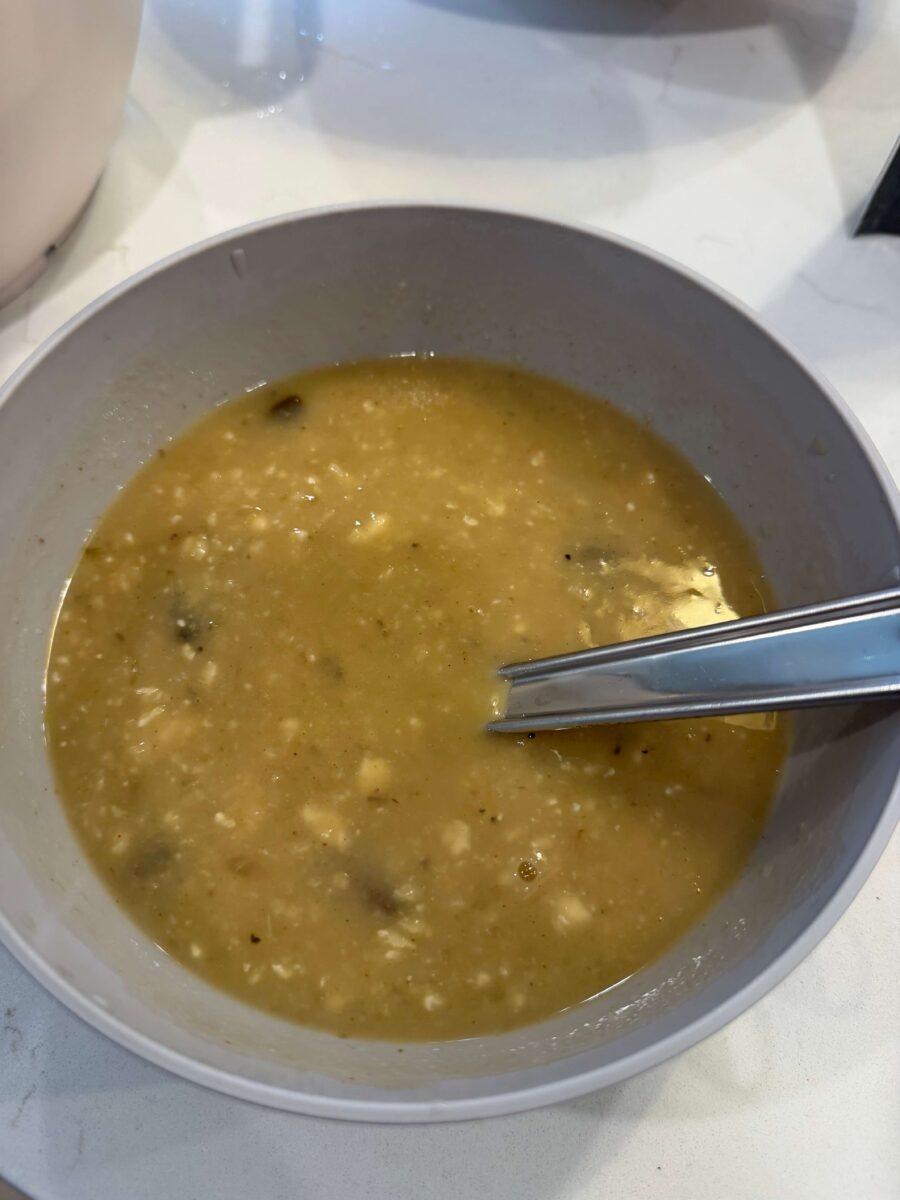
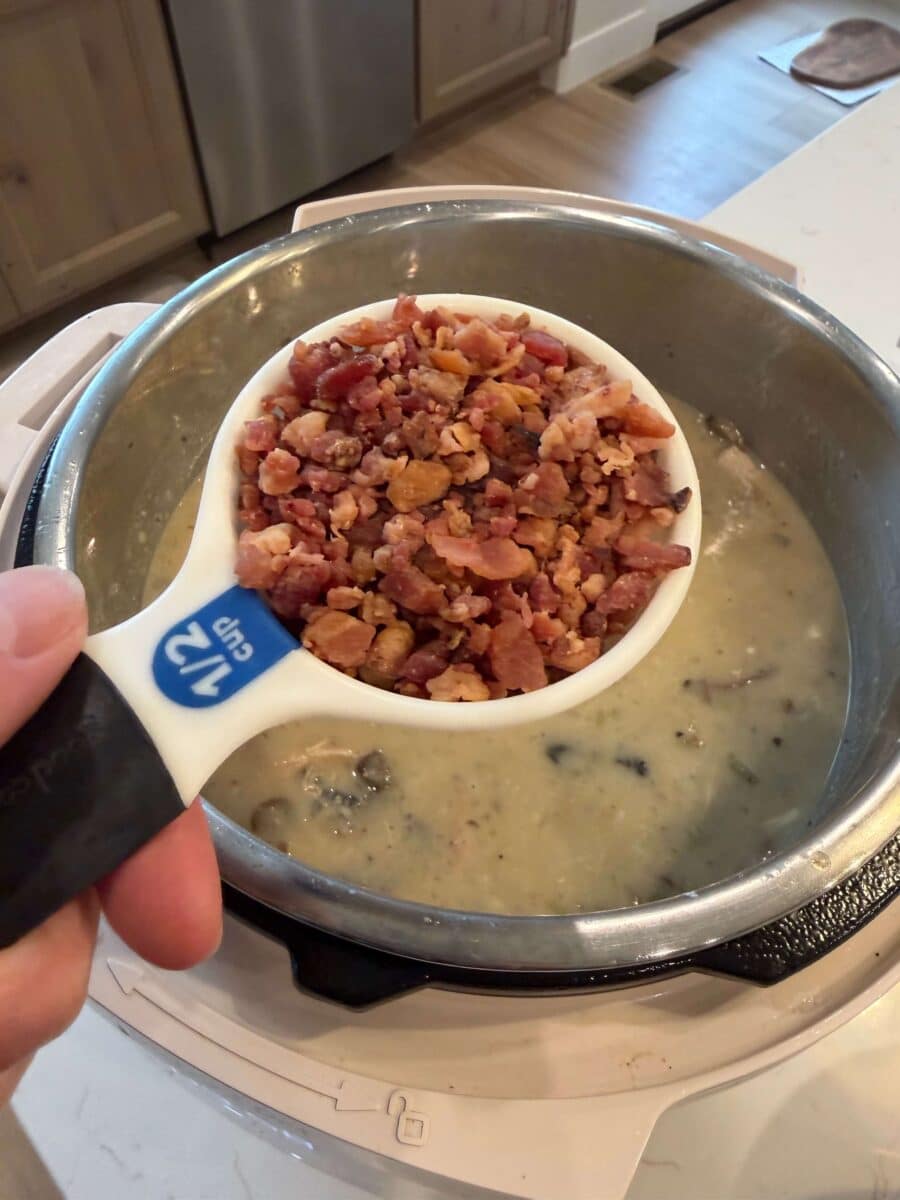
The final stage occurs after the lid is removed. Because pressure cookers do not allow for evaporation, the resulting liquid is thin. To achieve the "smothered" characteristic, a slurry of flour and reserved cooking liquid is whisked and reintegrated into the pot. The "Saute" function is reactivated to boil the sauce, activating the starches in the flour to create a thick gravy. The final additions—crispy bacon crumbles and tempered half-and-half—provide the requisite saltiness and creamy mouthfeel that define the dish’s Southern identity.
Supporting Data: The Rise of the Multicooker
The popularity of recipes like Southern Smothered Chicken is supported by significant market data regarding domestic cooking habits. According to market research reports, the global multicooker market was valued at approximately $720 million in 2020 and is projected to reach over $1.2 billion by 2026. This growth is driven by a consumer base that prioritizes "one-pot meals" and "set-it-and-forget-it" functionality.
Furthermore, poultry remains the primary protein of choice for American consumers. Data from the National Chicken Council indicates that per capita consumption of chicken in the United States exceeded 100 pounds in 2023. The versatility of chicken, combined with its relative affordability compared to beef or pork, makes it the ideal candidate for "smothered" preparations which focus on value and satiety.
Nutritional and Economic Implications
From a nutritional perspective, Southern Smothered Chicken provides a high-protein meal, though its caloric density is influenced by the inclusion of butter, bacon, and cream. However, the use of the Instant Pot allows for a reduction in the amount of oil typically used in deep-frying or traditional pan-frying methods of Southern chicken preparation.
Economically, the dish represents a high-value meal. By serving the chicken and its heavy gravy over inexpensive starches—such as mashed potatoes, white rice, egg noodles, or biscuits—home cooks can provide a filling, nutrient-dense meal at a low cost per serving. This "stretching" of ingredients is a hallmark of Southern culinary economics, born out of necessity and refined into an art form.
Expert Analysis and Culinary Reactions
Culinary historians often view the transition of soul food and Southern staples to the Instant Pot as a form of cultural resilience. Dr. Jessica B. Harris, a noted expert on the foodways of the African Diaspora, has frequently commented on how African American cuisine has always adapted to the tools available. In this context, the Instant Pot is simply the newest tool in a long line of technological adaptations.
Professional chefs have also weighed in on the "Instant Pot phenomenon." While some purists argue that the lack of evaporation in a pressure cooker prevents the "true" concentration of flavors found in a Dutch oven, many concede that the texture of the meat produced by high pressure is nearly impossible to replicate on a stovetop in under thirty minutes. The consensus among modern home economists is that the trade-off—a slight difference in sauce reduction for a massive gain in time efficiency—is overwhelmingly positive for the average household.
The Science of the Perfect Gravy
A critical component of this dish is the gravy, which serves as the "smothering" agent. The use of a flour slurry at the end of the process is a calculated move to manage the moisture content of the Instant Pot. In traditional cooking, a roux (flour and fat cooked together) is established at the beginning. In pressure cooking, adding flour at the start can lead to the aforementioned "Burn" notice.
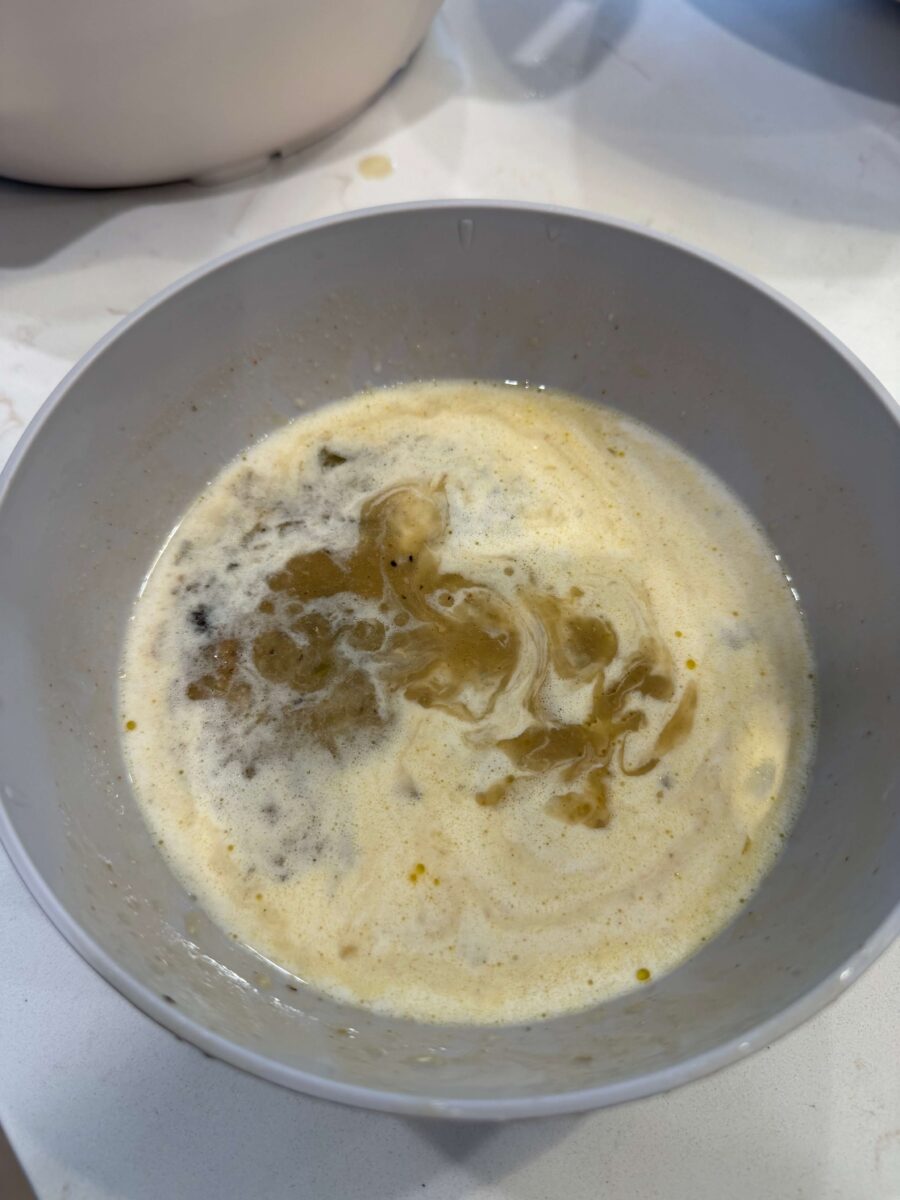
The tempering of the half-and-half—adding a small amount of hot liquid to the cold cream before stirring it into the main pot—is another essential scientific step. This prevents the proteins in the dairy from curdling when they hit the boiling sauce, ensuring the final product remains smooth and aesthetically pleasing.
Broader Impact and Future Outlook
The resurgence of interest in regional American cooking, facilitated by modern appliances, suggests a future where traditional recipes are not lost but are instead evolved. Southern Smothered Chicken is more than a recipe; it is a case study in how heritage flavors can survive the transition into a digital, fast-paced world.
As domestic technology continues to advance, we can expect further refinements in these processes. Features such as remote smartphone monitoring and precision temperature control are already becoming standard in high-end multicookers, potentially allowing for even more nuanced versions of "low and slow" Southern classics. For now, the Instant Pot version of smothered chicken stands as a testament to the enduring appeal of comfort food and the ingenuity of the modern home cook.
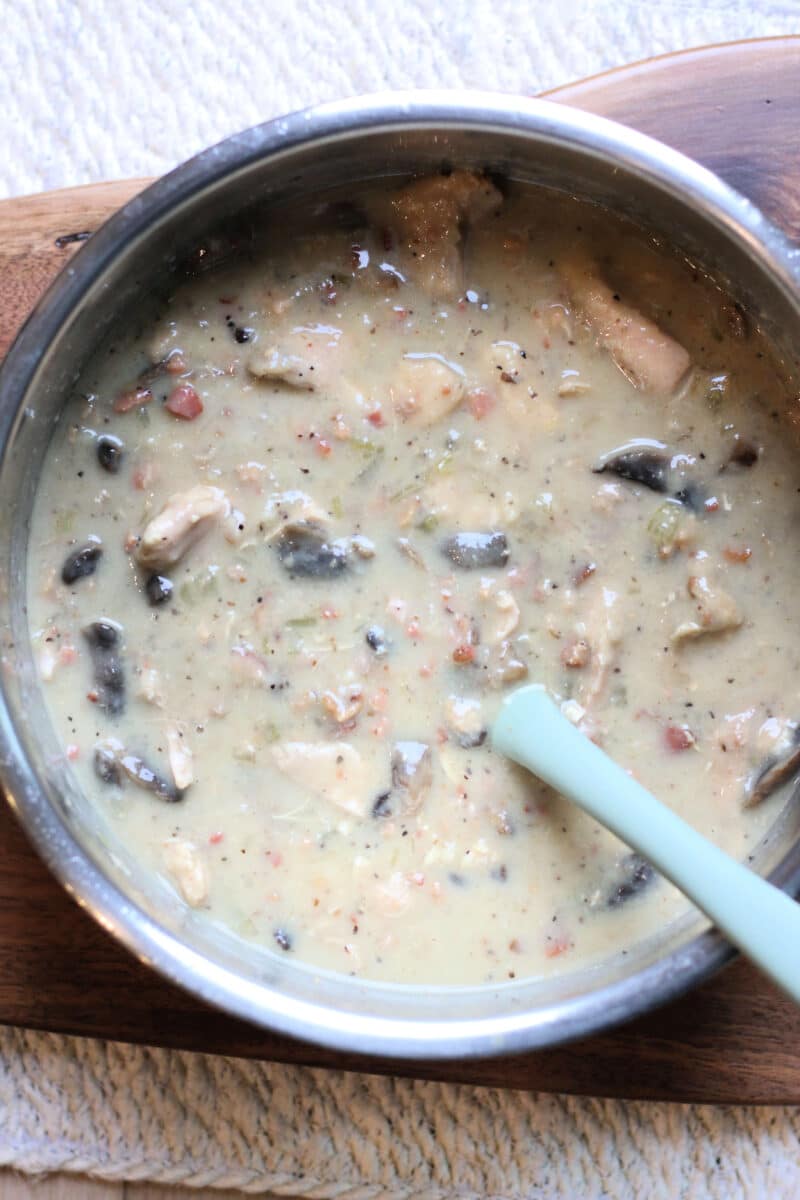
By maintaining the core elements—the aromatics, the savory gravy, and the tender poultry—and applying them to a more efficient framework, the Southern Smothered Chicken remains a relevant and beloved fixture of the American table. It bridges the gap between the historical kitchen and the modern one, proving that while the methods of cooking may change, the desire for a warm, smothered meal remains a constant in the human experience.
