
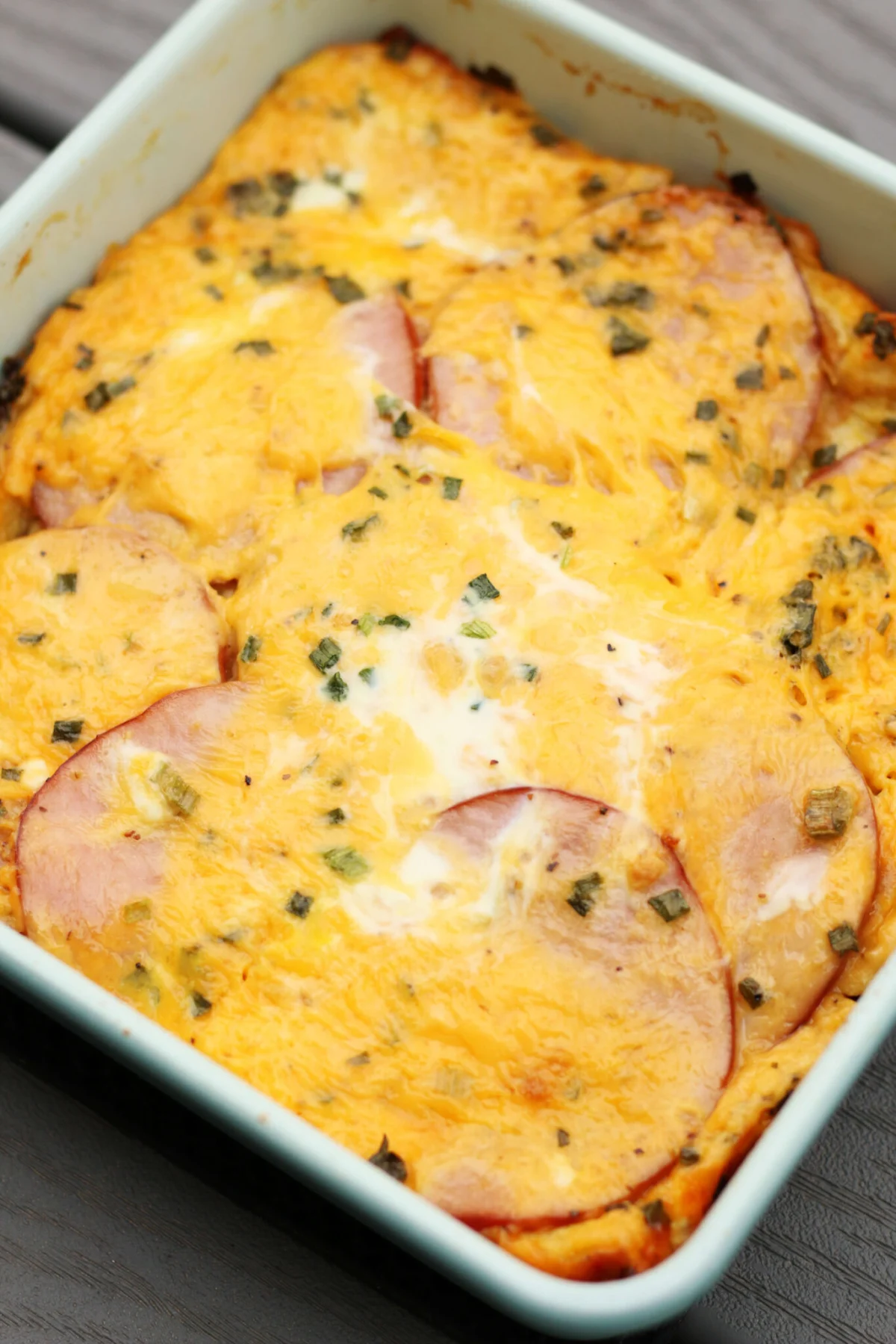
The recipe, which serves as a cornerstone for weekend brunch planning and holiday meal preparation, is strategically adapted from foundational breakfast concepts found in broader culinary archives, specifically the "Half Scratched" methodology. By integrating frozen convenience items with fresh proteins, the dish addresses the dual consumer demand for ease of use and the comfort of a home-cooked meal. As the landscape of domestic dining shifts toward more structured meal-prepping, the Mind-blowing Casserole serves as a case study in how simple ingredients—potatoes, eggs, and cheese—can be reconfigured to suit various kitchen appliances and dietary scales.
Historical Context and the Evolution of the Breakfast Casserole
The breakfast casserole occupies a unique space in North American culinary history, tracing its roots back to the early 20th-century "strata" and the mid-century rise of the convenience food movement. Historically, casseroles were a means of resource management, allowing households to stretch expensive proteins like ham or sausage by combining them with abundant starches and binders like eggs and milk.
In the contemporary era, the introduction of the slow cooker—patented in the 1940s and popularized in the 1970s—revolutionized the preparation of these dishes. The Mind-blowing Casserole leverages this technology to provide a moist, custard-like texture that is often difficult to achieve in high-heat environments. By cooking the egg-and-milk mixture slowly, the proteins denature at a more gradual rate, preventing the rubbery texture often associated with overcooked eggs. This evolution from a stovetop scramble to a slow-cooked bake reflects a broader trend in domestic science: the prioritization of passive cooking times to accommodate busy modern schedules.
Procedural Chronology: From Preparation to Presentation
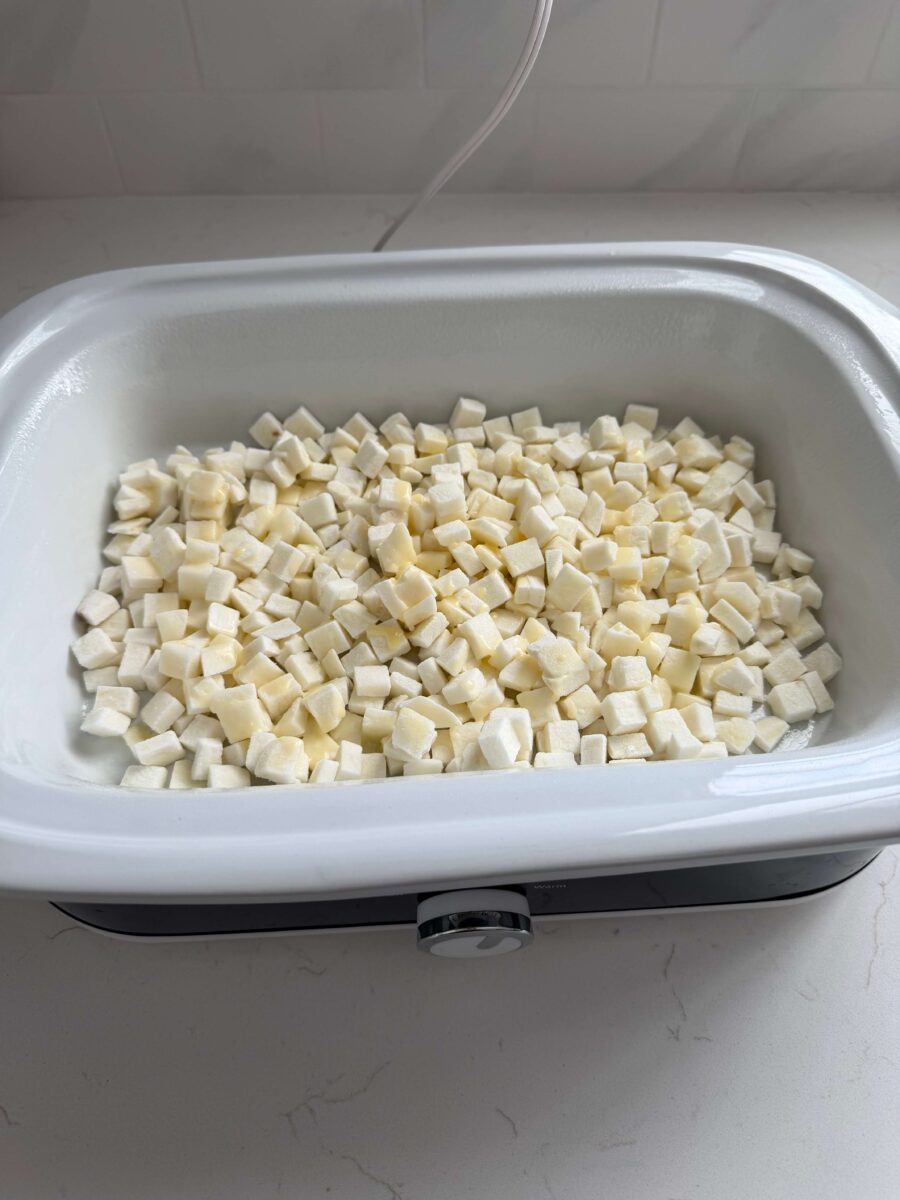
The assembly of the Mind-blowing Casserole follows a strict chronological sequence designed to ensure even heat distribution and flavor infusion. The process begins with the preparation of the cooking vessel, typically a slow cooker crock or a ceramic baking dish, which must be treated with non-stick agents to facilitate easy serving and cleanup.
- The Foundation: The initial layer consists of frozen hashbrown potatoes. The choice of frozen potatoes is significant, as they provide a consistent moisture content and structural integrity that fresh, shredded potatoes often lack unless properly treated to remove excess starch and water.
- Fat Integration: Melted butter is drizzled over the potato base. This serves as both a flavor enhancer and a heat conductor, ensuring the potatoes at the bottom of the crock develop a rich mouthfeel.
- The Binding Agent: A mixture of eggs, milk, and seasoned salt is whisked into a homogenous liquid. This custard serves as the structural matrix of the casserole, filling the interstitial spaces between the potato shreds.
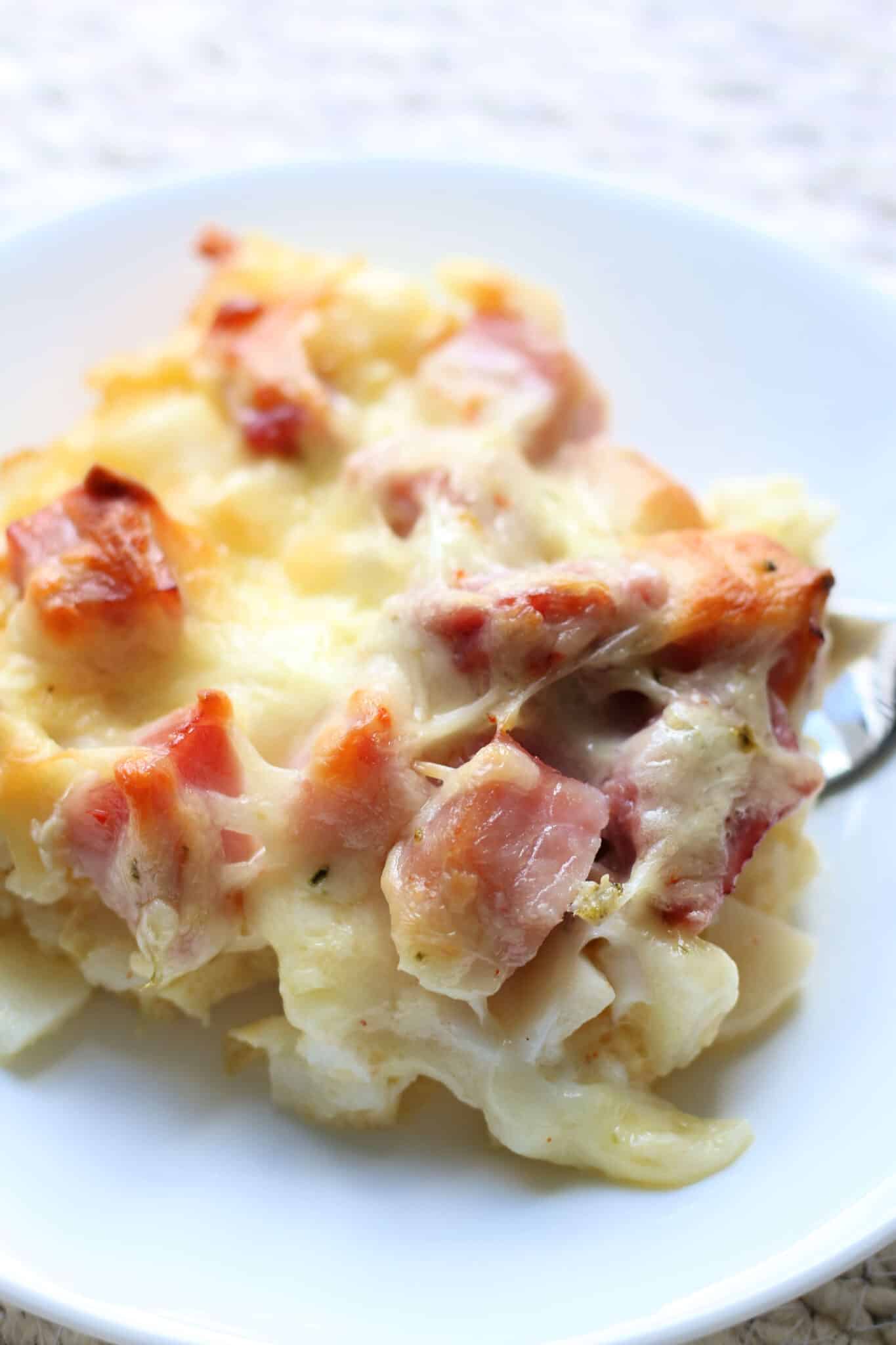
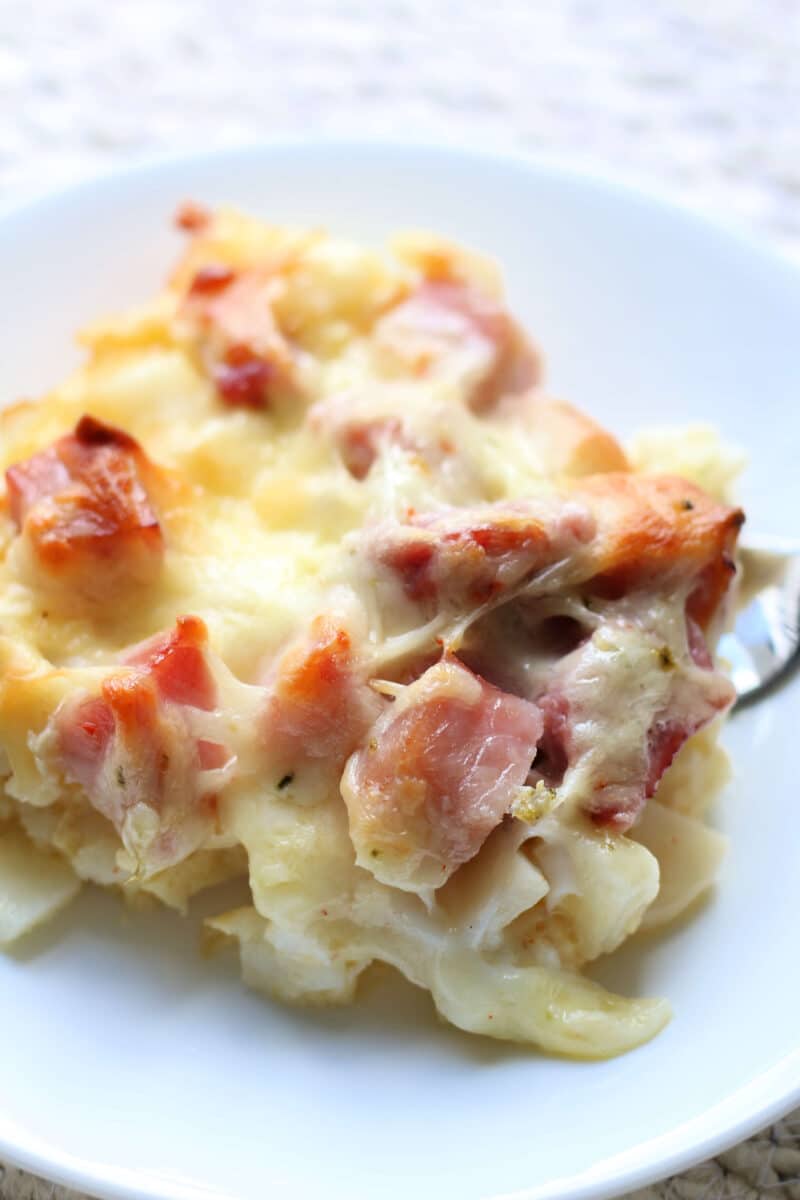
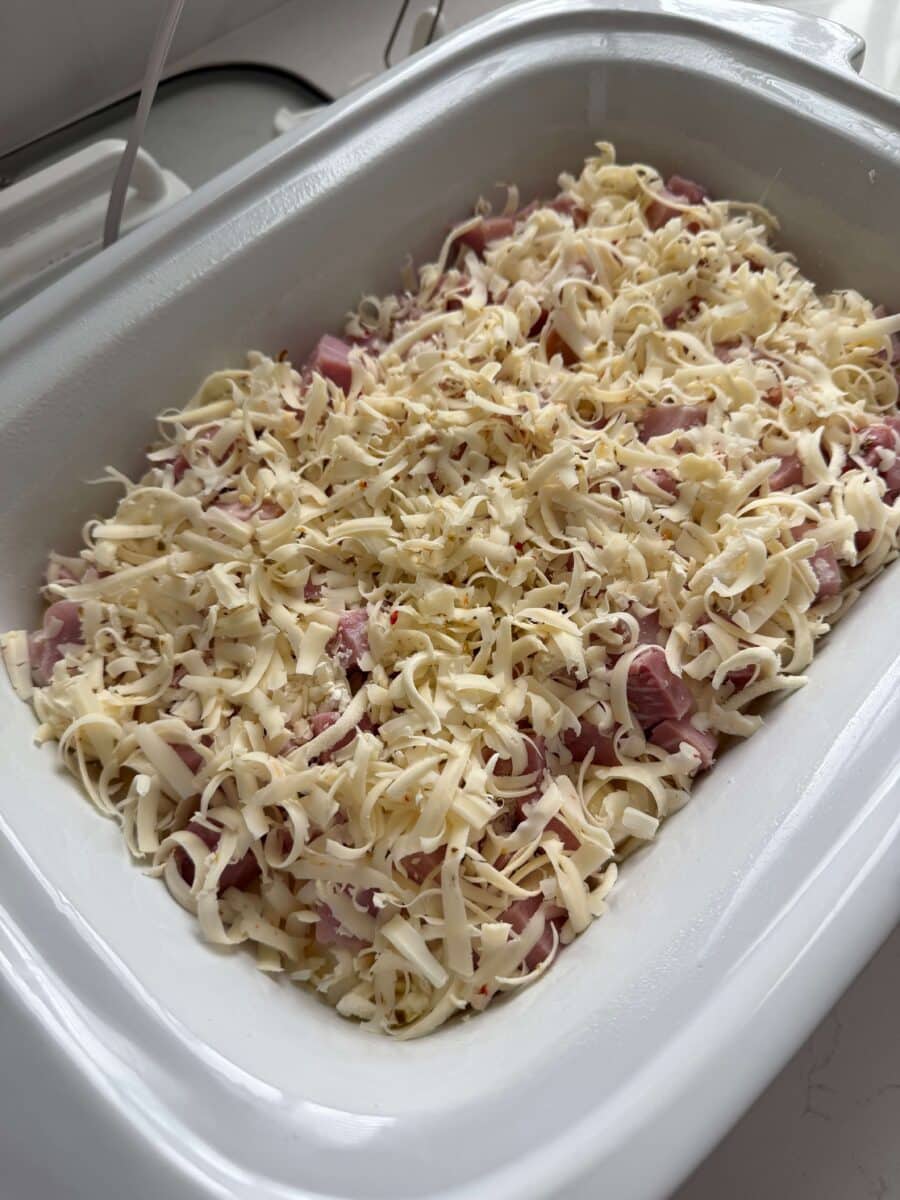
- Protein and Lipid Top-Loading: Diced ham and shredded cheese—typically cheddar or a similar melting variety—are scattered across the surface. During the cooking process, the fats from the cheese melt downward, further seasoning the egg and potato layers beneath.
- Thermal Application: The slow cooker is set to "High" for a duration of approximately two hours. This timeframe is critical; it is sufficient to set the eggs and heat the potatoes through without drying out the perimeter of the dish.
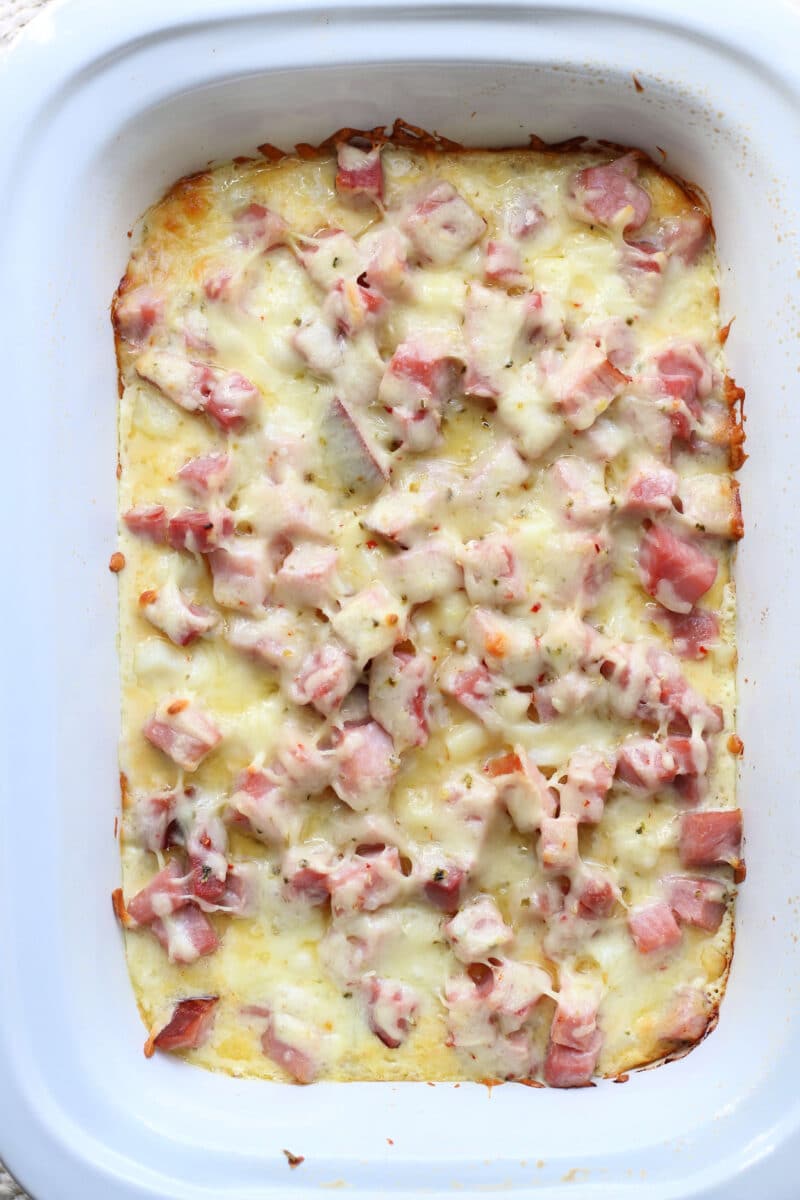
Alternatively, the oven-based method utilizes higher temperatures (typically 350°F) for a shorter duration (45-60 minutes), which results in a crisper top layer and a more pronounced Maillard reaction on the cheese and ham.
Technical Data and Nutritional Analysis
The nutritional profile of the Mind-blowing Casserole is characterized by high protein and moderate carbohydrate content. According to food science standards, a standard serving containing two eggs and a portion of ham provides approximately 15 to 20 grams of protein. The inclusion of potatoes provides essential potassium and complex carbohydrates, while the dairy components contribute calcium and fat-soluble vitamins.
From a food safety perspective, the internal temperature of the casserole must reach 160°F (71°C) to ensure the eggs are fully set and any potential pathogens are neutralized. The slow cooker method is particularly effective at maintaining a consistent thermal environment, provided the lid remains closed to prevent heat loss.

In terms of economic data, the casserole remains a cost-effective solution for large-scale feeding. At current market rates for bulk frozen potatoes, eggs, and deli-style ham, the cost per serving is significantly lower than individual breakfast orders at commercial diners. This economic efficiency, combined with the ability to double the recipe for larger crowds, positions the dish as a staple for community gatherings and extended family events.
Market Trends and Consumer Preferences
The popularity of recipes like the Mind-blowing Casserole is supported by broader consumer trends in the "Breakfast at Home" sector. Market research indicates that while the "grab-and-go" breakfast market remains strong, there is a resurgent interest in "slow weekend" breakfasts. This trend is driven by a desire for social connection through brunch culture and a growing skepticism of processed fast-food breakfast options.
Furthermore, the versatility of the casserole allows for various dietary adaptations, which is a key driver in modern recipe selection. For instance, the "Low Carb Casserole" variant—which replaces potatoes with vegetables like spinach, zucchini, and sausage—appeals to the ketogenic and gluten-free demographics. The "Morning After Casserole," utilizing tater tots and green chiles, caters to a demographic seeking bolder flavor profiles and nostalgic comfort foods.
Culinary Variations and Professional Recommendations
Culinary experts and home cooks alike have identified several key "add-ons" and modifications that enhance the basic structure of the Mind-blowing Casserole. While the base recipe calls for ham, substitutions such as cooked bacon, breakfast sausage, or Canadian bacon are common.
One point of mild controversy among enthusiasts involves the choice of condiments. While salsa is a popular choice for adding acidity and heat—effectively cutting through the richness of the eggs and cheese—a segment of the population prefers the sweetness and vinegar-base of tomato ketchup. This preference, though sometimes viewed as unconventional in gourmet circles, remains a dominant consumer habit in American domestic dining.
To ensure the best results, professional developers suggest the following tips:
- Moisture Control: If using fresh potatoes, they must be squeezed dry in a kitchen towel to prevent the casserole from becoming soggy.
- Cheese Selection: Using freshly grated cheese rather than pre-shredded varieties can result in a smoother melt, as pre-shredded cheese is often coated in potato starch or cellulose to prevent clumping.
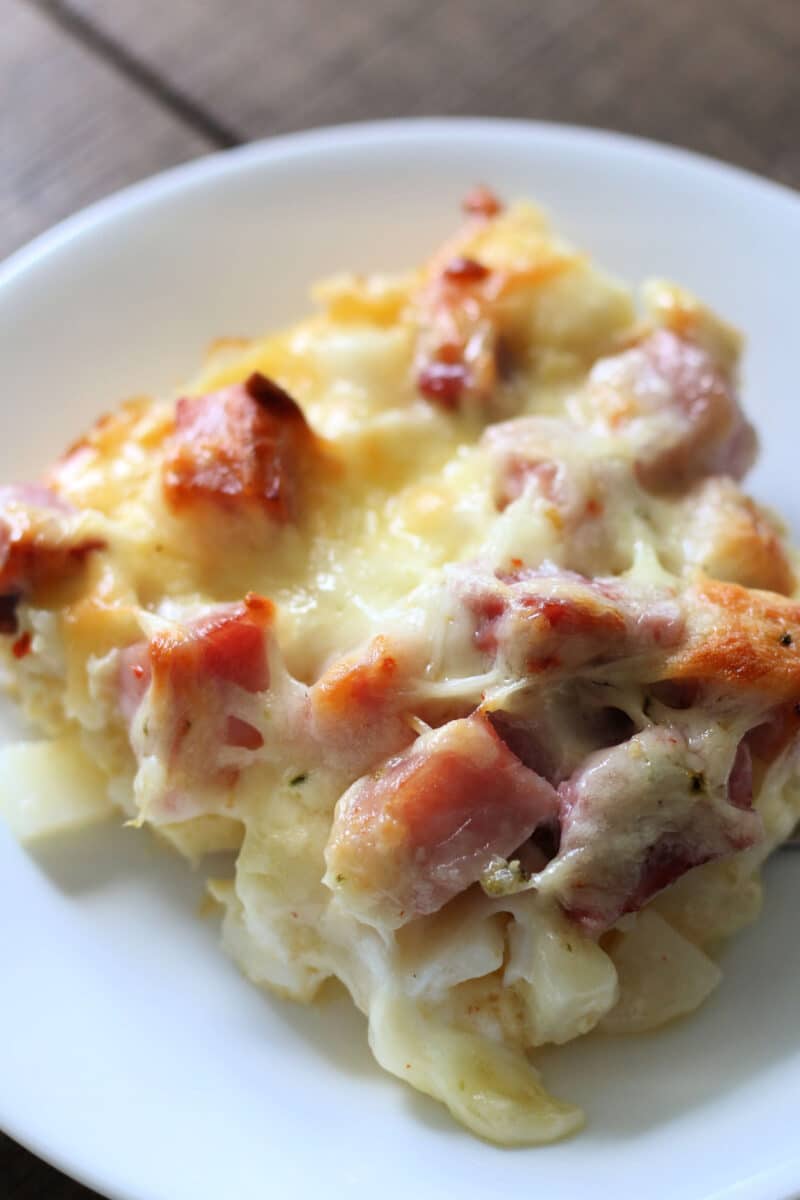
- Resting Period: Allowing the casserole to rest for 5 to 10 minutes after cooking helps the custard set completely, making it easier to slice into clean portions.
Broader Impact and Social Implications
The rise of the "365 days of crockpot" philosophy, as championed by figures like Karen Petersen, highlights a shift in how domestic labor is perceived and executed. By automating the cooking process through slow cookers, the "mental load" of meal preparation is reduced. This has significant implications for household management, particularly during high-stress periods such as the holiday season.
The "Christmas Morning Wife Saver" variant of the breakfast casserole is a prime example of this social impact. By prepping the dish the night before, the "labor" of cooking is decoupled from the "celebration" of the holiday morning, allowing the primary cook to participate in family activities rather than being confined to the kitchen. This move toward make-ahead, "stress-free" meals reflects a broader cultural movement toward mindfulness and presence during social events.
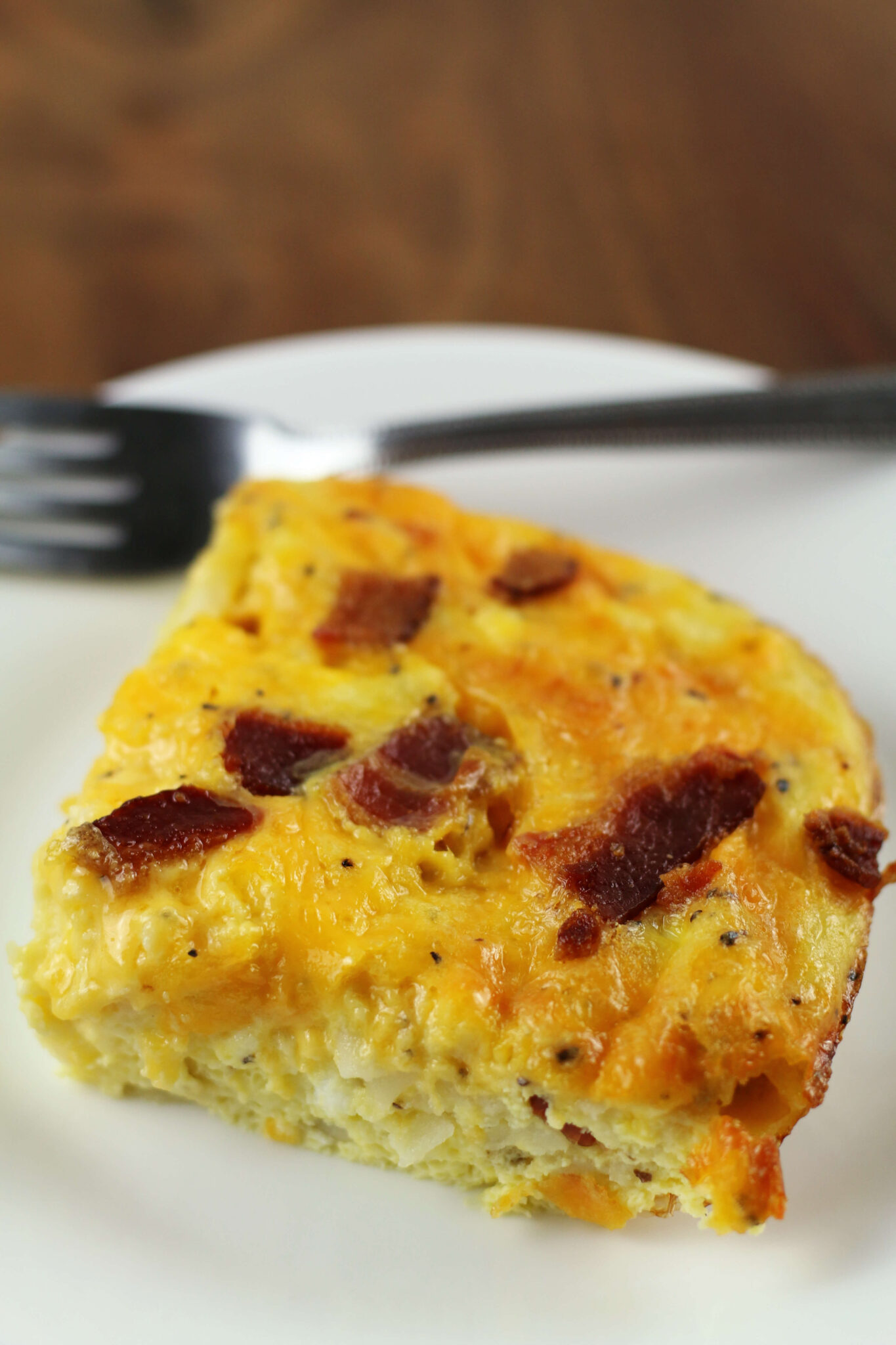
In conclusion, the Mind-blowing Casserole is more than a simple assembly of breakfast staples; it is a refined tool for modern living. It represents the intersection of convenience, nutrition, and tradition. Whether cooked in a slow cooker to achieve a tender, uniform texture or baked in an oven for a classic golden crust, the dish remains a testament to the enduring appeal of the casserole as a centerpiece of the American breakfast table. As home cooking continues to evolve with new technologies and dietary insights, the fundamental principles of the hashbrown, egg, and cheese bake are likely to remain a constant in the domestic culinary repertoire.
