
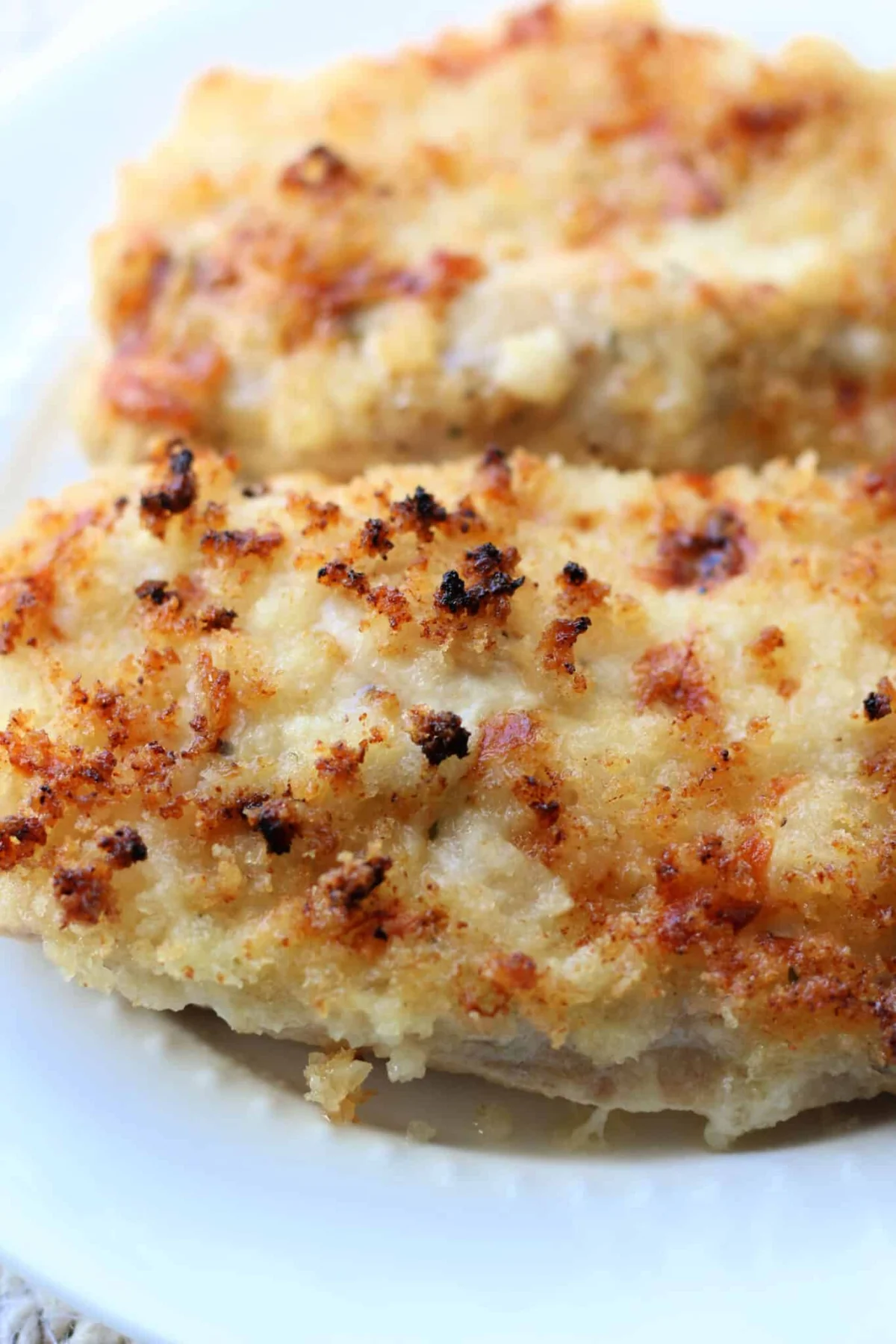
Longhorn Steakhouse Parmesan Chicken has emerged as a cornerstone of the American casual dining experience, representing a specific niche of comfort food that balances creamy textures with a crisp, savory finish. Originally popularized by the Florida-based restaurant chain Longhorn Steakhouse, a subsidiary of Darden Restaurants, this dish has transitioned from a professional kitchen staple to a widely sought-after recipe for home cooks. The preparation involves a multi-stage process that includes marination, a dual-cheese topping, and a pressurized or high-heat baking cycle to ensure the poultry remains moist while the exterior achieves a golden-brown crust. As consumer interest in "copycat" recipes continues to grow, the technical aspects of recreating restaurant-quality poultry at home have become a subject of significant interest for culinary analysts and domestic chefs alike.
The Evolution of the Signature Dish
Longhorn Steakhouse was founded in 1981 in Atlanta, Georgia, by George McKerrow Jr. Initially known for its focus on grilled steaks and Western-themed decor, the menu eventually expanded to include poultry dishes that could compete with the flavor profiles of their signature beef cuts. The Parmesan Crusted Chicken was developed to provide a high-flavor alternative for diners seeking something other than red meat.
The dish’s success is attributed to its specific layering technique. Unlike traditional Italian Chicken Parmesan, which typically utilizes a marinara sauce and mozzarella base, the Longhorn version leans into American flavor profiles, specifically utilizing ranch dressing as both a marinade component and a binding agent for the crust. This departure from traditional Mediterranean preparations highlights a broader trend in American casual dining: the "fusion" of classic techniques with regional condiment staples.
Technical Preparation and Culinary Mechanics
The process of preparing Longhorn Steakhouse Parmesan Chicken at home requires attention to the structural integrity of the meat and the chemical reactions of the topping. According to culinary experts and home-cooking advocates like Karen Petersen, the foundation of the dish lies in the preparation of the chicken breast.
Marination and Tenderization
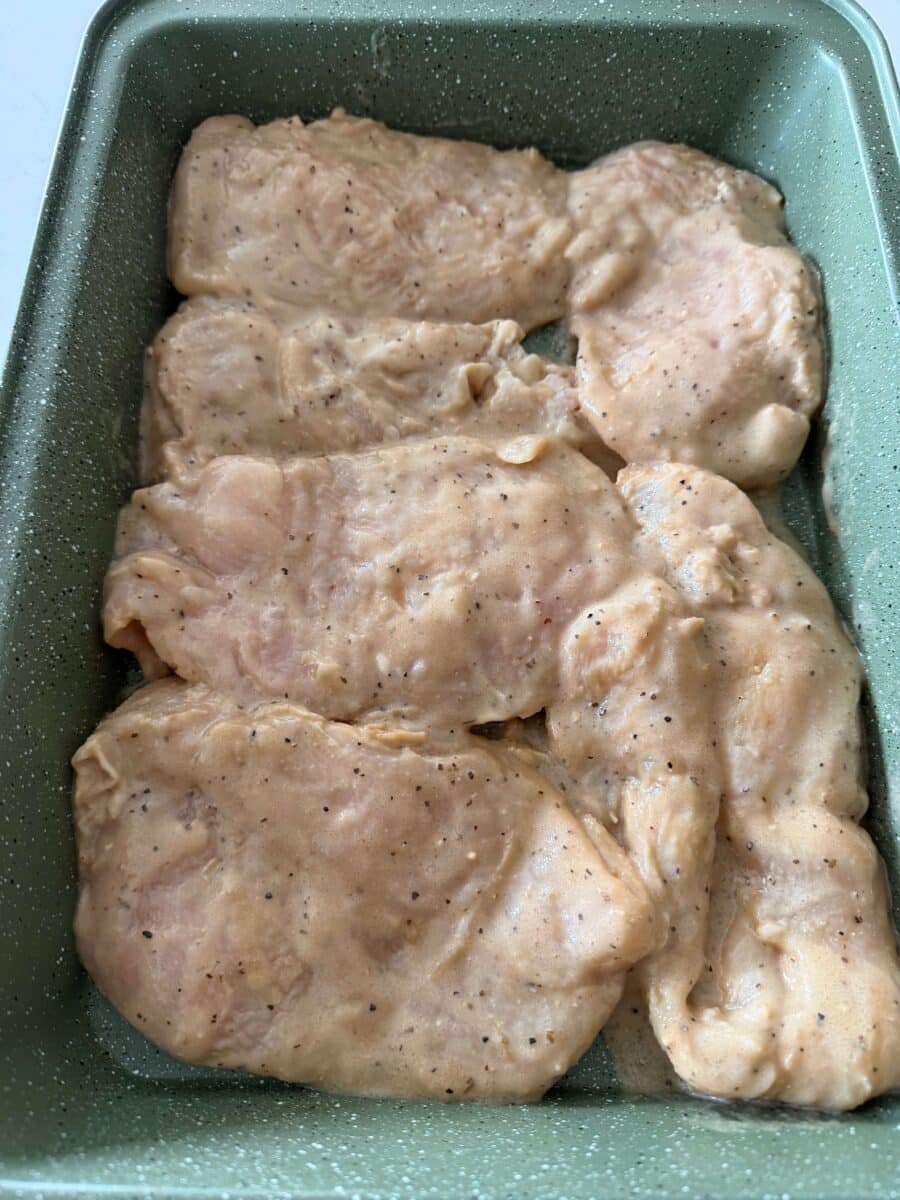
The first critical step involves slicing the chicken breasts horizontally to create thin cutlets. This increases the surface area for the marinade and ensures even cooking—a vital factor when baking at high temperatures. The marinade is a complex emulsion of olive oil, ranch dressing, Worcestershire sauce, vinegar, lemon juice, garlic powder, and black pepper.
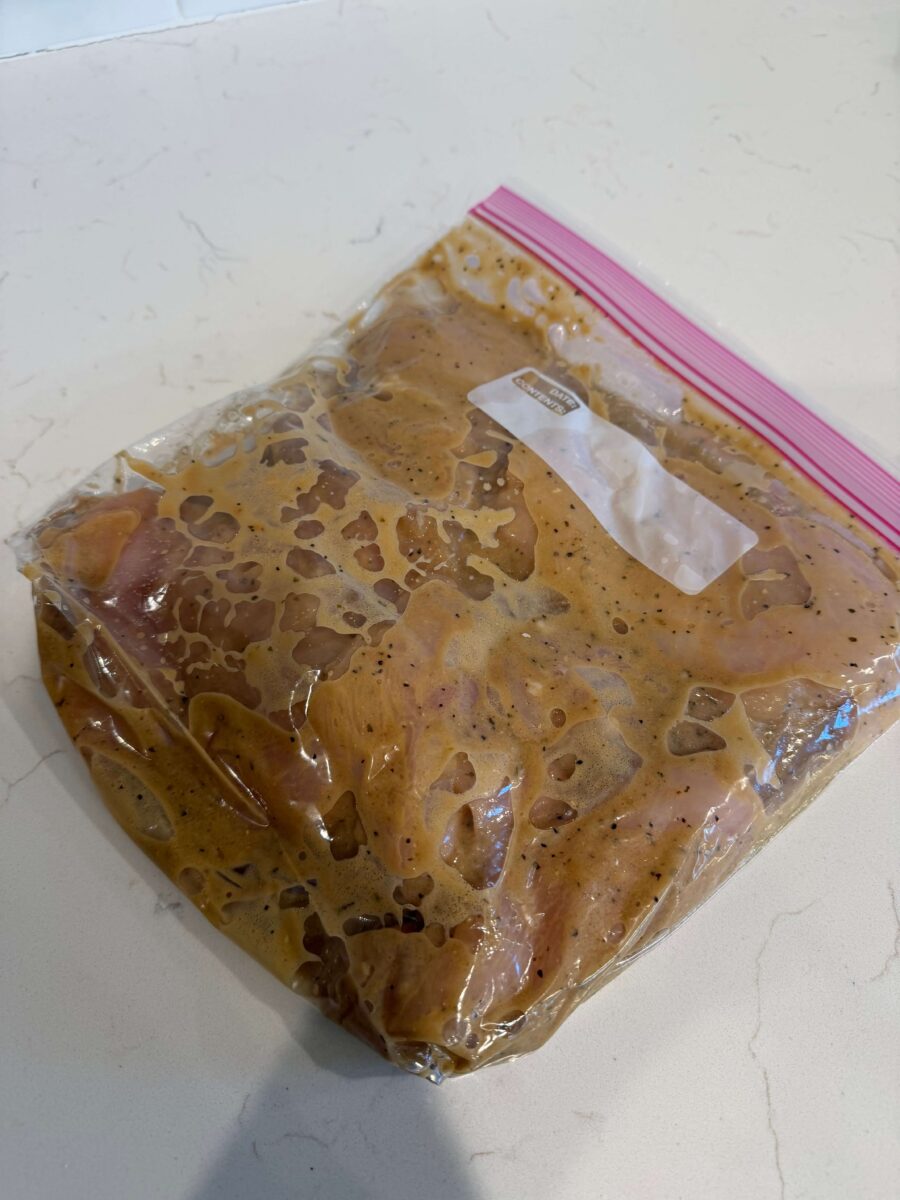
From a food science perspective, the inclusion of vinegar and lemon juice serves as a chemical tenderizer. The acidity breaks down the tough protein fibers in the chicken breast, while the oils in the ranch dressing and olive oil provide a moisture barrier. Marinating for a period of one hour to overnight allows these flavors to penetrate the meat deeply, a process that is often skipped in fast-casual environments but maintained in higher-tier casual dining establishments to ensure quality.
The Multi-Layered Topping
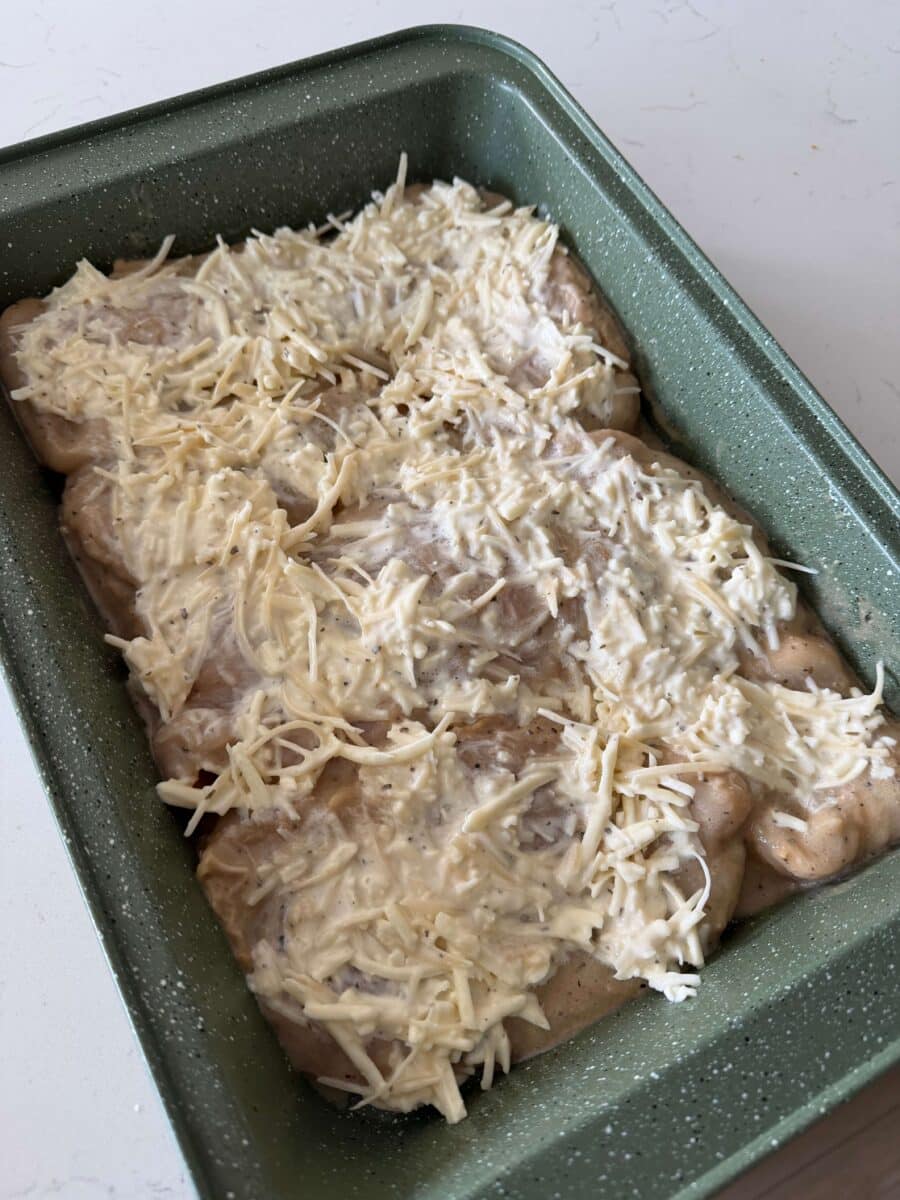
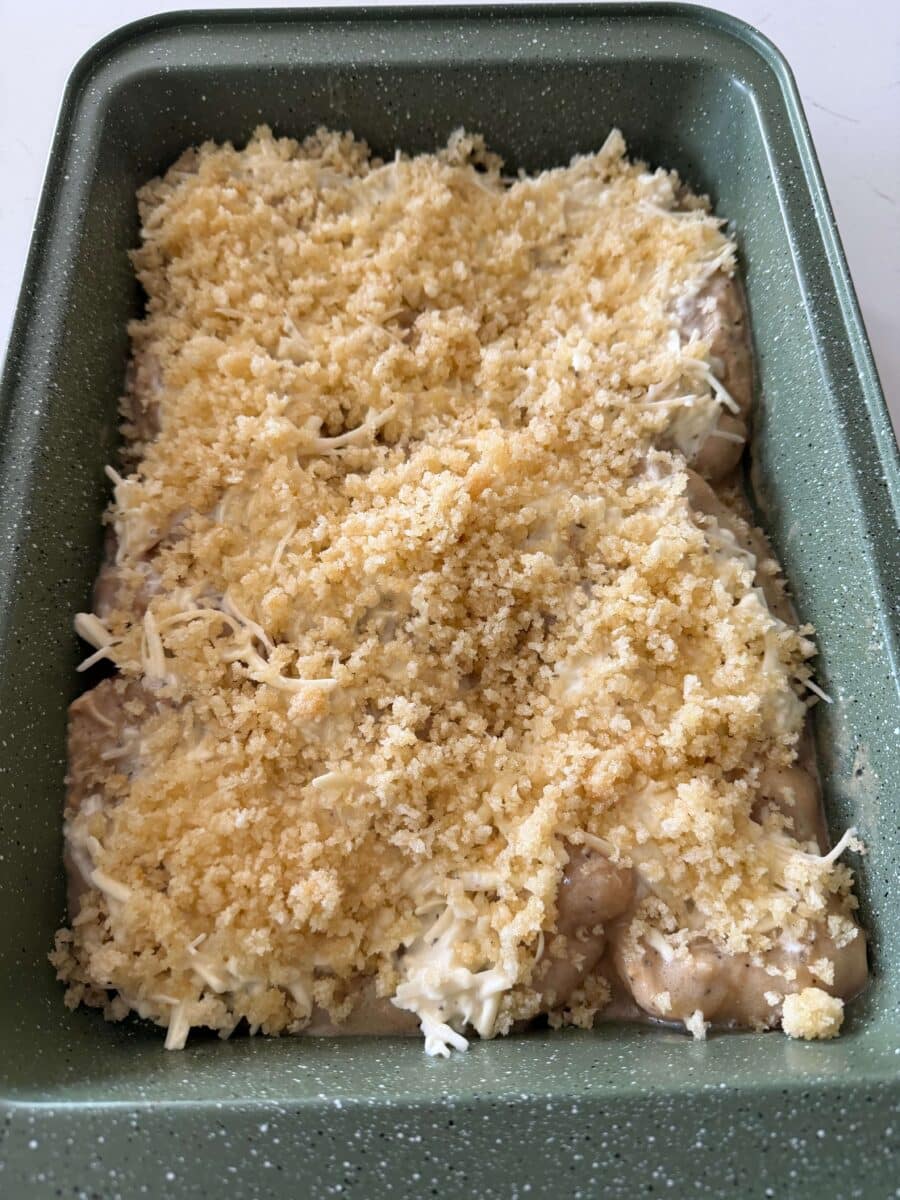
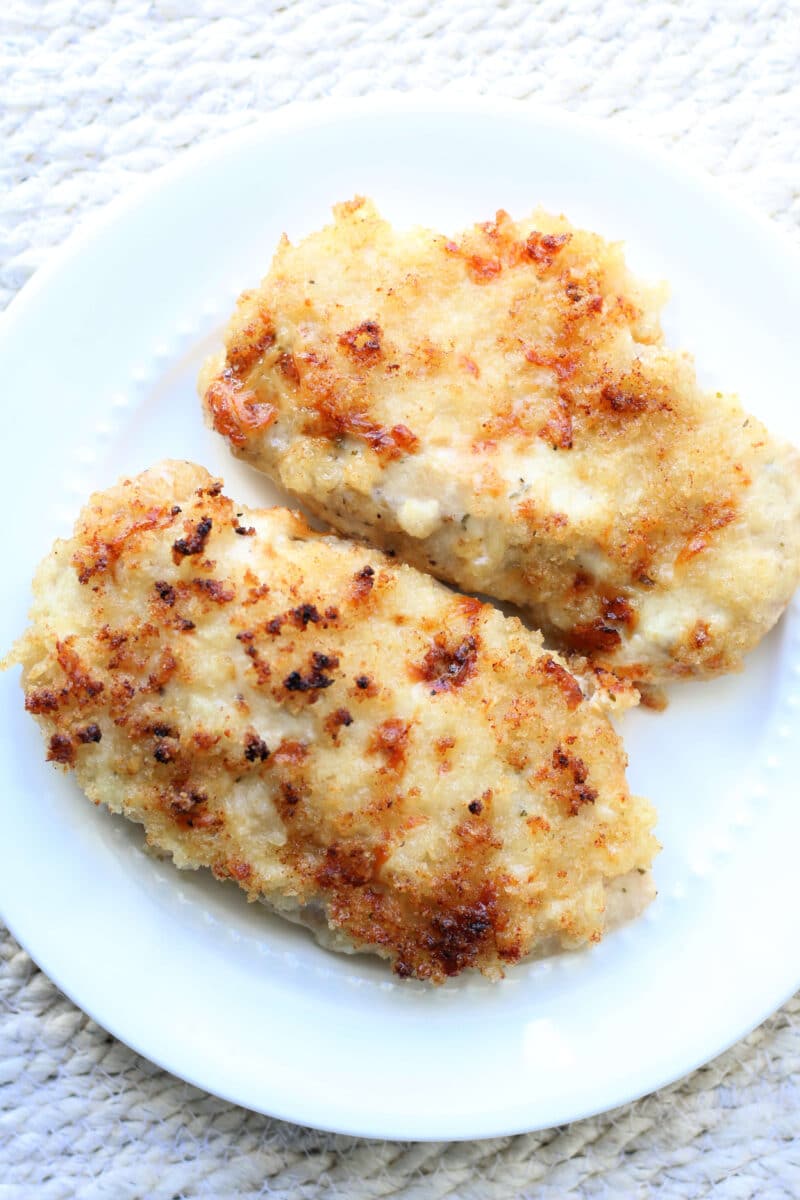
The defining characteristic of this dish is its "crust," which is applied in two distinct layers. The first layer consists of a blend of shredded parmesan and mozzarella cheeses bound together with additional ranch dressing. This creates a creamy, adhesive base. The second layer is a "panko" topping, comprised of Japanese-style breadcrumbs, melted butter, and garlic powder.
The use of panko over traditional breadcrumbs is a strategic choice. Panko flakes are larger and airier, which prevents the topping from becoming a dense paste when mixed with butter. During the baking process, the mozzarella provides the "stretch," the parmesan provides the sharp, salty umami flavor, and the panko provides the necessary crunch.
Chronology of the Baking Process
The cooking sequence is designed to simulate the industrial convection ovens used in professional kitchens.
- Preheating and Preparation: The oven is set to 400°F (204°C). This high temperature is necessary to trigger the Maillard reaction—the chemical reaction between amino acids and reducing sugars that gives browned food its distinctive flavor.
- The Initial Bake: The marinated cutlets are placed on a baking sheet or in a 9×13 inch pan. The cheese and panko mixtures are layered systematically over the top. The chicken is baked for approximately 20 minutes.
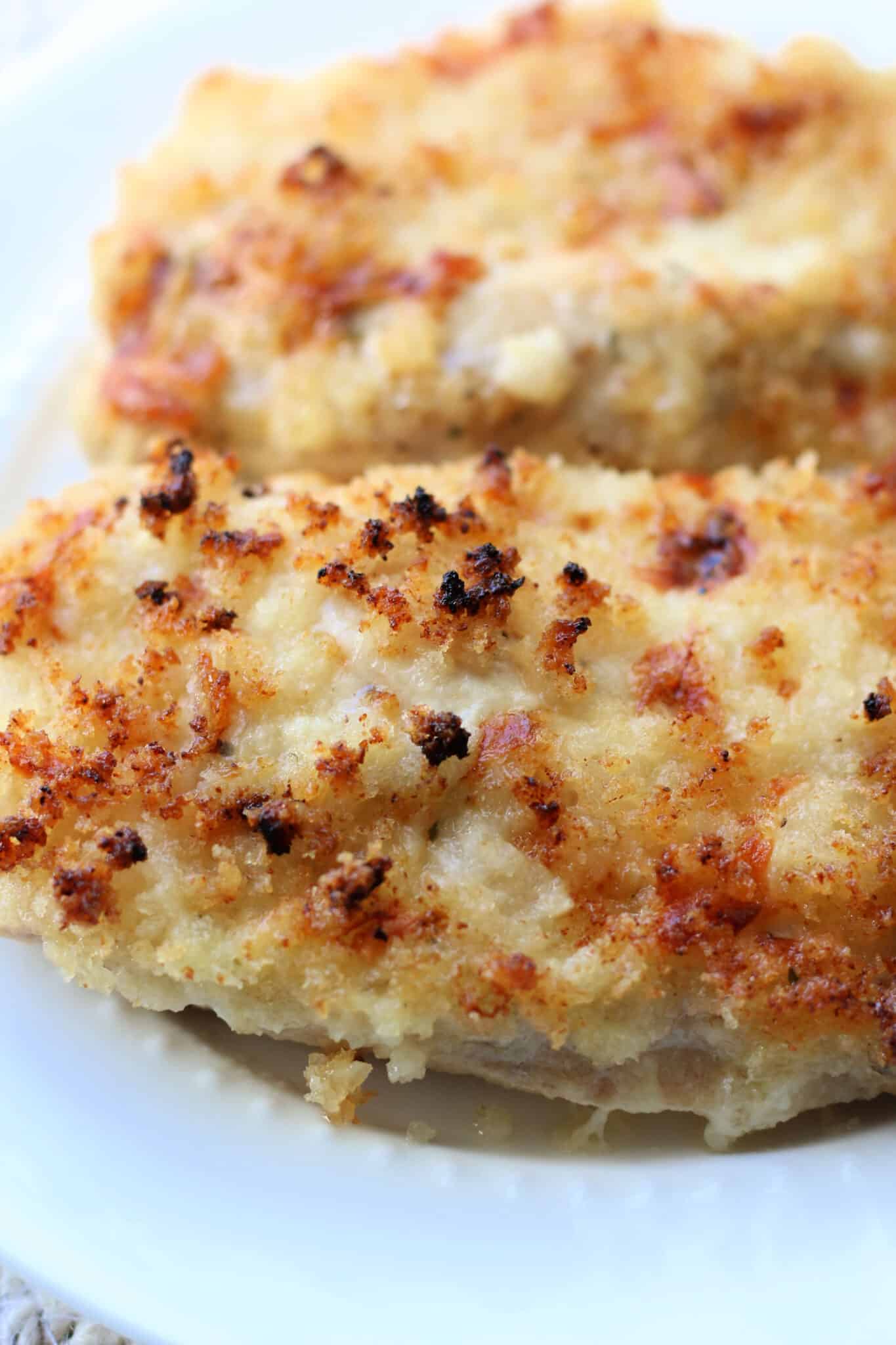
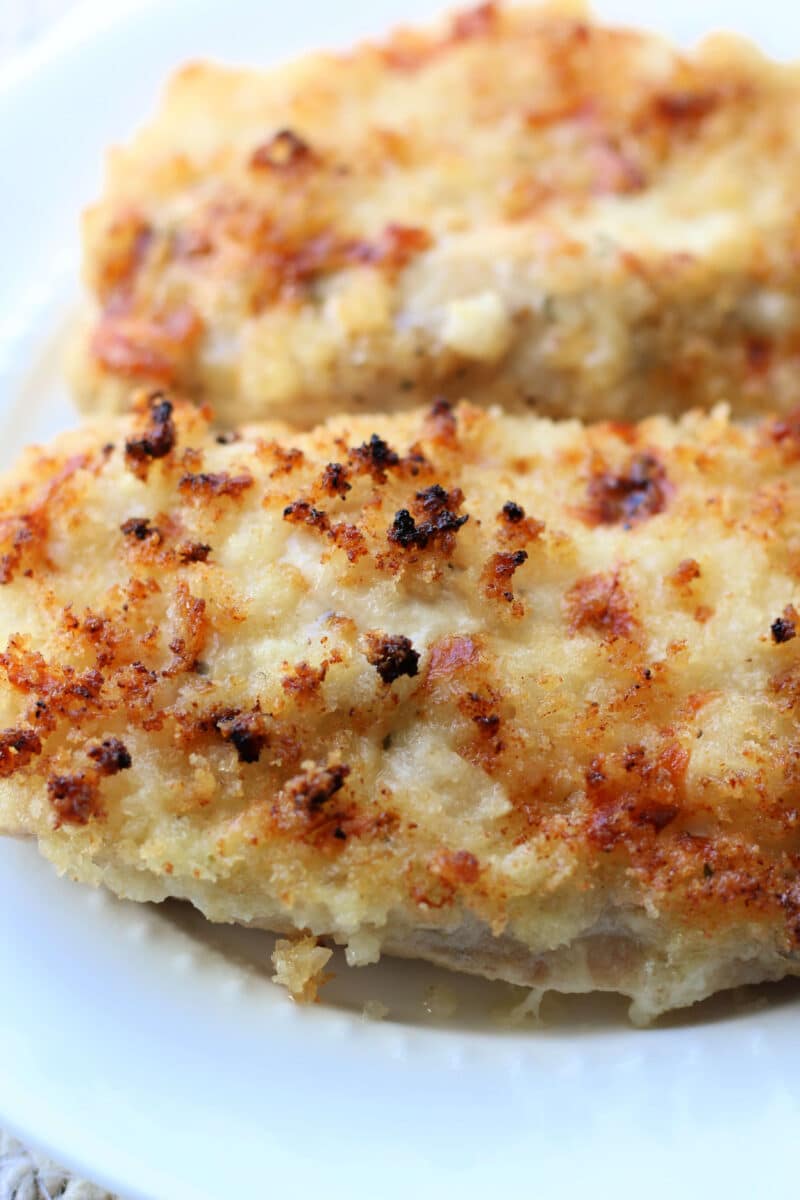
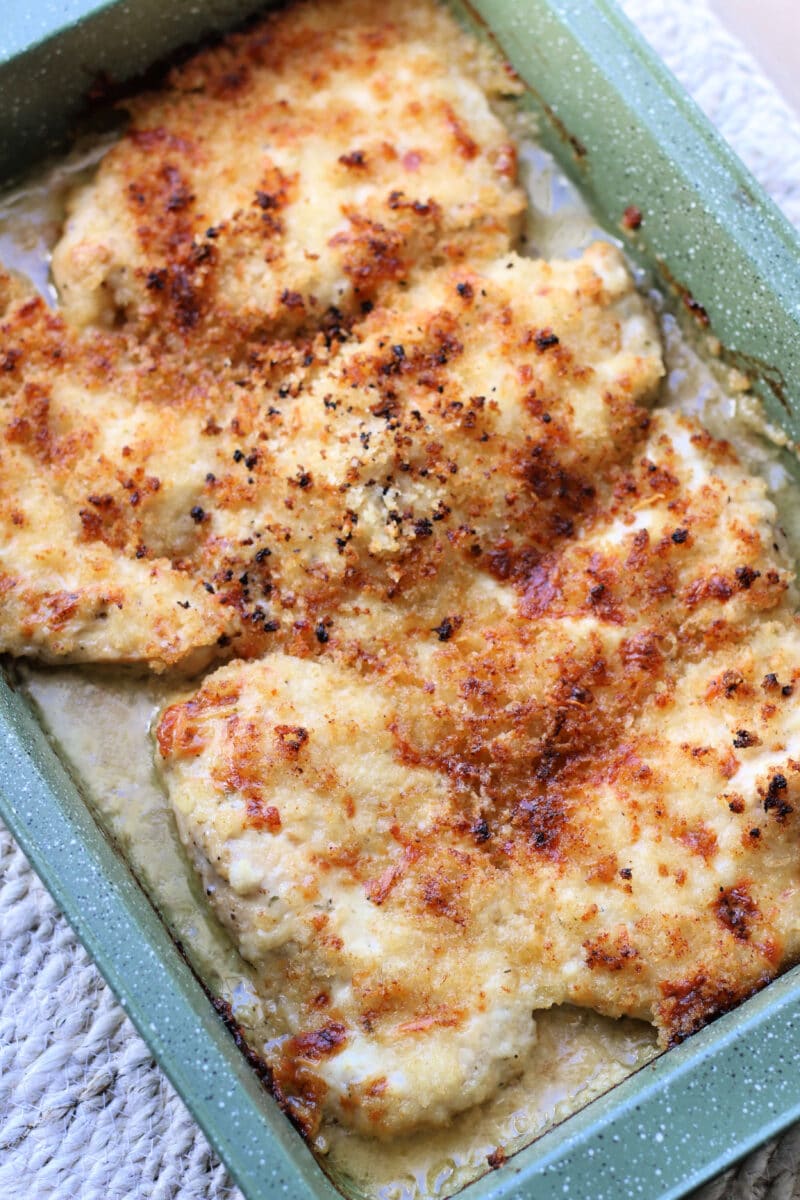
- The Finishing Broil: The final step involves switching the oven to the broiler setting for approximately 60 seconds. This intense top-down heat flash-caramelizes the cheese and toasts the panko to a deep golden hue without overcooking the interior of the chicken.
- Safety Verification: Standard food safety protocols dictate that the internal temperature of the poultry must reach 165°F (74°C) to ensure the elimination of foodborne pathogens.
Economic and Market Context
The popularity of the Longhorn Steakhouse Parmesan Chicken recipe reflects broader shifts in the hospitality and grocery industries. Data from the National Restaurant Association indicates that "copycat" cooking—recreating restaurant-branded dishes at home—surged by over 40% between 2020 and 2023.
Cost-Benefit Analysis for Consumers
At a standard Longhorn Steakhouse location, a Parmesan Crusted Chicken entrée typically retails between $16.99 and $20.99, depending on the region and included sides. In contrast, the cost of ingredients to produce four servings at home is estimated at approximately $12.00 to $15.00 total, or roughly $3.00 to $3.75 per serving. This significant price discrepancy has driven the viral nature of the recipe on platforms like Pinterest and TikTok, where home cooks share tips for achieving the "perfect crust."

The "Ranch Dressing" Factor
The reliance on ranch dressing as a primary flavor driver is not accidental. Market research suggests that ranch remains the most popular salad dressing in the United States, with a market value exceeding $1 billion annually. By incorporating this familiar flavor profile into a premium chicken dish, Longhorn Steakhouse tapped into a pre-existing consumer preference, ensuring the dish’s longevity on the menu.
Official Responses and Culinary Analysis
While Darden Restaurants does not typically release the exact proprietary spice blends for their menu items, the company has frequently highlighted the importance of "fresh, never frozen" poultry in their marketing materials. In various corporate social responsibility reports, Darden has emphasized their commitment to sourcing high-quality protein, which they cite as the reason for the dish’s consistency across their 500+ locations.
Culinary analysts note that the success of the Parmesan Chicken also lies in its "perceived value." The combination of melted cheese and crunchy breadcrumbs provides a sensory experience that feels indulgent, similar to fried chicken, but with the perceived health benefit of being "baked." This psychological positioning helps the dish maintain its status as a top-seller for the brand.
Broader Impact on the Casual Dining Sector
The enduring legacy of dishes like the Longhorn Steakhouse Parmesan Chicken has forced competitors in the casual dining sector, such as Texas Roadhouse and Outback Steakhouse, to innovate their own "smothered" or "crusted" poultry offerings. This has led to a "crust war" within the industry, where chains vie for the most unique combination of toppings to differentiate their menu.
Furthermore, the transition of this recipe into the digital "foodie" ecosystem has created a new form of brand loyalty. When home cooks successfully recreate the Longhorn experience in their own kitchens, it often reinforces the brand’s association with "craveable" flavors, potentially leading to increased foot traffic when those consumers decide to dine out.
Implications for Future Menu Development
As nutritional transparency becomes more prevalent, dishes like the Parmesan Chicken face scrutiny regarding caloric density and sodium content. A standard restaurant serving can exceed 600 calories, excluding sides. Consequently, the "home-enriched" versions of the recipe, such as those that suggest using sheet pans for increased crispiness without additional oil, allow consumers to customize the dish to meet specific dietary needs, such as lower-fat cheese substitutions or gluten-free panko.
The Longhorn Steakhouse Parmesan Chicken remains more than just a menu item; it is a case study in how a specific combination of acidity, fat, and texture can define a brand’s culinary identity. Whether prepared in a professional high-volume kitchen or in a domestic oven, the dish continues to represent the intersection of American comfort food and strategic culinary engineering.
