
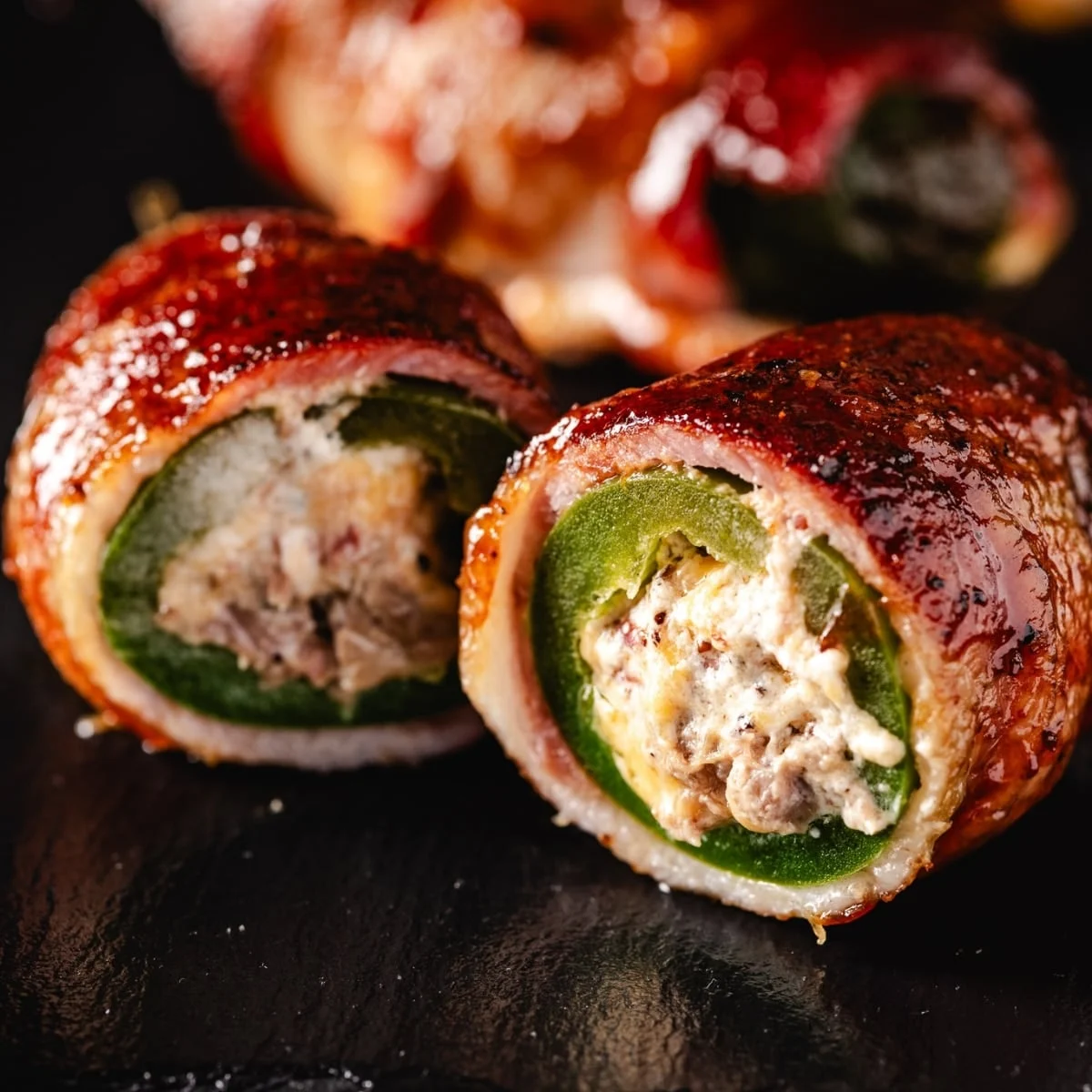
The Texas Twinkie has emerged as a cornerstone of contemporary American barbecue culture, representing a sophisticated fusion of traditional smoking techniques and the creative innovation often found in regional "Tex-Mex" cuisine. Unlike the snack cake from which it derives its name, the Texas Twinkie is a savory, high-protein appetizer consisting of a large jalapeño pepper stuffed with a blend of cream cheese and smoked beef brisket, wrapped in thick-cut bacon, seasoned with a dry rub, and slow-smoked until the components reach a structural and flavorful harmony. This culinary development has transitioned from a niche regional specialty found in North Texas to a viral sensation that dictates menu trends in smokehouses across the United States.
The Anatomy of a Regional Icon
To understand the Texas Twinkie, one must first analyze its individual components, each of which carries significant weight in the hierarchy of Southern and Southwestern cuisine. The foundation is the jalapeño pepper, a fruit belonging to the species Capsicum annuum. On the Scoville scale, jalapeños typically range from 2,500 to 8,000 heat units, providing a manageable but distinct pungency. In the construction of a Texas Twinkie, the pepper acts as a vessel, often deseeded to mitigate extreme heat while retaining its bright, vegetal notes.
The filling represents the "luxury" element of the dish. While traditional jalapeño poppers utilize a simple cream cheese or cheddar stuffing, the Texas Twinkie incorporates chopped or shredded smoked brisket. Brisket, often referred to as the "Holy Grail" of Texas barbecue, requires a meticulous smoking process that can last anywhere from 12 to 18 hours. By utilizing this premium protein, the Texas Twinkie elevates the humble stuffed pepper into a gourmet experience. The addition of cream cheese and sharp cheddar provides the necessary fat and acidity to balance the smoke and spice.

The exterior is defined by a bacon wrap. In the world of competitive barbecue and commercial smokehouses, the choice of bacon is critical; it must be thin enough to crisp during the smoking process but durable enough to secure the filling. The final touch is the application of a dry rub—often a "Sweet Rub" containing brown sugar, paprika, and garlic—and a glaze of Texas-style barbecue sauce, which is typically tomato-based with a vinegar and pepper profile.
Historical Lineage: From Poppers to Twinkies
The Texas Twinkie did not emerge in a vacuum; it is the direct descendant of the jalapeño popper, a dish that gained national popularity in the 1980s and 1990s as a staple of American bar food. The specific iteration known as the Texas Twinkie is widely credited to Hutchins BBQ, a family-owned establishment with locations in McKinney and Frisco, Texas.
The chronology of the Texas Twinkie’s rise is tied to the broader "New School BBQ" movement of the 2010s. During this period, pitmasters began experimenting with traditional brisket, looking for ways to utilize "points" and "flats" in more versatile formats. Hutchins BBQ introduced the item as a limited-run specialty, but its popularity quickly forced it into a permanent spot on the menu.
The viral nature of the dish can be traced back to approximately 2015-2017, when food bloggers and barbecue enthusiasts began documenting the "cross-section" of the Twinkie on social media platforms like Instagram. The visual appeal of the sliced pepper—revealing the concentric layers of bacon, pepper, cheese, and brisket—became a hallmark of food-related digital content. This visibility led to national recognition, eventually resulting in Hutchins BBQ offering nationwide shipping for their signature item, a logistical feat that underscores the high demand for this specific regional delicacy.

The Science of the Smoke: Technical Culinary Requirements
The production of a Texas Twinkie involves complex thermal dynamics. Unlike deep-fried poppers, smoked Twinkies must be cooked at a "low and slow" temperature, typically between 225°F and 250°F (107°C to 121°C). This temperature range is essential for several reasons:
- Fat Rendering: The bacon must render its fat slowly to avoid becoming chewy or excessively greasy. As the fat melts, it bastes the jalapeño and the brisket filling, enhancing the overall moisture of the dish.
- The Smoke Ring: Although the brisket inside is already cooked, the smoking process allows for a secondary infusion of wood-fire flavor. Hickory, oak, or pecan woods are traditionally used in Texas to provide a robust, earthy smoke profile.
- Structural Integrity: If cooked at too high a heat, the cream cheese filling may liquefy and leak before the bacon has set. Professional pitmasters often use toothpicks or specialized racks to ensure the Twinkies maintain their shape throughout the two-hour smoking duration.
Data suggests that the "Sweet Rub" seasoning plays a chemical role beyond flavor. The sugar content in the rub undergoes caramelization and the Maillard reaction, contributing to the dark, mahogany-colored crust (known as "bark") on the exterior of the bacon.
Market Expansion and the Influence of Digital Creators
The transition of the Texas Twinkie from a restaurant secret to a home-cooking staple has been accelerated by culinary influencers such as Susie Bulloch of "Hey Grill Hey." By providing accessible recipes and specialized commercial products—such as signature rubs and sauces—these creators have democratized professional-grade barbecue.
The commercial impact is significant. The barbecue industry has seen a surge in the sales of pellet grills and offset smokers for residential use. As consumers invest in this hardware, they seek out "show-stopper" recipes like the Texas Twinkie to justify the expense and time commitment of smoking meats. Bulloch’s contribution to this ecosystem involves not just the recipe, but the technical guidance on how to repurpose leftover brisket, thereby addressing food waste in the household—a concern that resonates with modern, budget-conscious consumers.

Economic Realities: Brisket Management and Restaurant Margins
From a business perspective, the Texas Twinkie is a masterclass in menu engineering and inventory management. In a commercial barbecue setting, brisket is the most expensive and most volatile item on the menu. Prices for USDA Prime brisket can fluctuate wildly based on cattle market trends.
Furthermore, the process of trimming a whole packer brisket results in significant "trim"—fat and meat scraps that are not suitable for high-priced sliced plates. By dicing these trimmings or utilizing unsold brisket from the previous day’s service, restaurants can convert "waste" into a high-margin appetizer. A single Texas Twinkie can retail for $5.00 to $9.00 in a restaurant setting, providing a much higher profit margin per ounce than a standard meat platter.
Broader Impact and Culinary Implications
The success of the Texas Twinkie has paved the way for other "stuffed" barbecue innovations, such as the "Armadillo Egg" (a jalapeño popper encased in sausage meat and wrapped in bacon) and the "Texas Torpedo." These dishes represent a shift in American appetizer culture, where the expectation for flavor density and textural contrast has reached an all-time high.
Furthermore, the Texas Twinkie has become a symbol of "Texas identity" in the global food market. As American barbecue styles (Central Texas, Memphis, Kansas City, and Carolina) continue to export themselves to international markets like London, Tokyo, and Sydney, the Texas Twinkie often serves as the entry point for diners. It encapsulates the "everything is bigger in Texas" philosophy, offering a dense, calorie-rich, and flavor-forward experience in a single handheld unit.

Nutritionally, the Texas Twinkie is a high-calorie, high-fat food item. A single serving can contain upwards of 479 calories, with significant amounts of saturated fat and sodium. While this makes it an occasional "indulgence" or game-day snack rather than a dietary staple, its nutritional profile is consistent with the broader category of American comfort food.
Conclusion: The Future of the Texas Twinkie
As culinary trends continue to evolve, the Texas Twinkie appears to have secured a permanent place in the American barbecue canon. Its ability to bridge the gap between traditional slow-smoking and modern, viral-friendly food presentation ensures its continued relevance. Whether prepared in a professional smokehouse like Hutchins BBQ or in a backyard setting using a digital recipe, the Texas Twinkie remains a testament to the ingenuity of pitmasters who strive to maximize flavor and minimize waste.
The ongoing commercialization of the dish—through pre-made shipments, specialized seasonings, and even appearance on national television programs—suggests that we are only in the middle chapters of the Texas Twinkie’s history. As long as there is an appetite for the combination of heat, smoke, salt, and fat, this jalapeño-based marvel will continue to be a dominant force in the world of barbecue.
