
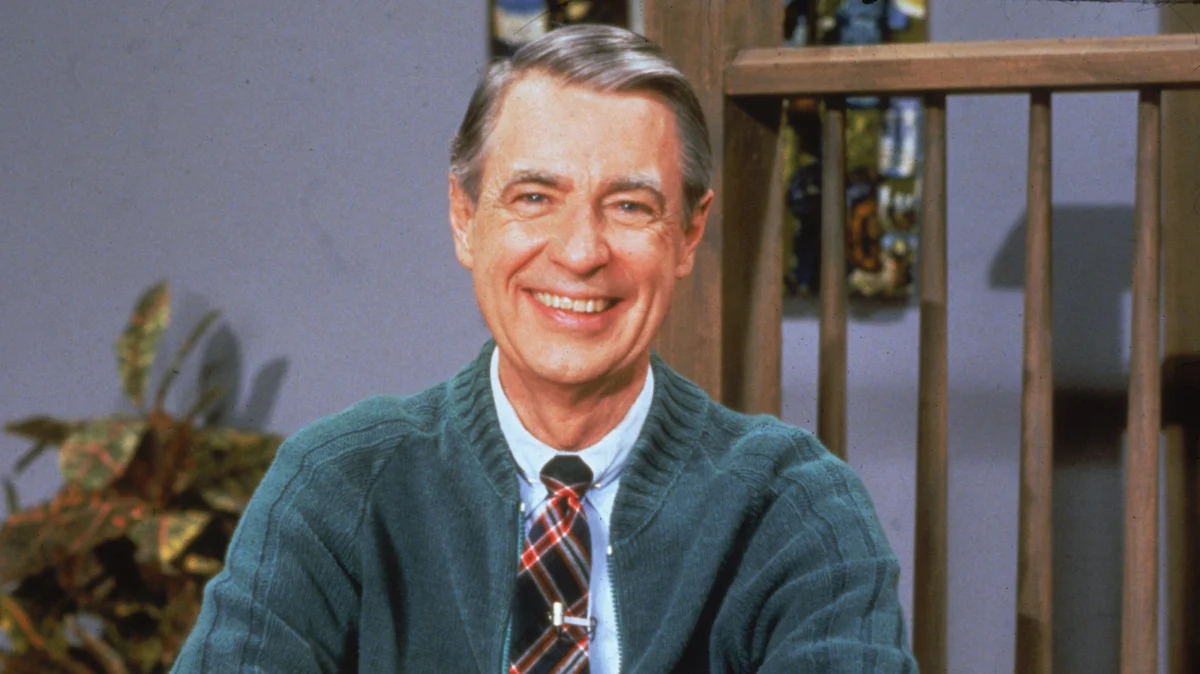
Grilled cheese sandwiches, a universally beloved comfort food, occupy a unique space in the culinary landscape. While some may aspire to create extravagant versions featuring ingredients like caviar, black truffle, and Wagyu beef, a simpler approach often yields equally satisfying results. This is a philosophy embodied by none other than Fred Rogers, the beloved American television personality. Contrary to what one might imagine, Mister Rogers, known for his gentle demeanor and profound messages of kindness, had an exceptionally straightforward method for preparing his favorite grilled cheese: an open-faced preparation baked in the oven.
This revelation, shared by the Fred Rogers Institute, offers a charming glimpse into the personal habits of a man who touched the lives of millions. The institute posted a photograph on Facebook commemorating National Grilled Cheese Day, showing Mister Rogers retrieving golden-brown, toasted sandwiches from an oven. The accompanying caption highlighted his vegetarianism and his penchant for this particular open-faced preparation. This simple yet effective method stands in contrast to the stovetop or sandwich grill techniques commonly employed, offering a practical advantage for those needing to prepare multiple servings, a detail that resonates with Rogers’s ethos of community and sharing, often referring to his viewers as "neighbors."
The Genesis of a Vegetarian Icon and His Culinary Simplicity
Fred Rogers’s journey to vegetarianism began in the 1970s, a period of significant personal growth and a deepening commitment to his core values. His iconic program, "Mister Rogers’ Neighborhood," which premiered in 1968 and ran for over three decades, consistently championed kindness, empathy, and understanding. Rogers’s philosophy was distilled in his often-quoted adage: "There are three ways to ultimate success: The first way is to be kind. The second way is to be kind. The third way is to be kind." This profound belief in universal kindness naturally extended to his relationship with animals. By embracing vegetarianism, Rogers sought to align his actions with his teachings, ensuring his compassion extended beyond human interactions.
In a 1983 interview with Vegetarian Times, Rogers elaborated on his decision. He explained that he had stopped eating meat, fish, and fowl approximately ten years prior. His reasoning was rooted in a growing aversion to consuming animals he had seen alive. This shift in diet was not a dramatic, sudden change but rather a gradual evolution as he matured. Unlike some Hollywood figures whose dietary preferences could be considered eccentric—Marlon Brando, for instance, was known to consume an entire jar of peanut butter in one sitting—Rogers maintained a remarkably spartan and health-conscious diet. His typical meals consisted of milk and cereal or fruit and toast for breakfast, peaches and cottage cheese for lunch, and tofu and vegetables for dinner. He also expressed a fondness for tofu burgers and beets. The open-faced grilled cheese, therefore, likely represented a cherished indulgence, a deviation from his otherwise disciplined dietary regimen.
The Open-Faced Oven Method: Efficiency and Community
The open-faced grilled cheese preparation attributed to Mister Rogers is remarkably straightforward, requiring minimal ingredients and effort. The process involves buttering slices of bread, topping them with cheese, and then placing them in a preheated oven until the cheese is melted and the bread is toasted to a golden crisp. This method offers distinct advantages over traditional stovetop cooking. The most notable benefit is its scalability. Baking in an oven allows for the simultaneous preparation of multiple sandwiches, making it an ideal solution for feeding a crowd. This efficiency aligns perfectly with Rogers’s frequent use of the term "neighbor" to address his audience, suggesting a communal spirit even in his personal habits. The Fred Rogers Institute’s comment about it being "efficient if you need to make them for neighbors" directly references this aspect of his broadcast persona and his underlying philosophy.
The simplicity of the recipe also underscores Rogers’s practical and down-to-earth approach to life. It suggests that even a figure as revered and influential as Mister Rogers found joy and satisfaction in the most basic of culinary pleasures. This accessibility makes his culinary preferences relatable and endearing, further solidifying his image as a man of the people.
Broader Context: Vegetarianism in Public Figures and Culinary Trends
Fred Rogers’s vegetarianism, while personally significant, also places him within a broader historical context of public figures adopting plant-based diets. Throughout the 20th and 21st centuries, vegetarianism and veganism have gained increasing traction, driven by ethical, environmental, and health concerns. Celebrities and public figures have often played a role in popularizing these dietary choices, bringing them into mainstream consciousness. Rogers, with his immense influence on children and families, provided a gentle, positive example of a vegetarian lifestyle, demonstrating that it was compatible with a life of compassion and well-being.
The popularity of grilled cheese sandwiches itself is a testament to their enduring appeal. From humble beginnings as a budget-friendly meal, the grilled cheese has evolved into a canvas for culinary creativity. While artisanal versions with gourmet cheeses and exotic additions garner attention, the classic, simple grilled cheese retains its status as a beloved comfort food. Mister Rogers’s oven-baked, open-faced version offers a unique twist that is both nostalgic and practical, appealing to a desire for simplicity and wholesomeness.
Analysis of Implications: The Enduring Legacy of Simplicity
The revelation of Mister Rogers’s grilled cheese method serves as a gentle reminder that profound impact does not always require complexity. In a world often characterized by elaborate presentations and high-brow culinary trends, Rogers’s choice of a simple, open-faced sandwich baked in the oven speaks volumes about his priorities. It suggests that genuine connection, kindness, and the sharing of simple joys were paramount.
This culinary insight also reinforces the enduring appeal of "Mister Rogers’ Neighborhood." The show’s success was not built on flashy production or sensationalism but on genuine connection, thoughtful communication, and unwavering kindness. His personal habits, like his dietary choices and his approach to cooking, mirror these core values. The ease with which his grilled cheese could be prepared for "neighbors" underscores his commitment to community and his ability to make everyone feel welcome and valued.
For those seeking a more indulgent grilled cheese experience, the article hints at alternative recipes, such as the "Ultimate Grilled Cheese." However, it concludes by subtly advocating for the appreciation of simpler pleasures, suggesting that Rogers’s open-faced version, and by extension, his philosophy of kindness, offers its own unique form of satisfaction. The article implicitly argues that the "kindness" Rogers preached extends even to one’s culinary choices, favoring simplicity and nourishment over ostentation.
In conclusion, the open-faced, oven-baked grilled cheese sandwich of Fred Rogers is more than just a recipe; it is a small, edible emblem of his life’s work. It embodies his commitment to simplicity, efficiency, and a spirit of neighborly generosity, reminding us that the most profound comforts can often be found in the most unassuming of forms. His dietary choices, particularly his long-standing vegetarianism, further illuminate his dedication to living a life consistent with his compassionate message, making his simple grilled cheese a fitting, heartwarming footnote in the legacy of a beloved television icon.
