
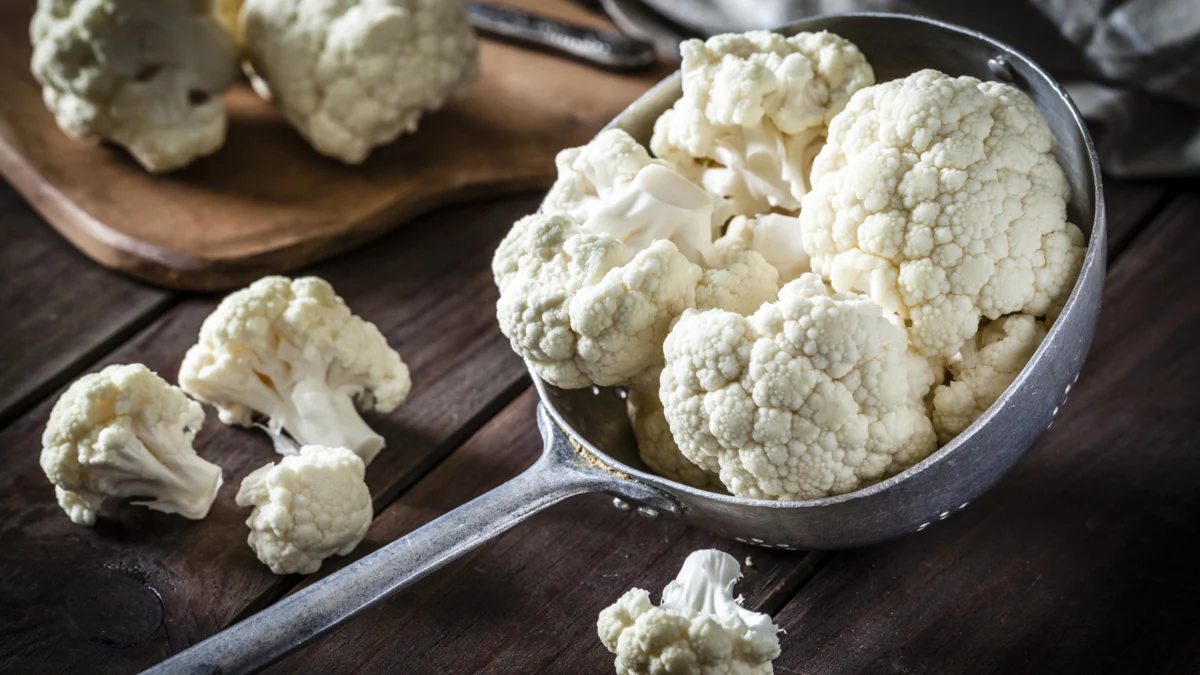
The culinary world is perpetually seeking innovative ways to transform familiar ingredients, and the "melting method" has emerged as a captivating technique for achieving an unparalleled tender texture in vegetables. While previously popularized for its transformative effect on potatoes and cabbage, this slow-cooking and braising hybrid is now setting its sights on cauliflower, promising a delightfully yielding and deeply flavorful experience. This method, which involves a high-heat roast followed by a gentle braise, unlocks a new dimension of taste and texture for this versatile cruciferous vegetable.
The Genesis of the Melting Method: A Culinary Evolution
The "melting method" isn’t a sudden culinary revelation but rather an evolution of established cooking techniques, amplified by the accessibility of detailed culinary science and the viral nature of online food communities. The core concept marries the caramelization achieved through high-temperature roasting with the moisture and tenderness imparted by slow braising. This duality is key to its success. Roasting first at temperatures often exceeding 450 degrees Fahrenheit (approximately 230 degrees Celsius) initiates the Maillard reaction, a complex chemical process responsible for browning and the development of hundreds of new flavor compounds. This stage is critical for building a foundational layer of savory depth and a pleasing textural contrast.
Following this initial caramelization, the addition of a cooking liquid, such as broth, stock, or even wine, transforms the cooking environment. The vessel is then covered, and the heat is significantly reduced, allowing the cauliflower to gently absorb the liquid, break down its cellular structure, and achieve that signature "melting" quality. This process is akin to a slow, controlled stewing, but with the pre-existing flavor base established by the initial roast.
The popularity of this technique surged, particularly within home cooking circles, around late 2025 and early 2026. Platforms dedicated to food trends and recipe sharing saw a significant uptick in content showcasing "melting" vegetables. Initially, fondant potatoes, a classic French dish that achieves a similar tenderness through slow braising in stock, provided a familiar reference point. However, cooks began experimenting with other dense vegetables, finding that cabbage, with its layered structure, and sturdier root vegetables responded exceptionally well. The visual appeal of deeply caramelized edges giving way to an incredibly soft interior made these dishes highly shareable, fueling their widespread adoption.
Mastering the Melt: Technique and Considerations for Cauliflower
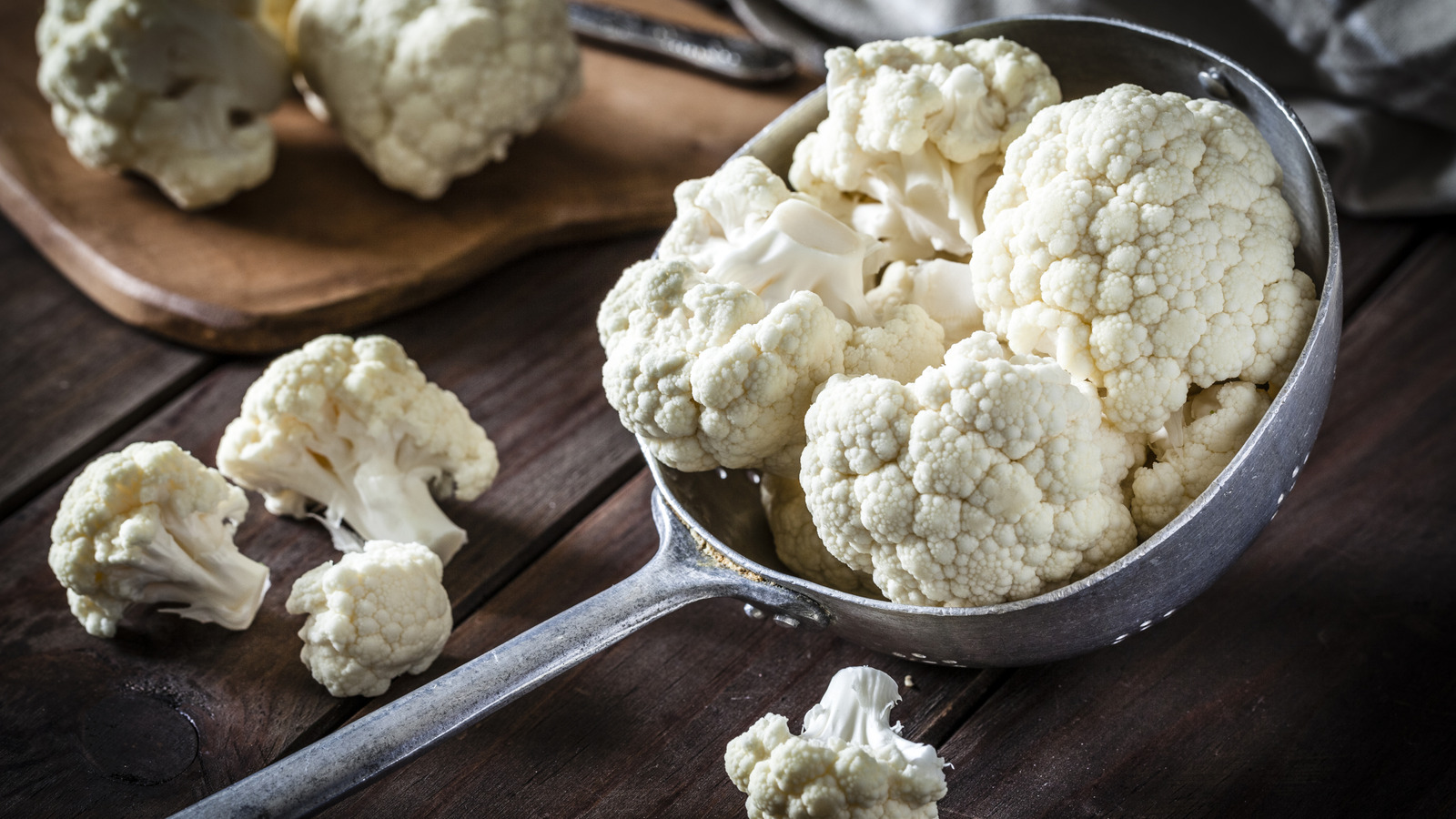
Applying the melting method to cauliflower requires a nuanced approach, focusing on achieving optimal texture and flavor. The size of the cauliflower florets is a crucial variable. Pieces that are too small risk burning entirely during the initial high-heat roasting phase, negating the intended caramelization without softening. Conversely, excessively large florets, such as those exceeding three inches, may require a longer braising time to achieve the desired melting consistency. The sweet spot for cauliflower florets, according to culinary experts observing this trend, generally falls between 1.5 to 2 inches in thickness. This size allows for sufficient surface area to caramelize effectively while ensuring that the interior cooks through during the braising stage.
The choice of braising liquid significantly influences the final flavor profile. While a simple chicken or vegetable broth can suffice, culinary enthusiasts are encouraged to elevate the liquid with additional seasonings and aromatics. Ingredients such as Dijon mustard, herbs like thyme or rosemary, garlic cloves, onion powder, or even a splash of white wine can impart a more complex and layered taste to the melted cauliflower. The interaction between the caramelized vegetable sugars and the braising liquid creates a rich, savory sauce that coats each piece, further enhancing its appeal.
The process typically begins by preheating an oven to a high temperature, often between 450-475°F (230-245°C). The prepared cauliflower florets are then tossed with a bit of oil and seasonings and spread in a single layer on a baking sheet or in an oven-safe skillet. They are roasted for approximately 15-20 minutes, or until a desirable level of browning and caramelization is achieved. Following this, the braising liquid is added to the pan, ensuring it comes partway up the sides of the florets. The oven temperature is then reduced to a moderate heat, typically around 325-350°F (160-175°C), and the dish is covered tightly with a lid or foil. The braising time can vary, but generally ranges from 30 to 45 minutes, or until the cauliflower is exceptionally tender and easily pierced with a fork.
The Culinary Implications: Versatility and Flavor Enhancement
The resulting "melted" cauliflower possesses a unique textural quality, characterized by a near-dissolving softness that is beautifully contrasted by the slightly firmer, caramelized edges. This textural interplay prevents the dish from becoming monotonous and adds a sophisticated mouthfeel. The flavor profile is equally adaptable, drawing complexity from both the initial roasting and the chosen braising liquid. This inherent versatility makes melted cauliflower a highly adaptable side dish, capable of complementing a wide array of main courses.
For instance, a batch of melted cauliflower seasoned with classic Italian herbs could serve as an elegant topping for dishes like Ina Garten’s popular cauliflower toast. The rich, softened cauliflower provides a satisfying base that mimics the texture of cheese or a creamy spread.
In a different culinary direction, cauliflower melted with a touch of harissa paste infused into the braising liquid can offer a spicy and aromatic counterpoint to richer meats. This preparation would pair exceptionally well with lamb dishes, from slow-cooked leg of lamb to pan-seared lamb chops. The heat and complexity of the harissa, combined with the tender cauliflower, would cut through the richness of the lamb, creating a balanced and exciting flavor combination.
Furthermore, a simpler preparation, featuring garlic and a light dusting of Parmesan cheese tossed in with the melted cauliflower, could provide a sophisticated accompaniment to lighter fare. Imagine this under a bright and zesty sheet pan chicken piccata, where the melted cauliflower would absorb some of the tangy lemon and caper sauce, adding another layer of flavor and texture to the overall meal.
The beauty of the melting method lies in its capacity for adaptation. Home cooks and professional chefs alike can experiment with different flavor profiles, drawing inspiration from global cuisines. Spices like curry powder, smoked paprika, or even a hint of miso can be incorporated into the braising liquid to create entirely new flavor dimensions. The fundamental technique remains the same, but the potential for creative expression is virtually limitless.
Broader Impact and Future Culinary Trends
The increasing exploration of techniques like the "melting method" signifies a broader trend in the culinary landscape: a desire for elevated home cooking and a deeper understanding of how to coax maximum flavor and texture from everyday ingredients. As more people embrace plant-forward diets or seek to reduce their meat consumption, vegetables are increasingly taking center stage. The melting method offers a way to transform humble vegetables into star attractions, providing satisfying textures and complex flavors that can rival their meat-based counterparts.
This trend also highlights the influence of digital platforms and social media in democratizing culinary knowledge. Recipes and techniques that might have once been confined to professional kitchens are now accessible to anyone with an internet connection, fostering a global community of cooks eager to share their discoveries and innovations. The "melting method" for cauliflower is a prime example of this phenomenon, showcasing how a simple yet effective technique can gain widespread traction and inspire creative culinary exploration.
As the culinary world continues to evolve, it is likely that we will see further refinements and variations of the melting method applied to an even wider array of ingredients. The focus on transforming vegetables through intelligent cooking techniques underscores a growing appreciation for the versatility and potential of plant-based ingredients. The melting of cauliflower, therefore, is not merely a fleeting trend but a testament to the ongoing innovation and artistry within the realm of food. The future of cooking, it seems, is about finding new ways to unlock the inherent deliciousness of what we already have.
