
Subway, a global leader in the quick-service restaurant industry, has officially introduced its first-ever value menu, signaling a significant shift in its long-standing pricing strategy. This new offering aims to provide budget-conscious consumers with more affordable options, featuring eleven six-inch sandwiches and four "Protein Pockets" – wraps boasting over 20 grams of protein – all priced under $5. While this move represents a historic first for the sandwich giant, it arrives decades after the brand cemented its identity with the iconic, and now almost mythical, $5 Footlong promotion, a deal that, in retrospect, defined an era of fast-food value and continues to cast a long shadow over the brand’s pricing perception.
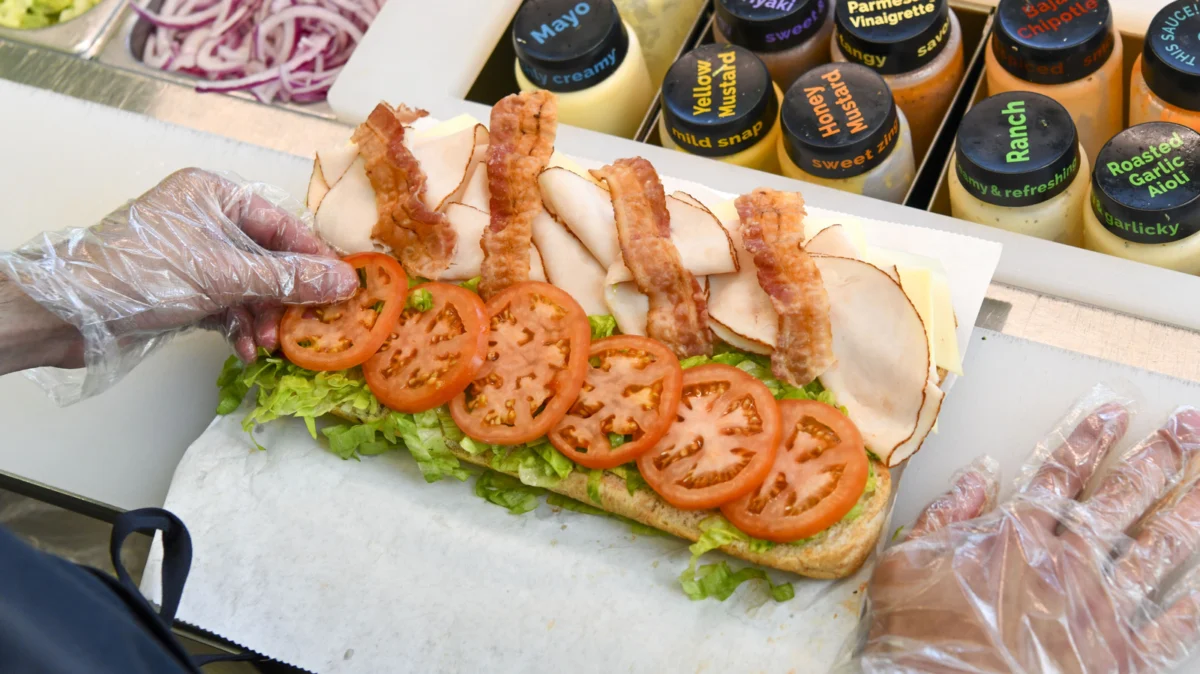
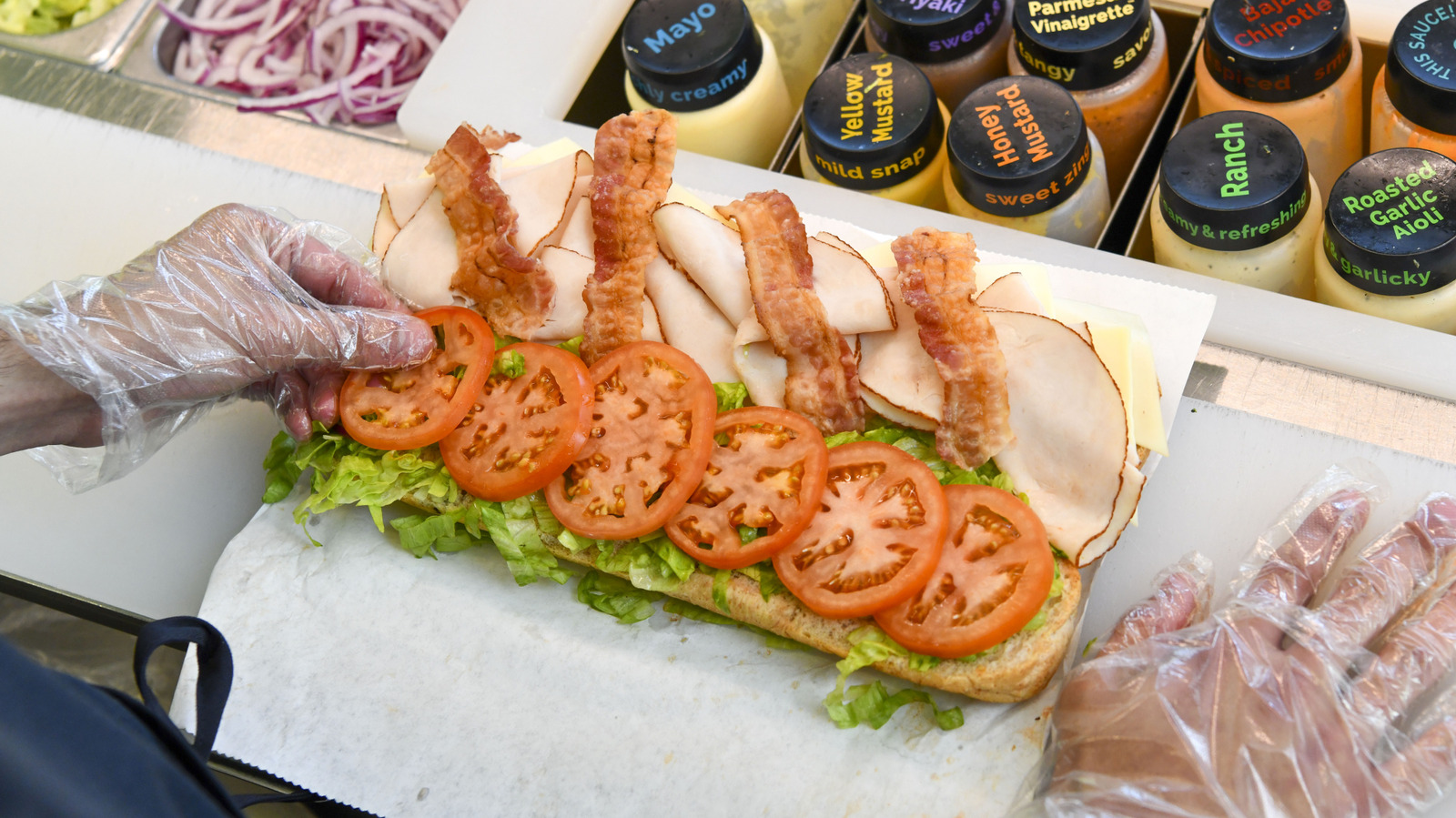
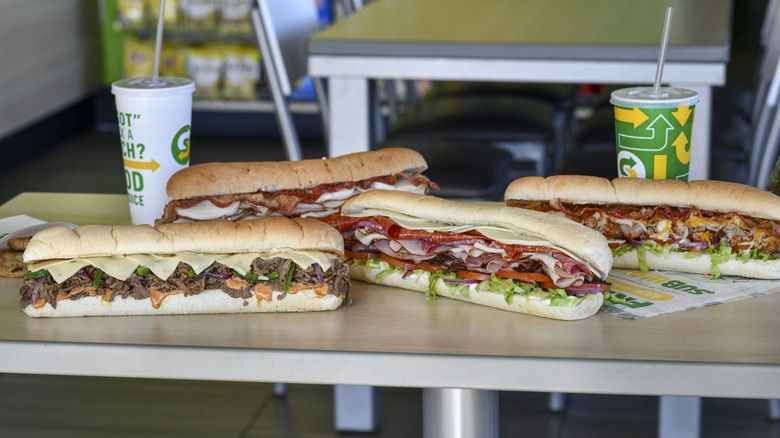
The new value menu introduces a selection of familiar favorites alongside new creations. Customers can now opt for classic Subway sandwiches such as the BLT or the Cold Cut Combo, which includes ham, salami, and turkey-based bologna. Joining these are two new additions: the Spicy Pepperoni and the Ham and Salami. The Protein Pockets, already a part of the menu, include varieties like the Baja Chicken, Peppercorn Ranch Chicken, Italian Trio, and Turkey & Ham. Complementing these permanent offerings, Subway has also implemented a daily special, featuring a different six-inch sandwich each day of the week for $4.99. These specials often bear alliterative names, such as "Meatball Monday" for the Meatball Marinara and "Tuna Tuesday" for the Classic Tuna. This strategic rollout, announced initially in January, aims to recapture a segment of the market increasingly sensitive to food costs, particularly in the wake of broader economic pressures.
The Echo of the $5 Footlong: A Revolution in Value
To truly understand the significance of Subway’s new value menu, one must revisit the phenomenon that was the $5 Footlong. This promotional deal, which first emerged from a single franchisee in 2003, Stuart Frankel, became a nationwide sensation by March 2008. Its impact was nothing short of revolutionary. What began as a strategic initiative to drive traffic and market share quickly escalated into a defining element of Subway’s brand identity. The sheer affordability of a full foot-long sandwich for just $5 offered an unprecedented level of value in the fast-food landscape.
The success of the $5 Footlong was staggering. It is estimated that this promotion alone contributed approximately $4 billion annually to Subway’s revenue, a figure that dramatically outpaced competitors. For context, this revenue stream was reportedly 33% higher than Domino’s total U.S. sales at the time. The deal’s brilliance lay in its simplicity and the undeniable perceived value. Consumers could get a customizable, substantial meal for a price that felt almost too good to be true. However, this remarkable affordability came at a cost to the franchisees, who were forced to operate on razor-thin profit margins. By 2012, the strain on these margins, coupled with rising operational costs, led to the eventual phasing out of the $5 Footlong promotion.
The allure of such a successful promotion, however, proved difficult for Subway to abandon. The company attempted to reintroduce the $5 Footlong in 2017, but the landscape had changed. The intervening years had seen significant increases in the costs of food, rent, and labor. For many franchisees, the margins that were once tight had now become outright losses on certain sandwich sales. This led to considerable franchisee dissatisfaction and the subsequent discontinuation of the deal once again in 2018. A further attempt in 2020, offering two foot-long sandwiches for $10, proved to be a short-lived endeavor, reportedly canceled just two weeks into an 11-week planned run due to its perceived failure and negative impact on profitability.
Economic Realities: Inflation’s Impact on Fast Food Value
The challenges Subway faces in reintroducing value-driven options are not unique to the brand. The economic climate of the past decade, marked by persistent inflation, has fundamentally altered the economics of the fast-food industry. The era of the "dollar menu," once a staple for many major chains, has largely dissolved. For instance, McDonald’s once-celebrated dollar menu has been replaced by more varied, and generally higher-priced, value offerings. This broader trend underscores the pervasive impact of rising commodity prices, supply chain disruptions, and increased labor costs on the entire food service sector.
When comparing Subway’s current value menu pricing to the historical $5 Footlong, it is crucial to acknowledge the significant shifts in the economic environment. A six-inch sandwich for $4.99, while seemingly a step back from the former foot-long deal, represents a more realistic price point in today’s inflationary landscape. For instance, a single McDonald’s Big Arch burger can now cost upwards of $12.99 in some locations, highlighting the substantial increase in the cost of even single fast-food items. In this context, a customizable six-inch Subway sandwich or wrap for $5 can still be considered a competitive and valuable offering, especially when contrasted with the prices of other fast-food staples.
The perception of value, however, is deeply ingrained. The memory of the $5 Footlong remains potent, leading many consumers to feel that current Subway prices are disproportionately high. This enduring psychological benchmark has likely contributed to Subway’s significant store closures. Since 2015, the company has reportedly closed nearly 8,000 locations globally, a stark indicator of the challenges the brand has faced in adapting to evolving consumer expectations and economic realities. The new value menu is, therefore, not just an attempt to offer lower prices, but also a strategic effort to recalibrate consumer expectations and demonstrate that value can still be found, albeit at different price points than those of a bygone era.
Data and Implications: Analyzing the Shift
The introduction of a dedicated value menu by Subway is a strategic response to several converging factors. Firstly, it acknowledges the increased price sensitivity of consumers, particularly in the wake of global economic uncertainty and rising inflation. Data from sources like the U.S. Bureau of Labor Statistics consistently show upward trends in food prices, impacting household budgets. For example, the Consumer Price Index for food away from home has seen steady increases, making affordable dining options more critical for many.
Secondly, the move aims to counter increased competition. The fast-casual and quick-service markets are highly competitive, with many brands actively promoting value-oriented deals to attract and retain customers. By establishing a clear value menu, Subway seeks to carve out a distinct position for itself in this segment, appealing to a demographic that prioritizes affordability in their dining choices.
The Protein Pockets, in particular, highlight a focus on nutritional value alongside affordability. With over 20 grams of protein, these wraps cater to a growing segment of consumers seeking healthier, more substantial meal options that can also serve as a filling lunch or dinner. This dual focus on cost and nutritional content is a smart strategic play in the current market.
The implications of this new strategy are multifaceted. For Subway, it represents a delicate balancing act: offering competitive pricing without compromising profitability or brand perception. The success of the value menu will depend on its ability to drive increased foot traffic and transaction volume, offsetting potentially lower per-item margins. It also necessitates effective communication to manage consumer expectations, reminding them of the historical context of the $5 Footlong while highlighting the current value proposition.
For franchisees, the new menu offers a potential avenue for increased sales and customer acquisition. However, their profitability will remain contingent on the operational efficiencies and the specific cost structures associated with the value menu items. The lessons learned from the previous $5 Footlong promotions, particularly regarding franchisee profitability, will undoubtedly inform the implementation and management of this new initiative.
The broader impact on the fast-food industry could see other chains re-evaluating their value offerings. As consumers continue to seek affordable dining solutions, the success of Subway’s new strategy may inspire further innovation in value-driven menus across the sector. Ultimately, the introduction of Subway’s first value menu marks a significant evolution for the brand, reflecting a necessary adaptation to prevailing economic conditions and a renewed commitment to offering accessible dining options to a wide customer base. The shadow of the $5 Footlong may linger, but Subway is clearly charting a new course, aiming to redefine value for a new generation of diners.
