
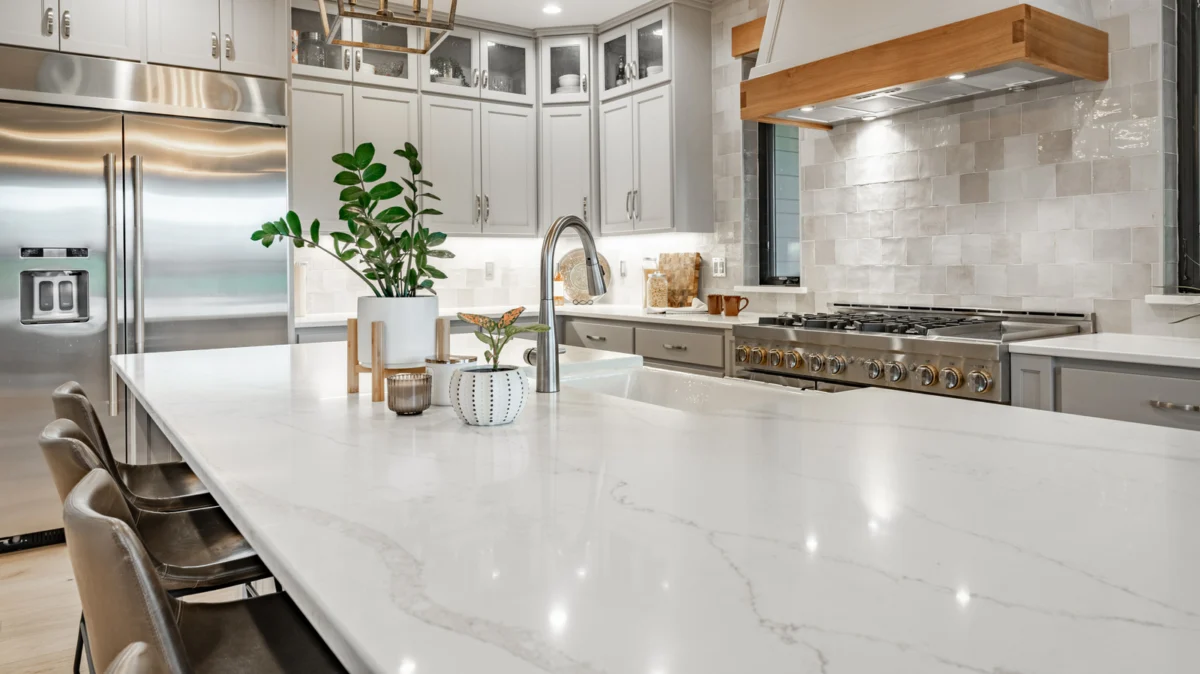
The kitchen, often considered the heart of the home, is a focal point for potential homebuyers and a significant factor in a homeowner’s daily life. When considering home improvements, the kitchen frequently tops the list, with renovations potentially yielding a substantial return on investment, ranging from 70% to 96% of the money spent, according to industry estimates. While updating cabinet hardware might be a straightforward cosmetic fix, the decision regarding kitchen countertops—whether to replace or refurbish—can present a more complex challenge. Cara Woodhouse, founder and principal designer of Cara Woodhouse Interiors, has extensive experience navigating these decisions, offering insights into the tell-tale signs that indicate a full replacement is the most prudent course of action.
Identifying the Tipping Point: When Refurbishment Becomes Inefficient
Woodhouse emphasizes that certain types of damage signal the need for a complete overhaul rather than a superficial repair. "Heavy staining that has penetrated deep into porous materials or widespread etching that has altered the surface integrity often requires more intensive work than it is worth," she explained. "At that point, you are investing in a temporary fix rather than a long-term solution." This sentiment underscores a crucial distinction: the difference between addressing cosmetic flaws and confronting structural or deep-seated damage that compromises the material’s fundamental quality and longevity.
While the age of a countertop is a natural consideration, Woodhouse clarifies that it is not merely the number of years that dictates replacement. "Age can absolutely be a determining factor when deciding whether to refurbish or replace countertops, but it is less about the number of years and more about how the material has aged over time," she advised. This nuanced perspective highlights that the material’s inherent durability, the quality of its installation, and its exposure to wear and tear are more critical indicators than a simple calendar count. Some materials, like certain natural stones, can develop a desirable patina over time, enhancing their aesthetic appeal. Others, however, may degrade significantly, losing their integrity and beauty.
Natural Stone: A Matter of Patina Versus Degradation
Natural stones such as marble or limestone possess a unique characteristic: they can develop a patina, a surface layer that adds depth and character with age. Woodhouse notes that "Natural stones like marble or limestone can patina beautifully and may be worth restoring if the wear is surface level, such as light etching or minor staining." In these instances, refurbishment can be a "smart and sustainable choice," aligning with eco-conscious renovation practices and preserving the material’s inherent charm. The key differentiator lies in the depth and nature of the damage. Surface-level imperfections that do not affect the material’s structural soundness or its ability to function as a countertop are often candidates for restoration.
However, there is a financial and practical limit to restoration efforts. "From a cost perspective, there is a tipping point where refurbishment becomes inefficient," Woodhouse stated. When the cumulative cost of repeated sealing, refinishing, or repairing problematic areas begins to approach or exceed the cost of new countertops, the economic rationale shifts. This point of diminishing returns is where homeowners must critically assess the long-term value proposition of their chosen course of action. Investing in countertop materials that are known to "get better with age," as suggested by some design experts, can mitigate future replacement needs and enhance the kitchen’s enduring appeal.
Beyond Aesthetics: Structural and Installation Concerns
The decision to replace countertops can extend beyond visible damage and cosmetic issues. Older installations may reveal underlying problems stemming from outdated fabrication techniques, thinner slab materials, or inadequate sealing methods that fail to meet contemporary standards. Woodhouse points out that "Older installations may also reflect outdated fabrication methods, thinner slabs, or improper sealing techniques that do not meet today’s standards," rendering refurbishment an impractical or ineffective solution. These deficiencies can lead to premature failure, increased susceptibility to damage, and diminished overall performance.
The continuous need for repeated interventions—whether resealing, refinishing, or repairing recurring issues—can become a costly and ultimately futile endeavor. "If you are repeatedly resealing, refinishing, or repairing problem areas, those costs begin to add up without truly extending the life of the material in a meaningful way," Woodhouse warned. This cycle of repairs suggests a fundamental flaw in the material or its installation, indicating that a replacement is necessary for a durable and lasting solution.
The Opportunity of Replacement: Enhancing Value and Quality
When replacement becomes the inevitable choice, Woodhouse frames it as a positive opportunity rather than a setback. "Replacement is not only more practical but also provides an opportunity to upgrade the quality, thickness, and fabrication of the stone, which ultimately adds more value to the home," she affirmed. This perspective encourages homeowners to view countertop replacement as a strategic investment that can significantly enhance both the functionality and the market value of their property.
The modern countertop market offers a vast array of materials, each with distinct properties, aesthetics, and price points. Advancements in fabrication technology and material science have led to the development of more durable, stain-resistant, and aesthetically versatile options than were available in the past. Choosing to replace countertops allows homeowners to:
- Upgrade Material Quality: Select from a wider range of premium materials known for their superior durability, such as engineered quartz, high-performance granite, or specialized solid surfaces.
- Enhance Thickness and Support: Opt for thicker slabs that offer a more substantial feel and improved resistance to chipping and cracking, often paired with enhanced sub-support systems.
- Improve Fabrication Techniques: Benefit from precise fabrication and installation methods that ensure a seamless fit, optimal sealing, and a more refined finish.
- Modernize Aesthetics: Align the kitchen’s look with current design trends or personal preferences, creating a more cohesive and appealing space.
- Increase Home Value: A well-executed countertop replacement can be a significant selling point, attracting potential buyers and commanding a higher resale price.
Analyzing the Broader Impact and Implications
The decision-making process surrounding kitchen countertops has broader implications for homeowners, real estate markets, and the construction industry. For homeowners, it involves a careful balance of budget, aesthetic desires, and long-term functionality. A well-chosen countertop not only elevates the kitchen’s visual appeal but also enhances its usability and resale value. Conversely, a poorly chosen or poorly maintained countertop can become a persistent source of frustration and a significant liability during a home sale.
In the real estate market, kitchens with updated, high-quality countertops are consistently more attractive to buyers. They signal a well-maintained and thoughtfully renovated home, often reducing the perceived need for immediate additional investment by the new owners. This can lead to quicker sales and potentially higher offers. The National Association of Realtors consistently reports that kitchen renovations are among the most desirable home improvements for homeowners planning to sell.
From an industry perspective, the demand for durable and aesthetically pleasing countertop materials drives innovation in material science, fabrication technology, and installation practices. The trend towards materials that offer both beauty and resilience reflects a growing consumer awareness of the long-term value and maintenance considerations associated with kitchen surfaces. Furthermore, the emphasis on sustainable practices encourages the use of materials with longer lifespans and the adoption of efficient renovation processes that minimize waste.
The advice provided by design professionals like Cara Woodhouse serves as a crucial guide for homeowners navigating these complex decisions. By offering clear criteria for distinguishing between repairable wear and irreparable damage, and by highlighting the strategic advantages of replacement when necessary, she empowers homeowners to make informed choices that optimize their investment in their homes. Ultimately, the goal is to achieve a kitchen that is not only visually appealing but also functionally superior and built to last, contributing to the overall value and enjoyment of the home for years to come.
