
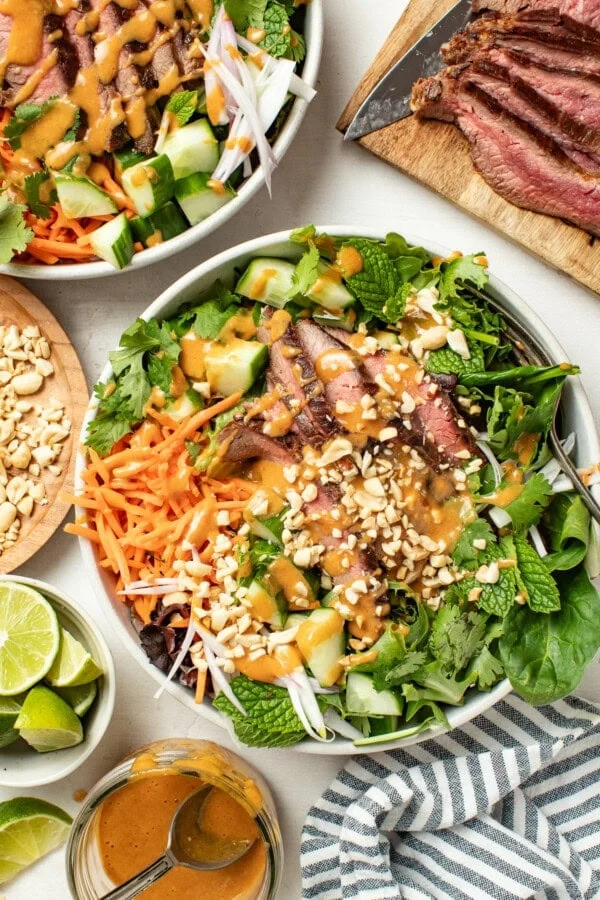
This easy Thai Steak Salad emerges as a compelling option for those seeking a high-protein dinner that does not compromise on flavor or complexity. Crafted with meticulously marinated flank steak, a vibrant assortment of crisp vegetables, aromatic fresh herbs, and a distinctive light peanut dressing, the dish offers a restaurant-worthy experience within the convenience of a home kitchen. Its introduction into the culinary discourse underscores a growing demand for meals that marry global flavors with significant nutritional benefits, particularly high protein content.
The Genesis of a Flavorful Concept: Addressing Contemporary Culinary Needs
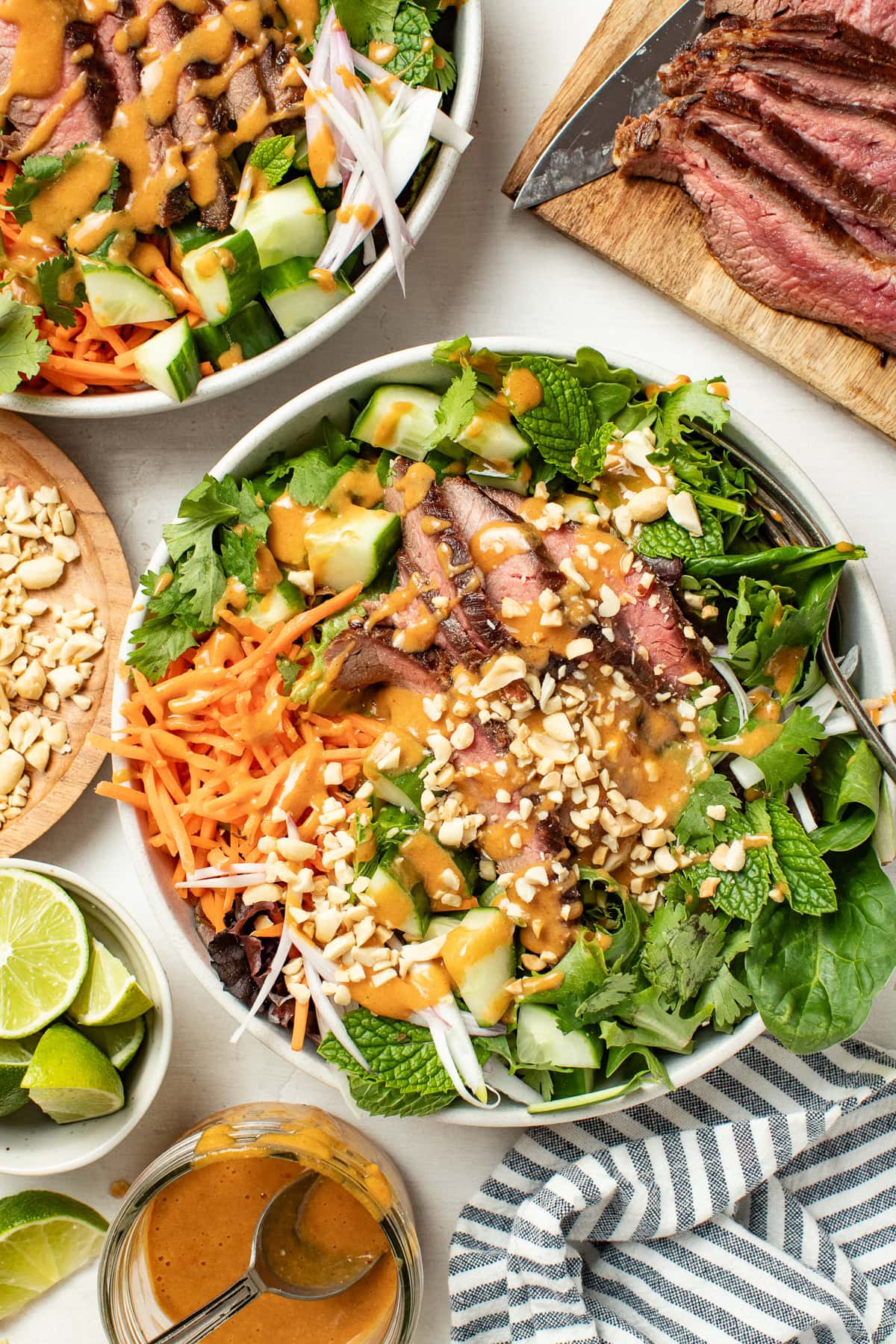
The development and popularization of recipes like the Thai Flank Steak Salad reflect broader trends in modern gastronomy and consumer preferences. In an era where health consciousness increasingly intersects with an adventurous palate, home cooks are actively seeking dishes that are both nutritious and exciting. This particular salad exemplifies a thoughtful approach to meal preparation, aligning with the philosophy often promoted by culinary platforms focusing on balanced, accessible, and delicious eating. The rise of "skinny" or lighter versions of classic dishes, while maintaining their authentic essence, is a testament to this evolving demand.
The concept behind a dish such as this is often rooted in the desire to deliver a comprehensive meal that satisfies multiple sensory experiences – savory, tangy, sweet, and spicy – while providing sustained energy. The inclusion of flank steak, a lean cut of beef, as the primary protein source is a deliberate choice, catering to individuals focused on muscle maintenance, satiety, and overall well-being. This aligns with dietary recommendations emphasizing protein intake for a healthy lifestyle. The design of the recipe, which allows for significant pre-preparation, also speaks to the practical realities of contemporary life, where time is a premium, and efficiency in the kitchen is highly valued. It positions the dish not merely as a meal but as a solution to the perennial weeknight dinner dilemma.
Deconstructing the Dish: Key Components and Their Culinary Roles

To fully appreciate the Thai Flank Steak Salad, it is essential to delve into the individual components and understand how they interact to create a cohesive and memorable culinary experience.
-
The Marinated Flank Steak: A Foundation of Flavor and Protein
Flank steak, derived from the abdominal muscles of the cow, is prized for its robust beefy flavor and lean profile. Its characteristic long muscle fibers make it an ideal candidate for marinating, as the marinade can penetrate deeply, tenderizing the meat and infusing it with complex flavors. For this Thai rendition, the marinade typically comprises a symphony of ingredients:- Soy Sauce: Provides a foundational umami and salty depth.
- Lime Juice: Acts as a tenderizer due to its acidity, brightening the flavor profile and adding a crucial tangy note.
- Fresh Ginger and Garlic: Essential aromatics that contribute pungent, warming, and slightly spicy undertones, characteristic of Southeast Asian cuisine.
- Fish Sauce: A cornerstone of Thai cooking, delivering a potent savory punch and unique fermented notes that elevate the overall flavor without imparting a "fishy" taste.
- Sesame Oil: Offers a nutty aroma and a rich, subtle flavor that complements the other ingredients.
- Honey or Maple Syrup: Balances the savory and acidic elements with a touch of sweetness, promoting caramelization during cooking.
- Sriracha (or other chili paste): Introduces a customizable level of heat, adding dynamism to the marinade.
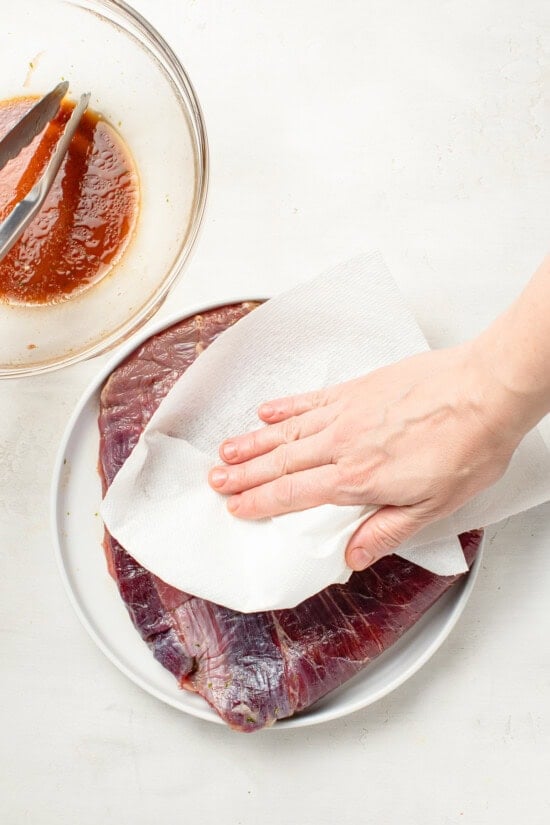
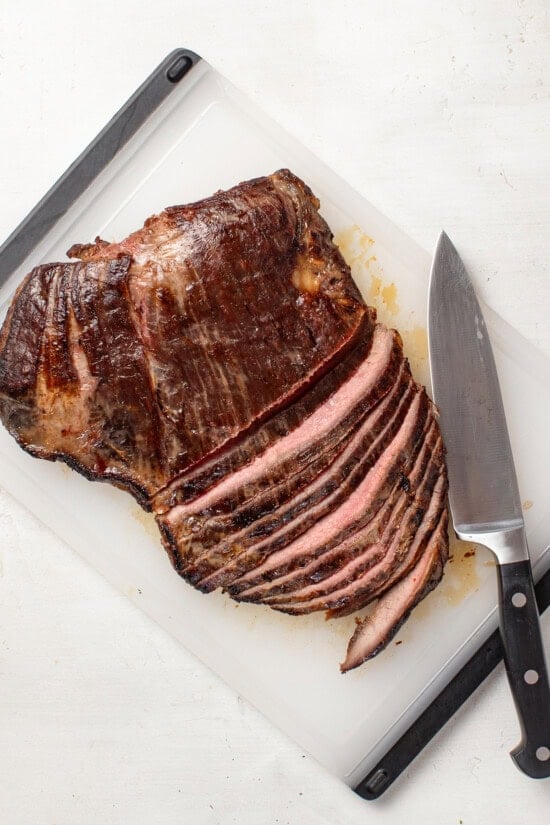
The recommended marinating time of 2 to 8 hours is critical. While longer marination deepens the flavor, exceeding 8 hours can lead to a breakdown of the meat’s texture due to the acidity of the lime juice, resulting in a mushy consistency. Proper grilling is equally important: high heat ensures a desirable char and caramelization on the exterior, while a medium-rare to medium internal temperature keeps the steak juicy. Resting the steak after cooking allows the juices to redistribute, and slicing against the grain ensures maximum tenderness.

-
The Vibrant Peanut Dressing: The Unifying Element
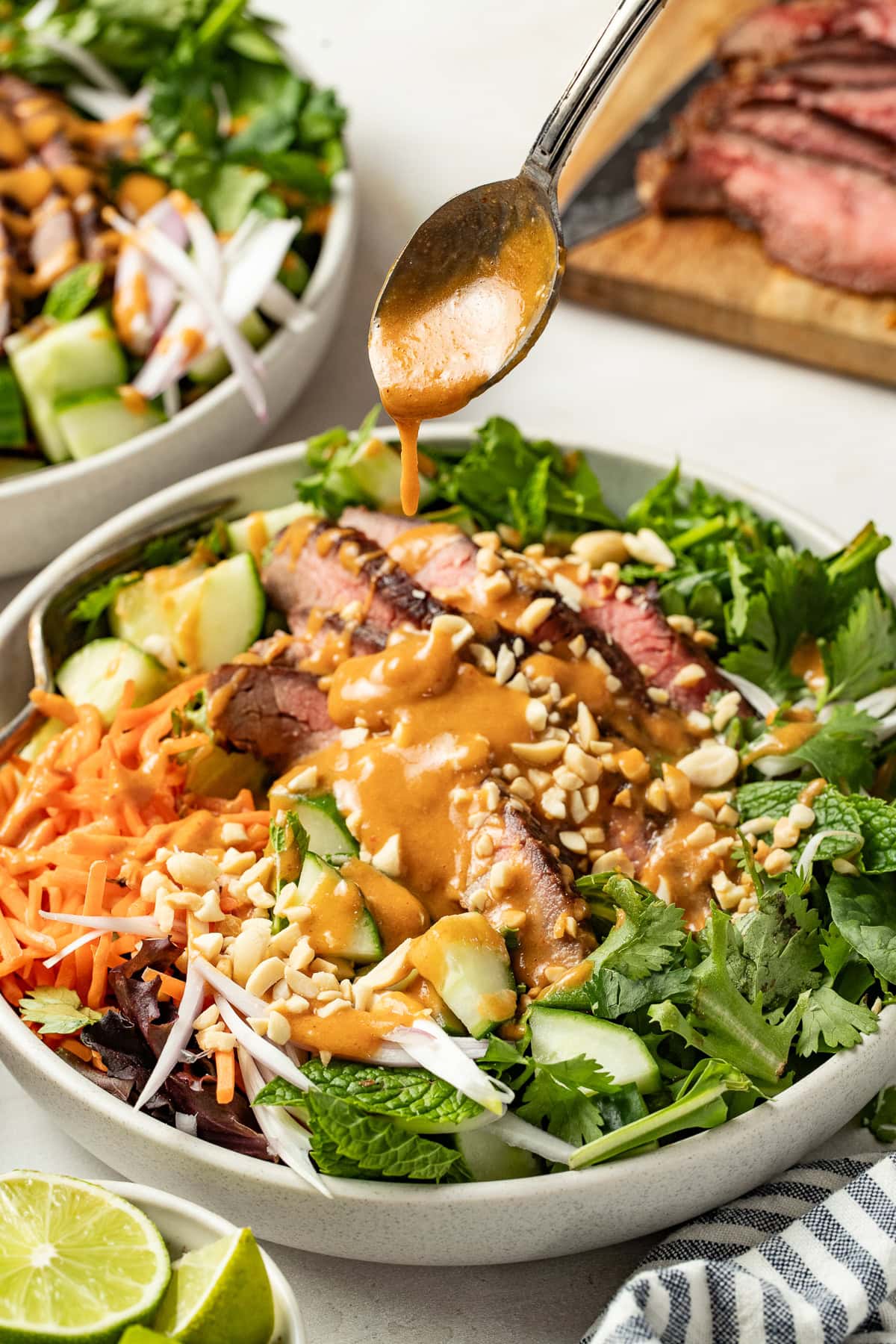
The light peanut dressing is arguably the soul of the Thai Steak Salad, tying all the disparate components together with its harmonious blend of flavors. Unlike heavier, cream-based dressings, this version aims for a balance that enhances rather than overwhelms the fresh ingredients. Typical ingredients include:- Peanut Butter: Provides a creamy texture and nutty flavor, a signature element in many Southeast Asian sauces.
- Lime Juice: Adds a zesty brightness, cutting through the richness of the peanut butter.
- Soy Sauce and Fish Sauce: Contribute umami and salinity, mirroring elements in the steak marinade for a cohesive flavor profile.
- Sweetener (Honey or Maple Syrup): Balances the acidity and saltiness, adding a pleasant sweetness.
- Sriracha or Red Pepper Flakes: Allows for an adjustable level of spice, adding a kick.
- Water (or a thin liquid like rice vinegar): Thins the dressing to a pourable consistency, ensuring it lightly coats the salad ingredients without being too thick.
The art of this dressing lies in achieving a perfect equilibrium of sweet, sour, salty, and spicy, creating an addictive flavor that is both comforting and exhilarating.
-
A Medley of Freshness: Vegetables and Herbs
The textural and nutritional backbone of the salad comes from its selection of crisp vegetables and aromatic herbs. These elements provide essential vitamins, minerals, and fiber, while offering a refreshing counterpoint to the rich steak and dressing.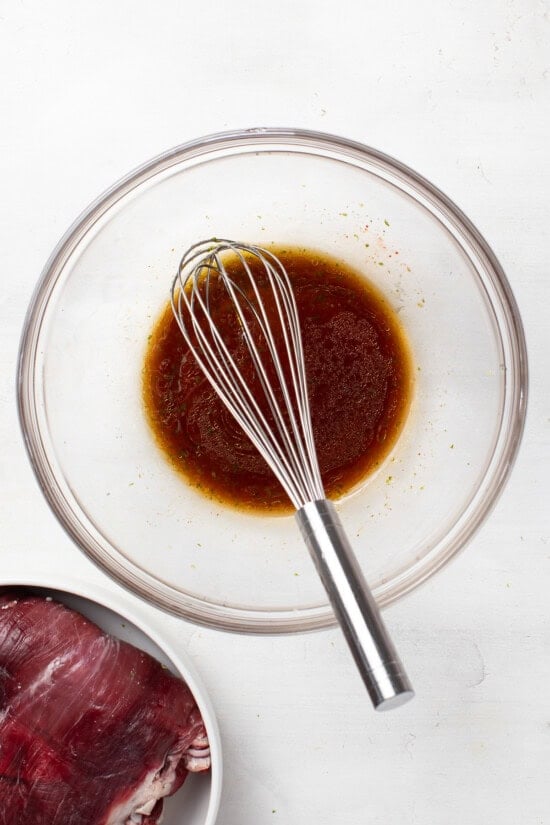
- Mixed Greens: A base of varied leafy greens provides a light, slightly bitter, or peppery foundation.
- Cucumber: Adds a cool, hydrating crunch.
- Shredded Carrots: Contributes natural sweetness, vibrant color, and a delicate crunch.
- Bell Peppers (Red, Yellow, or Orange): Offers a sweet, slightly fruity flavor and a satisfying crisp texture, along with a burst of color and Vitamin C.
- Fresh Cilantro and Mint: These herbs are indispensable. Cilantro brings a bright, citrusy, and slightly peppery note, while mint adds a refreshing, cooling sensation, both characteristic of authentic Thai cuisine.
The combination of these ingredients ensures that every bite offers a delightful contrast of textures – tender steak, crunchy vegetables, and soft greens – alongside a burst of invigorating flavors.
Nutritional Profile and Dietary Benefits: Supporting Data for a Health-Conscious Choice
The Thai Flank Steak Salad is not just a treat for the palate; it is also a powerhouse of nutrition, aligning with modern dietary recommendations for balanced eating. Based on the provided data for a serving size of 1 ½ cups:
- Calories: Approximately 395.5 kcal. This makes it a substantial yet controlled meal, suitable for various dietary plans.
- Protein: A remarkable 39.5 g. This high protein content is a significant advantage, promoting satiety, aiding in muscle repair and growth, and supporting overall metabolic health. For individuals aiming to increase protein intake, this salad offers an excellent solution.
- Carbohydrates: 21 g. This is a moderate carbohydrate count, primarily derived from the vegetables and small amounts of sugar in the dressing and marinade.
- Fat: 19.5 g, with 4.5 g being saturated fat. The fat content is balanced, with contributions from the flank steak and the healthy fats in peanut butter.
- Fiber: 4.5 g. The generous inclusion of fresh vegetables contributes a good amount of dietary fiber, important for digestive health and maintaining feelings of fullness.
- Sugar: 11 g. This sugar content comes from natural sugars in vegetables and added sweeteners in the marinade and dressing.
- Sodium: 563 mg. While the sodium content is present due to soy sauce and fish sauce, it is within a reasonable range for a flavorful meal, especially when consumed as part of a balanced diet.
The emphasis on lean protein and a diverse array of fresh vegetables ensures that this salad delivers a broad spectrum of micronutrients, including vitamins A and C, potassium, and various B vitamins, crucial for optimal bodily functions. The careful consideration of ingredient proportions demonstrates an understanding of both flavor and nutritional impact, making it a valuable addition to a health-conscious meal plan.
Strategic Preparation for Weeknight Ease: A Chronology of Convenience
One of the significant "implications" of this recipe for the modern home cook is its inherent convenience through strategic pre-preparation. This aspect is crucial for integrating such a flavorful dish into busy weeknight schedules without feeling overwhelmed. The suggested timeline for preparation is as follows:
- Day Before (or Morning of):
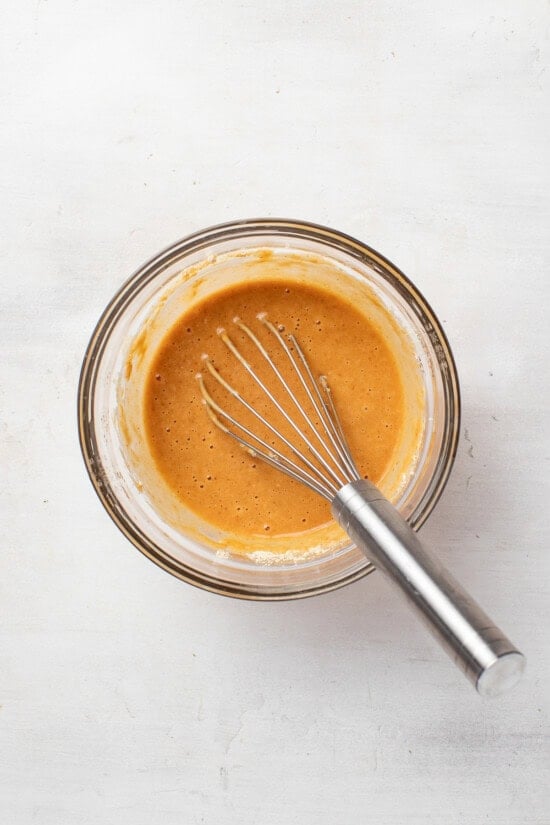
- Prepare Marinade and Dressing: Blending the marinade ingredients and the dressing components takes minimal effort. Storing them in airtight containers in the refrigerator allows the flavors to meld and saves precious time later.
- Slice Vegetables: Chopping cucumbers, carrots, and bell peppers ahead of time reduces the active cooking phase. Storing them properly (e.g., in water for crispness, or dry in sealed containers) maintains their freshness.
- Morning of (if not done the day before):
- Marinate Steak: Place the flank steak in the prepared marinade. This allows ample time for the flavors to penetrate the meat, enhancing both taste and tenderness.
- Dinnertime:
- Grill Steak: With all other components ready, grilling the flank steak is the final active cooking step, typically taking only minutes per side.
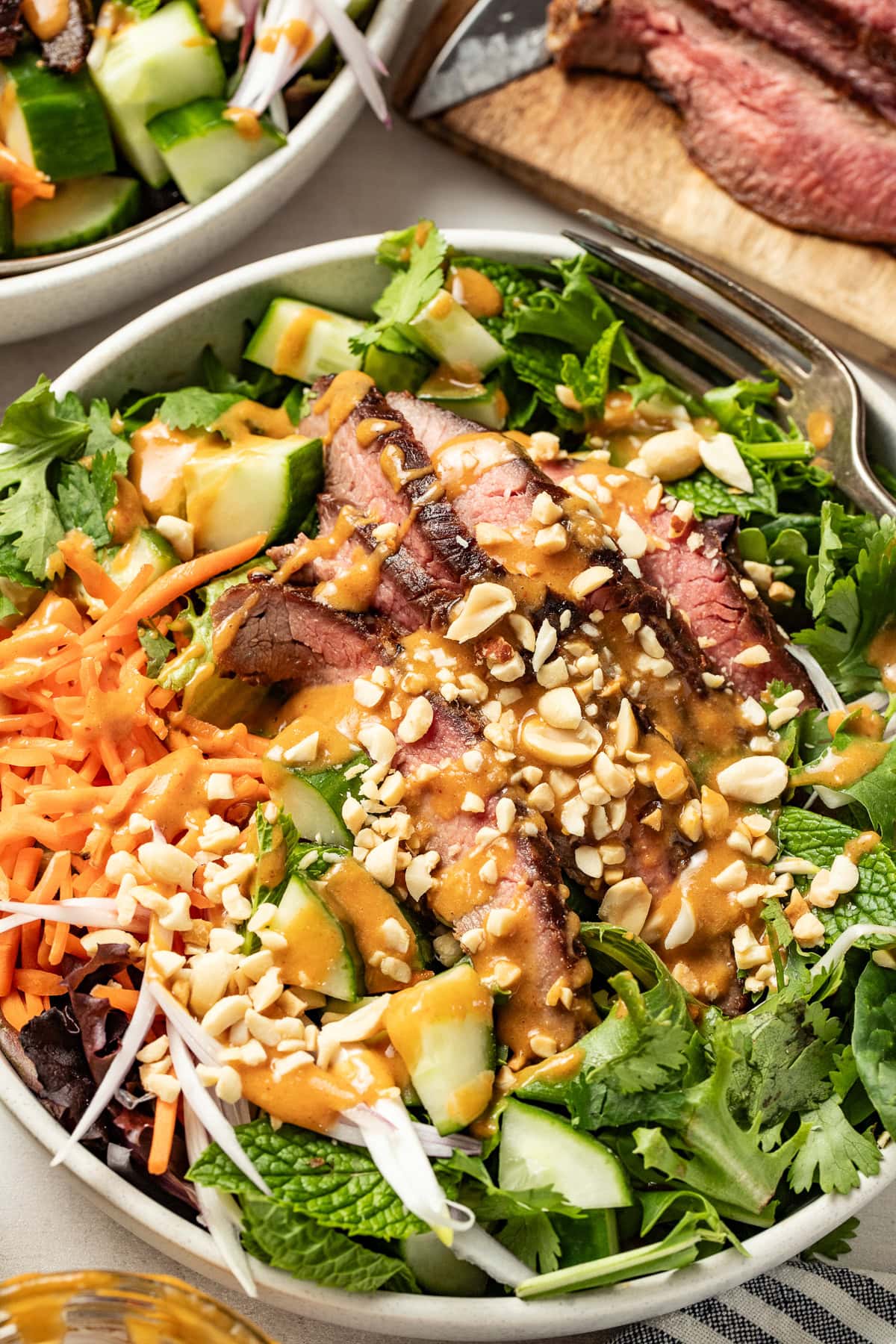
- Assemble Salads: Once the steak is rested and sliced, assembling the salad is a quick process of layering greens, vegetables, steak, and dressing.
This phased approach transforms a potentially multi-step recipe into a streamlined culinary operation, making a gourmet-quality meal accessible even on the most hectic days. It aligns with the growing trend of "meal prepping" to ensure consistent access to healthy, homemade food.
Culinary Versatility: Customization and Adaptations for Broader Appeal
The robust flavor profile of the Thai Flank Steak Salad also lends itself well to customization, demonstrating its adaptability to various dietary preferences and ingredient availability. This versatility enhances its appeal and broadens its "impact" across different culinary landscapes.
- Protein Alternatives: While flank steak is the star, the recipe’s framework can accommodate other proteins.
- Chicken or Shrimp: Sliced chicken breast or shrimp can be marinated and grilled similarly for a lighter alternative.
- Tofu or Tempeh: For vegetarian or vegan diets, firm tofu or tempeh can be pressed, marinated, and pan-fried or grilled to absorb the vibrant Thai flavors.
- Vegetable Variations: The choice of crisp vegetables is flexible.
- Edamame or Snap Peas: Add a sweet crunch and extra protein.
- Red Cabbage or Radishes: Introduce a sharper bite and additional color.
- Bean Sprouts: Offer a delicate, fresh crunch.
- Mango or Pineapple: For a touch of tropical sweetness and acidity, complementing the Thai profile.
- Dressing Modifications:
- Nut-Free: SunButter (sunflower seed butter) can replace peanut butter for those with nut allergies.
- Spicier: Increase sriracha or add finely diced bird’s eye chilies.
- Milder: Reduce or omit the chili components.
- Creamier: A touch of coconut milk can enrich the dressing.
- Additional Toppings:
- Crushed Peanuts: For extra crunch and nutty flavor.
- Sesame Seeds: Adds visual appeal and a subtle nutty taste.
- Crispy Shallots or Fried Garlic: For an authentic Thai textural and flavor dimension.
- Fresh Chili Slices: For those who enjoy an extra heat kick.
These customization options highlight the recipe’s inherent flexibility, allowing individuals to tailor the dish to their specific tastes and dietary needs, further cementing its role as a versatile and enduring meal solution.
Storage and Longevity: Maximizing Freshness and Meal Prep Efficiency
Effective storage practices are paramount for preserving the quality and safety of the Thai Flank Steak Salad, especially when leveraging the prep-ahead strategy. The components should ideally be stored separately to maintain their optimal texture and freshness.
- Marinated Steak: Raw marinated steak can be stored in an airtight container in the refrigerator for up to 24 hours. Once cooked, leftover steak should be cooled quickly and stored separately in an airtight container for 3-4 days.
- Peanut Dressing: The dressing can be prepared and stored in a sealed jar in the refrigerator for up to 5-7 days. Its flavors will often deepen over time.
- Prepared Vegetables: Sliced vegetables, depending on the type, can be stored in airtight containers in the refrigerator for 2-3 days. More delicate greens are best washed and dried, then stored with a paper towel in a sealed bag or container to absorb excess moisture, lasting 3-5 days.
- Assembled Salad: An assembled salad is best consumed immediately to prevent greens from wilting and vegetables from becoming soggy from the dressing. If packing for lunch, keep the dressing separate and add it just before eating.
By adhering to these storage guidelines, individuals can maximize the longevity of their prepped ingredients, ensuring a fresh and enjoyable meal whenever desired.
Broader Culinary Context: Thai Flavors and Global Trends
The Thai Flank Steak Salad stands as a prime example of how global culinary influences continue to shape contemporary eating habits. Thai cuisine, renowned for its intricate balance of sweet, sour, salty, bitter, and spicy elements, has captivated palates worldwide. This recipe distills some of these fundamental principles into an accessible and health-conscious format.
The growing popularity of dishes like this also reflects a larger cultural shift towards more adventurous eating at home. Consumers are increasingly confident in experimenting with international flavors, driven by travel, food media, and the wider availability of exotic ingredients. This salad, with its approachable ingredients and straightforward preparation, acts as a gateway for many to explore the richness of Thai-inspired cooking.
Furthermore, the emphasis on a high-protein, vegetable-rich meal aligns with a pervasive global trend towards healthier eating. As awareness of diet’s impact on well-being grows, recipes that offer substantial nutritional benefits without sacrificing taste are becoming staples. The Thai Flank Steak Salad perfectly encapsulates this ethos, providing a delicious, satisfying, and health-affirming meal solution for the modern diner. It is a testament to the enduring appeal of fusion cuisine and the continuous evolution of home cooking in response to contemporary lifestyle demands.
