
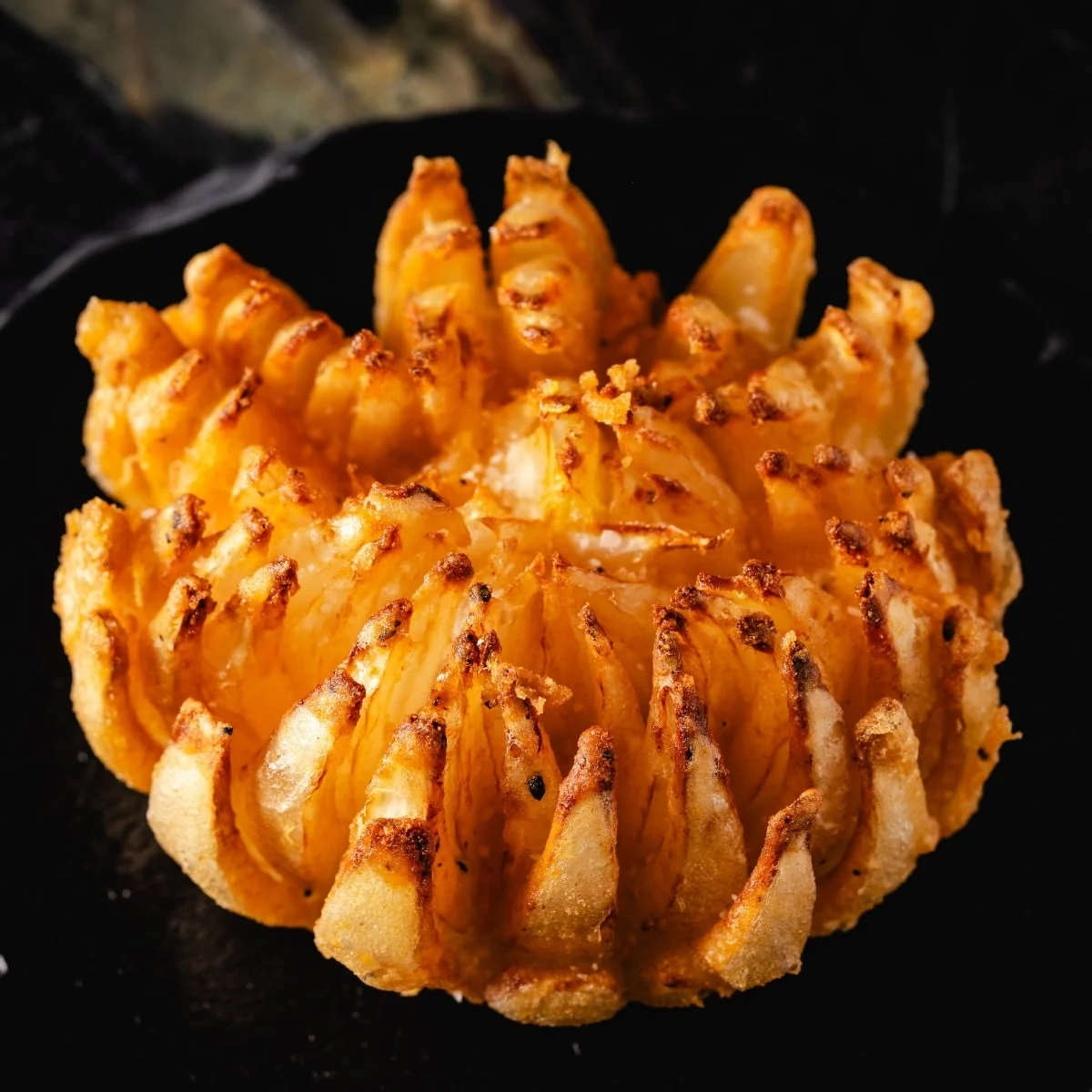
The culinary landscape of the American backyard has undergone a significant transformation over the last decade, moving beyond simple charcoal grilling toward complex, multi-stage cooking processes once reserved for professional smokehouses and commercial kitchens. A primary example of this evolution is the Smoke-Fried Onion Blossom, a hybrid dish that combines the traditional "low and slow" philosophy of barbecue with the high-heat precision of deep frying. This dish, popularized by culinary experts like Susie Bulloch of the Hey Grill Hey platform, represents a shift in consumer behavior where home cooks seek to replicate—and often improve upon—iconic steakhouse appetizers through a combination of specialized equipment and artisanal ingredients.
The Anatomy of the Smoke-Fried Onion Blossom
The Smoke-Fried Onion Blossom is a sophisticated take on the classic blooming onion, a staple of American casual dining since the late 1980s. The recipe utilizes a Sweet Vidalia onion, which is surgically sliced to "bloom" or fan out, then subjected to two distinct thermal phases. The first phase involves smoking the onion at a low temperature—specifically 225 degrees Fahrenheit—for approximately 45 minutes. This stage is not intended to cook the onion to completion but rather to infuse the layers with aromatic wood smoke and soften the cellular structure of the vegetable, allowing the "petals" to open further.

The second phase is a rapid immersion in high-heat oil. After the smoking process, the onion is coated in a seasoned batter and fried at 350 degrees Fahrenheit for three to four minutes. This dual-method approach addresses a common critique of traditional fried onions: the lack of depth in the flavor profile. By incorporating smoke before the Maillard reaction occurs during frying, the dish achieves a complex balance of sweetness, savory spice, and wood-fired essence.
Historical Context and the Rise of the "Bloomin’" Appetizer
To understand the significance of the smoke-fried variant, one must look at the history of the onion blossom itself. While various forms of fried onions have existed for centuries, the specific "blossom" cut is widely attributed to the founders of Outback Steakhouse in 1988. Tim Gannon, one of the co-founders, developed the dish as a signature appetizer that offered high visual impact and a communal eating experience.
The original commercial versions relied entirely on deep-frying, focusing on the contrast between the crunchy exterior and the soft, steamed interior of the onion. However, as the "backyard BBQ hero" culture grew in the 2010s—driven by the accessibility of pellet grills and digital smokers—home enthusiasts began experimenting with ways to incorporate smoke into classic fried foods. The transition from a purely fried dish to a "smoke-fried" hybrid marks a milestone in the democratization of culinary techniques, where the home cook utilizes a smoker as a preparatory tool for secondary cooking methods.

The Science of the Smoke-Fry Method
The success of the Smoke-Fried Onion Blossom relies on specific chemical and physical reactions. The choice of the Vidalia onion is foundational. Vidalia onions, grown in a specific 20-county region in Georgia, are legally defined by the Vidalia Onion Act of 1986. These onions have a low sulfur content and a high water and sugar content due to the unique soil chemistry of the region.
During the 45-minute smoking phase, the low heat prevents the sugars from burning while allowing the smoke particles (phenols, carbonyls, and organic acids) to adhere to the moisture on the onion’s surface. This creates a "tackiness" that helps the subsequent dry batter adhere more effectively than it would on a raw onion.
When the onion is transitioned to the fryer, the 350-degree oil causes the moisture in the batter to rapidly evaporate, creating the characteristic crispy texture. Because the onion has already been partially softened by the smoker, the frying time is reduced, which prevents the outer batter from overcooking before the center of the onion reaches the desired tenderness. This synergy of convection (smoking) and conduction (frying) represents a peak in home-cooking technicality.

Market Data and the Outdoor Cooking Industry
The rise of recipes such as the Smoke-Fried Onion Blossom is mirrored by the explosive growth of the outdoor cooking industry. According to data from the Hearth, Patio & Barbecue Association (HPBA), over 70% of all U.S. households own a grill or smoker. Furthermore, the market for high-end wood pellet grills—the primary tool used for the smoking phase of this recipe—has seen a compound annual growth rate (CAGR) of nearly 10% over the last five years.
Consumer spending has also shifted toward "accessory" ingredients. The Smoke-Fried Onion Blossom requires high-quality BBQ rubs and specialized batter mixes. The global seasonings and spices market was valued at approximately $18 billion in 2022 and is projected to expand significantly as home cooks move away from pre-packaged meals toward "from-scratch" appetizers that require specific flavor profiles. The nutritional profile of such dishes—approximately 163 calories and 37 grams of carbohydrates per serving—remains a consideration for consumers, though the "appetizer" status of the dish often places it in the category of occasional indulgence within the broader BBQ subculture.
Technical Chronology: From Prep to Plate
The preparation of a Smoke-Fried Onion Blossom follows a strict timeline to ensure food safety and optimal texture:

- Selection and Slicing (0-10 Minutes): A large Sweet Vidalia onion is trimmed at the top, leaving the root end intact to hold the structure. It is sliced into 12 to 16 wedges, stopping just short of the base.
- The Smoking Phase (10-55 Minutes): The smoker is preheated to 225°F using hardwood pellets (often oak, hickory, or fruitwood). The onion is placed directly on the grates. This 45-minute window is critical for "opening" the blossom.
- Battering and Seasoning (55-65 Minutes): The smoked onion is removed and immediately coated in a batter mix, often enhanced with a dry BBQ rub. Ensuring the batter reaches between every petal is essential for the "crunch factor."
- The Frying Phase (65-70 Minutes): Oil (typically peanut or canola due to their high smoke points) is heated to 350°F in a heavy-bottomed pot or cast-iron skillet. The onion is fried until golden brown.
- Resting and Serving (70-75 Minutes): The dish is drained on paper towels and served with a complementary dip, such as a BBQ ranch dressing, which provides an acidic contrast to the rich, fried layers.
Culinary Implications and the Role of Digital Platforms
The dissemination of this recipe highlights the influence of digital culinary platforms like Hey Grill Hey. Susie Bulloch, the founder and a prominent figure in the BBQ community, has leveraged digital media to teach these complex techniques to millions. The "Hey Grill Hey" app and associated social media channels provide a space where "Backyard BBQ Heroes" can share results, troubleshoot temperature fluctuations, and discuss the nuances of wood flavor profiles.
This shift toward digital education has led to an increase in culinary literacy among the general public. Concepts like "indirect heat," "internal temperature," and "smoke point" are now common vernacular for the average backyard cook. The Smoke-Fried Onion Blossom serves as a "gateway" dish—it is accessible enough for a novice with a smoker but offers enough technical depth to satisfy an experienced pitmaster.
Broader Impact and Industry Responses
The popularity of smoke-fried dishes has prompted responses from both the appliance and food service industries. Major grill manufacturers have begun integrated "fryer" attachments or side burners specifically designed for cast-iron pans to accommodate the secondary frying step. Simultaneously, restaurant chains are seeing a "reverse-innovation" effect, where home-cooking trends influence professional menus. We are seeing an increase in "smoked and charred" or "smoke-kissed" appetizers on national menus, reflecting the public’s growing palate for complex smoke flavors.

From an economic perspective, the reliance on seasonal produce like the Vidalia onion provides a significant boost to regional agriculture. The Vidalia onion season, which typically runs from April to August, sees a surge in retail demand as BBQ enthusiasts prepare for summer gatherings.
Conclusion: The Future of Hybrid Barbecue
The Smoke-Fried Onion Blossom is more than just a side dish; it is a testament to the sophistication of modern outdoor cooking. By merging two historically distinct methods, it offers a sensory experience that is greater than the sum of its parts. As technology in the grilling industry continues to advance and digital platforms continue to educate, the line between professional chef and backyard enthusiast will continue to blur. The Smoke-Fried Onion Blossom stands as a flagship of this movement—a crispy, smoky, and sweet reminder that with the right technique, the best seat in the steakhouse is often in one’s own backyard.
