
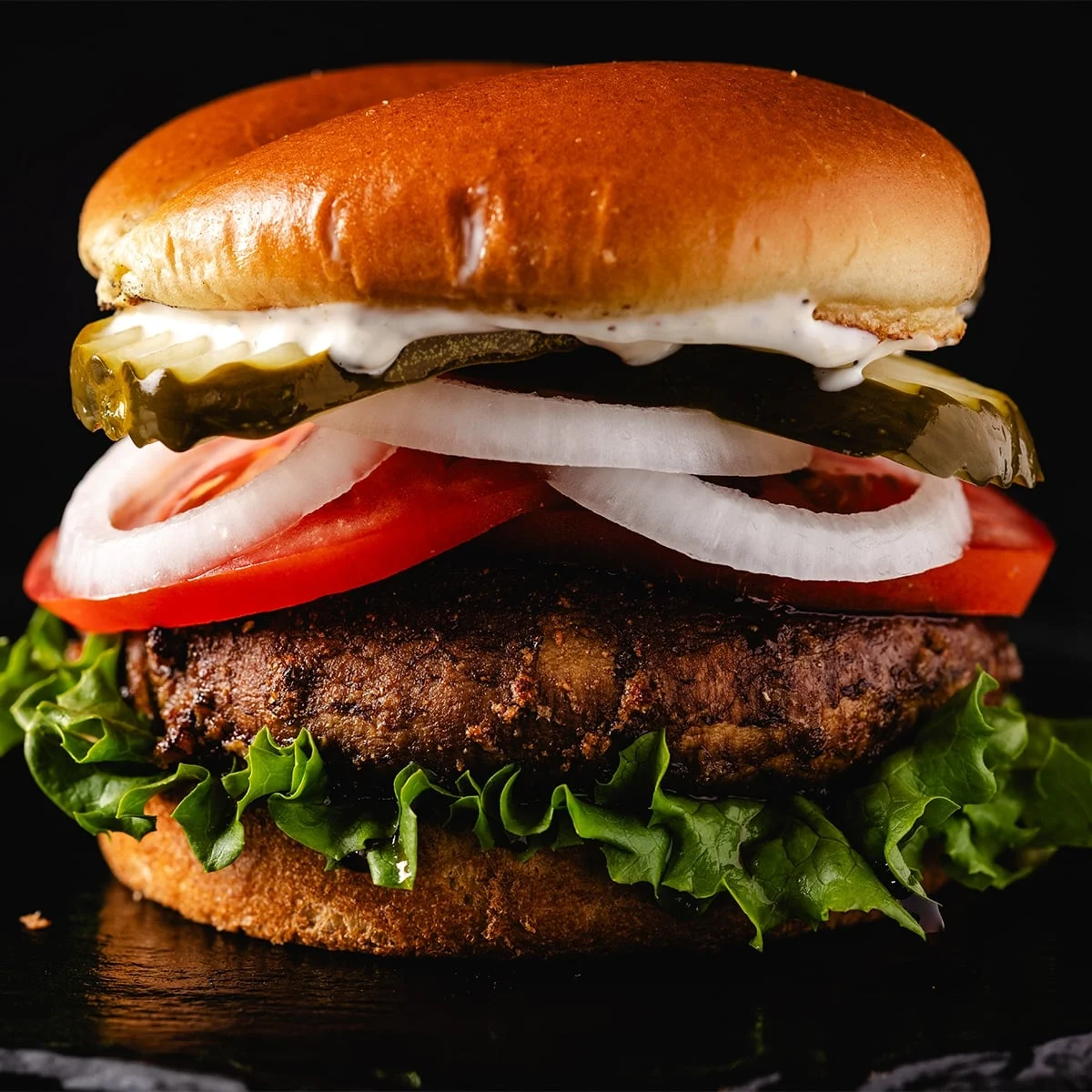
The culinary landscape of traditional American barbecue is undergoing a significant transformation as pitmasters and home cooks alike integrate plant-based alternatives into their outdoor cooking repertoires. Among the most prominent of these alternatives is the Grilled Portobello Mushroom Burger, a dish that leverages the dense, meaty texture of the Agaricus bisporus species to provide a savory experience comparable to traditional beef patties. This evolution in grilling culture reflects broader shifts in consumer dietary preferences, where the emphasis has moved toward "flexitarian" lifestyles that prioritize flavor and texture over strict adherence to meat-based proteins.
The Evolution of the Plant-Based Barbecue Centerpiece
Historically, the presence of vegetarian options at a barbecue was often relegated to side dishes or uninspired, pre-packaged soy patties. However, the emergence of the portobello mushroom as a primary protein substitute has redefined expectations. Unlike highly processed meat analogues, the portobello mushroom offers a whole-food solution that reacts to high-heat grilling in a manner similar to animal proteins. When exposed to the intense heat of charcoal or gas flames, the mushroom undergoes a version of the Maillard reaction, developing a charred exterior while retaining a succulent interior.
Susie Bulloch, a recognized authority in the barbecue industry and the founder of Hey Grill Hey, has championed the integration of these botanical options into the standard grilling lineup. Bulloch posits that the portobello mushroom should not be viewed as a mere concession to vegetarian guests but as a sophisticated culinary component capable of holding its own alongside brisket, ribs, and traditional burgers. Her approach emphasizes the use of specialized marinades and high-quality condiments to elevate the humble fungus into a gourmet experience.

Technical Preparation and Flavor Profile Development
The success of the Grilled Portobello Mushroom Burger relies on a precise sequence of preparation steps designed to maximize flavor absorption and structural integrity. The process begins with the selection of large, firm portobello caps, which serve as the "patty" of the burger.
The Role of the Balsamic Marinade
The foundational flavor of the mushroom is established through a complex marinade. This mixture typically includes balsamic vinegar, high-quality oil, and a specialized "Beef Rub." The use of a beef-centric seasoning—often containing salt, cracked black pepper, garlic powder, and onion powder—is a strategic choice. It introduces the savory, umami-heavy notes that consumers traditionally associate with grilled steaks. The acidity of the balsamic vinegar serves a dual purpose: it tenderizes the fibrous structure of the mushroom and provides a bright counterpoint to the earthy base notes.
The Lemon Garlic Aioli Component
To balance the deep, smoky flavors of the grilled mushroom, a bright, herbaceous condiment is required. The lemon garlic aioli is a sophisticated emulsion of mayonnaise, fresh lemon juice, minced garlic, and fresh herbs such as parsley or dill. This component provides the necessary fat and acidity to bridge the gap between the charred mushroom and the soft brioche bun. In professional culinary circles, the use of an aioli rather than standard mustard or ketchup is considered essential for achieving a "gourmet" flavor profile.
Chronology of the Grilling Process
The transition from raw ingredients to a finished burger follows a standardized chronological path to ensure optimal results:

- Cleaning and Preparation: The portobello caps are cleaned using a damp cloth to remove debris without oversaturating the porous tissue. The stems are removed to create a flat surface for even cooking.
- The Marination Phase: The caps are submerged in the balsamic and beef rub mixture for a period ranging from 30 to 60 minutes. Extended marination is discouraged, as the salt content in the rub can draw out too much moisture, leading to a rubbery texture.
- Grill Calibration: For the best results, a charcoal grill is preheated to high heat (approximately 400–450°F). Charcoal is preferred by enthusiasts for the additional layer of smoke flavor it imparts, though gas and pellet grills remain viable alternatives.
- The Charring Phase: The mushrooms are placed gill-side up on the grates first, allowing the marinade to pool and penetrate the cap. They are grilled for approximately 4–5 minutes per side until prominent char marks appear and the mushroom becomes tender.
- Assembly: The final stage involves stacking the grilled cap on a toasted brioche bun, followed by the application of the lemon garlic aioli and traditional toppings such as leaf lettuce, sliced heirloom tomatoes, and red onions.
Market Trends and Supporting Data
The rise of recipes like the Grilled Portobello Mushroom Burger is supported by significant market data indicating a shift in global eating habits. According to a report by Grand View Research, the global mushroom market size was valued at USD 50.3 billion in 2021 and is expected to expand at a compound annual growth rate (CAGR) of 9.7% through 2030. This growth is driven by the increasing demand for vegan and vegetarian food products and a growing awareness of the nutritional benefits of mushrooms.
Furthermore, data from the Hearth, Patio & Barbecue Association (HPBA) suggests that "alternative grilling"—which includes fruits, vegetables, and plant-based proteins—is one of the fastest-growing segments in the outdoor cooking industry. Consumers are increasingly seeking versatility in their equipment, looking for grills that can handle the delicate requirements of a mushroom cap as effectively as a thick-cut ribeye.
Nutritional Analysis and Health Implications
From a nutritional standpoint, the portobello mushroom burger offers a distinct profile compared to its beef counterpart. A standard serving of this recipe contains approximately 634 calories, with the majority of the caloric density derived from the brioche bun and the oil-based aioli. However, the mushroom itself is a low-calorie, nutrient-dense powerhouse.
Portobello mushrooms are an excellent source of:

- Selenium: A powerful antioxidant that supports immune function.
- Copper: Essential for heart health and red blood cell production.
- B-Vitamins: Including riboflavin, niacin, and pantothenic acid, which assist in energy metabolism.
- Potassium: Crucial for maintaining healthy blood pressure levels.
By substituting a 4-ounce beef patty (which contains approximately 20-25 grams of fat) with a portobello cap, consumers can significantly reduce their intake of saturated fats and cholesterol while increasing their intake of dietary fiber.
Expert Insights and Industry Reactions
Culinary experts note that the success of the portobello burger lies in its "umami" content. Umami, often referred to as the fifth taste, is the savory flavor found in meats, cheeses, and certain vegetables. Mushrooms are naturally high in glutamate, the compound responsible for this sensation.
"The key to a successful vegetable-based main dish at a BBQ is not trying to make a vegetable taste exactly like meat, but rather treating that vegetable with the same respect and technique you would a piece of meat," says an industry analyst. "When you apply high-end rubs and use traditional wood-fire or charcoal methods on a portobello, you are appealing to the same sensory triggers that make BBQ so popular in the first place."
Reactions from the BBQ community have been largely positive, with many "purists" acknowledging that the portobello burger serves as a high-quality option that maintains the "spirit of the grill." The inclusion of such recipes in the Hey Grill Hey app and other major BBQ platforms indicates that the industry is embracing a more inclusive definition of what constitutes "real" barbecue.

Broader Impact on Outdoor Dining
The integration of the Grilled Portobello Mushroom Burger into mainstream barbecue culture has broader implications for social gatherings. It eliminates the "culinary segregation" often felt by vegetarians at meat-heavy events. By providing a plant-based option that is as visually appealing and flavor-dense as a traditional burger, hosts can ensure a more cohesive dining experience for all guests.
Furthermore, the environmental impact of shifting even a small portion of meat consumption toward fungi-based alternatives is noteworthy. Mushroom cultivation requires significantly less water, land, and energy compared to cattle ranching, making the portobello burger a more sustainable choice for the environmentally conscious consumer.
As outdoor cooking continues to evolve, the Grilled Portobello Mushroom Burger stands as a testament to the versatility of the grill. It proves that with the right combination of acidity, fat, and high-intensity heat, even the simplest ingredients can be transformed into a centerpiece worthy of the title "Backyard BBQ Hero." The recipe developed by Susie Bulloch is more than just a meal; it is a blueprint for the future of inclusive, flavor-forward outdoor dining.
