
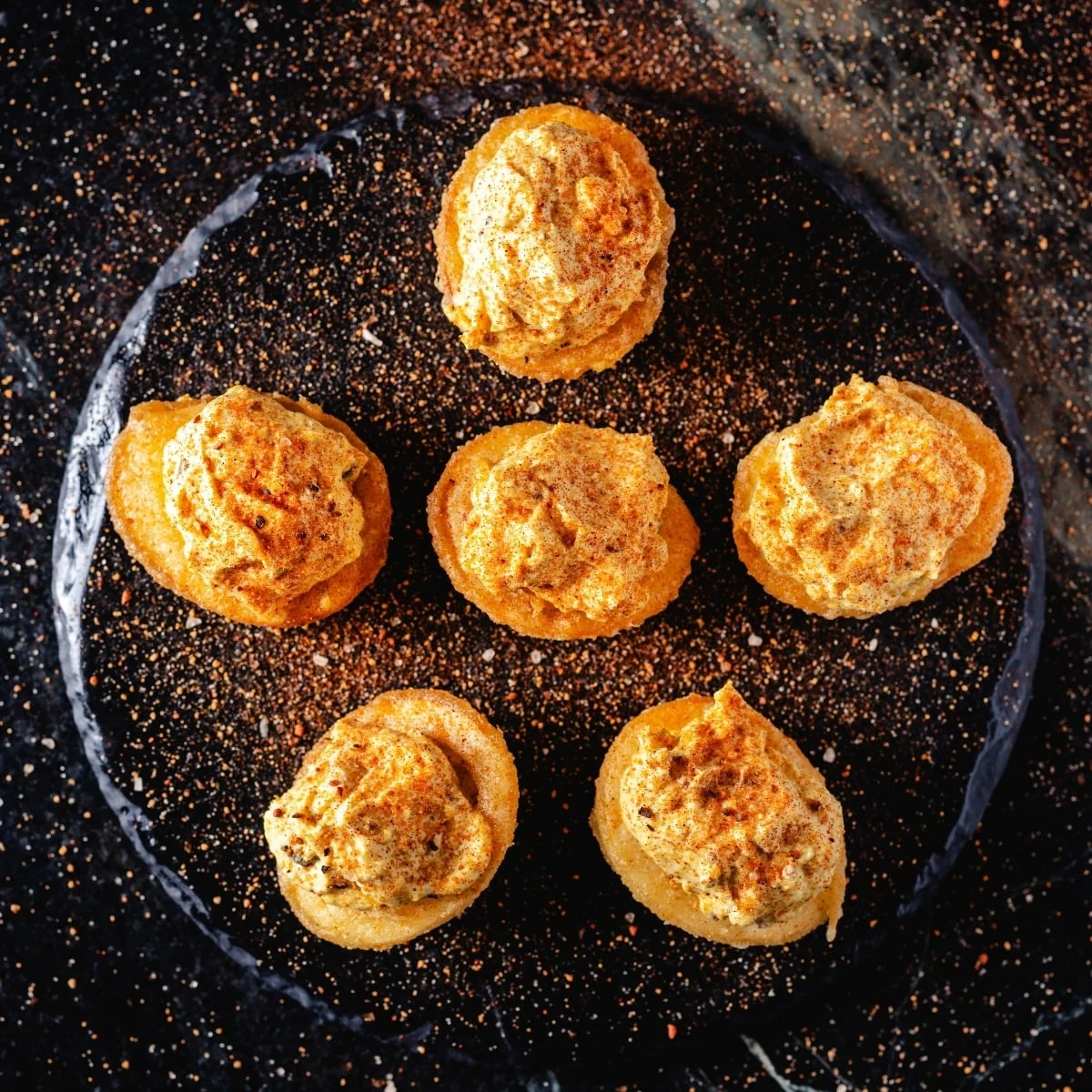
The traditional landscape of American picnic appetizers is undergoing a significant transformation as culinary enthusiasts integrate advanced outdoor cooking techniques into classic recipes. At the forefront of this movement is the smoke-fried deviled egg, a dish that combines the ancestral preservation method of wood-smoking with the high-heat textures of deep-frying. This multi-stage preparation method, popularized by culinary experts such as Susie Bulloch of Hey Grill Hey, represents a departure from the standard hard-boiled egg preparation that has dominated social gatherings for decades. By layering flavors through three distinct cooking phases—boiling, smoking, and frying—the dish addresses the growing consumer demand for complex flavor profiles and varied textures in home-cooked meals.
Historical Evolution of the Deviled Egg
To understand the significance of the smoke-fried variation, one must examine the historical trajectory of the deviled egg. The roots of stuffed eggs can be traced back to ancient Rome, where boiled eggs were seasoned with spicy sauces and served as a starter for wealthy diners. However, the term "deviled" did not appear in the culinary lexicon until the late 18th century in Great Britain. Initially used to describe foods prepared with a high heat or potent seasoning—most notably mustard, pepper, or cayenne—the term became synonymous with the zesty yolk mixture found in stuffed eggs.
Throughout the 20th century, the deviled egg became a staple of the American mid-century culinary scene, particularly at post-World War II potlucks and Easter celebrations. While the core components remained relatively static—mayonnaise, mustard, and paprika—the late 20th and early 21st centuries saw an infusion of regional influences, including the addition of bacon, jalapeños, and various seafood elements. The introduction of smoke and deep-frying represents the latest iteration of this evolution, reflecting the broader "low and slow" barbecue culture that has permeated mainstream American cooking.

Technical Methodology: The Three-Stage Preparation
The preparation of smoke-fried deviled eggs requires a precise chronological sequence to ensure structural integrity and flavor balance. According to culinary guidelines, the process is divided into the following phases:
Phase I: Preparation and Smoking
The process begins with the production of hard-boiled eggs. Once cooled and peeled, the eggs are subjected to a "low and slow" smoking environment. Unlike traditional hot smoking used for meats, the objective here is to infuse the egg whites with a subtle wood-fire essence without rubberizing the protein. Experts suggest using mild fruitwoods, such as apple or cherry, to complement the delicate nature of the egg. This stage typically lasts until the eggs develop a slight golden hue, indicating the absorption of smoke particles.
Phase II: The Filling Composition
Once the smoking process is complete, the eggs are halved, and the yolks are extracted to form the base of the "deviled" filling. Modern interpretations of the filling utilize a combination of creamy and acidic components. In the Hey Grill Hey methodology, the yolks are integrated with mayonnaise, zesty gold barbecue sauce, and apple cider vinegar. The inclusion of diced jalapeños provides a textural contrast and a measured heat, while a specialized "sweet rub"—typically a blend of brown sugar, paprika, and garlic—adds a complex sweetness that balances the savory smoke.
Phase III: The Frying Sequence
The final and most transformative stage involves the deep-frying of the smoked egg whites. The whites are dredged in a crispy batter—often a variant of a chicken wing coating—and submerged in high-temperature oil. This creates a rigid, golden exterior that protects the tender, smoky interior. The juxtaposition of the hot, crunchy shell and the cold, creamy filling is the defining characteristic of the dish.

Supporting Data: Egg Consumption and Barbecue Trends
The rise of specialized egg recipes is supported by significant market data regarding seasonal food consumption and the growth of the outdoor cooking industry. According to data from the American Egg Board, egg consumption peaks significantly during the spring, particularly around the Easter holiday. It is estimated that Americans consume nearly 180 million eggs during this period. As consumers seek to differentiate their holiday offerings, innovative recipes like the smoke-fried deviled egg see a surge in digital engagement and search volume.
Furthermore, the Hearth, Patio & Barbecue Association (HPBA) reports that over 70% of U.S. households own a grill or smoker. The diversification of these tools—ranging from pellet grills to offset smokers—has lowered the barrier to entry for complex recipes. The "barbecue-everything" trend has expanded beyond briskets and ribs to include sides and appetizers, reflecting a shift in consumer behavior toward holistic outdoor meal preparation.
Nutritional Analysis and Dietary Implications
From a nutritional perspective, the smoke-fried deviled egg is a calorie-dense appetizer. A standard serving size, typically consisting of one half-egg, contains approximately 131 calories. The macronutrient profile includes 11 grams of carbohydrates, 5 grams of protein, and 7 grams of fat. While the frying process adds saturated fats, the egg remains a source of high-quality protein and essential vitamins, including Vitamin A and Calcium.
Journalistic analysis suggests that the dish is positioned as an "indulgence" or "showstopper" item rather than a daily dietary staple. The complexity of the preparation and the richness of the ingredients align it with celebratory events and social gatherings where culinary novelty is valued over caloric restriction.

Culinary Analysis: Why the Technique Works
The success of the smoke-fried deviled egg lies in the science of flavor perception. Humans perceive flavor through a combination of taste (tongue) and aroma (retro-nasal olfaction). Smoking the eggs provides a deep aromatic profile that lingers, while the frying process initiates the Maillard reaction—a chemical reaction between amino acids and reducing sugars that gives browned food its distinctive flavor.
By adding a zesty barbecue sauce to the yolk mixture, the cook introduces acidity, which cuts through the richness of the fried batter and the fat content of the mayonnaise. The use of a "Sweet Rub" as a finishing dust provides an immediate hit of seasoning that prepares the palate for the layers of flavor beneath. This strategic layering is a hallmark of professional barbecue competition techniques, now adapted for the home kitchen.
Industry Response and Cultural Impact
The response from the culinary community and home cooks has been largely positive, with social media platforms serving as a primary vehicle for the recipe’s dissemination. Susie Bulloch, the creator of the recipe, has emphasized that while the smoking and frying steps are optional for those short on time, they are essential for achieving the "Backyard BBQ Hero" status often sought by enthusiasts.
The broader implications of such recipes suggest a blurring of lines between professional catering and home cooking. As high-quality rubs, sauces, and batters become more accessible through e-commerce and specialty retailers, the home cook is empowered to produce restaurant-quality appetizers. This democratization of culinary technique has led to a more competitive and creative atmosphere in American backyard cooking.

Safety and Best Practices in Smoke-Frying
Journalistic inquiry into the preparation of this dish also highlights the importance of safety and technical proficiency. Deep-frying outdoors requires careful management of oil temperatures to prevent flash fires, particularly when using propane burners or side grill heaters. Experts recommend maintaining an oil temperature between 350°F and 375°F to ensure a quick crisp without making the egg greasy.
Additionally, the handling of eggs requires strict adherence to food safety standards. Hard-boiled eggs should not be left at room temperature for extended periods, and the smoking process must be monitored to ensure the internal temperature of the egg does not dwell in the "danger zone" (40°F to 140°F) for longer than necessary. Proper cooling of the egg whites before frying is also recommended to maintain their structural integrity during the battering process.
Conclusion: The Future of the Picnic Classic
The smoke-fried deviled egg is more than a mere culinary trend; it is a testament to the enduring versatility of the egg as a medium for innovation. By integrating the fundamental elements of American barbecue—smoke, spice, and crunch—this dish has redefined what is possible for a simple picnic appetizer. As outdoor cooking technology continues to evolve, it is likely that other classic recipes will undergo similar transformations, further enriching the tapestry of American food culture.
The transition from a simple boiled egg to a smoke-fried delicacy reflects a wider cultural shift toward experiential dining. For the modern host, the value of a dish lies not just in its taste, but in the story of its preparation and the complexity of its execution. As the smoke-fried deviled egg continues to appear on Easter tables and at summer barbecues, it serves as a reminder that even the most established traditions are ripe for reinvention.
