

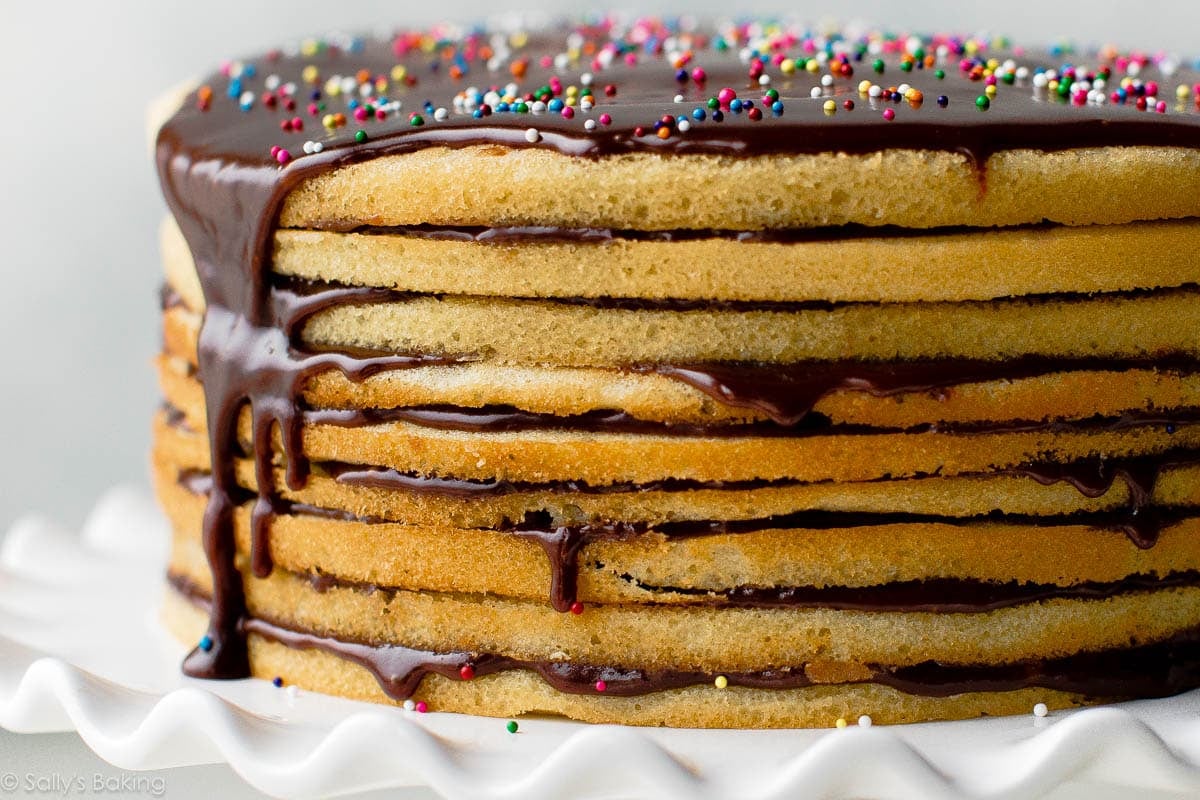
The Smith Island cake stands as a monumental achievement in American regional baking, representing both the geographic isolation and the industrious spirit of Maryland’s smallest inhabited island. Officially designated as the Maryland state dessert in 2008, the confection is defined by its meticulous architecture: a towering structure consisting of at least eight to nine distinct layers of thin yellow cake, interspersed with a signature cooked chocolate fudge icing. While the recipe has evolved from its humble 19th-century origins into a sophisticated culinary staple, the fundamental principles of its construction remain a testament to the maritime heritage of the Chesapeake Bay.
Historical Origins and Maritime Significance
Smith Island, located approximately 12 miles off the coast of Crisfield, Maryland, remains accessible only by boat. This isolation necessitated a cuisine based on shelf-stable ingredients and practical preparation methods. Historically, the cake was developed as a portable, durable dessert for the island’s watermen. During the autumn oyster harvesting season, these laborers would venture into the Chesapeake Bay for extended periods.
The traditional Smith Island cake was an ideal solution for life at sea. The cooked fudge icing, which relies on a boiling process to reach a specific consistency, acts as a natural preservative that maintains the structural integrity of the cake in varying temperatures. Unlike buttercream or whipped frostings, which might perish or melt, the boiled fudge icing creates a dense, protective barrier that keeps the interior layers moist for days. Historically, the cakes were often baked during the cooler months to ensure longevity, cementing their status as a cultural staple associated with the island’s most grueling labor cycles.
The Anatomy of a Regional Icon
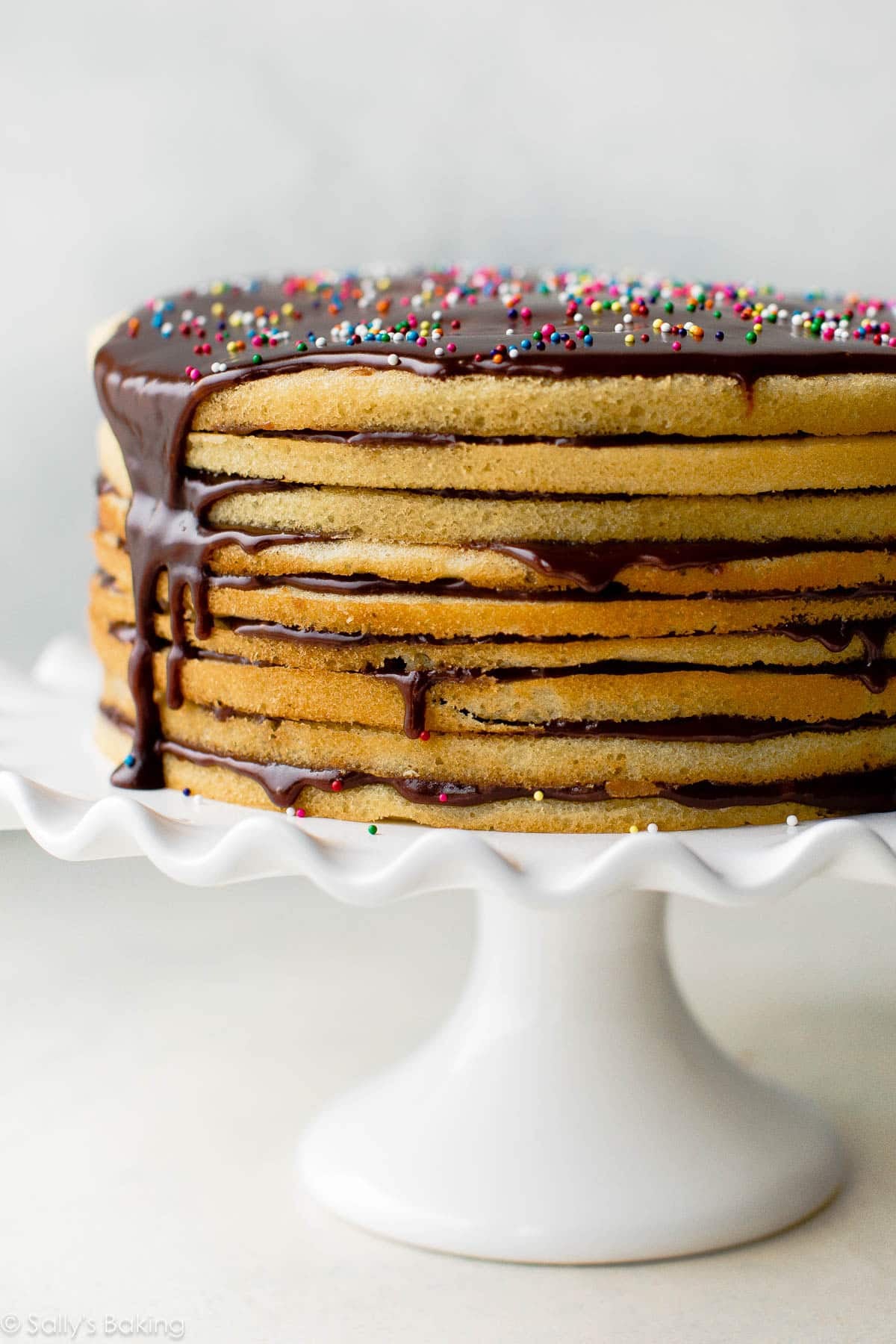
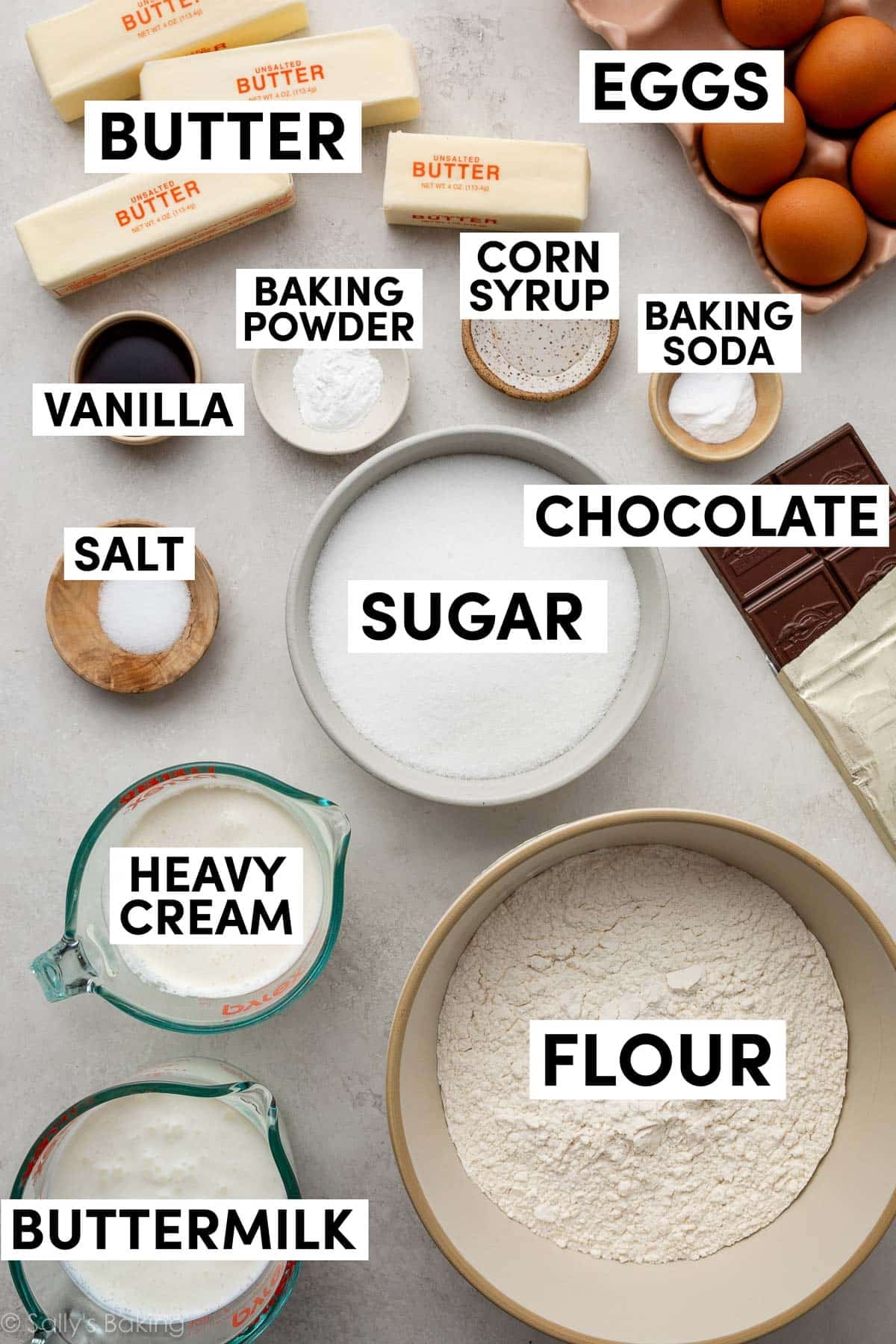
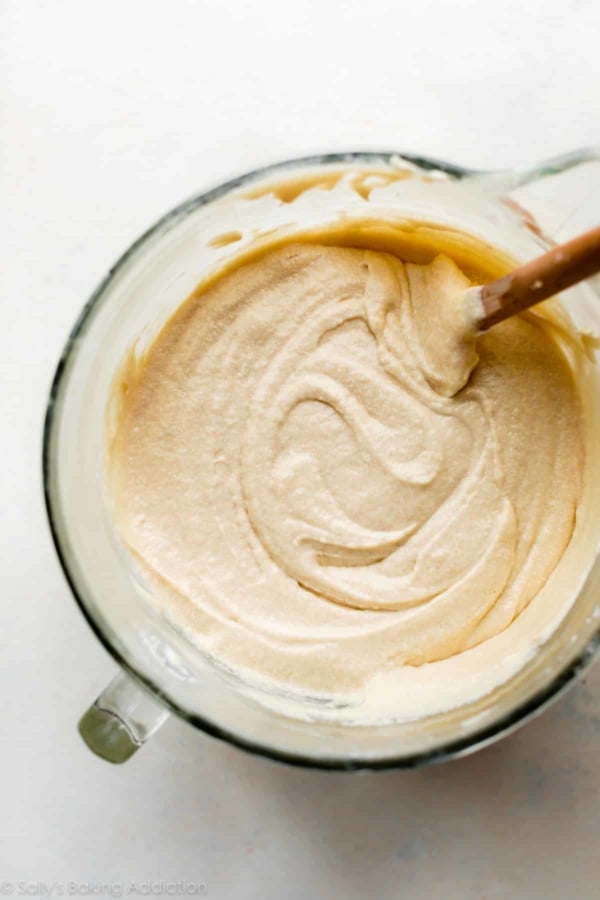
The complexity of the Smith Island cake lies in its assembly. Unlike standard American layer cakes that rely on two or three thick sponge tiers sliced horizontally, the authentic Smith Island method requires each layer to be baked individually. The batter, typically a standard yellow cake base composed of flour, sugar, butter, eggs, and buttermilk, is portioned into thin discs.
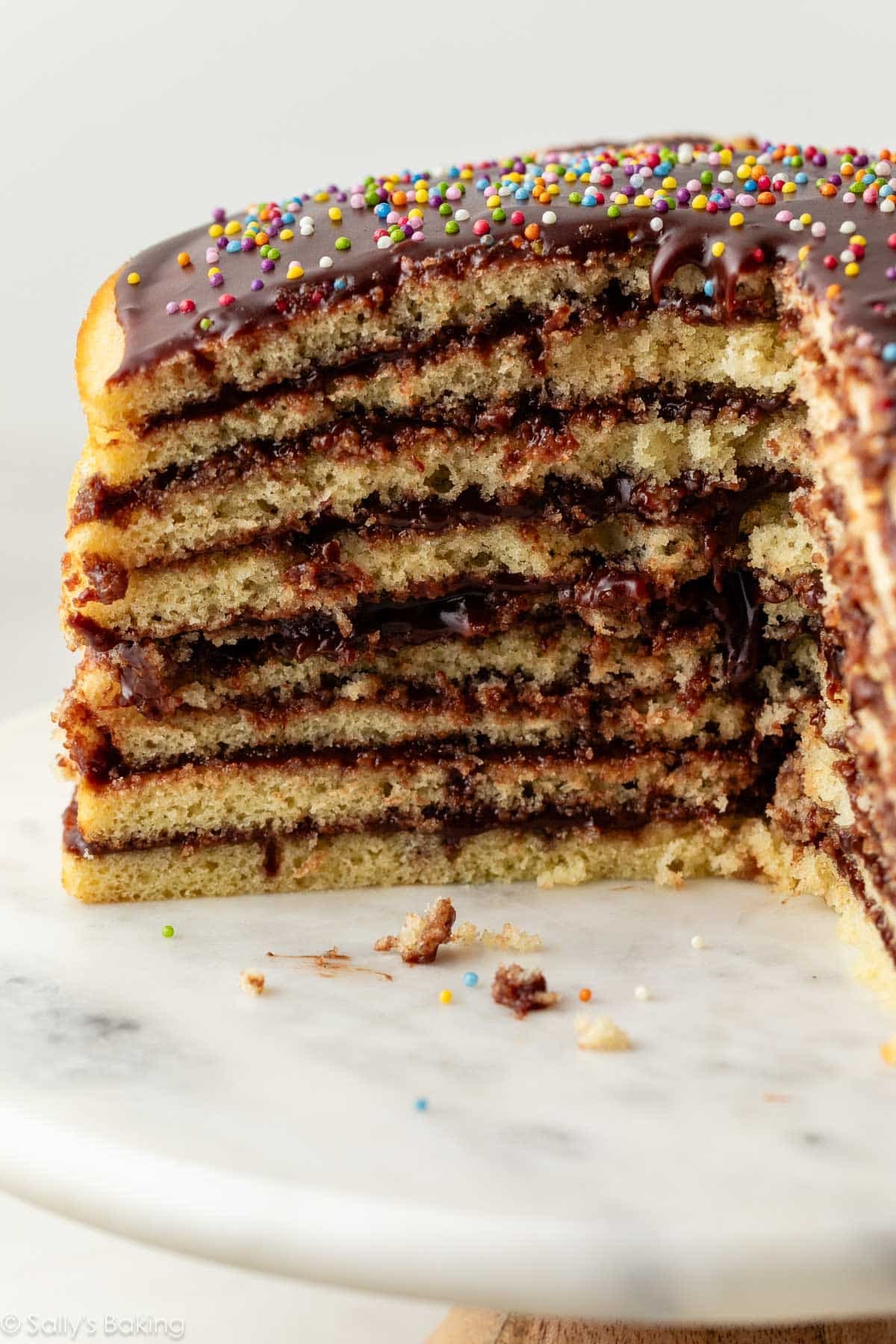
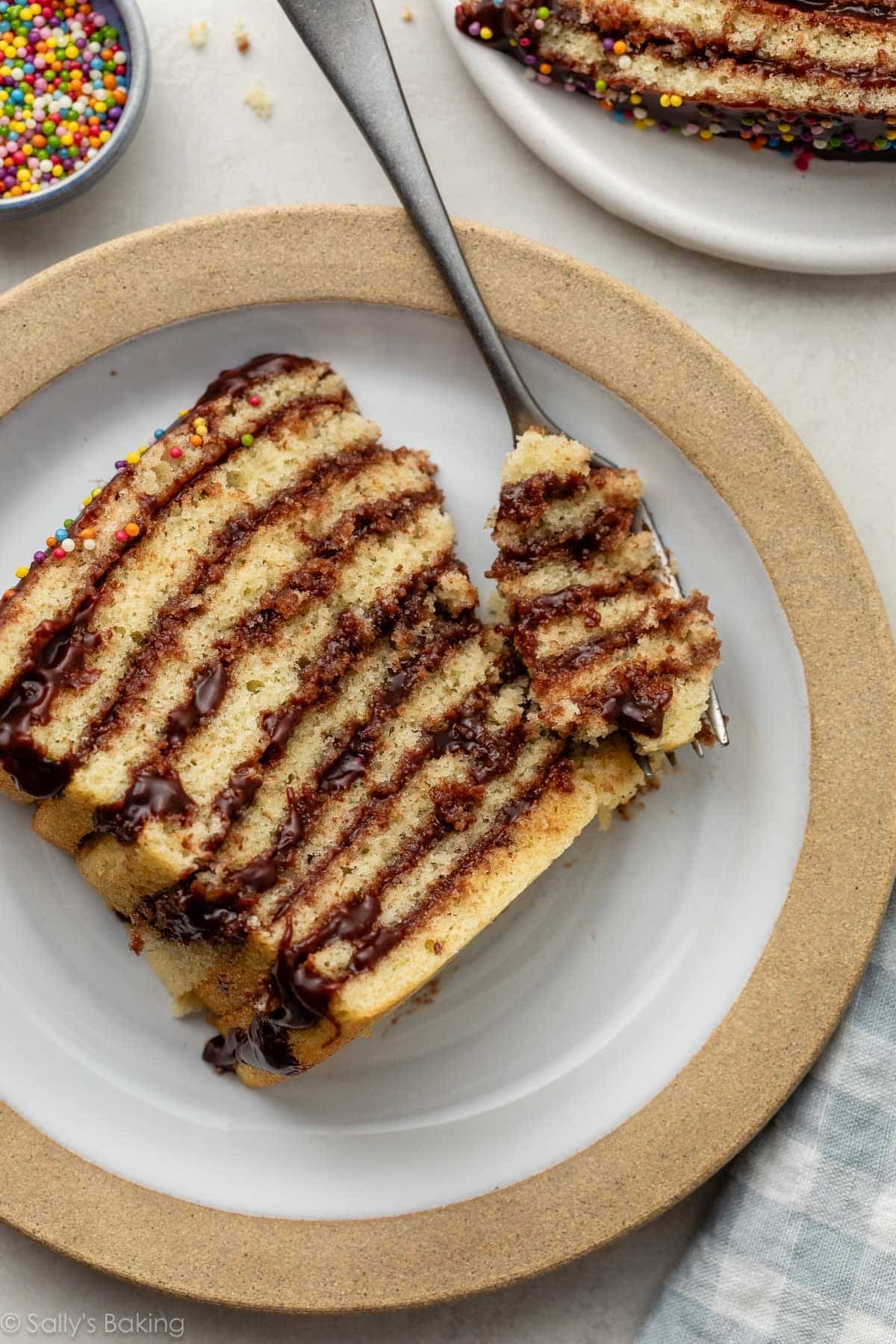
Professional bakers and culinary historians note that this technique serves a dual purpose. First, it ensures that each layer is cooked uniformly, preventing the dry edges often associated with thick, large-diameter cakes. Second, the thinness of the layers allows the hot, liquid-like fudge icing to permeate the crumb structure. As the cake cools, the icing absorbs into the sponge, resulting in a cohesive texture where the boundaries between cake and frosting are blurred. This process requires significant patience, as each individual pan—often nine in total—must be monitored closely to prevent over-baking, as the thin discs can turn from golden to brittle in under 12 minutes.
Legislative Recognition and Cultural Impact
The path to state-level recognition was initiated by local advocates who sought to codify the island’s contribution to Maryland’s cultural identity. In 2008, the Maryland General Assembly passed House Bill 241, which officially named the Smith Island cake the state dessert. The legislative move was not merely symbolic; it provided a platform for economic development on an island where traditional industries like crabbing and oystering have faced significant ecological and economic volatility.
The designation served to protect the integrity of the dessert’s name. In the years following the legislation, the popularity of the cake surged, prompting commercial interest from mainland bakeries. However, purists argue that the “official” label carries a responsibility to uphold the traditional preparation methods. Critics and proponents alike often debate the inclusion of modern variations, such as lemon, coconut, or carrot-based iterations, though the classic chocolate fudge remains the gold standard for regional authenticity.
Culinary Evolution and Contemporary Preparation
While the fundamental recipe has remained consistent, modern culinary adaptations have focused on refining the crumb and enhancing the richness of the icing. Recent modifications to the traditional formula include adjustments to leavening agents—specifically the precise calibration of baking powder to ensure the layers achieve enough lift to prevent a dense, doughy result while remaining thin enough to stack effectively.
The icing process has also seen technical advancements. Modern versions often emphasize the use of high-quality bittersweet chocolate to provide a depth of flavor that contrasts with the high sugar content inherent in the fudge base. The boiling point of the icing is critical; reaching 220°F (104°C) ensures that the sugar-to-fat ratio is perfectly balanced, allowing the mixture to set without crystallizing.
Economic and Sociological Implications
The enduring appeal of the Smith Island cake has had a measurable impact on the tourism industry of Somerset County. By transforming a localized maritime tradition into a broader cultural commodity, the island has managed to sustain interest in its heritage despite the ongoing challenges of erosion and population decline. The cake serves as a gateway for visitors to engage with the history of the Chesapeake Bay, facilitating a deeper understanding of the environmental and economic pressures faced by island residents.
Furthermore, the "do-it-yourself" movement in home baking has demystified the process, with many culinary educators providing step-by-step guides that make the multi-layer construction accessible to non-professionals. This democratization of the recipe has ensured that the tradition is passed down to subsequent generations, transcending its geographical origins.
Analytical Summary of Preparation Standards
For those attempting the recipe, success is contingent upon strict adherence to environmental controls. The requirement for room-temperature ingredients is a non-negotiable standard in professional baking, as the emulsification of fats and liquids determines the final lift of the thin layers. Furthermore, the use of parchment paper is considered an essential technical requirement; given the fragility of the thin sponge, the risk of tearing during extraction from the pan is high without a non-stick barrier.
As of the current decade, the Smith Island cake remains a primary subject of interest in American food studies. It represents a unique intersection of necessity-driven innovation and aesthetic ambition. Whether prepared in a professional setting or a home kitchen, the cake serves as a durable symbol of Maryland’s resilience and its deep-seated connection to the waters of the Chesapeake. As long as the tradition of the multi-layered, fudge-iced assembly is preserved, the Smith Island cake will continue to occupy its rightful place as a cornerstone of American regional cuisine.
