
In the modern landscape of home culinary management, the intersection of time-efficiency and nutritional density has become a primary focus for households seeking to balance busy professional schedules with the necessity of home-cooked meals. The methodology of "dump-and-go" slow cooker cooking has emerged as a cornerstone of this lifestyle, particularly with high-protein staples such as the slow cooker chicken taco. This preparation style, which minimizes active kitchen time to under five minutes, represents a significant shift in domestic food preparation trends, prioritizing convenience without compromising on macronutrient quality.
Culinary Methodology and Technical Execution
The fundamental appeal of the slow cooker chicken taco lies in the scientific process of moist-heat cooking. By combining lean proteins—typically boneless, skinless chicken breasts—with acidic, liquid-based aromatics like salsa, the slow cooker maintains a consistent internal temperature, allowing the connective tissues in the poultry to break down slowly. This ensures a final product that is succulent and easily shredded, contrasting with the potential dryness associated with traditional high-heat roasting or pan-searing.
From a nutritional standpoint, this dish is highly efficient. A standard serving of approximately three tacos provides roughly 45.5 grams of protein, making it a viable option for those adhering to high-protein dietary requirements. With a caloric density of approximately 474 kcal per serving and a robust fiber content of 9.5 grams—often derived from the inclusion of fresh vegetable toppings like cabbage slaw and avocado—it offers a balanced profile of macronutrients. The low sugar content (4 grams) and controlled sodium levels (470.5 mg) further position this as a healthier alternative to processed, pre-packaged taco kits often found in retail environments.

Chronology of Preparation and Implementation
The standard preparation timeline for this dish is designed to integrate into a standard workday. The preparation phase, occurring before the workday commences, involves placing raw chicken and seasoning components into the slow cooker vessel.
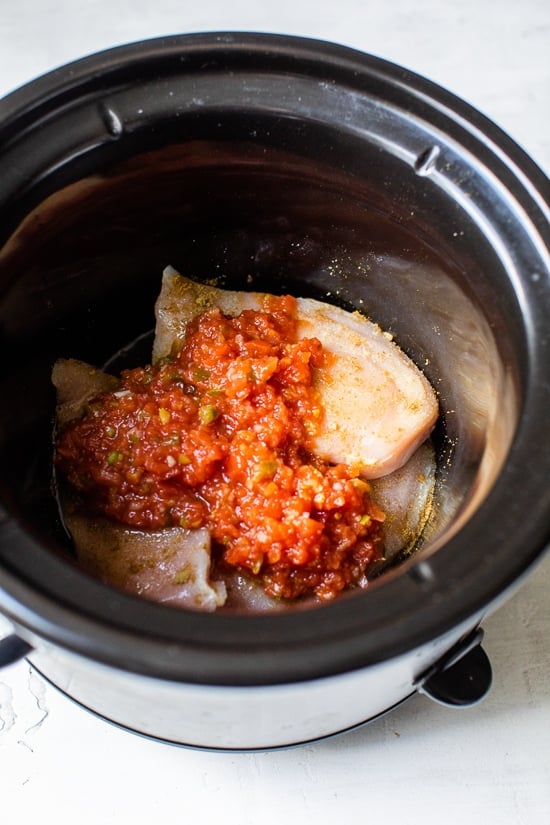
- Initial Setup (0–5 minutes): Raw chicken breasts are placed into the basin. Spices (typically cumin, chili powder, and garlic) and a high-quality salsa are added.
- Thermal Processing (3–4 hours on High, or 6–8 hours on Low): The appliance maintains a temperature range that prevents the meat from overcooking while ensuring it reaches a food-safe internal temperature of 165°F.
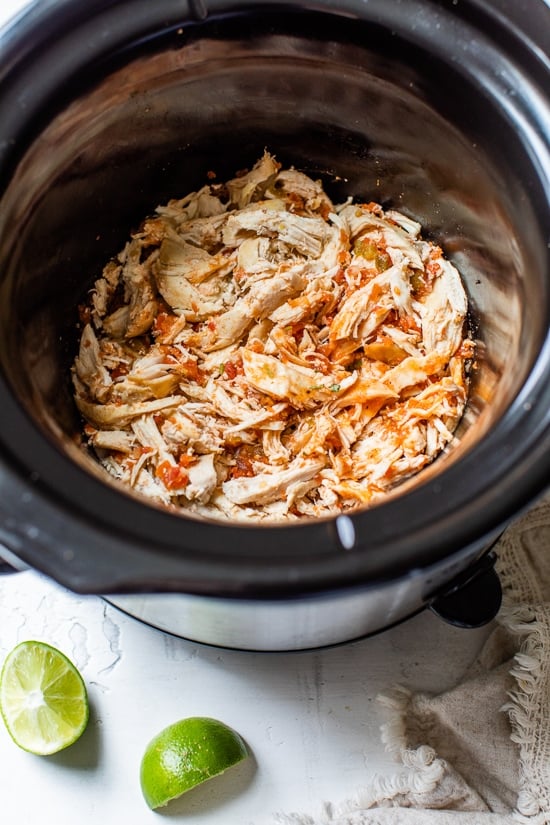
- Post-Processing (5 minutes): Upon completion of the cooking cycle, the protein is shredded directly within the vessel, allowing it to absorb the residual juices.
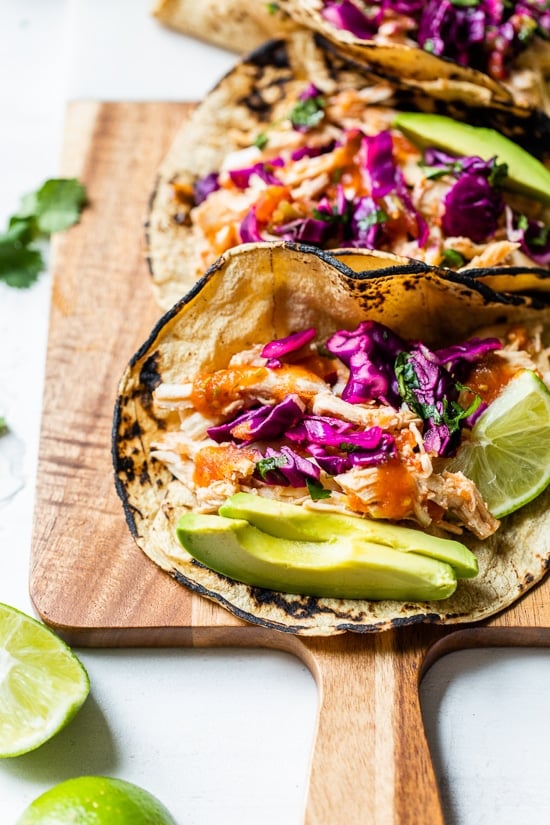
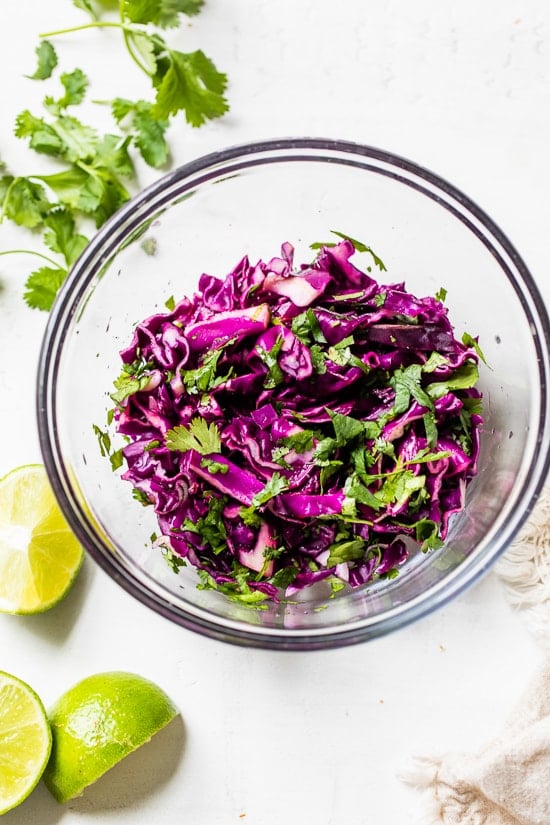
- Final Assembly: The addition of fresh, crisp elements—such as a lime-infused cabbage slaw and sliced avocado—provides a textural contrast to the tender shredded chicken.
The Role of Technology in Domestic Efficiency
The reliance on slow-cooker technology has seen a resurgence in the post-2020 era, as remote and hybrid work models have changed how individuals interact with their kitchen spaces. According to recent consumer trends in kitchen appliances, the "set-it-and-forget-it" model is increasingly favored by demographics that value time-blocking. By shifting the labor-intensive portion of dinner preparation to the early morning or mid-afternoon, households are effectively outsourcing the cooking process to the machine, thereby reducing the "decision fatigue" that often occurs at the end of a workday.

This approach aligns with broader shifts toward meal prepping, a practice that has been shown to reduce food waste and lower overall household food expenditures. By preparing a large batch of shredded chicken, individuals can store the protein for up to four days in a refrigerated environment, or up to three months in a frozen state, providing a versatile ingredient that can be repurposed for salads, grain bowls, or secondary taco nights.
Nutritional Implications and Dietary Considerations
The primary nutritional advantage of the slow-cooker taco model is the ability to control ingredient sourcing. Unlike mass-market taco seasoning packets, which often contain anti-caking agents, excessive fillers, and high concentrations of sodium, the home-prepared version allows for the use of individual spices. This customization is critical for individuals managing conditions such as hypertension or those with specific dietary sensitivities.
Furthermore, the inclusion of cabbage slaw serves as an important nutritional bridge. Cabbage, a cruciferous vegetable, provides essential vitamins (specifically K and C) and aids in digestive health through its high fiber content. When combined with the monounsaturated fats found in avocados, the meal becomes a comprehensive source of nutrients that are often lacking in standard "fast-casual" dining options.
Broader Economic and Lifestyle Impacts
The mainstream adoption of high-protein, low-effort cooking has implications for both the individual and the broader retail market. As consumer demand for "protein-forward" recipes grows, the retail industry has seen a corresponding increase in the availability of lean poultry and high-quality, low-sugar salsas. Industry analysts suggest that the rise of cookbooks focused on high-protein, time-sensitive meal planning—such as the recent focus on specialized nutritional guides—reflects a permanent shift in how consumers view home dining.
The transition from viewing cooking as a daily chore to viewing it as a logistical component of a productive day is a defining trend of the current decade. The "dump-and-go" chicken taco is not merely a recipe; it is a case study in how domestic tasks can be optimized through modern appliances and mindful ingredient selection.
Best Practices for Optimal Outcomes
To ensure consistent results, culinary experts and professional food scientists emphasize several key operational practices:
- Protein Selection: While chicken breast is the standard for its lean profile, boneless, skinless chicken thighs are recommended for those seeking a higher moisture content, as the higher fat content of the thigh meat provides additional protection against over-cooking during extended heating cycles.
- Temperature Management: For safety and optimal texture, it is imperative that frozen chicken is fully thawed before being introduced to the slow cooker. Placing frozen protein into a slow cooker can create a "danger zone" where the internal temperature of the meat lingers between 40°F and 140°F for too long, potentially encouraging bacterial growth.
- Tortilla Preparation: The texture of the vessel for the taco is equally important. Corn tortillas, which are naturally gluten-free, require specific handling to avoid breakage. Briefly heating them on a hot griddle or over an open flame—a process known as charring—not only improves the structural integrity of the tortilla but also enhances the nutty, toasted flavor profile of the corn.
- Slaw and Acidity: The addition of a lime-based acid to the cabbage slaw is not merely for flavor; the acid acts as a palate cleanser, cutting through the savory, concentrated flavors of the slow-cooked chicken, thereby creating a more balanced sensory experience.
Conclusion: The Future of Efficient Home Dining
As households continue to navigate the demands of modern life, the popularity of reliable, high-protein, and time-efficient meals like the slow cooker chicken taco will likely persist. By utilizing the slow cooker as an automated culinary tool, individuals can maintain a high standard of nutrition without the requirement of constant supervision. The success of this approach is validated not only by the ease of preparation but by the consistency of the results, which provide a reliable, healthy foundation for daily caloric intake. This synthesis of convenience and health remains a vital component of the contemporary culinary toolkit, demonstrating that complexity is not a prerequisite for quality in the home kitchen.
