
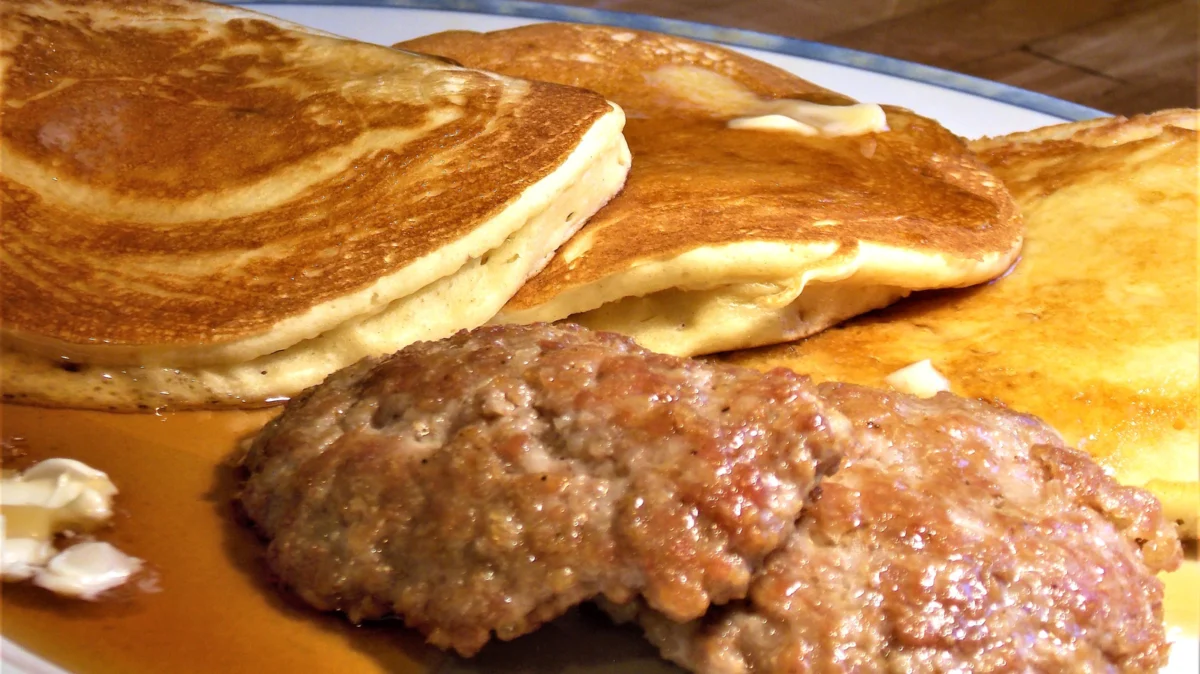
The culinary evolution of the American breakfast has long been defined by the marriage of sweet and savory flavor profiles. Among the most iconic combinations is the pairing of breakfast sausage—typically a seasoned pork patty or link—with the light, fluffy texture of a buttermilk pancake. While traditional dining etiquette often dictates serving these components separately, a rising trend in home cooking involves the physical integration of the two: sausage-stuffed pancake bites. This preparation method, which mirrors the commercial success of products like the McGriddle, offers a streamlined approach to a classic meal, providing both convenience and a unique textural contrast that has gained significant traction in fast-casual and home-cooking sectors.
The Mechanics of the Stuffed Pancake
At its core, the preparation of these breakfast bites is an exercise in heat management and ingredient synchronization. The process begins with the preparation of the protein. Whether utilizing pre-formed, store-bought breakfast sausage patties or hand-shaping ground pork seasoned with sage, black pepper, and thyme, the sausage must be cooked thoroughly prior to the batter application. Culinary experts emphasize that the patties must reach an internal temperature of 160 degrees Fahrenheit to ensure safety, a standard upheld by the USDA for ground pork products.
Once the sausages are browned, they are typically allowed to cool. This step is critical; if the sausage remains too hot, the batter will begin to cook prematurely upon contact, resulting in a thin, uneven coating. The batter itself can be a standard commercial mix or a scratch-made composition of flour, leavening agents, dairy, and eggs. The sausage is submerged into the batter, ensuring full coverage, and then transferred to a preheated skillet or griddle. The result is a self-contained breakfast unit that eliminates the need for separate utensils and facilitates consumption on the go.
Historical Context and the Rise of the "Griddle Sandwich"
The inspiration for this at-home culinary innovation can be traced back to the early 21st-century fast-food revolution. In 2003, McDonald’s introduced the "McGriddle," a breakfast sandwich featuring two maple-flavored pancakes acting as the bun for a sausage, egg, and cheese filling. The product was a departure from traditional breakfast offerings, which usually involved savory buns or biscuits.
Market data from the mid-2000s indicated that the convenience of the "handheld breakfast" was a major driver for consumer preference. As urbanization increased and the average morning commute grew longer, the demand for items that did not require a knife and fork became a priority for major food chains. The sausage-stuffed pancake bite is essentially a democratization of this concept, allowing consumers to achieve the same textural experience in a home kitchen setting without the industrial preservatives or high sodium content often found in commercial fast-food items.
Culinary Analysis: Flavor Profiles and Composition
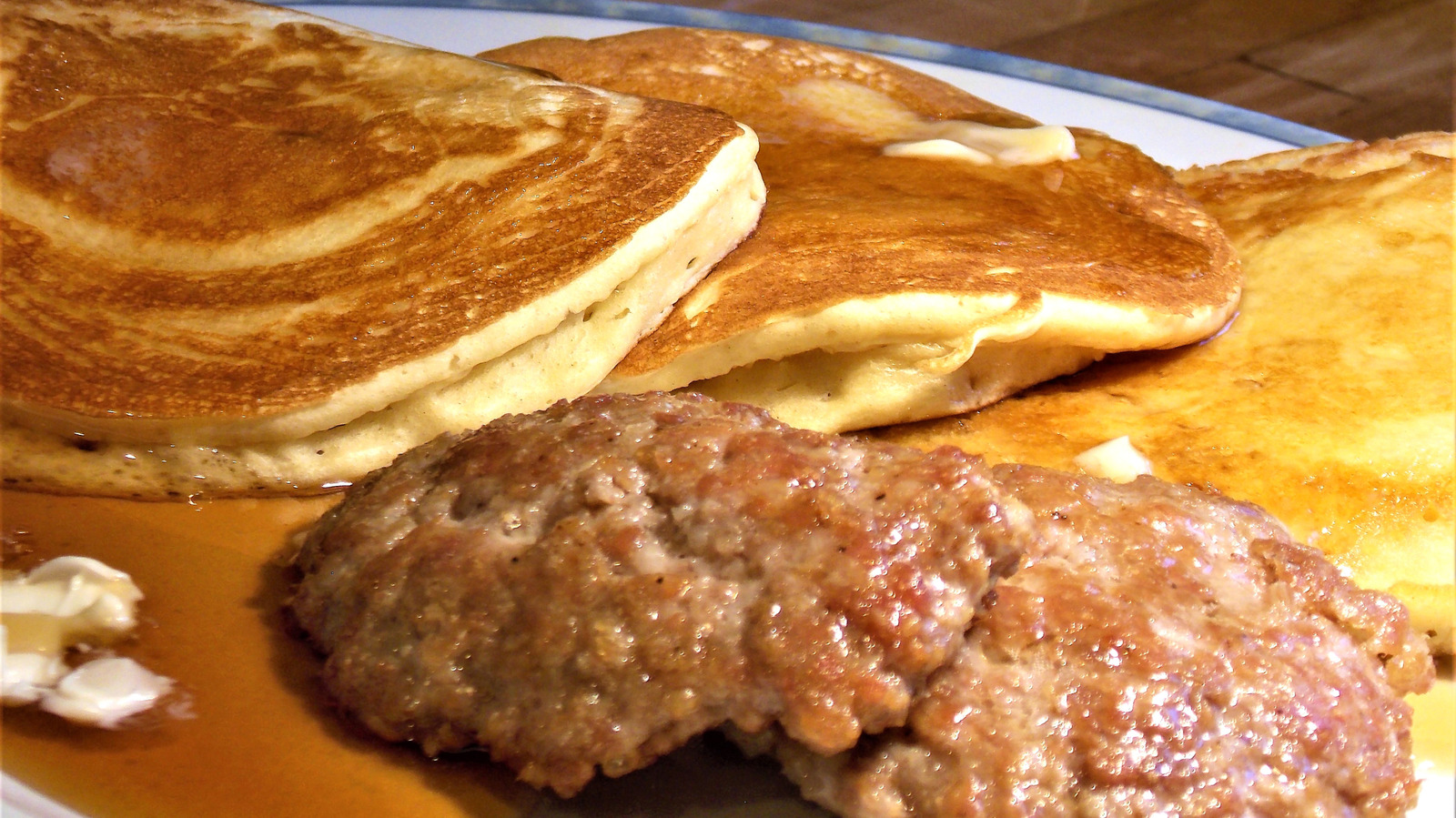
From a sensory perspective, the success of the sausage-pancake combination lies in the concept of "flavor balancing." The salt-to-sugar ratio is the primary driver of satisfaction. Sausage, which relies on sodium for both preservation and flavor, provides a robust savory anchor. When paired with a pancake—often enhanced with a hint of vanilla or sugar—the resulting palate experience triggers the release of dopamine in the brain, a phenomenon often studied in food science regarding the "bliss point."
Nutritionists, however, advise moderation. A standard pancake and sausage breakfast can easily exceed the recommended daily intake for sodium and saturated fats. When combined into a single bite, the calorie density increases significantly. However, home cooks have the agency to modify these variables. By substituting traditional pork sausage with turkey or chicken sausage, or by utilizing plant-based meat alternatives, the fat profile of the meal can be drastically reduced. Furthermore, incorporating fiber-rich elements into the batter, such as oat flour or finely grated vegetables, can improve the nutritional density of the dish.
Customization and Professional Techniques
Professional chefs suggest that the key to elevating these bites lies in the aromatics. For instance, incorporating fresh sage or rosemary directly into the pancake batter creates a bridge between the herbal notes of the sausage and the sweetness of the syrup. Additionally, the temperature of the cooking surface is paramount. A medium-high heat allows the exterior of the batter to crisp while ensuring the interior stays fluffy.
For those looking to scale this for larger groups, oven-baked versions have emerged as a viable alternative. By placing the sausage in a muffin tin and pouring the batter over the top, cooks can create "pancake muffins." This method eliminates the need for individual flipping and ensures a uniform cooking time. Research into kitchen efficiency shows that batch-cooking techniques such as this can reduce prep time by up to 40% compared to traditional stove-top frying.
The Shift Toward Plant-Based Alternatives
The landscape of the breakfast market is shifting as consumers increasingly demand plant-based options. Major producers have responded by offering soy or pea-protein-based sausages that mimic the texture of traditional pork. These products often contain lower cholesterol levels and are perceived by many demographics as more sustainable.
In the context of the stuffed pancake, plant-based sausages often perform well because they are typically pre-cooked and have a more consistent size and shape than raw ground meat. This consistency makes them an ideal candidate for the dipping process. As sustainability becomes a core pillar of food security, the integration of these plant-based proteins into traditional breakfast recipes serves as a case study for how legacy meals can be modernized to align with contemporary ethical and environmental standards.
Implications for Home Dining Trends
The popularity of these quick-to-prepare breakfast items reflects a broader trend in the food industry known as "efficiency-driven consumption." As the global workforce experiences more flexible or hybrid working conditions, the definition of "leisurely weekend breakfast" is becoming more fluid. People are seeking meals that offer the comfort of a traditional sit-down breakfast but with the efficiency of a weekday meal.
The implications for the food industry are significant. Manufacturers of pancake mixes and pre-packaged breakfast meats are increasingly tailoring their marketing and product development to support "cross-functional" usage. Recipe development departments are no longer just looking at how to make a pancake; they are looking at how a pancake interacts with other pantry staples.
Best Practices for Optimal Results
To achieve the best outcome when preparing sausage-stuffed pancake bites, culinary experts recommend the following guidelines:
- Moisture Control: Ensure that the cooked sausage is patted dry before dipping. Excess grease on the surface of the sausage will prevent the batter from adhering properly, causing it to slide off during the frying process.
- Batter Consistency: The batter should be slightly thicker than what is typically used for standard pancakes. A thicker batter provides better structural integrity, ensuring the sausage remains encased throughout the cooking process.
- Resting Time: Allowing the batter to rest for 5–10 minutes before cooking allows the flour to hydrate and the leavening agents to activate, resulting in a lighter, airier crust.
- Strategic Heat: Utilizing a cast-iron skillet provides superior heat retention, which is essential for achieving a consistent golden-brown crust without burning the exterior before the batter is cooked through.
Conclusion
The evolution of the sausage-stuffed pancake represents a synthesis of culinary convenience and flavor optimization. By leveraging the principles of texture, heat management, and ingredient versatility, home cooks can transform basic components into a sophisticated and satisfying meal. As consumer habits continue to evolve, the demand for such recipes—which bridge the gap between traditional comfort food and modern time-efficiency—is expected to grow. Whether served with a side of fresh fruit or dipped in traditional maple syrup, this dish serves as a testament to the enduring appeal of the sweet-and-savory breakfast combination in the modern kitchen.
