
A Chronology of a Fan-Favorite
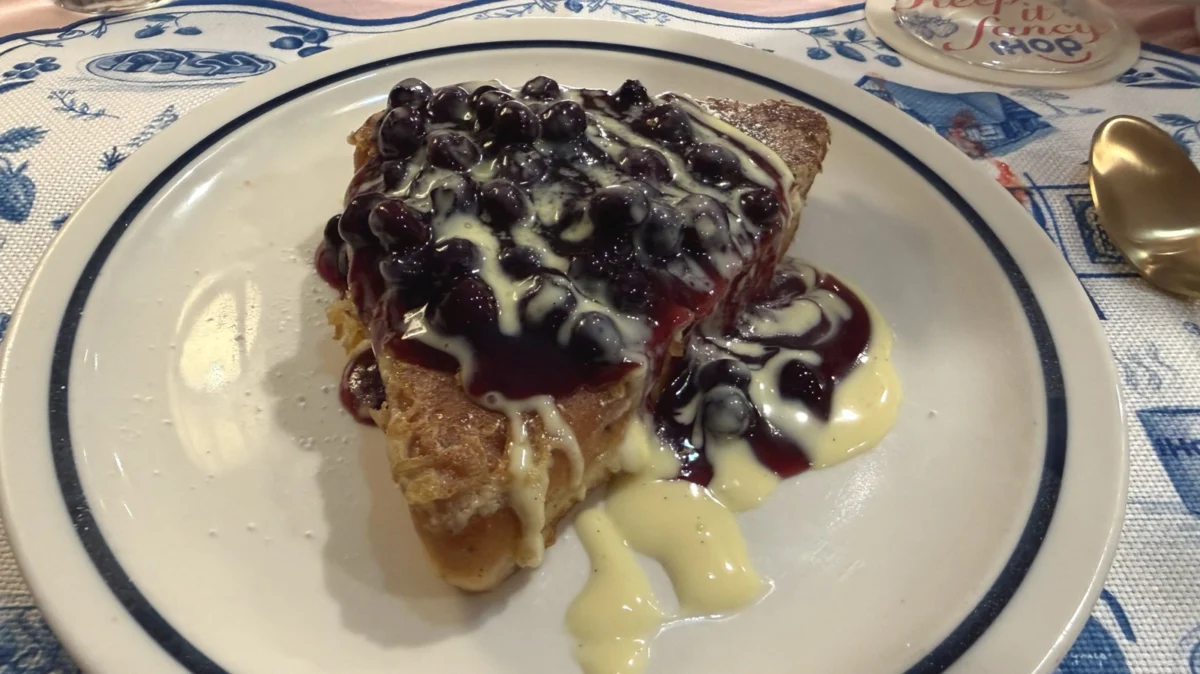
The history of IHOP’s Stuffed French Toast is marked by long-term success followed by a tactical removal that proved unpopular with the brand’s core demographic. Launched in 2003, the item remained a staple of the IHOP experience for seventeen years, earning a reputation as a decadent, dessert-like breakfast option. However, the operational landscape shifted significantly during the 2020 global pandemic. As the restaurant industry faced supply chain constraints, labor shortages, and a necessary pivot toward streamlined operations, IHOP made the difficult decision to discontinue several legacy items.
According to Chef Art Carl, IHOP’s Vice President of Culinary, the removal of the Stuffed French Toast was not a rejection of the dish’s popularity, but rather an intentional effort to refresh the menu with new offerings, such as expanded crepe varieties and innovative pancake flavors. Despite the addition of these new items, the void left by the Stuffed French Toast became a focal point for customer feedback. For years, the dish consistently topped the list of "most requested comeback items" across the company’s social media platforms, culminating in a dedicated online petition that drew thousands of signatures from loyal patrons.
Refinement of the Culinary Process
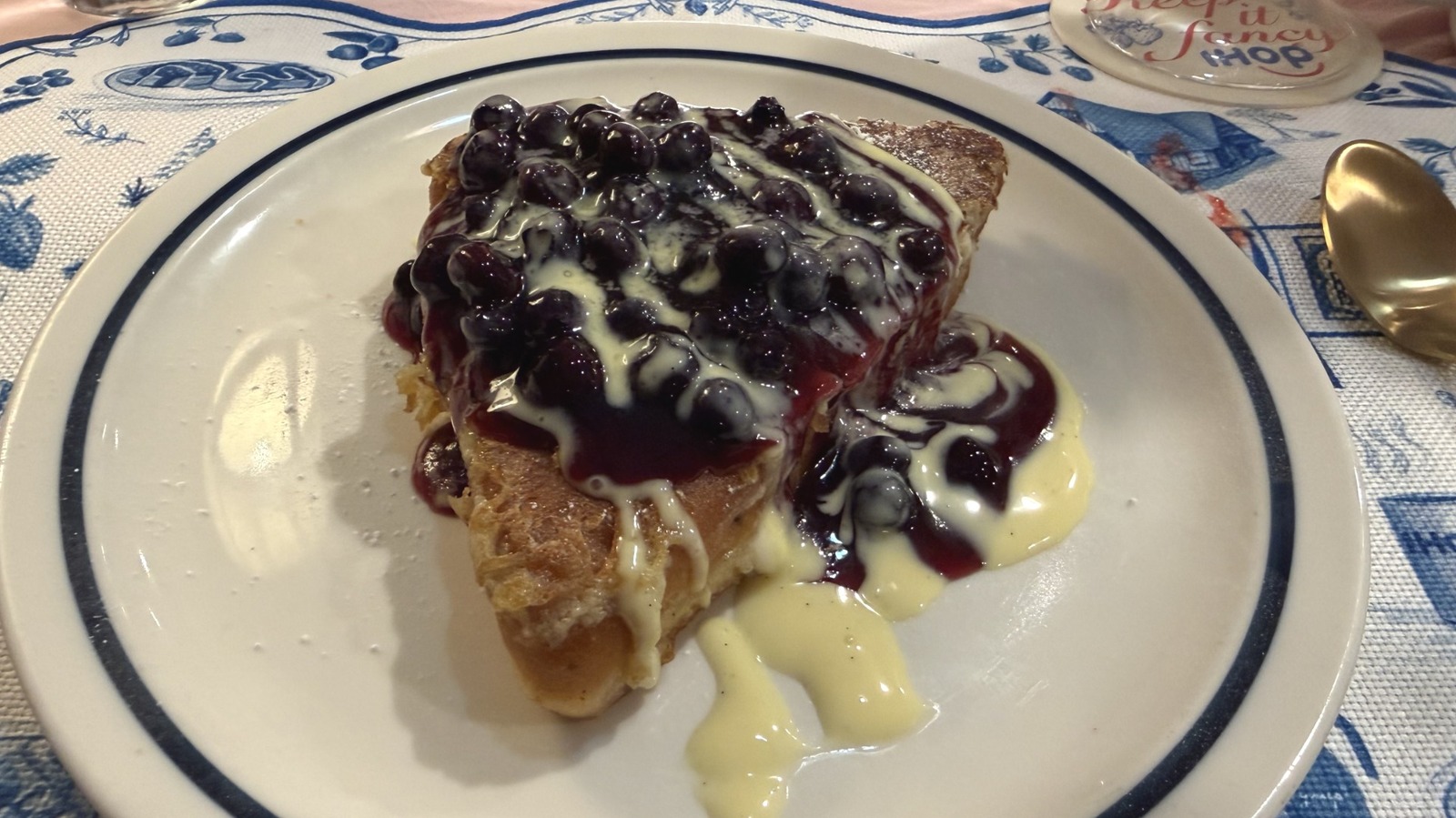
The decision to bring the item back was not merely a restoration of the old recipe, but an evolution in preparation. Historically, the French toast was assembled using a "one-prong" stuffing technique. For the 2024 relaunch, IHOP has implemented a "three-prong" injection process. This technical adjustment is designed to ensure that the signature sweet cream cheese filling is distributed uniformly throughout the bread. By increasing the number of injection points, the kitchen aims to mitigate the common "dry spot" issue found in stuffed pastries, ensuring that the filling is present in every bite.
The bread itself retains the characteristics that defined the original: a thick-cut foundation that is dipped in a vanilla-cinnamon batter and seared on a griddle. The goal of this process is to maintain a crispy, caramelized exterior while preserving an airy, soft interior. This balance is critical, as the dish is finished with substantial amounts of fruit compote and vanilla sauce, which could theoretically compromise the structural integrity of the toast if not prepared correctly.
Product Analysis: Flavor Profiles and Composition
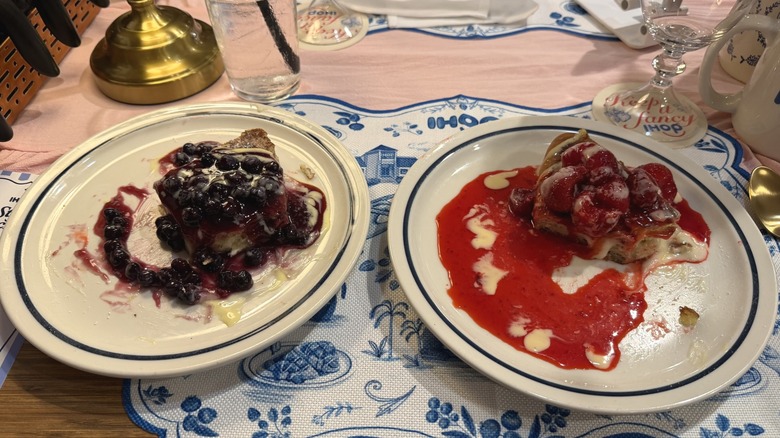
The reintroduced menu includes two primary variations: Strawberry Vanilla and Blueberry Vanilla.
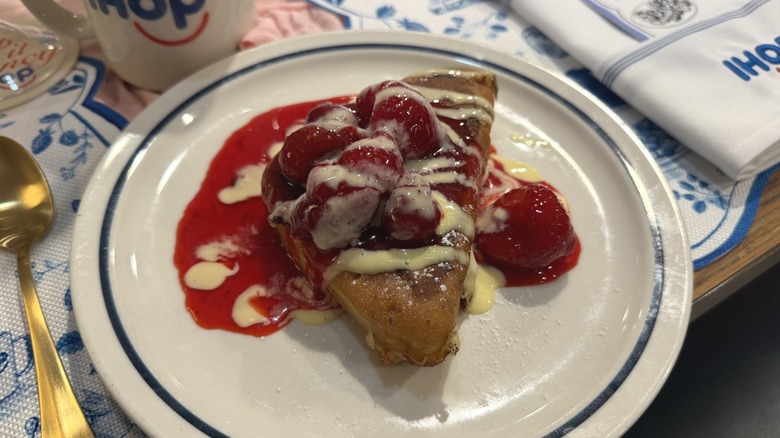
The Strawberry Vanilla variation leans into a classic, high-sugar profile. The strawberry compote, while visually vibrant and flavorful, exhibits a characteristic sweetness that borders on confectionery. It is a profile clearly designed for the "dessert-for-breakfast" segment of the market. While some diners may find the temperature contrast between the warm bread and the chilled fruit refreshing, the syrupy nature of the strawberry topping remains its most dominant feature.
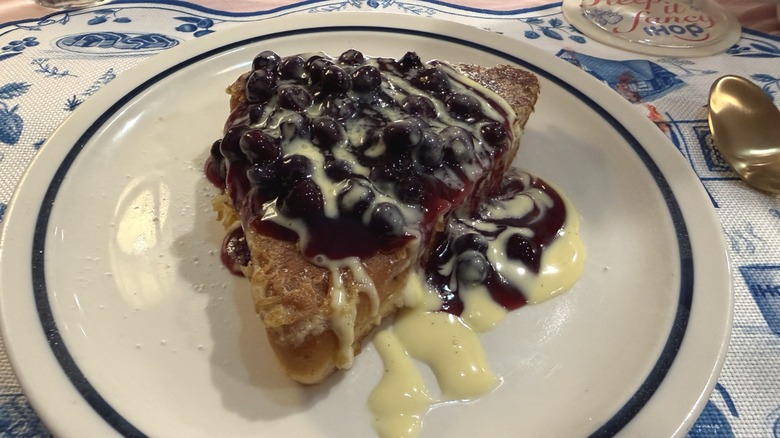
The Blueberry Vanilla option offers a slightly more nuanced palate. The blueberries maintain a degree of tartness and structural firmness that cuts through the richness of the sweet cream cheese filling. This version is generally perceived as less aggressive in its sweetness, making it a more balanced choice for those who prefer the fruit-to-cream ratio to be clearly delineated.
In both iterations, the exterior sear remains robust. Despite being slathered in sauce, the edges of the toast maintain a distinct crunch, suggesting that the griddle-searing process has been successfully standardized across the franchise. The filling, while significantly more present due to the new three-prong technique, still tends to be more concentrated toward the outer edges of the bread compared to the center, creating a dynamic eating experience that mimics a stuffed sandwich.
Economic Impact and Strategic Implications
The return of the Stuffed French Toast is a calculated move to drive foot traffic. By reintroducing a product with a proven, pre-existing customer base, IHOP minimizes the risks associated with launching an entirely new product. The pricing structure for the launch is aggressive: the individual plate—consisting of two stuffed triangles—is priced at approximately $13.88, while the full breakfast combo, which includes two eggs, hash browns, and a choice of bacon or sausage, is set at $14.95.
This pricing strategy positions the item as a premium, value-added meal. In an era where consumers are increasingly sensitive to price hikes in the casual dining sector, offering a "combo" option provides a perception of increased value, allowing the restaurant to move more inventory while providing a complete, protein-rich meal.
Industry analysts observe that the revival of legacy items is a common strategy for mature brands looking to re-engage lapsed customers. By publicly acknowledging the petition and the social media outcry, IHOP has turned the menu change into a PR event. This strategy serves to validate the customer base, signaling that the corporate entity is attentive to their preferences.
Long-Term Availability and Market Positioning
Unlike many seasonal limited-time offers (LTOs) that rotate out of menus in a matter of weeks, IHOP has signaled a significant commitment to this launch. The Stuffed French Toast is scheduled to remain a fixture on the national menu through early 2027. This long-term commitment indicates that the company views the dish not just as a temporary promotion, but as a permanent, high-performing anchor for its breakfast category.
The broader implications for IHOP’s menu strategy are clear: the brand is moving away from the "constant rotation" model that characterized the post-pandemic years and is instead pivoting toward a "best-of" approach. By refining classic recipes rather than abandoning them, the chain aims to stabilize its identity as the premier destination for traditional American diner-style breakfasts.
For the casual diner, the return of the Stuffed French Toast represents the successful intersection of corporate agility and consumer demand. Whether the dish will maintain its popularity over the next three years depends on the consistency of execution across thousands of locations. However, as it stands, the revamped preparation, coupled with the nostalgic pull of the original, suggests that the item is well-positioned to meet the high expectations set by its most vocal advocates. For a brand that has not seen its most loyal customers in years, the smell of cinnamon and cream cheese may be exactly the invitation needed to bring them back to the table.
