
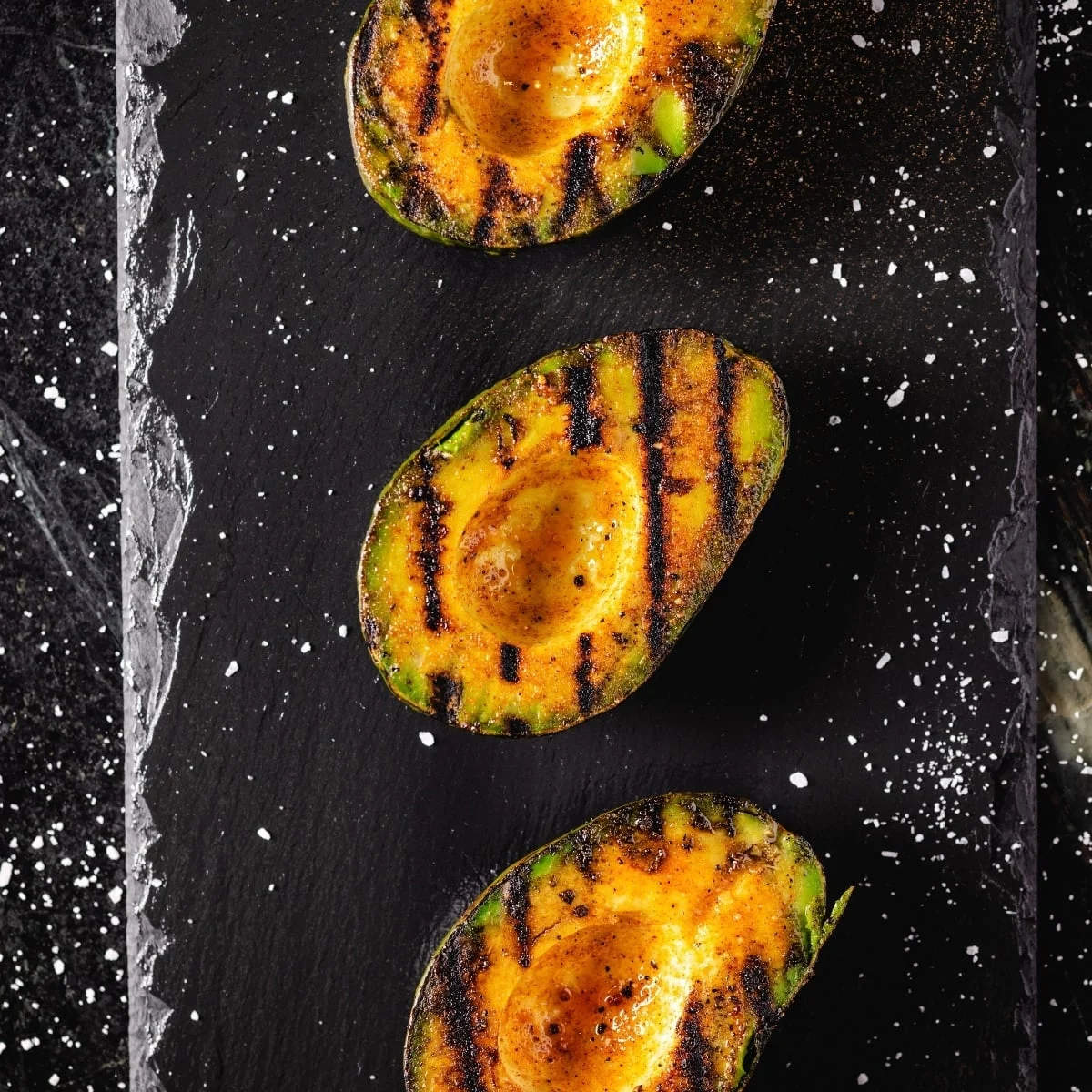
The evolution of outdoor cooking has transitioned from a focus on primary proteins to a more holistic approach that incorporates diverse produce, as evidenced by the increasing popularity of grilled avocados. Traditionally consumed raw in salads or as guacamole, the avocado is being reimagined through high-heat applications that introduce complex smoky notes and structural transformations. This culinary technique, championed by barbecue experts such as Susie Bulloch of Hey Grill Hey, utilizes a minimal ingredient profile to maximize the fruit’s inherent creaminess while adding a charred exterior that complements traditional barbecue flavors.
The Chronology of Preparation and Execution
The process of grilling an avocado is defined by its brevity and precision, requiring approximately five minutes of active cooking time to achieve the desired texture. The methodology begins with the selection of the fruit; avocados must be ripe yet firm enough to withstand the structural stress of high-heat grates.
The first phase involves preparation. The avocados are halved longitudinally, and the pits are removed. Unlike many vegetable preparations that require extensive marination, the avocado requires only a light coating of oil—typically olive or avocado oil—to facilitate heat transfer and prevent sticking. Following the oil application, a seasoning layer is applied. In the Hey Grill Hey methodology, a signature "Sweet Rub" is utilized, which typically balances sugar and salt with earthy spices to create a caramelized crust upon contact with the heat.
The second phase is the thermal application. The grill is preheated to a high temperature, ensuring that the grates are sufficiently hot to produce immediate sear marks. The avocado halves are placed cut-side down directly over the heat source. This stage lasts between two to three minutes. The objective is not to cook the fruit through but to induce the Maillard reaction on the surface while gently warming the interior fats.

The final phase is the finishing process. Once removed from the grill, the avocados are seasoned with fresh lime juice. This serves a dual purpose: the acidity provides a flavor contrast to the rich, fatty pulp, and the citric acid acts as an antioxidant to prevent the rapid enzymatic browning that occurs when the interior of an avocado is exposed to oxygen and heat.
Nutritional Profile and Dietary Implications
From a nutritional standpoint, the grilled avocado offers a dense profile of macro and micronutrients that align with several contemporary dietary frameworks, including ketogenic, paleo, and plant-based diets. According to nutritional analysis, a standard serving of grilled avocado contains approximately 196 calories.
The lipid profile is dominated by monounsaturated fats, accounting for 12 grams of the 18 grams of total fat per serving. These fats are recognized by health organizations for their role in supporting cardiovascular health. Furthermore, the dish provides 9 grams of carbohydrates, 7 of which are dietary fiber, resulting in a low net-glycemic impact.
Micronutrient data indicates that the recipe is a significant source of potassium (497 mg) and Vitamin C (11 mg), alongside trace amounts of Vitamin A, Calcium, and Iron. The inclusion of the grill rub and lime juice adds approximately 298 mg of sodium, a factor that remains within the recommended limits for side dishes when consumed as part of a balanced meal.
The Science of Heat and Avocado Composition
The transformation of an avocado on the grill is a result of specific chemical reactions. The avocado is unique among fruits for its high oil content, primarily oleic acid. When subjected to high heat, these oils become more fluid, resulting in the "melt-in-your-mouth" texture described by culinary enthusiasts.

However, the application of heat must be carefully monitored. Avocados contain tannins in the skin and near the pit area; if overcooked, these compounds can release a bitter flavor. The 5-minute window identified in the recipe is calculated to reach the smoke point of the surface oils without penetrating deep enough to trigger the release of these bitter alkaloids.
Furthermore, the "Sweet Rub" used in the seasoning process introduces sucrose or brown sugar to the surface. Under the high heat of a grill (typically between 400°F and 500°F), these sugars undergo caramelization, creating a complex flavor profile that bridges the gap between the fruit’s natural mildness and the intense, savory environment of a barbecue.
Contextualizing the Avocado Market and Culinary Trends
The rise of the grilled avocado can be viewed within the broader context of the global avocado market and changing consumer preferences. The Hass avocado, which accounts for approximately 80% of avocados consumed worldwide, has seen a dramatic increase in demand over the last two decades. Data from the Hass Avocado Board suggests that per capita consumption in the United States has risen from approximately 2 pounds in 2001 to over 8 pounds in recent years.
As avocados have become a staple of the modern diet, the "avocado toast" phenomenon of the 2010s has given way to more sophisticated culinary applications. Professional chefs and home cooks alike are increasingly treating the avocado as a versatile substrate for various cooking methods, including frying, smoking, and grilling.
Susie Bulloch, a recognized authority in the barbecue industry and founder of Hey Grill Hey, has contributed to this trend by simplifying professional techniques for the domestic setting. Bulloch, whose background includes multiple media appearances and Guinness World Records in the field of outdoor cooking, emphasizes that the goal of grilling produce like avocados is to "give an already-popular side some BBQ flavor and a touch of grill love." Her approach reflects a shift in barbecue culture from meat-centric menus to more inclusive, produce-forward offerings.

Versatility in Application and Serving Suggestions
The grilled avocado serves as a versatile component in various meal structures. Analysis of culinary applications suggests five primary methods of integration:
- Direct Consumption: Served as a standalone appetizer or side dish, often eaten directly from the skin with a spoon.
- Salad Enhancement: Sliced and added to greens, where the smoky char acts as a flavor anchor for lighter vinaigrettes.
- Taco and Sandwich Toppings: The softened texture allows the grilled avocado to function as a creamy condiment that holds up better than raw slices in warm sandwiches or tacos.
- Hummus and Grain Bowls: Used as a nutrient-dense topper for Mediterranean or South American-inspired bowls.
- Stuffed Avocados: The cavity left by the pit serves as a natural vessel for salsas, grilled shrimp, or seasoned grains, creating a complete "boat" meal.
Broader Impact on the Barbecue Industry
The inclusion of fruits like avocados in the barbecue repertoire signifies a maturation of the industry. Historically, the American barbecue tradition was defined by regional meat preferences—brisket in Texas, pork in the Carolinas, and ribs in Memphis. However, the modern "Backyard BBQ Hero" archetype, as described by Bulloch, is increasingly focused on variety and dietary flexibility.
This trend is also reflected in the growth of the barbecue accessory and seasoning market. Products like specialized rubs and high-smoke-point oils are now marketed specifically for use with vegetables and fruits. The "Hey Grill Hey" brand, which includes a range of rubs and a dedicated mobile application, exemplifies the commercial infrastructure supporting this culinary shift.
Conclusion and Future Outlook
The grilled avocado represents a convergence of health-conscious eating and traditional outdoor cooking. By applying rigorous thermal techniques to a high-fat fruit, cooks are able to create a dish that is both indulgent and nutritionally beneficial.
As the culinary landscape continues to evolve, it is expected that the "simple" grilled avocado will remain a foundational recipe for those looking to expand their repertoire beyond traditional meats. The success of this method lies in its accessibility; with only five ingredients and five minutes of heat, it provides a high-impact result that appeals to a wide demographic of consumers.

Future developments in this space may include the integration of different wood smokes—such as mesquite or applewood—to further refine the flavor profile of the fruit. For now, the standard grilled avocado stands as a testament to the power of simple, high-quality ingredients transformed by the elemental application of fire.
