
The Evolution of the Fakeaway Phenomenon
The concept of the "fakeaway"—a portmanteau of "fake" and "takeaway"—has seen a precipitous rise in global search trends and social media engagement over the last decade. Historically, the demand for quick, flavorful meals was met primarily by the fast-food and restaurant industries. However, escalating inflation and a heightened public awareness of nutritional content have driven a resurgence in home-based cooking. Analysts in the food and beverage sector note that recipes like Ponzu Chicken serve a dual purpose: they satisfy the psychological craving for the high-umami profiles found in commercial Asian-American cuisine, such as that offered by chains like Teriyaki Stix, while allowing the cook to maintain total control over ingredients.
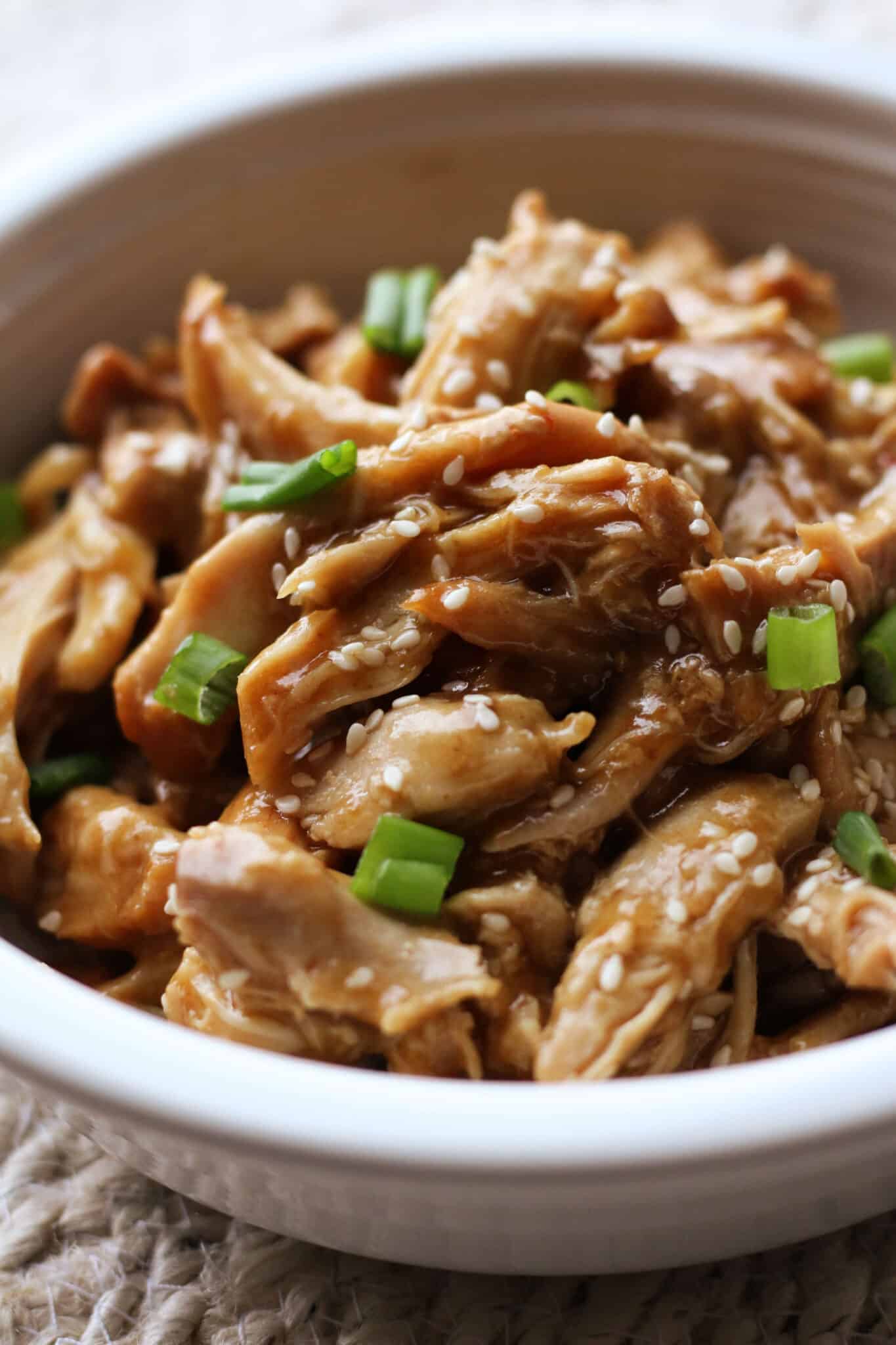
The preparation of Ponzu Chicken in a slow cooker, or "crockpot," further highlights the technical evolution of the home kitchen. Invented in the mid-20th century, the slow cooker was originally marketed as a bean cooker. It has since evolved into a indispensable tool for the working class, allowing for the slow breakdown of connective tissues in tougher, more affordable cuts of meat, such as chicken thighs. In the context of Ponzu Chicken, the low-temperature environment facilitates a gentle infusion of the citrus and soy proteins into the poultry, resulting in a tender texture that is difficult to achieve through high-heat methods.
Culinary Profile and Ingredient Analysis
The flavor architecture of Ponzu Chicken is built upon the foundational principles of Japanese ponzu sauce, which traditionally consists of citrus juice (typically sudachi, yuzu, or kabosu), rice vinegar, mirin, bonito flakes, and kombu. In this modernized domestic version, the recipe is adapted for the Western palate and pantry availability.

- The Citrus Component: Orange juice serves as the primary acidic and sweetening agent. While traditional ponzu utilizes more tart Japanese citruses, orange juice provides a familiar sweetness that balances the saltiness of the fermented soy. From a nutritional standpoint, the use of orange juice introduces Vitamin C and potassium into the dish, though some of the heat-sensitive vitamins may degrade during the 2-to-4-hour cooking cycle.
- The Umami Base: Soy sauce provides the essential amino acids and sodium required to deepen the flavor profile. In journalistic reviews of home-cooking trends, the "umami" factor is frequently cited as the primary reason consumers choose Asian-inspired dishes over traditional Western stews.
- Viscosity and Texture: The inclusion of cornstarch is a critical technical step. In the slow cooker environment, liquids do not evaporate as they do on a stovetop. Therefore, a thickening agent is required to transform the thin poaching liquid into a glaze that can coat the shredded chicken and rice.
- The Protein Choice: The recipe specifically calls for chicken thighs, which have a higher fat content than chicken breasts. This choice is supported by culinary science; the intramuscular fat in thighs prevents the meat from becoming stringy or dry during the prolonged heat exposure of the slow cooker.
Economic Implications and Consumer Data
The shift toward recipes like Ponzu Chicken is backed by significant economic data. According to market research, the global slow cooker market was valued at approximately $1.5 billion in 2022 and is projected to grow at a compound annual growth rate (CAGR) of nearly 7% through 2030. This growth is directly correlated with the rising cost of living. A standard serving of Ponzu Chicken made at home is estimated to cost between $1.50 and $2.50 per portion, whereas a comparable restaurant meal typically ranges from $12.00 to $18.00 before tax and gratuity.
Furthermore, the "dump and go" nature of the recipe—where all ingredients are added simultaneously without prior browning—appeals to the "time-poor" demographic. Data from the Bureau of Labor Statistics indicates that the average American spends less than 30 minutes on meal preparation per day. By offloading the active cooking time to a machine, home cooks are able to achieve high-quality results that fit within the constraints of a modern professional schedule.

Comparative Analysis of Asian-Inspired Slow Cooker Recipes
Ponzu Chicken does not exist in a vacuum; it is part of a broader category of Asian-inspired domestic dishes that have been optimized for pressure cookers and slow cookers. To understand its impact, it must be compared to other staples in the genre:
- Chicken Lo Mein: While Ponzu Chicken focuses on the protein-rice dynamic, Lo Mein variations often utilize the "one-pot" method where noodles are cooked directly in the sauce. This increases the glycemic index of the meal but offers a different textural experience.
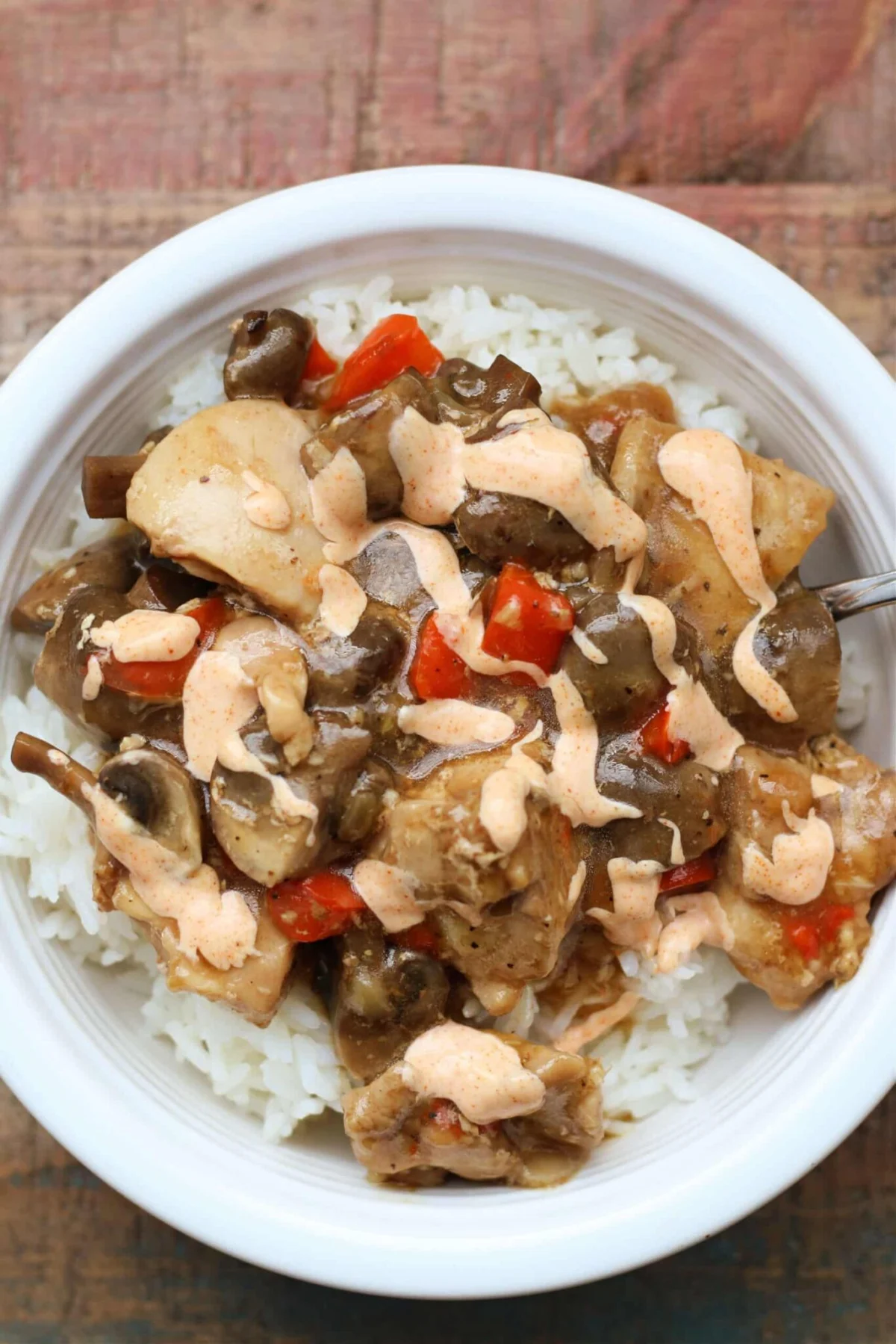
- Hibachi Chicken: Unlike the shredded texture of Ponzu Chicken, Hibachi-style recipes aim for distinct chunks of meat accompanied by mushrooms and zucchini, often served with a "Yum Yum" sauce (a mayo-based condiment).
- Asian Garlic Noodles: These focus more heavily on aromatics and fats (butter or oil) rather than the citrus-heavy profile of Ponzu Chicken.
The versatility of the Ponzu Chicken base allows it to serve as a "master recipe." Culinary instructors often suggest doubling or tripling the sauce to facilitate meal prepping, a practice that has become a cornerstone of the modern wellness industry. The ability to freeze and reheat the dish without significant loss of quality makes it a strategic asset for household management.

Technical Execution and Safety Protocols
From a food safety perspective, the preparation of Ponzu Chicken involves specific protocols, especially when using frozen poultry. While the USDA generally recommends thawing meat before slow cooking to ensure it reaches the 140°F (60°C) "danger zone" threshold quickly, many modern slow cookers operate at higher wattages that can safely handle frozen thighs if cooked on the "low" setting for an extended period.
The shredding process, which occurs after the chicken has reached an internal temperature of at least 165°F, is essential for surface area maximization. By shredding the meat, the cook ensures that every fiber is saturated with the reduced orange-soy glaze. The final addition of sesame seeds and green onions is not merely aesthetic; it provides a necessary textural contrast—crunch and freshness—to the soft, slow-cooked protein.

Broader Impact on Domestic Cooking Trends
The popularity of Ponzu Chicken reflects a democratization of global flavors. In decades past, access to ponzu-style flavors required a trip to a specialty grocer or a high-end Japanese restaurant. Today, through the creative substitution of orange juice and vinegar, these flavors are accessible to anyone with a standard supermarket nearby.
This trend also signals a shift in the role of the "influencer" and the "recipe developer" in the digital age. Platforms like Pinterest and specialized cooking blogs have replaced traditional cookbooks as the primary source of culinary inspiration. The success of a recipe is now measured by its "pinnability" and its ability to be filtered by dietary needs—such as gluten-free (using tamari instead of soy sauce) or low-carb (serving over cauliflower rice instead of white rice).

Conclusion and Future Outlook
Ponzu Chicken represents more than just a convenient dinner; it is a symptom of a changing gastronomic landscape where efficiency, economy, and global flavor profiles converge. As food technology continues to advance, and as the economic pressure on households remains a significant factor in daily life, the reliance on slow-cooked, "fakeaway" meals is expected to increase.
The dish stands as a testament to the adaptability of traditional flavors. By stripping away the complexity of traditional Japanese preparation and focusing on the core elements of sweet, sour, and savory, Ponzu Chicken has secured its place in the repertoire of the modern home cook. As we look toward the future of domestic dining, the success of such recipes suggests that the next generation of "comfort food" will be defined by its ability to provide restaurant-level satisfaction within the logistical and financial realities of the home environment. The continued evolution of these recipes will likely involve even more integration of global ingredients, further blurring the lines between traditional regional cuisines and the universal demand for a quick, delicious, and nutritious meal.
