
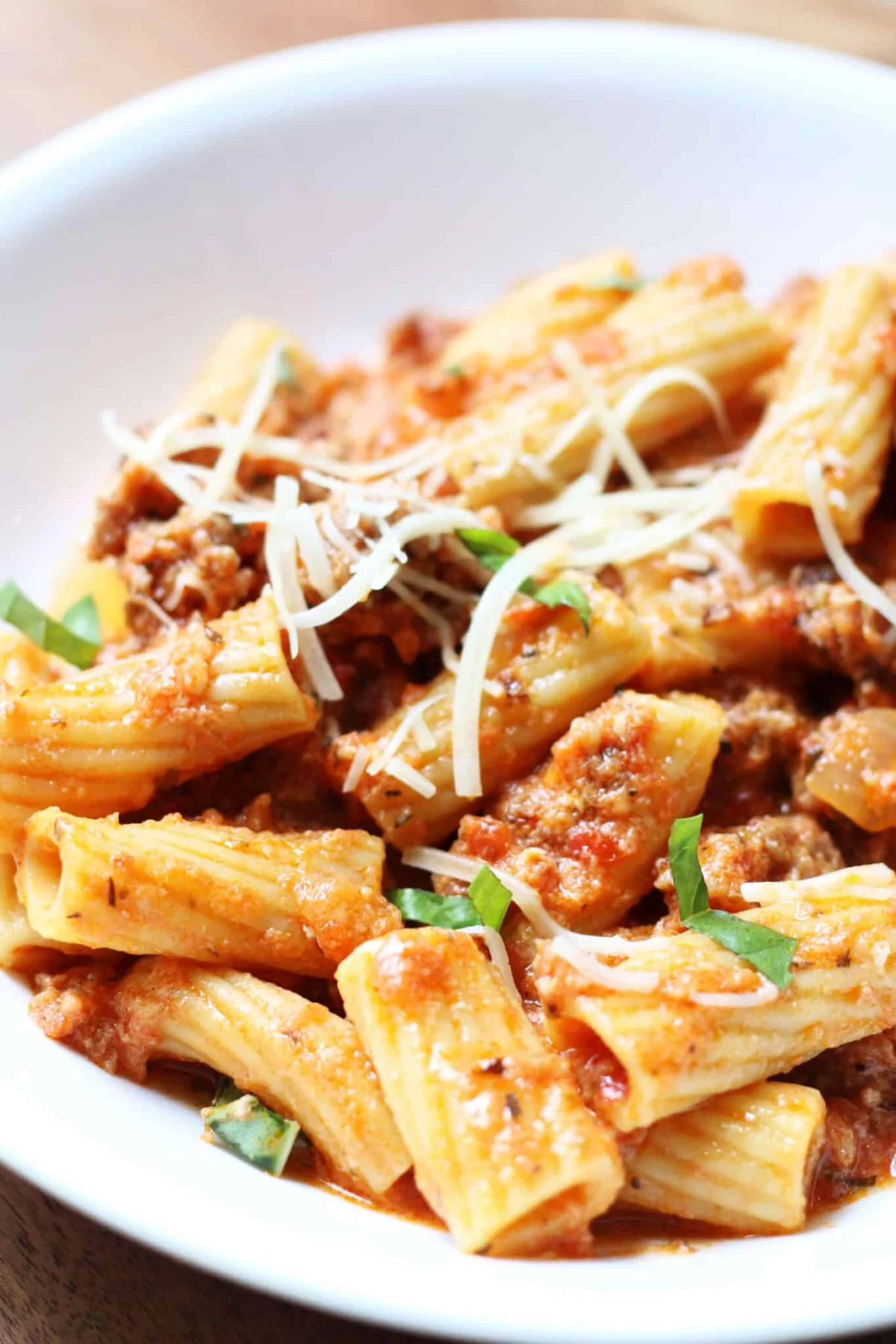
Pasta Alla Zozzona represents a sophisticated culinary intersection where traditional Roman flavors meet the efficiency of modern kitchen technology. Often described by culinary historians and home chefs alike as the "ultimate" Roman pasta, this dish functions as a masterful hybrid of two iconic Italian staples: Pasta alla Carbonara and Pasta all’Amatriciana. By incorporating the rich, egg-based creaminess of the former and the robust, tomato-driven foundation of the latter, Pasta Alla Zozzona offers a complex profile that balances fat, acidity, and salt. In the contemporary era of rapid meal preparation, the adaptation of this classic recipe for the Instant Pot—a multi-functional pressure cooker—marks a significant shift in how traditional European comfort foods are consumed and prepared in high-paced domestic environments.
The Historical and Etymological Origins of "Zozzona"
To understand the significance of Pasta Alla Zozzona, one must first examine the linguistic roots of its name. In the Roman dialect, the word zozzo translates literally to "dirty" or "filthy." However, in a culinary context, the term is used endearingly to describe something that is "messy," "over-the-top," or "indulgently rich." It is a dish that refuses to adhere to the minimalist constraints of many Italian classics, opting instead for a "more is more" philosophy.
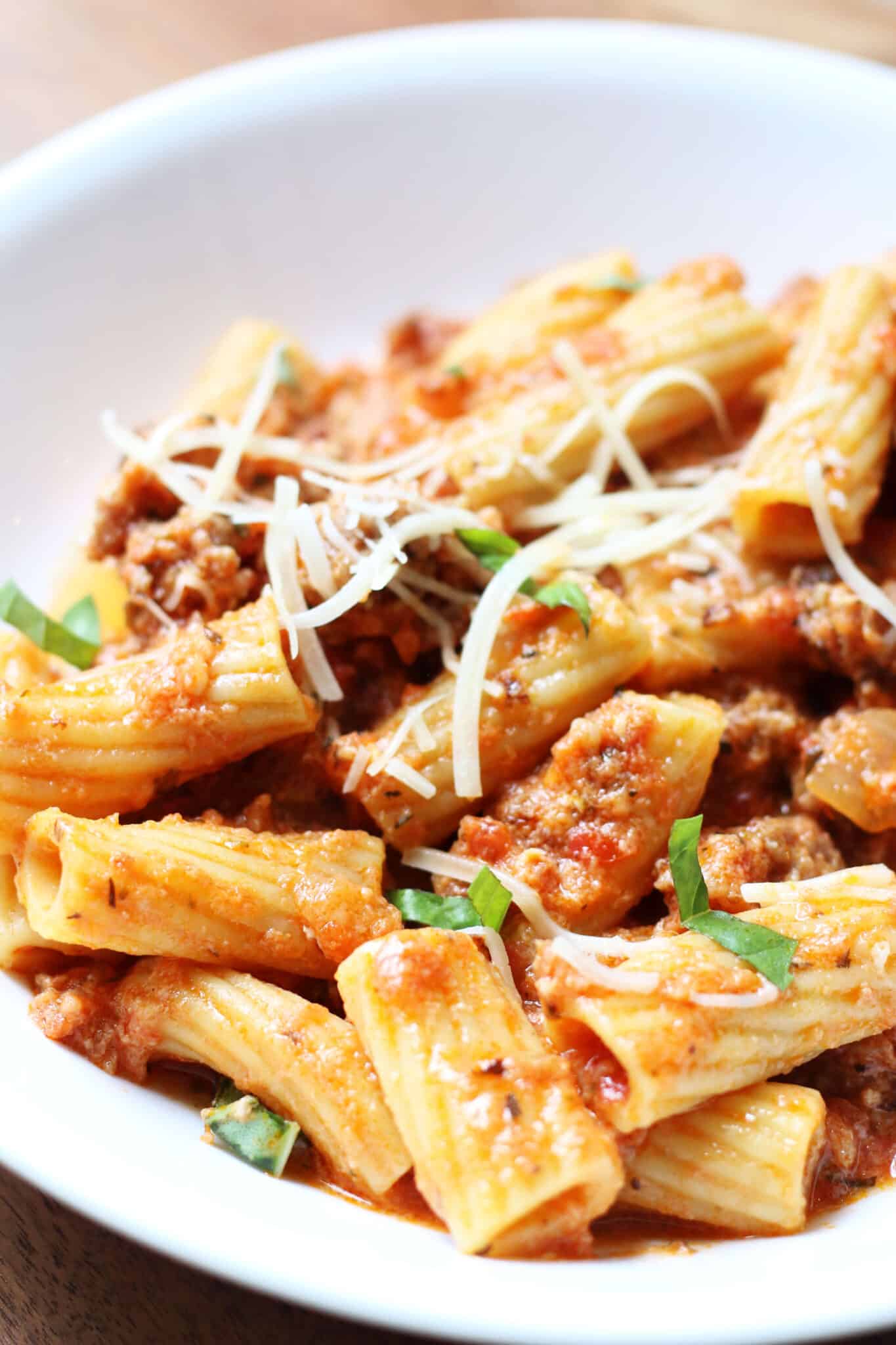
Historically, Roman pasta is defined by four "pillars": Cacio e Pepe (cheese and pepper), Pasta alla Gricia (guanciale and pecorino), Pasta alla Carbonara (gricia plus egg), and Pasta all’Amatriciana (gricia plus tomato). Pasta Alla Zozzona is frequently referred to as the "hidden fifth" Roman pasta. It effectively breaks the unspoken rules of Italian regional cooking by combining ingredients that are usually kept separate, specifically the egg yolks of the Carbonara and the tomato sauce of the Amatriciana, then further enriching the mixture with Italian sausage.
The Evolution of the One-Pot Pressure Cooking Method
The transition of Pasta Alla Zozzona from a multi-pan stovetop process to a one-pot Instant Pot application is a reflection of broader trends in the global food industry. According to market research data, the "one-pot meal" category has seen a 25% increase in consumer interest over the last decade, driven by a desire for reduced cleanup and consolidated cooking times.
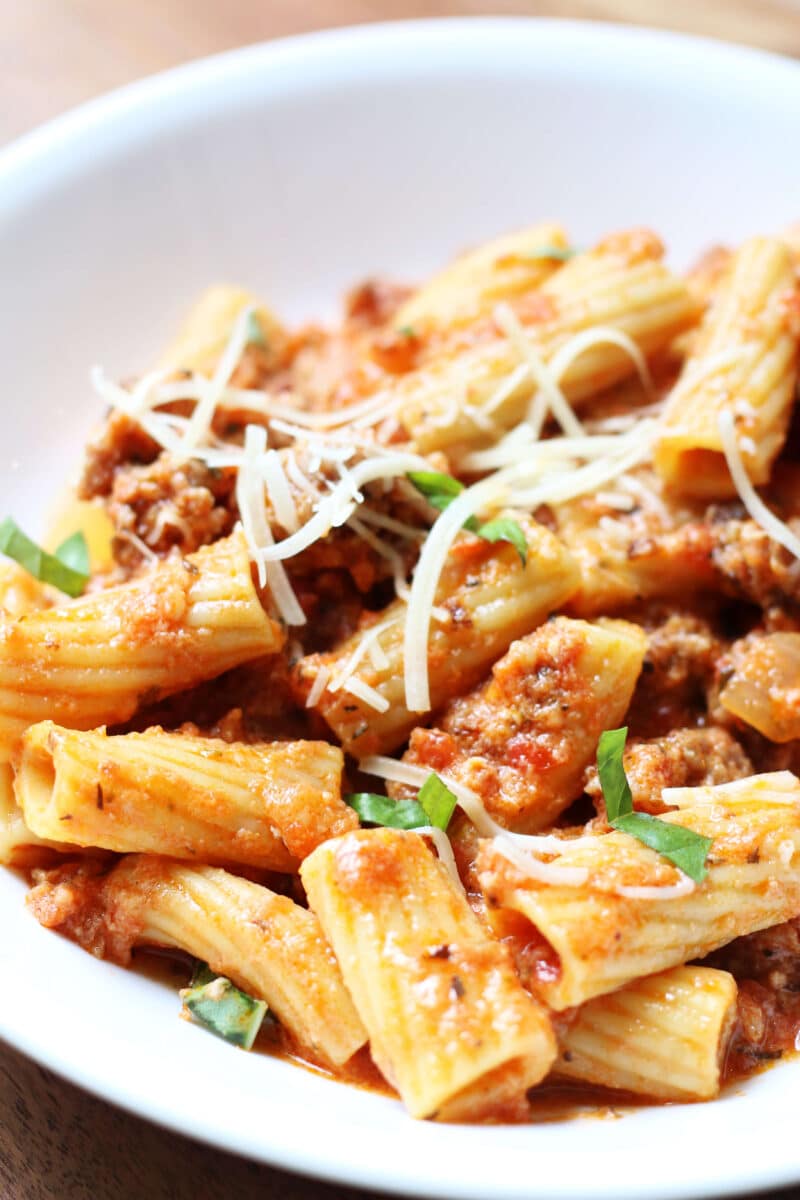
In a traditional setting, preparing this dish requires boiling a large vat of salted water for the rigatoni, rendering fat from pork in a separate skillet, simmering a tomato base, and carefully tempering eggs in a mixing bowl. The pressure cooker bypasses these fragmented steps. By utilizing the "Sauté" function followed by high-pressure steam, the Instant Pot allows the pasta to cook directly within the sauce and broth. This method is not merely a convenience; it is a chemical advantage. When pasta is cooked in a limited amount of liquid within a sealed environment, the starches released from the wheat are concentrated rather than drained away. This results in a naturally emulsified, velvety sauce that adheres to the ridges of the rigatoni with greater efficacy than stovetop methods.
Technical Analysis of Ingredients and Substitutions
The integrity of Pasta Alla Zozzona relies on a specific hierarchy of ingredients, each serving a functional purpose in the flavor matrix.
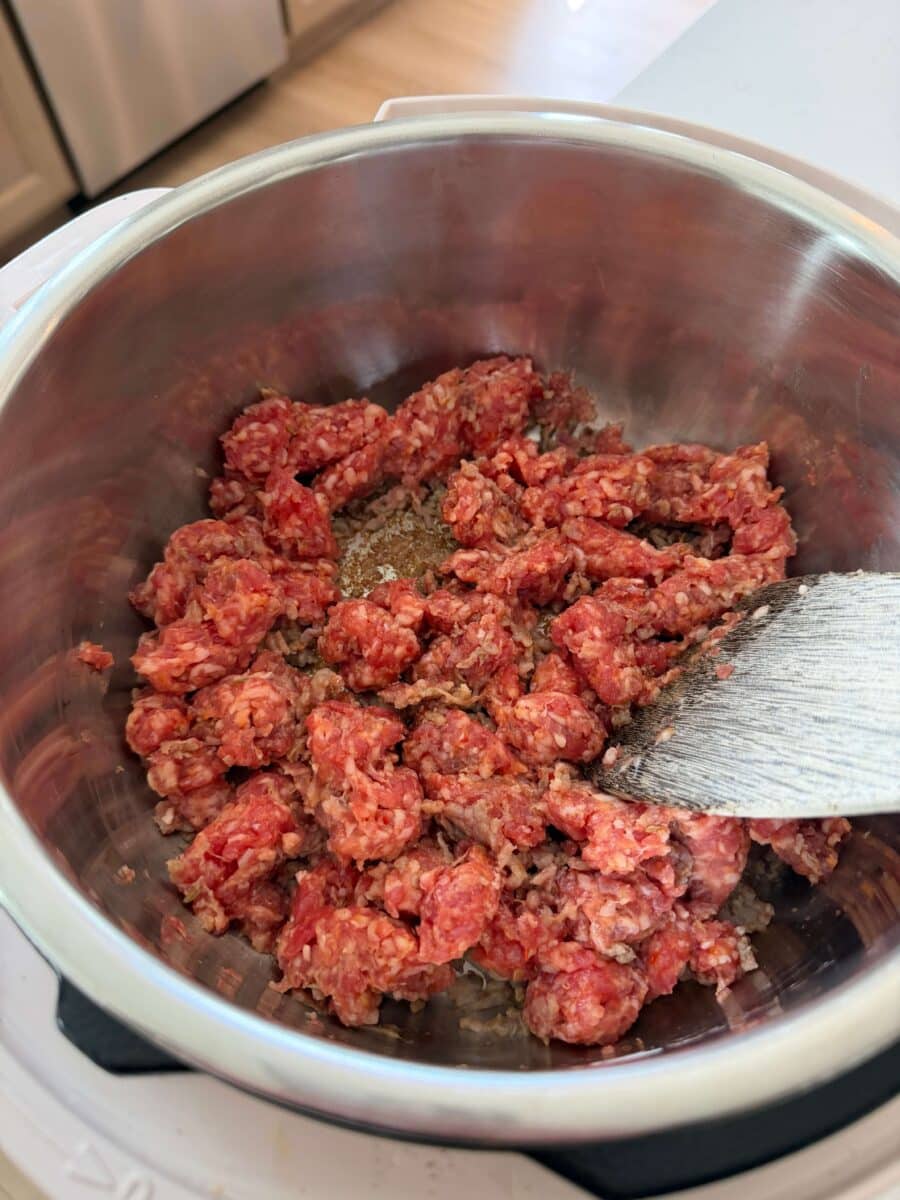
- The Protein Base: Traditional Roman recipes call for guanciale (cured pork jowl). However, in the modern international kitchen, high-quality thick-cut bacon is a frequent and acceptable substitute, providing the necessary smoke and fat. The addition of Italian sausage provides a secondary layer of texture and a complex spice profile, often featuring fennel seeds and garlic, which eliminates the need for an extensive dry spice rack.
- The Aromatics: Onions and garlic serve as the foundational aromatics. In the Instant Pot environment, these are softened during the sauté phase, releasing sugars that caramelize slightly and provide a sweet counterpoint to the salty pork.
- The Liquid Gold (Egg Yolks and Cheese): The "Carbonara element" of the dish is provided by a mixture of egg yolks and Pecorino Romano or Parmesan cheese. This mixture is added after the pressure cooking cycle is complete. The residual heat of the pasta—typically around 160°F to 170°F—is sufficient to cook the egg yolks into a thick, safe-to-consume sauce without scrambling them, provided the cook employs a gentle stirring technique.
- The Structural Component: Rigatoni is the preferred pasta shape. Its tubular structure and exterior ridges (rigate) are designed to "trap" the heavy meat sauce and the creamy egg emulsion, ensuring that every bite contains a balanced ratio of all ingredients.
Chronology of the Preparation Process
The execution of Pasta Alla Zozzona in a pressure cooker follows a precise chronological sequence designed to maximize flavor extraction while preventing the "burn" notice common in high-starch recipes.
Phase I: The Sear and Render
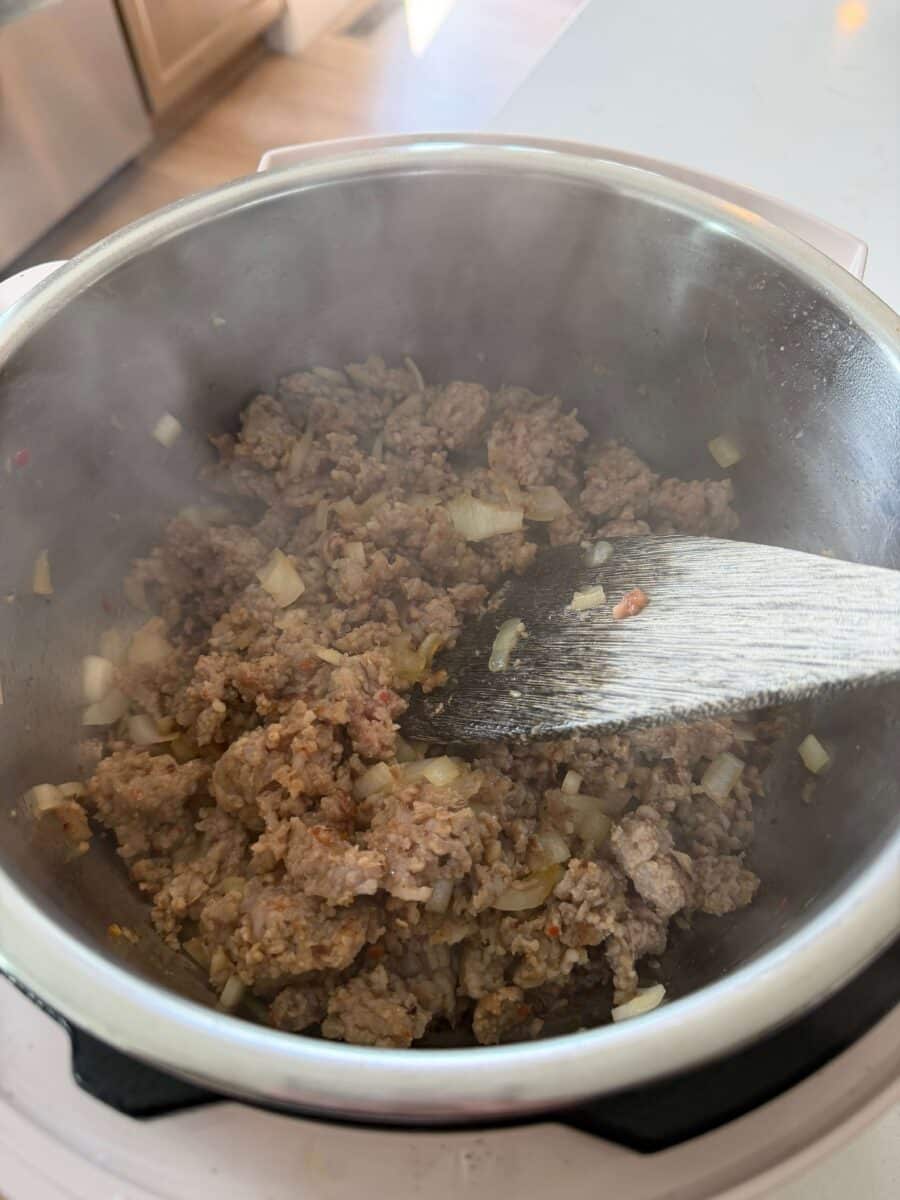
The process begins with the Instant Pot’s sauté function. The Italian sausage is introduced first, broken into small morsels to increase the surface area for browning. As the sausage fats render, onions are added. This five-minute window is critical for the Maillard reaction—the chemical reaction between amino acids and reducing sugars that gives browned food its distinctive flavor. Once the grease is drained, garlic is stirred in briefly to avoid bitterness.
Phase II: Deglazing and Layering
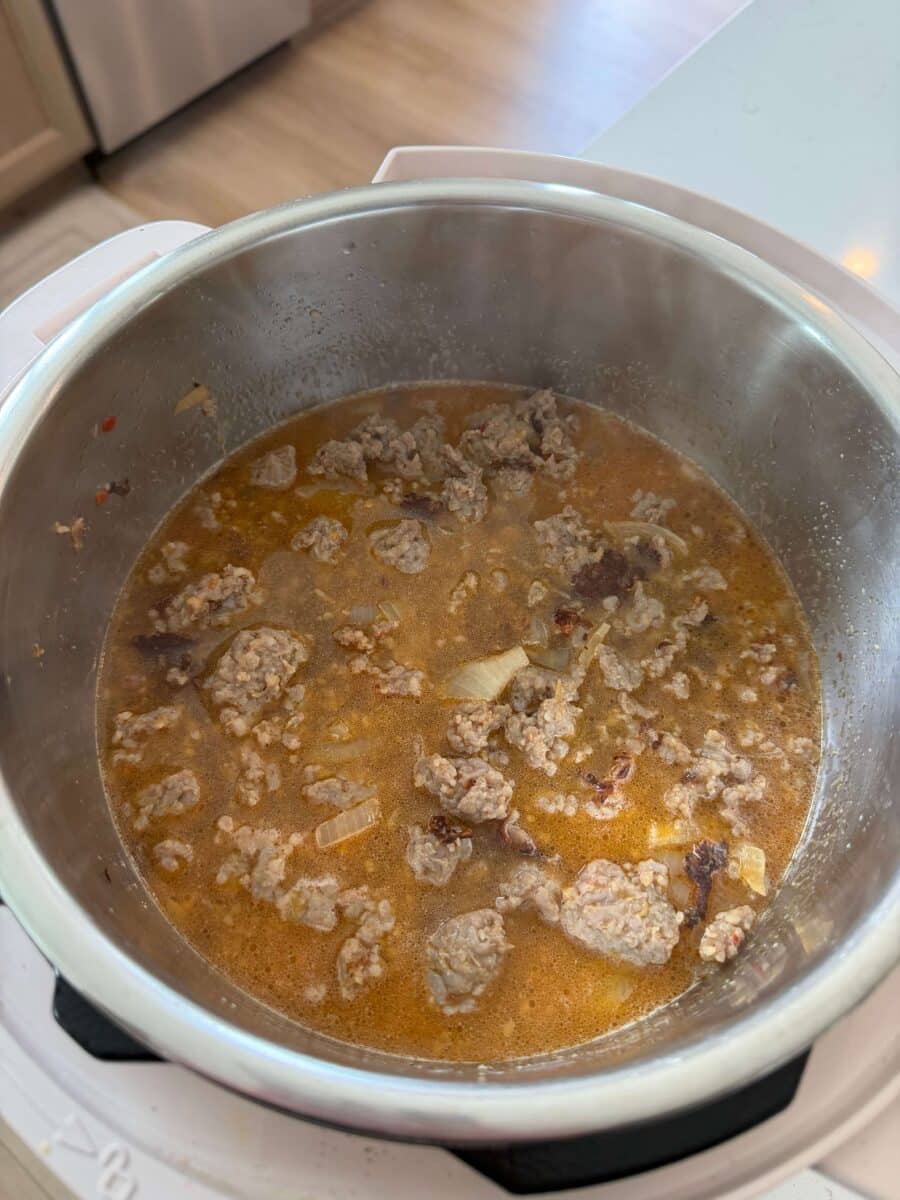
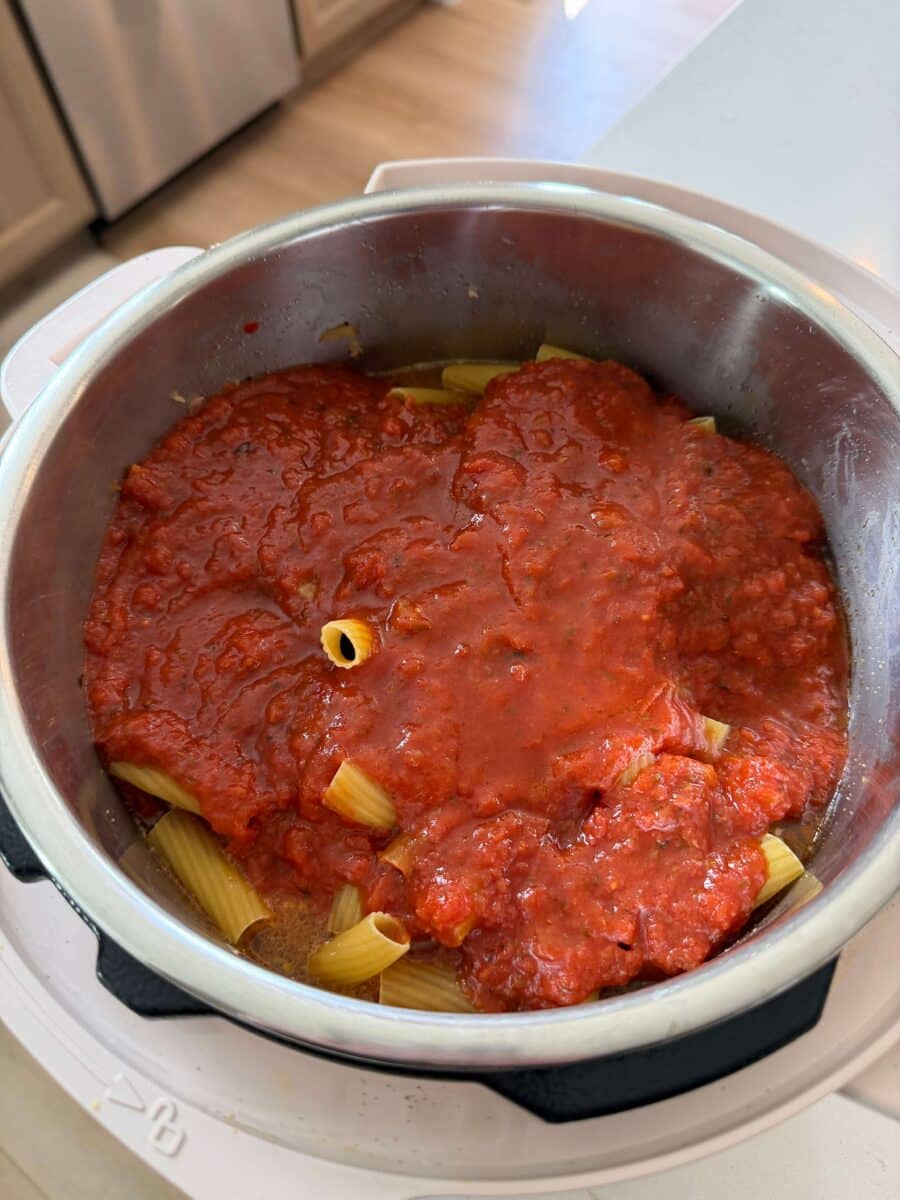
Deglazing is the most vital step for pressure cooker safety. A measured amount of chicken or vegetable broth is poured into the pot, and a wooden spoon is used to scrape the "fond" (the browned bits) off the bottom. Failure to do this can interfere with the pot’s heat sensors. The rigatoni is then layered on top, followed by a thick coating of marinara sauce. Crucially, the ingredients are not stirred at this stage; keeping the tomato sauce on top prevents it from scorching against the bottom heating element.
Phase III: The Pressure Cycle
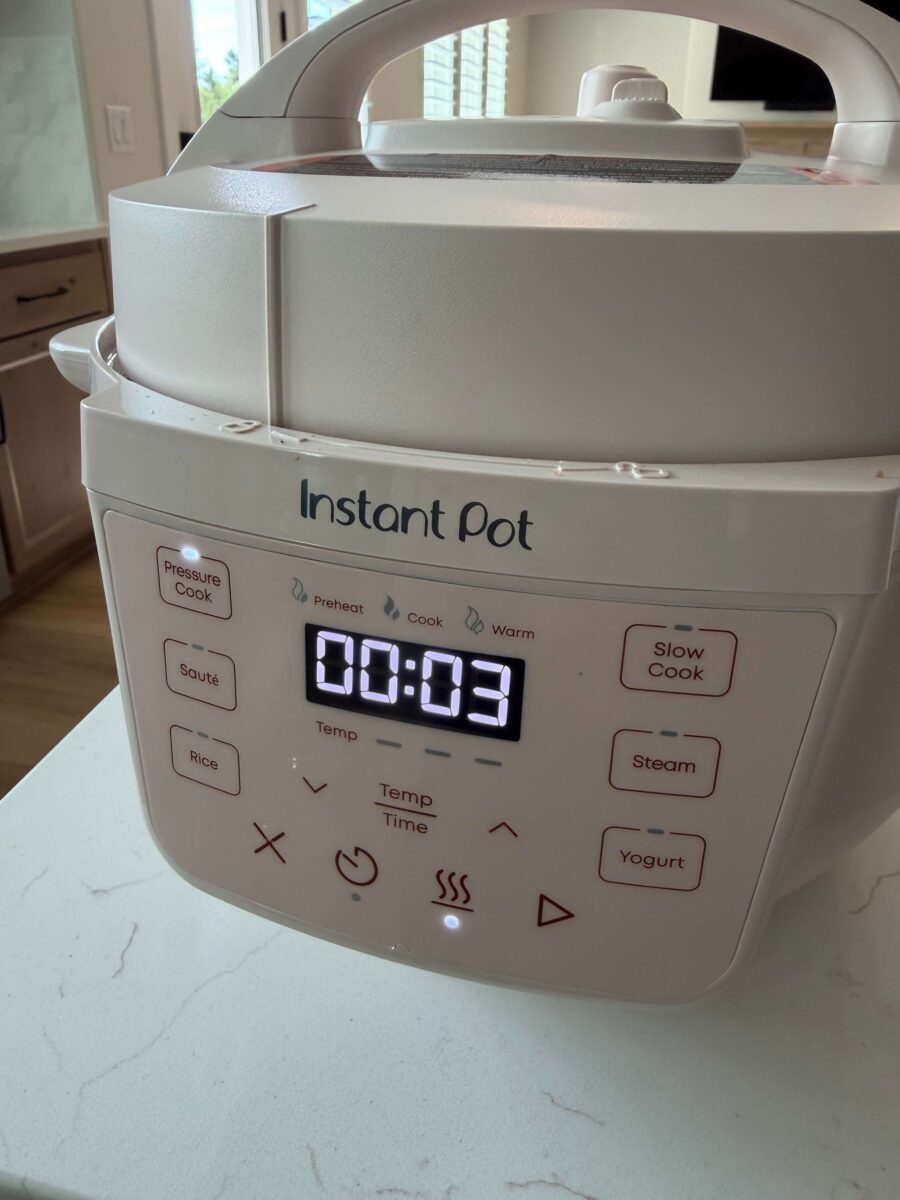
The device is sealed and set to manual high pressure for a duration of three minutes. While three minutes may seem insufficient for pasta, the "total cook time" includes the period the pot takes to reach pressure and a subsequent five-minute "natural release" period. This controlled environment ensures the rigatoni reaches a perfect al dente state—firm to the bite but fully cooked.
Phase IV: The Emulsion
Upon opening the lid, the dish is still in a liquid state. The final transformation occurs as the whisked egg yolks, cheese, and black pepper are slowly integrated. This creates a glossy, custard-like coating that binds the sausage, bacon, and pasta into a cohesive unit.
Nutritional Data and Dietary Implications
From a nutritional standpoint, Pasta Alla Zozzona is a high-caloric, protein-dense meal. A standard serving provides a significant portion of the Recommended Dietary Allowance (RDA) for protein, largely due to the combination of pork, sausage, cheese, and eggs.
| Nutrient | Approximate Value (Per Serving) |
|---|---|
| Calories | 650–800 kcal |
| Protein | 35g–45g |
| Total Fat | 30g–40g |
| Carbohydrates | 60g–75g |
While the dish is indulgent, it can be modified for various dietary needs. Culinary testers have noted that the addition of chopped mushrooms or fresh spinach during the final stirring phase can increase the micronutrient profile and fiber content without compromising the dish’s structural integrity. Furthermore, the use of gluten-free rigatoni has become a viable alternative, though cooking times may need to be adjusted by one to two minutes to account for different flour compositions.
Sociological Impact and Consumer Reception
The rise of recipes like Pasta Alla Zozzona in digital spaces—such as Pinterest and specialized culinary blogs—highlights a shift in consumer behavior. Modern home cooks, exemplified by early adopters like the "Greg and Skyler" mentioned in initial test groups, are increasingly seeking "keeper" meals: recipes that provide restaurant-quality complexity with minimal active labor.
The popularity of this dish also speaks to a broader "Italian-American" culinary evolution. While the dish remains rooted in Roman tradition, its adoption in the United States often involves slight deviations, such as the use of pre-made marinara sauce. This "semi-homemade" approach allows for a democratization of gourmet flavors, making sophisticated international cuisine accessible to families who may not have the time for traditional four-hour ragùs.
Broader Implications for the Culinary Industry
The success of one-pot Italian recipes suggests a permanent change in the appliance industry. Manufacturers like Instant Brand and Ninja have capitalized on the "Zozzona trend" by developing inner pots with superior non-stick properties and more sensitive pressure sensors specifically calibrated for starch-heavy foods.
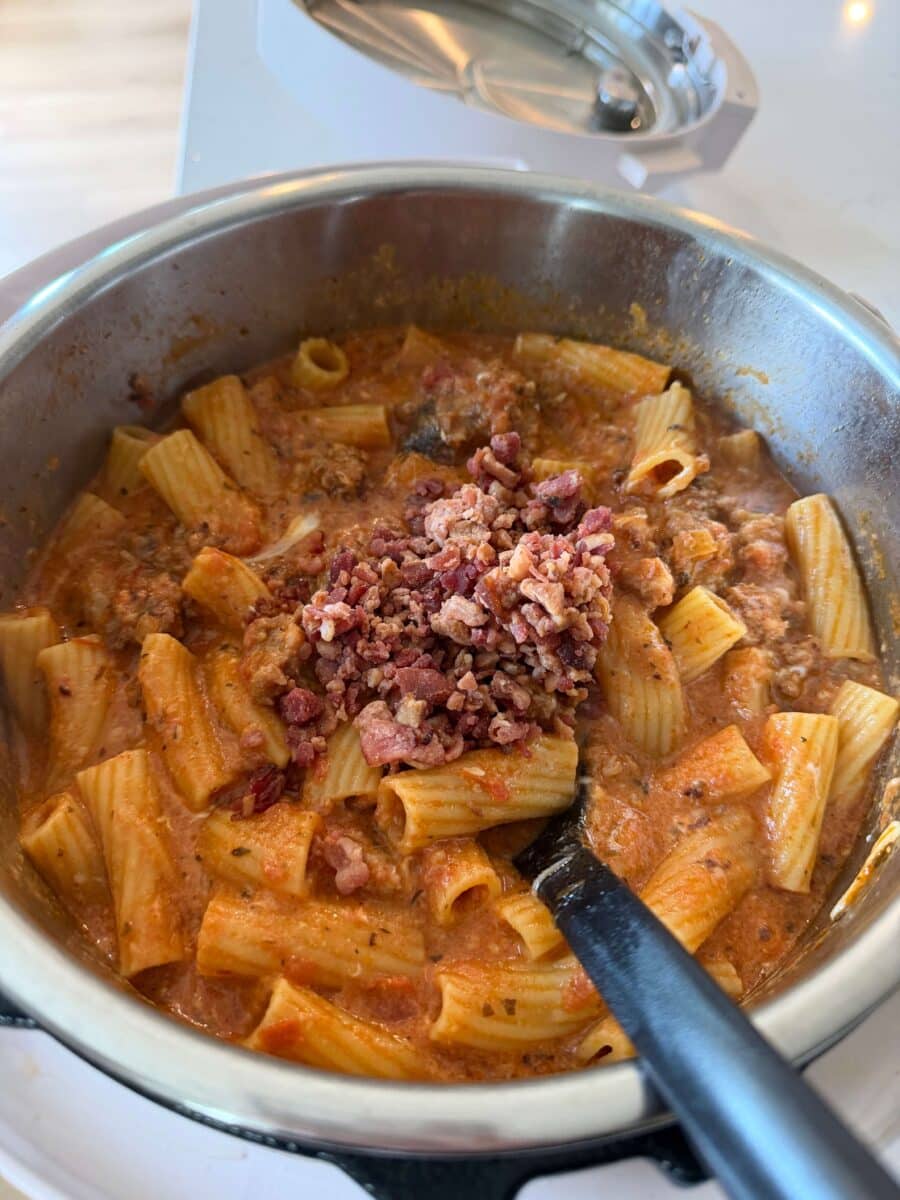
Furthermore, the "Zozzona" phenomenon reflects a growing comfort with "maximalist" eating. After years of minimalist food trends, there is a documented return to "comfort-centric" dining. Pasta Alla Zozzona, with its unapologetic use of fats and bold flavors, stands as a flagship for this movement. It represents a rejection of austerity in favor of a rich, sensory experience that pays homage to the "dirty," delicious history of the Eternal City.
As we look toward the future of home cooking, the integration of traditional recipes into automated platforms will likely continue. Pasta Alla Zozzona serves as a case study in this transition: a centuries-old Roman secret that found a new life inside a stainless-steel pressure chamber, proving that even the most "messy" traditions can be refined for the modern age.
