
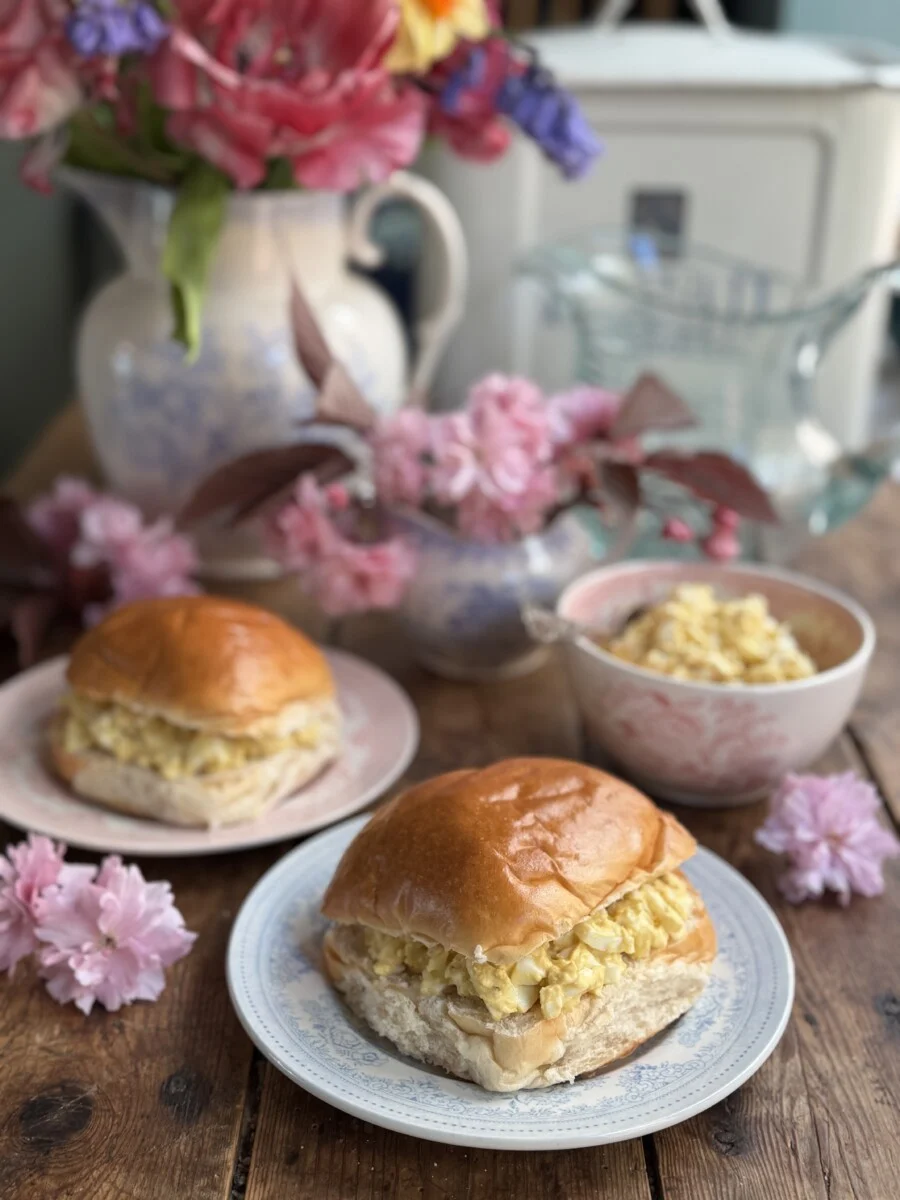
On May 10, 2026, culinary enthusiast Karen Burns-Booth, through her widely followed blog Lavender & Lovage, unveiled a meticulously crafted recipe for the beloved Japanese Egg Salad Sandwich, known as Tamago Sando. This culinary exploration, shared in celebration of Japan’s Golden Week, offers a detailed guide to creating the iconic sandwich, emphasizing authenticity through traditional ingredients like Japanese Milk Bread (Shokupan) and Kewpie mayonnaise. Burns-Booth’s rendition serves as a testament to the enduring appeal of this seemingly simple yet deeply satisfying dish, positioning it as a versatile option perfect for high tea, picnics, or everyday lunchtime snacks.

The Enduring Allure of Tamago Sando: A Japanese Comfort Food Staple

The Tamago Sando holds a revered place in Japanese culinary culture, transcending its humble origins as a convenience store staple to become a symbol of refined simplicity. Unlike its Western counterparts, the Japanese egg salad sandwich distinguishes itself through a unique combination of texture and flavor. The egg salad itself is typically richer and creamier, often with a subtle sweetness, while the bread—Shokupan—provides an unparalleled softness. This contrast creates a harmonious eating experience that has captivated palates both domestically and internationally. Its consistent presence in konbini (Japanese convenience stores) attests to its status as an accessible comfort food, yet its meticulous preparation and presentation in high-end cafes elevate it to an art form. The dish’s popularity has surged globally in recent years, fueled by social media trends and an increasing appreciation for authentic Japanese cuisine beyond sushi and ramen. Culinary experts frequently highlight Tamago Sando as a prime example of Japan’s ability to transform everyday ingredients into extraordinary culinary delights through careful technique and ingredient selection.

Golden Week: A Culinary Celebration in Japan

Karen Burns-Booth’s timing for sharing the Tamago Sando recipe was strategically aligned with Japan’s Golden Week, a significant national holiday period that typically spans from late April to May 6th. Golden Week is an aggregation of four national holidays within a seven-day period: Shōwa Day (April 29th), Constitution Memorial Day (May 3rd), Greenery Day (May 4th), and Children’s Day (May 5th). This extended holiday provides a rare opportunity for many Japanese citizens to travel, engage in leisure activities, and spend quality time with family.

The period sees a substantial increase in domestic tourism, with many families opting for day trips, picnics, and home gatherings. Consequently, there is a heightened demand for portable, delicious, and easy-to-prepare foods. The Tamago Sando, with its compact form, satisfying flavor profile, and suitability for various settings, perfectly fits this cultural context. Food industry analysts often observe a spike in sales of bento boxes, pre-made sandwiches, and snack items during Golden Week, underscoring the practical and celebratory role food plays during these national festivities. Burns-Booth’s decision to feature Tamago Sando during this time not only pays homage to Japanese traditions but also offers her international audience a taste of authentic Japanese holiday culinary practices. The recipe provides a pathway for home cooks to participate in the spirit of Golden Week, regardless of their geographical location, by recreating a quintessential Japanese comfort food.

The Art of Japanese Milk Bread: Shokupan’s Global Rise

Central to the Tamago Sando’s distinctive character is the use of Japanese Milk Bread, or Shokupan. This bread is renowned for its extraordinarily soft, fluffy, and slightly elastic texture, which stands in stark contrast to the denser, chewier breads often found in Western baking. The secret to Shokupan’s unique qualities lies in specific traditional Japanese baking techniques, primarily the tangzhong (also known as a water roux) or yudane method.

The tangzhong method involves cooking a small portion of flour and water (or milk) to create a thick, pudding-like paste before incorporating it into the main dough. This pre-gelatinizes the starches in the flour, allowing them to absorb and retain significantly more moisture than they would otherwise. The result is a dough that produces an incredibly tender crumb and extends the bread’s shelf life, keeping it fresh and soft for days. Historically, Shokupan gained prominence in Japan post-World War II, becoming a staple in many households due to its versatility and appeal. In recent years, its popularity has surged internationally, driven by food bloggers, online baking communities, and professional chefs who have embraced its superior texture. Bakery trends indicate a growing demand for specialty breads, with Shokupan leading the charge in many urban centers worldwide. Market research suggests that global sales of premium and artisanal bread products, including Japanese milk bread, have seen an average annual growth of 5-7% over the last decade, reflecting a broader consumer shift towards quality and unique culinary experiences. Burns-Booth rightly highlights Shokupan as an indispensable component, noting that readily available milk buns from retailers like M&S and Waitrose in the UK can serve as convenient alternatives for those not inclined to bake their own.

Kewpie Mayonnaise: The Umami Secret to Authenticity

Another critical element defining the authentic Tamago Sando experience is Kewpie mayonnaise. This Japanese condiment is not merely a substitute for conventional mayonnaise; it is a distinct ingredient that imparts a unique flavor profile. Unlike many Western mayonnaises, which often use whole eggs, Kewpie is made exclusively with egg yolks, contributing to its richer, deeper yellow hue and an intensely savory flavor. The use of a blend of vinegars, including rice vinegar, also lends it a subtle tang and sweetness.

Perhaps the most significant differentiator, and a point of frequent discussion, is the inclusion of monosodium glutamate (MSG). MSG is a flavor enhancer that provides a potent umami taste, the fifth basic taste characterized by its savory, meaty quality. While MSG has historically been subject to misconceptions, scientific consensus, including statements from the U.S. Food and Drug Administration (FDA) and the World Health Organization (WHO), confirms its safety as a food additive. In Kewpie mayonnaise, MSG amplifies the inherent umami of the egg yolks and other ingredients, creating a more complex and addictive flavor that is crucial for dishes like Tamago Sando. Food critics and culinary scientists often cite Kewpie as a prime example of how specific ingredients can profoundly alter a dish’s character, elevating it beyond the sum of its parts. Its rich, creamy texture and powerful umami punch make it indispensable for achieving the authentic taste of Japanese egg salad. Burns-Booth acknowledges this distinction, offering a practical tip for those unable to source Kewpie: substituting regular mayonnaise with a splash of rice wine vinegar and an extra teaspoon of sugar to approximate its unique sweet-tangy balance.

Karen Burns-Booth’s Culinary Contribution and Accessible Authenticity

Karen Burns-Booth, through her Lavender & Lovage platform, has established herself as a respected voice in the culinary world, particularly known for her ability to fuse traditional recipes with accessible approaches for home cooks. Her presentation of the Tamago Sando recipe exemplifies this ethos. By breaking down the preparation into clear, actionable steps—separating egg yolks and whites, mixing yolks with seasoning and Kewpie, then gently folding in chopped whites—she demystifies a dish that might otherwise seem daunting to those unfamiliar with Japanese cuisine.

Burns-Booth’s emphasis on both the ingredients and the serving aesthetic further underscores her commitment to a holistic culinary experience. Her choice to serve the Tamago Sandos on "Burleigh Pink and Blue Asiatic Pheasants" pottery, adorned with "flowers and blossom from our cottage garden," speaks to a broader trend of elevating everyday meals through thoughtful presentation. This blending of Japanese culinary tradition with a quintessentially English cottage aesthetic showcases a cross-cultural appreciation that resonates with a diverse audience. This approach not only makes the dish visually appealing but also encourages readers to consider the entire dining experience. Her ongoing collaboration with Burleigh, highlighted by her collection of recipes on the Burleigh Blog, positions her as an expert in creating beautiful, culturally inspired culinary narratives. Her work democratizes access to authentic global flavors, empowering home cooks to explore new cuisines with confidence.

The Versatility of Tamago Sando: Beyond a Simple Snack

The Japanese Egg Salad Sandwich, as championed by Burns-Booth, transcends its classification as a mere snack. Its inherent qualities make it remarkably versatile, suitable for a myriad of occasions. Its elegant appearance, particularly when neatly cut and presented on fine china, positions it as an ideal candidate for high tea, offering a delicate yet satisfying counterpoint to sweet pastries and traditional savories. For outdoor gatherings, such as picnics, the Tamago Sando’s compact and non-messy nature makes it a practical and appealing choice, easy to transport and consume without elaborate cutlery.

Furthermore, as a lunchtime snack, it offers a refreshing alternative to heavier, more complex meals. Its balanced flavor and soft texture make it appealing to a wide demographic, from children to adults. The simplicity of its core ingredients—eggs, mayonnaise, and bread—belies a depth of flavor that makes it endlessly enjoyable. The careful separation of egg yolks and whites, as detailed in the recipe, is key to achieving the distinctive texture that prevents the sandwich from being overly dense or dry. The rich, creamy yolk mixture combined with the subtly textured whites provides a satisfying mouthfeel that is both luxurious and comforting. This adaptability underscores why Tamago Sando has become such a beloved staple in Japan and is rapidly gaining devotees worldwide. Its ability to effortlessly transition between formal and informal settings, while consistently delivering on taste and texture, highlights its enduring culinary appeal.

Culinary Implications and Future Trends

The rising global appreciation for dishes like Tamago Sando reflects several broader culinary trends. Firstly, there is a growing consumer interest in authentic, yet accessible, international comfort foods. As travel becomes more widespread and digital platforms expose individuals to diverse food cultures, the desire to recreate these experiences at home intensifies. Food blogs, much like Lavender & Lovage, play a pivotal role in this dissemination, offering detailed instructions and cultural context that make foreign cuisines approachable.

Secondly, the emphasis on specific, high-quality ingredients, such as Shokupan and Kewpie mayonnaise, points to a more discerning palate among consumers. This trend has significant implications for specialty food markets, driving demand for imported ingredients and encouraging local producers to create equivalent products. The increasing availability of Japanese milk bread in mainstream supermarkets, as noted by Burns-Booth, is a direct consequence of this shift. Thirdly, the focus on presentation, even for a simple sandwich, aligns with the visual culture of social media. A well-presented Tamago Sando is not just a meal; it is a shareable experience, further amplifying its popularity. This synergy between authentic taste, quality ingredients, and aesthetic appeal suggests a continued trajectory for Japanese comfort foods in the global culinary landscape. The success of dishes like Tamago Sando paves the way for other regional specialties to gain international recognition, fostering a richer, more diverse global food scene.

In conclusion, Karen Burns-Booth’s Japanese Egg Salad Sandwich (Tamago Sando) recipe is more than just a culinary guide; it is an invitation to explore a significant facet of Japanese food culture. Released during the vibrant Golden Week, it skillfully blends traditional ingredients and techniques with accessible preparation, making a beloved Japanese classic attainable for home cooks around the world. The dish’s appeal lies in its elegant simplicity, its distinctive ingredients like Shokupan and Kewpie mayonnaise, and its remarkable versatility for various dining occasions. As global palates continue to evolve, the Tamago Sando stands as a delicious emblem of culinary exchange, embodying comfort, quality, and cultural richness.
