
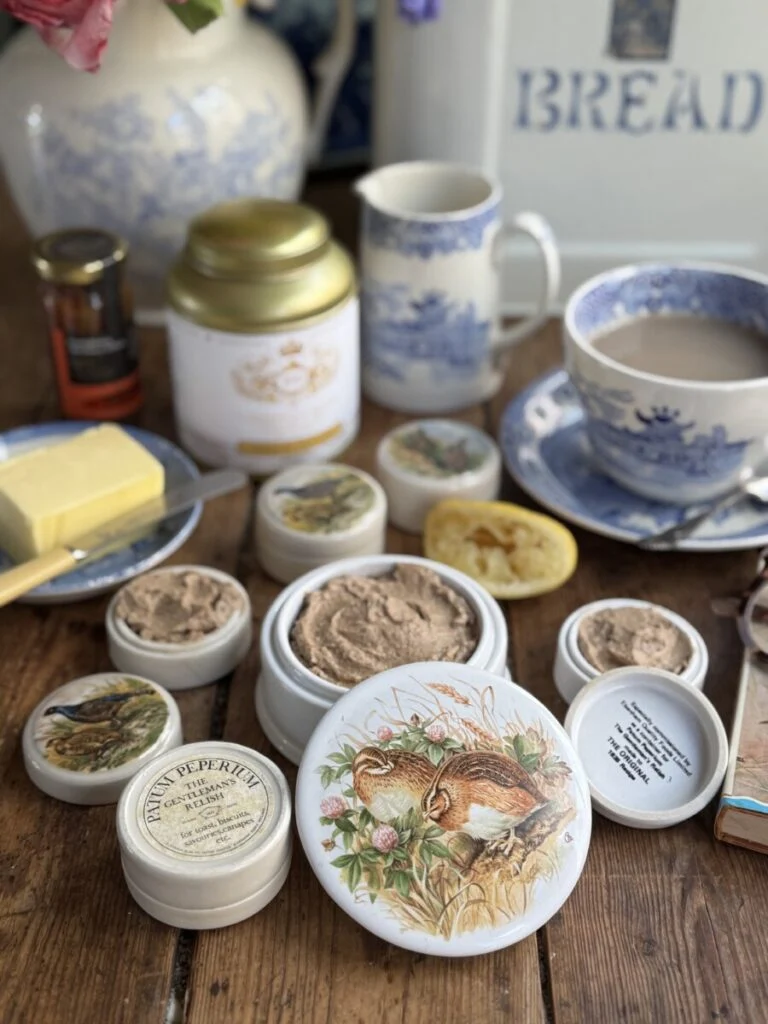
A recent announcement from AB World Foods has sent ripples through the culinary world, confirming the discontinuation of Patum Peperium, more famously known as Gentleman’s Relish. This potent, anchovy-based spread, a staple in British larders for nearly two centuries, ceased production earlier this year, citing a lack of wider commercial appeal and dwindling retailer distribution. However, an outpouring of consumer sentiment and a vigorous campaign by its loyal following appear to have prompted a re-evaluation, with the manufacturer now in "early discussions" to potentially reverse the decision. This development offers a glimmer of hope for a product deeply embedded in British gastronomic heritage.

A Taste of History: The Origins of Gentleman’s Relish
Patum Peperium, a name that playfully translates from mock-Latin as "pepper pâté," was first concocted in 1828 by the enterprising John Osborn. Launched to the public with fanfare at the Paris Food Show in 1849, it quickly carved out a niche in the burgeoning Victorian culinary landscape. The era was characterized by a growing appreciation for exotic flavors and a demand for concentrated, long-lasting provisions, particularly for the expanding British Empire. Gentleman’s Relish, with its intensely savory, pungent, and spicy profile, perfectly fit this mold. Crafted from a secret blend of anchovies, butter, herbs, and spices, it became synonymous with sophisticated breakfasts and light repasts, typically spread sparingly on hot, buttered toast. Its distinctive ceramic pot packaging further cemented its image as a product of enduring quality and tradition, often found in gentlemen’s clubs and affluent households. For many, it represented a tangible link to a bygone era of British culinary ingenuity.

The Discontinuation and its Commercial Underpinnings
The decision by AB World Foods to halt production was not taken lightly, but was ultimately driven by commercial realities. In a statement, the company articulated its position: "While we recognise that this Victorian relish has a niche and loyal following, it sadly does not have wider commercial appeal and, despite our best efforts, retailer distribution has dwindled." The statement further explained, "With Gentleman’s Relish no longer commercially viable and unable to secure a buyer for the brand, we regrettably stopped production earlier this year."

This situation highlights a common challenge faced by many heritage brands in the modern retail environment. Niche products, no matter how beloved by a dedicated consumer base, often struggle to compete for shelf space against mass-market items. Factors such as lower sales volumes, higher per-unit production costs for specialized ingredients, and the increasing consolidation of retail chains can make it difficult for manufacturers to justify continued investment. The absence of a suitable buyer for the brand underscored the perception that its commercial viability had reached an impasse, leading to the painful decision to cease manufacturing.
An Outcry from Loyalists: The Public and Professional Response

The news of the relish’s impending disappearance ignited a passionate response from its devoted consumers. Social media platforms buzzed with lamentations, and many rushed to purchase remaining stock, only to find it had already sold out online. This reaction underscores the deep emotional connection that consumers often forge with long-standing food products, viewing them not merely as sustenance but as part of their cultural identity and personal history.
Among those mourning the loss was Karen, a food writer and long-time devotee of the spread, whose personal experience reflects the wider sentiment. "I love Gentleman’s Relish, which is a pungent and spicy anchovy spread (paste) as does my husband, and my late father too," she shared, highlighting the intergenerational appeal of the product. Faced with empty shelves, Karen, who had previously created her own version while living in France, rediscovered her old recipe from 2012. This proactive approach to replicating a beloved, discontinued item illustrates a broader trend of culinary resilience among enthusiasts determined to preserve cherished flavors.

The impact extended to the professional culinary sphere as well. Jeremy King, the esteemed restaurateur behind London’s recently reopened Simpson’s in the Strand, a bastion of British tradition, reportedly instructed his chefs to develop their own house version of the anchovy condiment. This move by a prominent figure in the hospitality industry signals not only the relish’s importance within classic British cuisine but also a willingness to innovate and adapt to preserve its essence in the face of commercial discontinuation.
The Rise of Homemade Alternatives: Preserving a Legacy

For many, the discontinuation served as a catalyst to embrace the art of home cooking and reclaim traditional recipes. Karen’s personal journey exemplifies this trend. Having shared her recipe on a platform like RecipeZaar over a decade ago, she demonstrated that the "secret" of Patum Peperium, while closely guarded by its original makers, was not entirely impenetrable.
Her updated homemade recipe involves simple steps: pounding anchovies, butter, and capers into a smooth paste (now often done efficiently with a food processor rather than a traditional mortar and pestle), then incorporating breadcrumbs, spices, black pepper, and lemon juice. She notes a slight difference in color from the original, attributing it possibly to a heating process used by the commercial manufacturer, but affirms the homemade version’s "fabulous" taste and authenticity. This shift towards DIY production not only ensures a continued supply for passionate consumers but also fosters a deeper connection to the culinary craft and the historical roots of such preparations. The ability to customize, such as adding capers for a more piquant taste, further enhances the appeal of homemade versions.

A Glimmer of Hope: Potential Reversal
In a significant turn of events, the collective voice of Gentleman’s Relish aficionados appears to have been heard. Following the widespread reaction to the discontinuation, AB World Foods released a new statement, indicating a potential reversal of their earlier decision. "We have been blown away by the response from Gentleman’s Relish fans since we confirmed our decision to stop production. We are grateful to everyone who has taken the time to get in touch," a spokesman stated. Crucially, the company added, "Given this strength of feeling, we are pleased to say that we are at the early stages of exploring options with several third parties who have expressed an interest in taking the brand forward."

This development highlights the increasing power of consumer advocacy in the age of digital communication. Petitions, social media campaigns, and direct outreach from loyal customers can sometimes sway corporate decisions, particularly when a product holds significant cultural or nostalgic value. The "early discussions" suggest that a new owner or partnership might be willing to take on the brand, potentially focusing on a more specialized production and distribution model that caters specifically to its niche market, thereby ensuring its survival for future generations of enthusiasts.
Broader Implications for British Heritage Brands

The saga of Gentleman’s Relish is not an isolated incident but rather a microcosm of a larger trend affecting many cherished British heritage brands. The article touches upon the loss of Bath Olivers, a beloved biscuit often paired with cheese, and expresses concern for the future of other iconic products like Geo Watkins’ mushroom ketchup and anchovy sauce.
These brands often represent more than just food items; they are cultural touchstones, evoking memories, traditions, and a sense of national identity. Their disappearance reflects the pressures of globalization, evolving consumer tastes, and the relentless pursuit of economies of scale by large food manufacturers. While efficiency and commercial viability are undeniable drivers in the modern economy, the erosion of these unique culinary offerings leads to a homogenization of the food landscape. The potential rescue of Gentleman’s Relish could serve as an encouraging precedent, demonstrating that with sufficient public will and innovative business strategies, some of these precious culinary legacies can indeed be preserved. It prompts a broader discussion about the value placed on tradition versus innovation in the food industry and the role of consumers in shaping the market.

Conclusion: A Relish’s Uncertain Future and the Power of Community
The journey of Patum Peperium, from its Victorian origins to its recent commercial demise and now its potential resurrection, is a compelling narrative about the interplay between culinary tradition, market forces, and consumer loyalty. Its unique, pungent flavor profile, while not universally appealing, has fostered a dedicated following that transcends generations. The initial discontinuation served as a stark reminder of the fragility of niche heritage brands in a competitive market. However, the subsequent outpouring of public support and the manufacturer’s willingness to reconsider underscore the enduring power of community and nostalgia in preserving cultural artifacts, even those as seemingly humble as a jar of anchovy paste. As discussions continue, the fate of Gentleman’s Relish remains a poignant symbol of the ongoing effort to safeguard Britain’s rich and distinctive culinary heritage.
