
The Economic Context of Protein Substitution
The transition from beef to chicken in traditional roasting recipes is largely driven by macroeconomic factors affecting household budgets. According to data from the U.S. Bureau of Labor Statistics (BLS) and the United States Department of Agriculture (USDA), the price of beef has seen significant fluctuations over the past three years due to supply chain disruptions, rising grain costs for feed, and environmental factors affecting cattle ranching. As of mid-2024, the retail price for beef chuck roast has remained substantially higher per pound than dark-meat chicken.
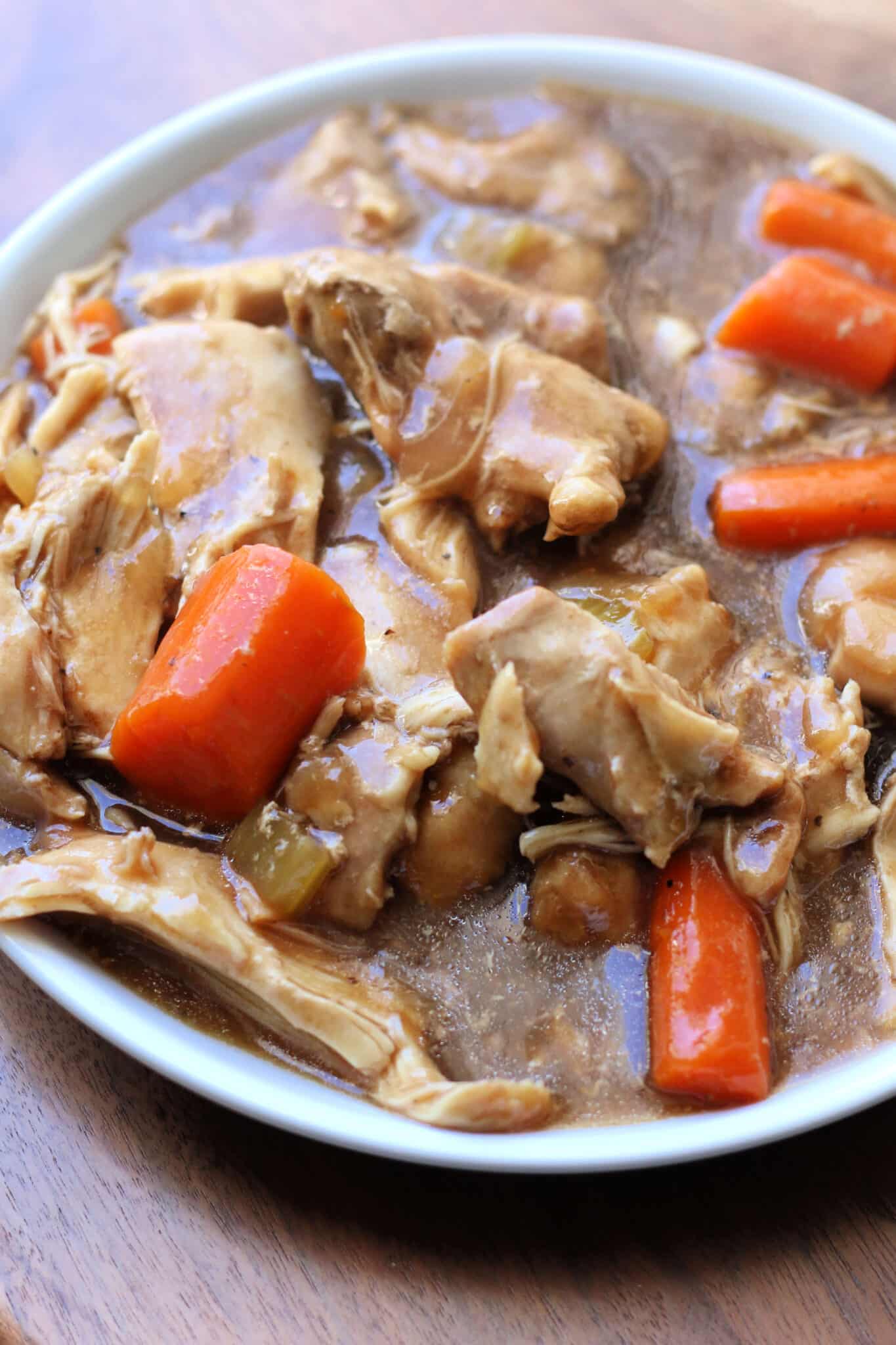
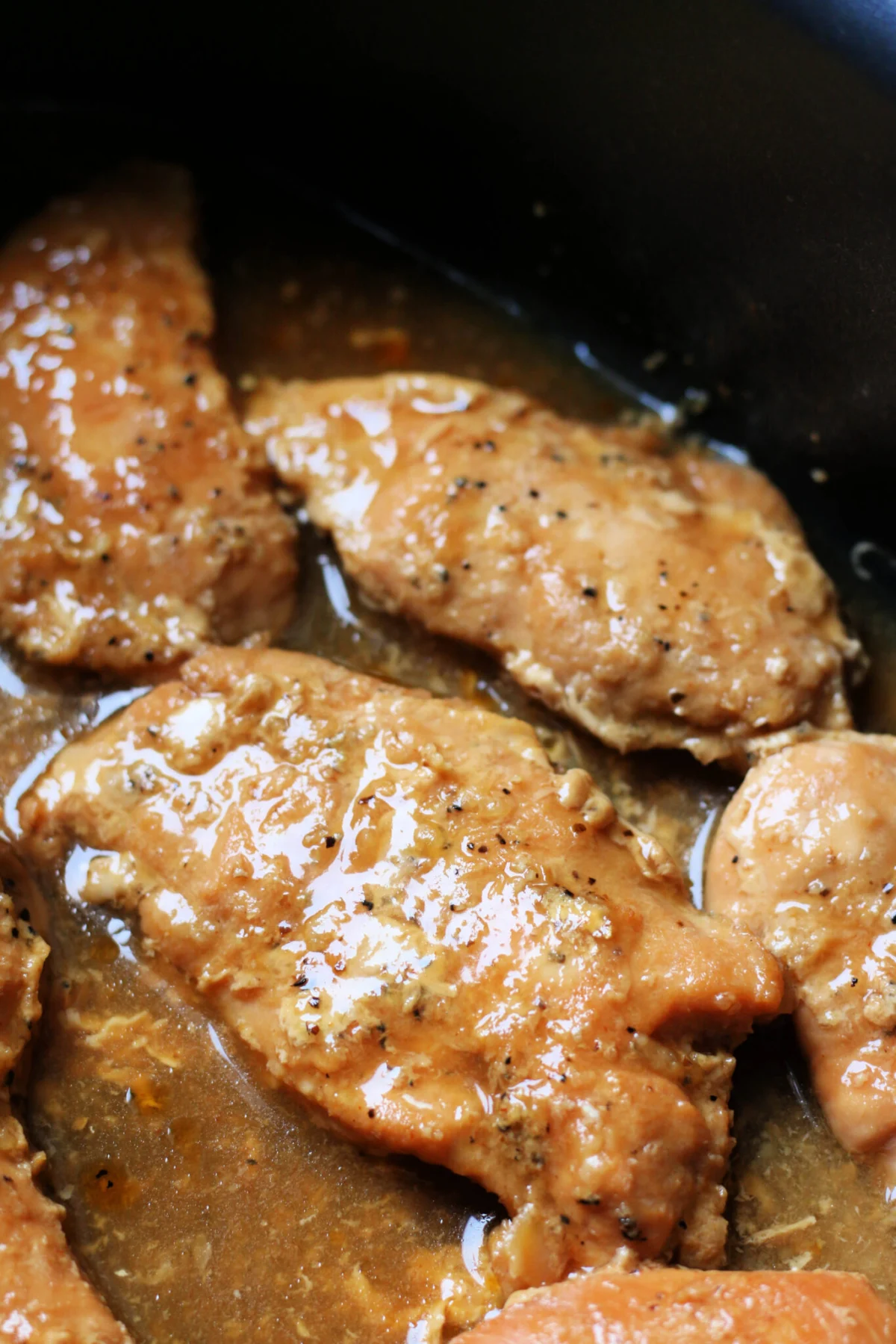
Chicken thighs, specifically, have emerged as the preferred alternative for slow cooking. Unlike chicken breasts, which tend to dry out during long cooking cycles, thighs contain a higher fat content and more connective tissue. This biological composition allows the meat to remain succulent and tender over several hours of heat exposure, mimicking the "fall-apart" texture of a well-cooked beef roast. Market analysts note that the demand for chicken thighs has increased as consumers become more educated on culinary techniques that prioritize flavor and moisture over the lean-but-often-bland profile of white meat.
Technical Analysis of the "Dump-and-Go" Method
The Slow Cooker Chicken Pot Roast utilizes what culinary experts categorize as the "dump-and-go" method. This technique minimizes active preparation time—often cited as the primary barrier to home cooking for working professionals. The process involves placing raw ingredients directly into the ceramic insert of a slow cooker without the preliminary searing or deglazing steps required in traditional French braising.
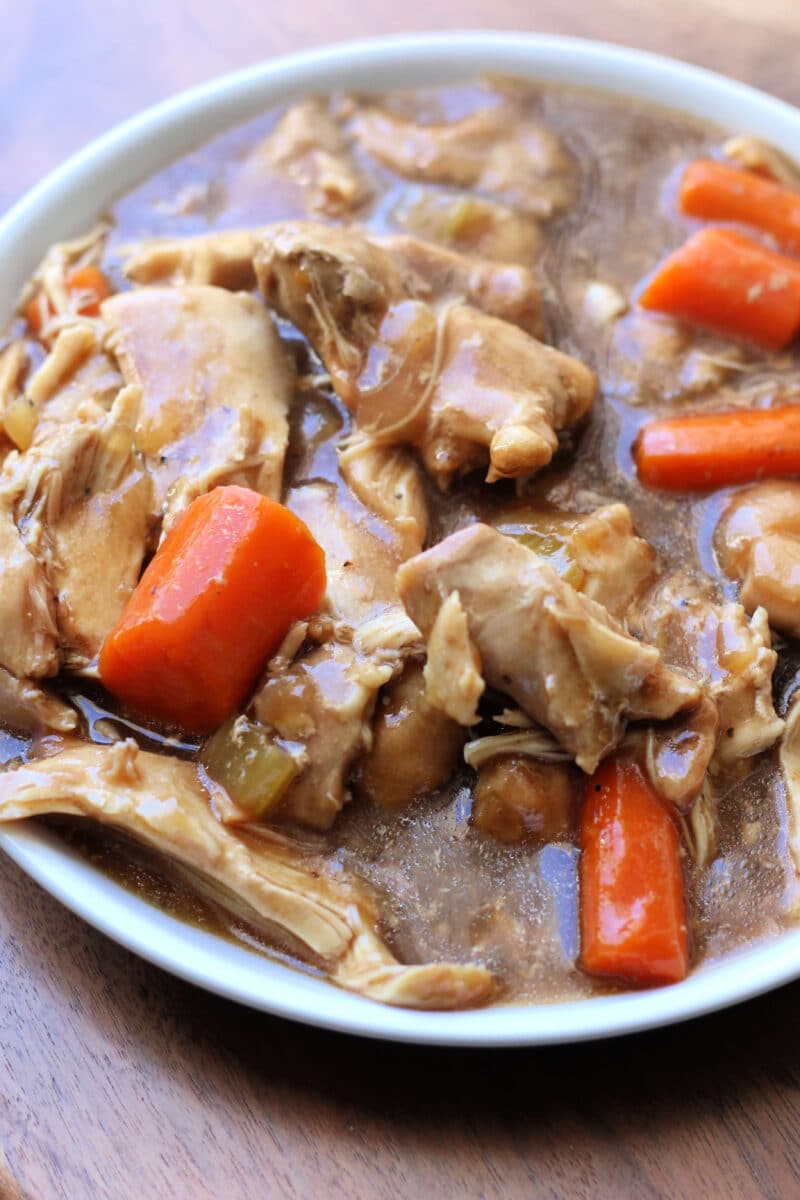
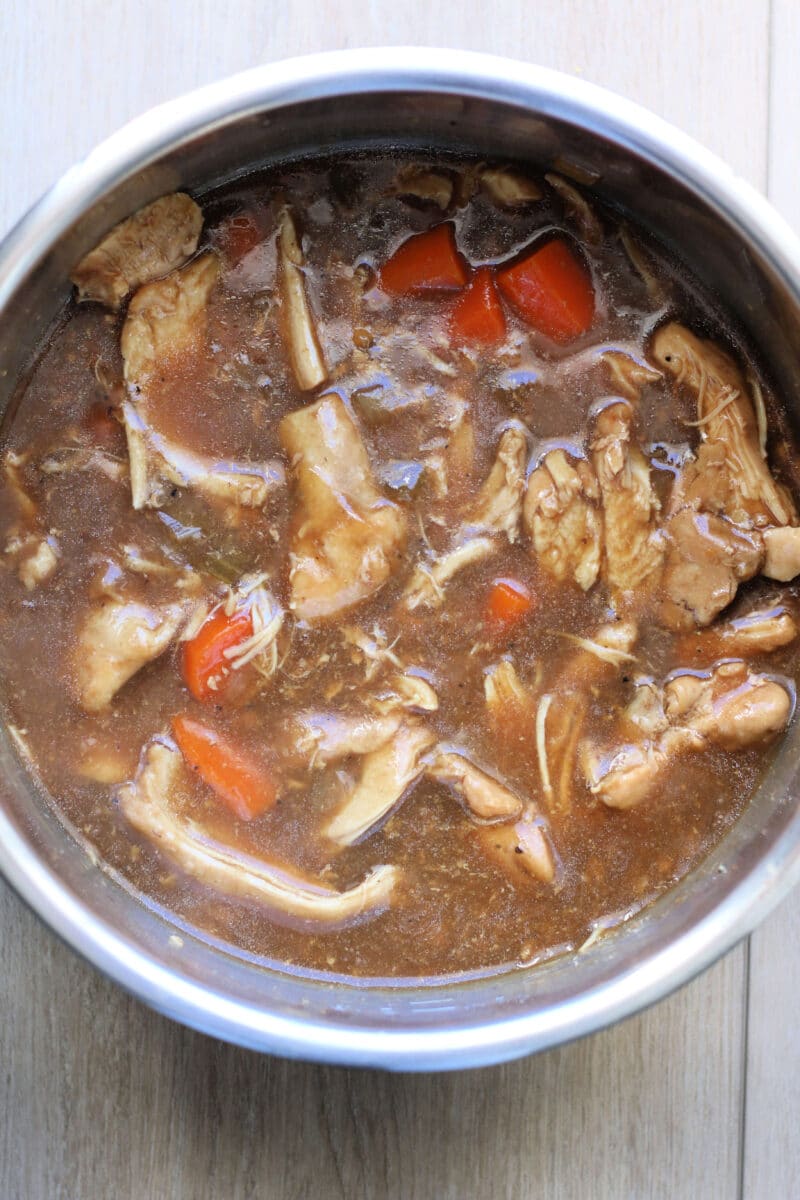
In this specific iteration, the inclusion of carrots and a savory gravy base serves both functional and flavor-based purposes. Carrots act as a natural sweetener and provide structural integrity, holding their shape through the 4-to-8-hour cooking window. The gravy, typically a combination of stock, aromatics, and thickening agents, creates a self-basting environment. From a food science perspective, the slow cooker maintains a consistent temperature—usually between 190°F and 210°F—which facilitates the gentle breakdown of collagen into gelatin. This process naturally thickens the surrounding liquid, resulting in the "savory gravy" that is a hallmark of the pot roast experience.
Historical Chronology of Slow Cooking
The reliance on the slow cooker for dishes like chicken pot roast is the result of a decades-long evolution in kitchen technology.
- The 1970s Emergence: The original "Crock-Pot" was rebranded and marketed to working mothers in 1971. It revolutionized the domestic sphere by allowing a meal to cook safely throughout the workday.
- The Convenience Era (1990s-2000s): The focus shifted toward pre-packaged "helper" ingredients, where slow cooking became associated with canned soups and highly processed additions.
- The Modern Renaissance (2010s-Present): With the rise of digital food media and platforms like Pinterest, there has been a return to "from-scratch" slow cooking, albeit with a focus on efficiency. The Slow Cooker Chicken Pot Roast fits into this current era, where the goal is a "gourmet" result with "minimalist" effort.
The timeline of the recipe’s development also reflects the integration of diverse side dishes. While the original beef pot roast was traditionally served with potatoes cooked in the same pot, the chicken variant is frequently paired with external starches like creamy mashed potatoes, egg noodles, or biscuits. This allows for better texture control, preventing the starches from becoming oversaturated with poultry fat during the long braise.
Culinary Expert and Consumer Reactions
While no official statement from a "National Pot Roast Board" exists, culinary influencers and home economists have frequently commented on the viability of chicken-based roasts. Experts at the Good Housekeeping Institute and similar testing kitchens have noted that chicken thighs are "nearly foolproof" in a slow cooker environment.
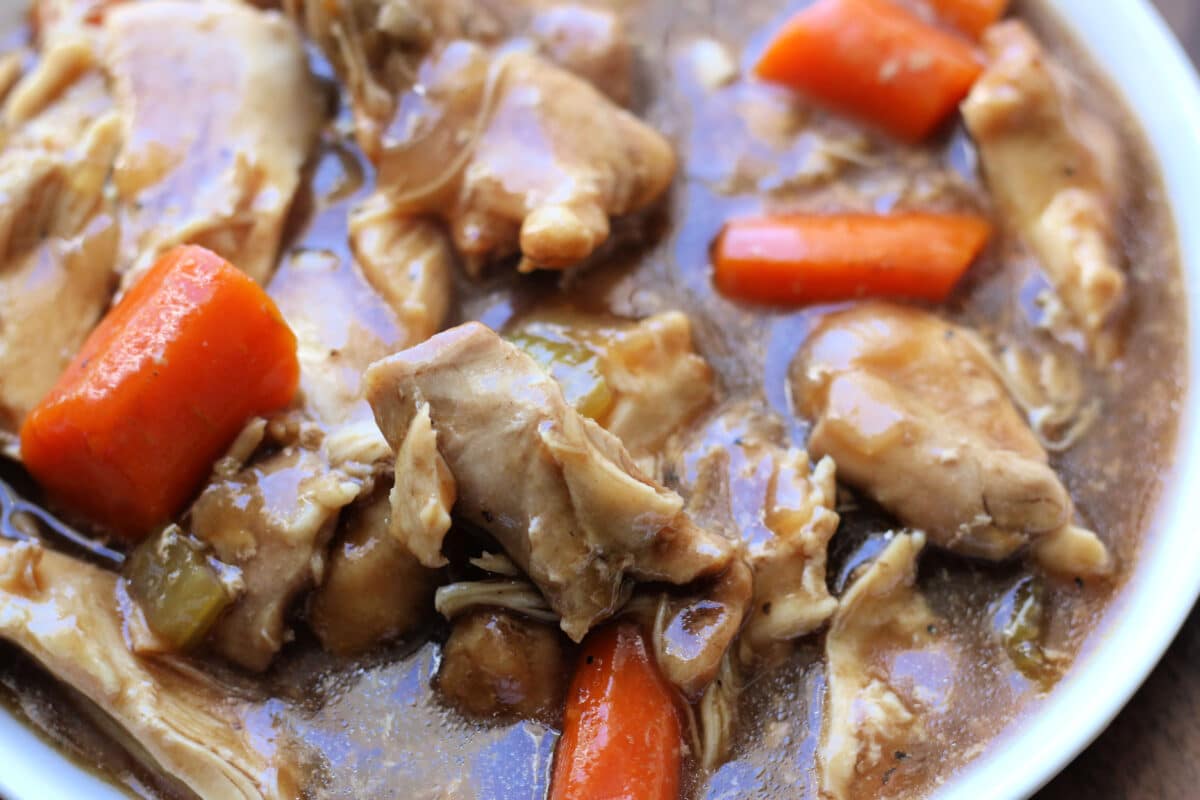
Consumer sentiment, as gathered from digital engagement metrics on recipe platforms, indicates a high level of satisfaction with the "chicken-as-beef" substitution. Users frequently cite the "price-to-flavor ratio" as the primary reason for adopting the recipe. Furthermore, the versatility of the leftovers—which can be repurposed into pot pies, stews, or sandwiches—adds a layer of "utility value" that appeals to the modern, waste-conscious shopper.
Nutritional and Health Implications
From a nutritional standpoint, substituting chicken for beef alters the lipid profile of the meal. Chicken thighs are generally lower in saturated fat than chuck roast, though they remain higher in fat than chicken breasts. When prepared with carrots and served over a moderate portion of starch, the dish provides a balanced distribution of macronutrients: protein for muscle maintenance, carbohydrates for energy, and fiber from the root vegetables.
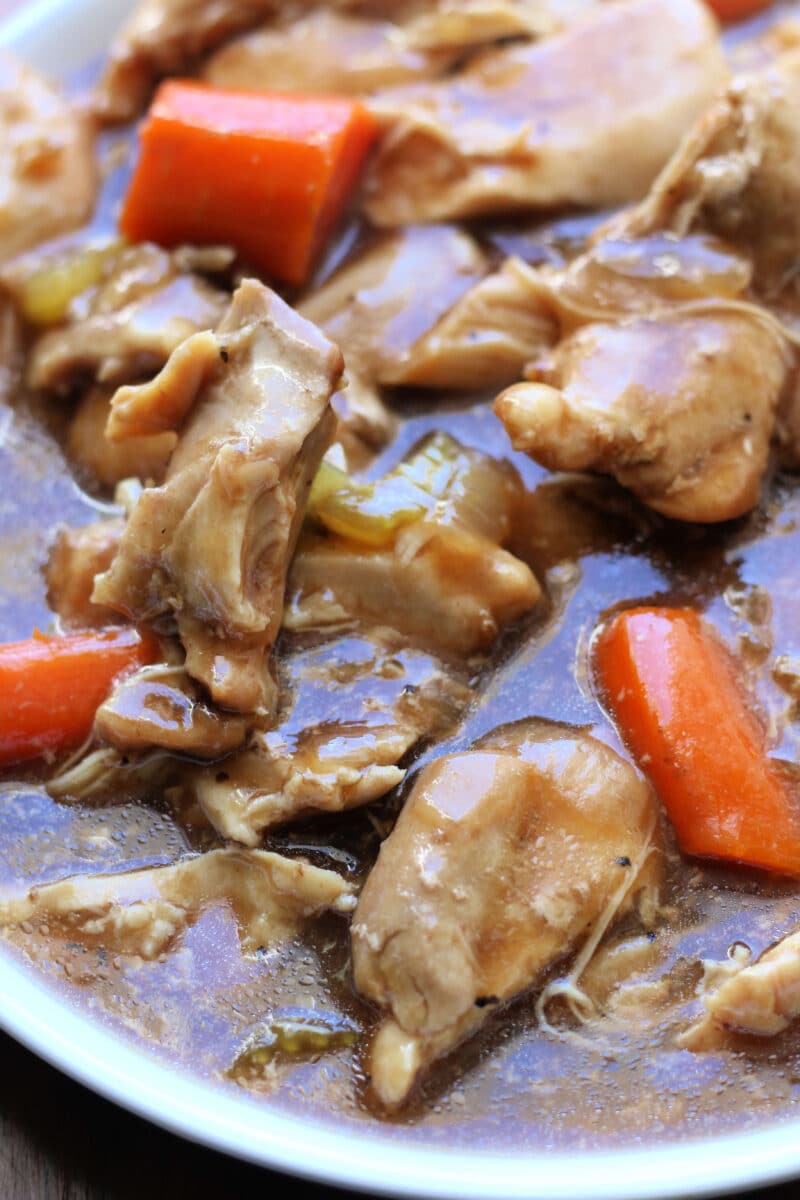
Moreover, the slow cooking process is often touted for its ability to preserve certain heat-stable nutrients. Because the cooking vessel is sealed, very little moisture—and thus very few water-soluble vitamins—is lost to evaporation. The resulting gravy captures the nutrients that leach out of the meat and vegetables, ensuring they are consumed rather than discarded.
Broader Impact on the Home Cooking Landscape
The popularity of recipes like Slow Cooker Chicken Pot Roast has broader implications for the food industry and domestic life.

1. Energy Efficiency: As energy costs rise, the slow cooker is increasingly viewed as a more efficient alternative to the conventional oven. A slow cooker uses approximately the same amount of electricity as a few lightbulbs, making it a sustainable choice for long-duration cooking.
2. The "De-Skilling" of the Kitchen: Some culinary critics argue that "dump-and-go" recipes contribute to a loss of traditional cooking skills, such as knife work and heat management. However, proponents argue that these recipes act as an "entry point" for novice cooks who might otherwise rely on fast food or highly processed frozen meals.

3. Market Demand for "One-Pot" Solutions: Grocery retailers have responded to the popularity of these dishes by offering pre-chopped "mirepoix" (onions, carrots, and celery) and pre-seasoned chicken thighs, further shortening the path from the grocery aisle to the dinner table.
Future Outlook
Looking ahead, the trend of adapting "heavy" traditional meals into lighter, faster, and cheaper versions is expected to continue. As households continue to face time poverty, the reliance on automated cooking appliances will likely increase. The Slow Cooker Chicken Pot Roast is not merely a recipe but a symptom of a larger cultural movement toward "pragmatic comfort." It bridges the gap between the nostalgic desire for a family roast and the practical realities of 21st-century life.

As food technology advances, we may see further iterations of this dish—perhaps optimized for multi-cookers that can sear and slow-cook in one vessel, or adapted for plant-based "chicken" substitutes that can withstand long braising times. For now, the chicken pot roast remains a definitive example of culinary evolution, proving that even the most "classic" of dishes can be reimagined to meet the needs of a changing society. Through the lens of economic necessity and the desire for domestic efficiency, the humble chicken thigh has effectively unseated the beef roast as the centerpiece of the modern, budget-friendly home kitchen.
