
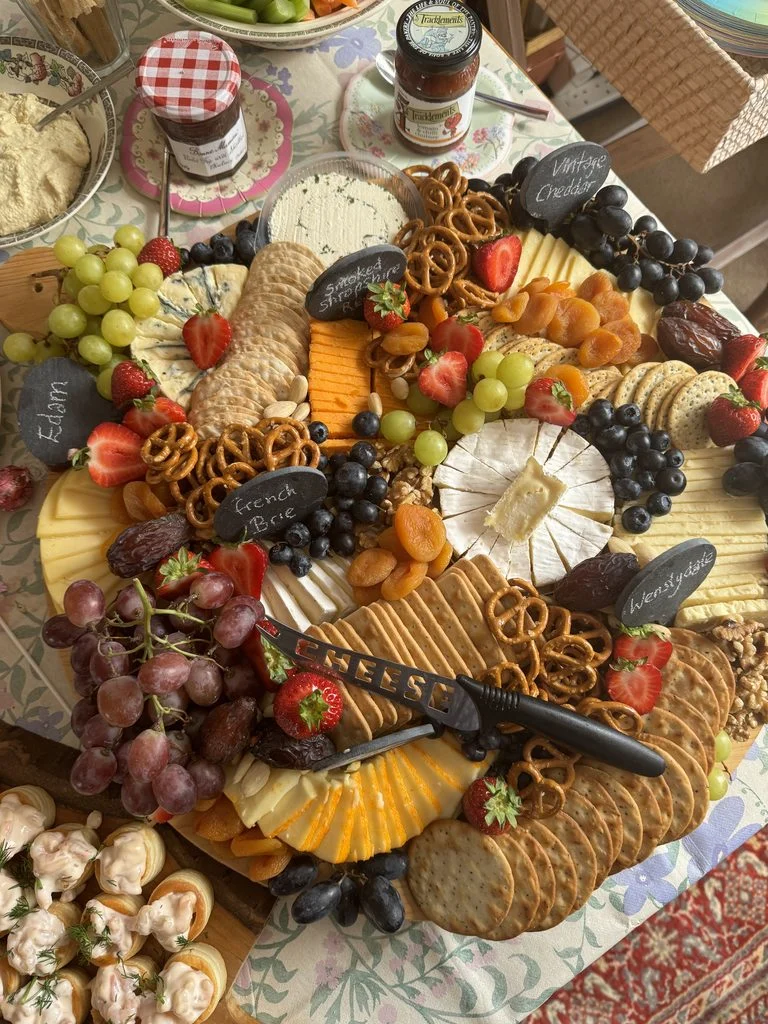
The brunch phenomenon, a hybrid culinary tradition blending breakfast and lunch, has evolved from a niche social indulgence into a cornerstone of modern event hosting. Whether marking milestones such as birthdays and anniversaries or facilitating professional networking and community gatherings, the brunch format offers a unique balance of informality and structure. As global hospitality trends shift toward flexible, experience-based dining, the art of hosting an effective brunch has become a subject of increased interest for both private individuals and professional event planners.

The Evolution and Economic Impact of Brunch Culture
Historically, the concept of brunch gained popularity in late 19th-century England before becoming a staple of American weekend culture in the 1930s. Today, market research indicates that the brunch sector is a significant driver of the hospitality economy. According to data from the National Restaurant Association, weekend brunch patronage has seen a steady annual growth rate, with consumers increasingly prioritizing “experience-based” spending. This shift is characterized by a desire for longer, more leisurely meals that accommodate late-morning schedules, providing a lower cost-of-entry alternative to formal dinner parties while maintaining a high degree of social prestige.
For hosts, the decision-making process between hosting at home or utilizing commercial venues involves a calculated assessment of time, budget, and desired intimacy. Industry experts note that the “at-home” market has seen a resurgence as high-quality, pre-prepared culinary kits and artisanal grocery delivery services have lowered the barrier to entry for novice hosts. Conversely, the rise of “bottomless” or prix-fixe restaurant brunch packages reflects a consumer demand for predictable budgeting and reduced logistical burden.

Strategic Planning: A Timeline for Success
A successful brunch, whether held in a private residence or a curated venue, relies on a rigorous timeline that minimizes the necessity for active management during the event. Professional caterers often recommend a 48-hour planning cycle to ensure high-quality execution.
The 48-Hour Pre-Event Protocol:

- 48 Hours Prior: Finalize the guest list and dietary requirements. This window is critical for identifying potential allergens or preferences, ensuring that the menu remains inclusive.
- 24 Hours Prior: Execute the "mise-en-place." Preparation of cold dishes, such as fruit salads, pastry arrangements, or pre-assembling quiches, allows for minimal kitchen activity on the day of the event.
- Event Morning (Three Hours Prior): Focus on ambient preparation. Setting the table, arranging floral centerpieces, and establishing a beverage station reduces the psychological pressure on the host.
- One Hour Prior: Final temperature checks and the transition of the kitchen from a production zone to a hosting space.
Culinary Architecture: Balancing Flavor Profiles
The modern brunch menu is defined by its capacity to serve diverse palates through a "grazing" format. Culinary consultants suggest that a menu should ideally feature a 60/40 split between savory and sweet items. The strategic use of "anchor" dishes—such as a spinach and feta frittata or a high-protein salmon platter—provides a substantial core, while smaller, shareable sides offer variety.
Data on consumer preferences during morning meals highlights a growing trend toward "functional food"—dishes that offer both indulgence and nutritional density. The inclusion of fresh, seasonal produce, fermented options like sourdough breads, and plant-based protein sources is no longer considered an alternative but an expectation in contemporary catering. By adopting a buffet-style service, hosts allow guests to regulate their own intake, which is statistically shown to reduce food waste and decrease the likelihood of dietary dissatisfaction among large groups.

Beverage Management and Social Dynamics
No brunch is complete without a curated beverage selection, which often acts as the primary social catalyst. The "build-your-own" bar concept has gained traction as a cost-effective and interactive element. For alcohol-inclusive events, a station featuring high-quality sparkling wine paired with a variety of fruit nectars—such as blood orange, peach, or pear—allows for personalized beverage crafting.
For non-alcoholic alternatives, the industry has observed a pivot toward "sophisticated hydration." This includes sparkling water infusions using fresh botanicals, cold-brewed coffee, and house-made iced teas. The economic implication of offering a robust non-alcoholic menu is significant; it ensures inclusivity for all demographics and reflects current shifts in consumer health consciousness, where a substantial percentage of adults are now choosing to moderate or eliminate alcohol consumption.

The Role of Environment in Guest Experience
Beyond the menu, the atmospheric elements of a brunch contribute to the overall perception of the event’s success. Interior design experts emphasize that "intentional simplicity" is the gold standard. A cluttered table can overwhelm guests, whereas a minimalist approach—utilizing neutral linens, natural light, and subtle background audio—creates a psychological environment conducive to conversation.
The use of place cards for seated events, or designated zones for buffet service, provides a subtle social structure that prevents the chaos often associated with large group gatherings. When guests know where to go and what to expect, the host’s role shifts from a service provider to a participant, which is the ultimate goal of any well-organized gathering.

Broader Implications and Future Trends
The shift toward brunch as a primary celebratory vehicle is not merely a passing trend but a response to the changing nature of modern work-life balance. As weekend time becomes increasingly precious, the brunch format offers a way to maximize social interaction without encroaching upon the evening hours, which are increasingly reserved for rest or family obligations.
Furthermore, the environmental impact of hosting is becoming a point of consideration. The "zero-waste" brunch—a model where hosts prioritize local, seasonal ingredients and reusable table settings—is gaining popularity among environmentally conscious consumers. This approach not only aligns with broader sustainability goals but also elevates the narrative of the event, transforming a simple meal into a statement of values.

In conclusion, the perfect brunch is achieved through a combination of meticulous preparation and an appreciation for the social context of the event. By focusing on a manageable menu, establishing a clear timeline, and curating an environment that encourages interaction, hosts can ensure that their celebration is both memorable and stress-free. Whether opting for the personalized touch of an at-home gathering or the seamless convenience of a professional venue, the success of the brunch lies in the host’s ability to facilitate a space where guests feel both welcome and nourished. As the industry continues to evolve, the emphasis will undoubtedly remain on these foundational elements of hospitality, ensuring that brunch retains its status as a premier social tradition for years to come.
