
The globalization of the culinary landscape has significantly altered the traditional American backyard barbecue, transforming it from a localized ritual of burgers and hot dogs into a sophisticated exploration of international flavors. According to recent consumer data from the Hearth, Patio & Barbecue Association (HPBA), over 70% of households in the United States own a grill or smoker, and an increasing percentage of these consumers are actively seeking "gastro-tourism" experiences within their own residences. This shift is driven by a convergence of digital accessibility to authentic recipes and a burgeoning interest in the chemical and cultural nuances of fire-based cooking. By examining six distinct international barbecue archetypes—ranging from East Asian marination techniques to European open-fire traditions—it becomes evident that the "meat plus fire" equation is a universal constant adapted through specific regional agricultural and historical contexts.
The Evolution of the Backyard Palate: A Chronological Context
The history of barbecue is inextricably linked to the migration of people and the exchange of spices. While the term "barbecue" itself is often traced back to the Taino word barbacoa, the practice of cooking protein over indirect heat or open flames exists in every major civilization. Historically, this was a necessity for preserving meat or rendering tough cuts edible. In the 21st century, the focus has shifted toward flavor complexity and the replication of authentic regional street foods. The current trend of "Global BBQ" in domestic settings gained significant momentum during the 2020–2022 period, as travel restrictions prompted home cooks to invest in high-end smoking equipment and specialized ingredients like gochujang, hoisin, and juniper berries.

1. The Science of Korean Kalbi: Short Rib Innovation
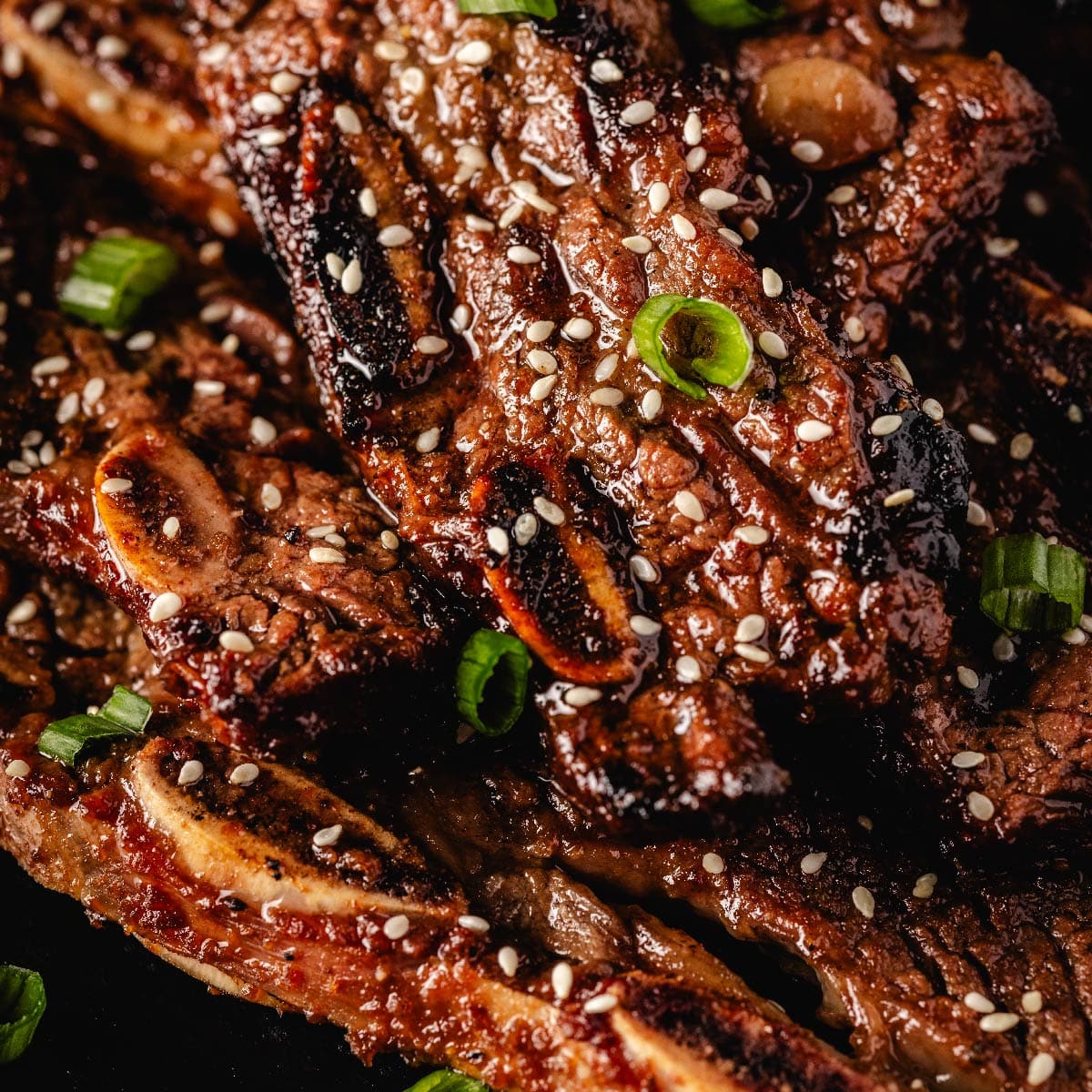
Korean barbecue, or gogi-gu-i, has become a cornerstone of global fusion cuisine. Central to this tradition is Kalbi, or marinated short ribs. Unlike Western barbecue, which often emphasizes slow-cooking large primal cuts, Kalbi utilizes a "flanken-cut" where the rib bone is cut across the grain into thin strips. This allows for rapid searing over high heat, a process that facilitates the Maillard reaction—a chemical reaction between amino acids and reducing sugars that gives browned food its distinctive flavor.
The enzymatic breakdown of the meat is a critical component of the Kalbi process. Traditional recipes utilize Asian pear, Fuji apple, or kiwi. These fruits contain proteolytic enzymes (such as calpain or actinidin) that break down tough muscle fibers, ensuring tenderness in a cut that is naturally well-marbled but fibrous. Data from international spice exporters indicates a 15% year-over-year increase in the demand for soy sauce and toasted sesame oil, staples of the Kalbi marinade, reflecting the dish’s growing integration into standard domestic menus.
2. Caribbean Braising: The Role of Pollo Guisado
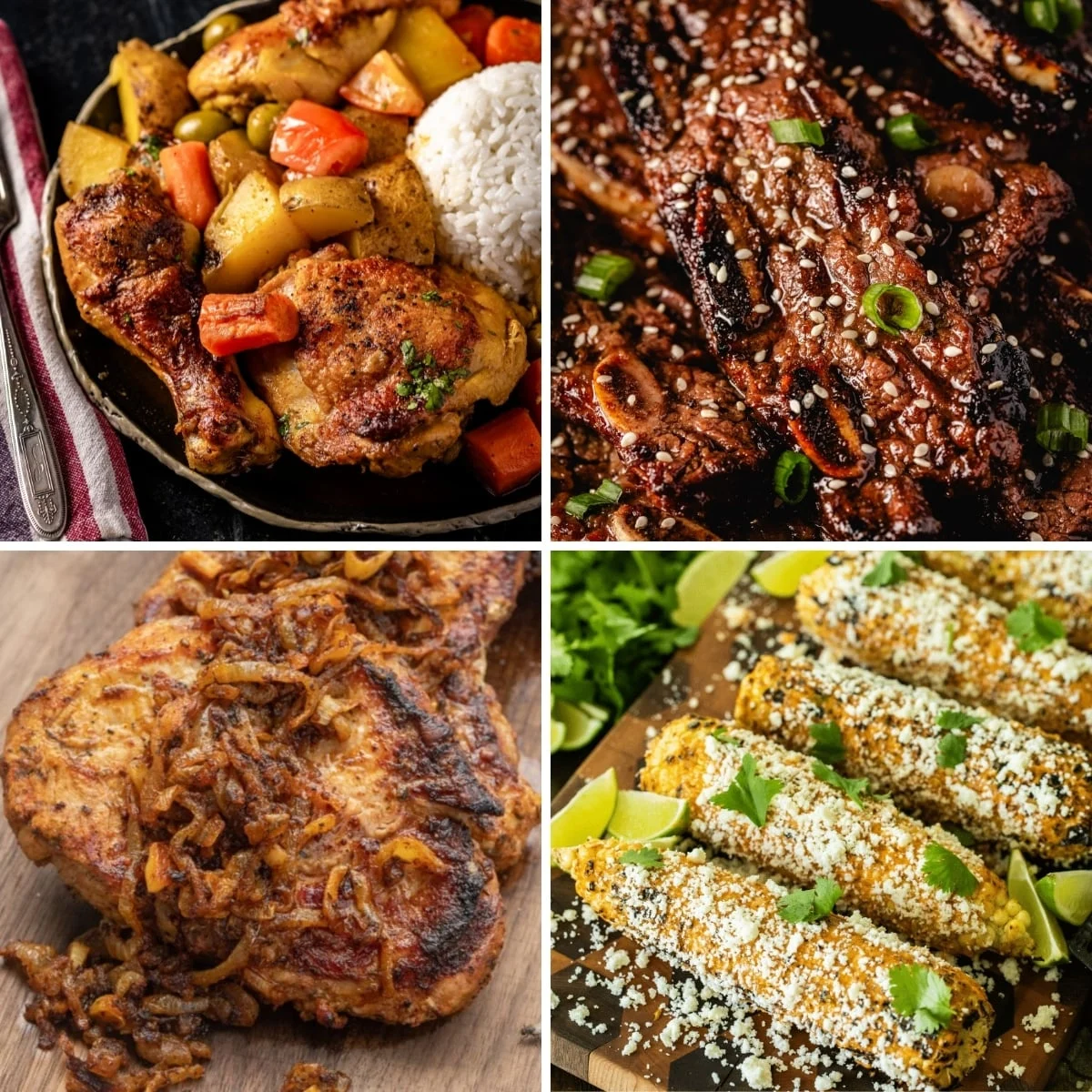
While many associate the Caribbean with "jerk" seasonings, the Puerto Rican tradition of Pollo Guisado represents the region’s mastery of the "stewed-then-grilled" or one-pot outdoor cooking method. This dish serves as a case study in the influence of Spanish, Taino, and African culinary traditions. The foundational element is Sazón, a seasoning blend typically containing coriander, cumin, turmeric, garlic, and annatto.

The inclusion of olives and capers in Pollo Guisado provides a briny contrast to the richness of the chicken fat, a technique known as "acid balancing" in professional gastronomy. Industry analysts note that the rise of "comfort BBQ"—dishes that provide hearty, slow-simmered nutrients alongside the smoky notes of outdoor cooking—has seen a marked increase in the mid-Atlantic and Southern United States. The use of a Dutch oven on a grill surface allows for the retention of moisture that direct-flame grilling often lacks.
3. The Germanic Schwenkbraten: Engineering and Tradition
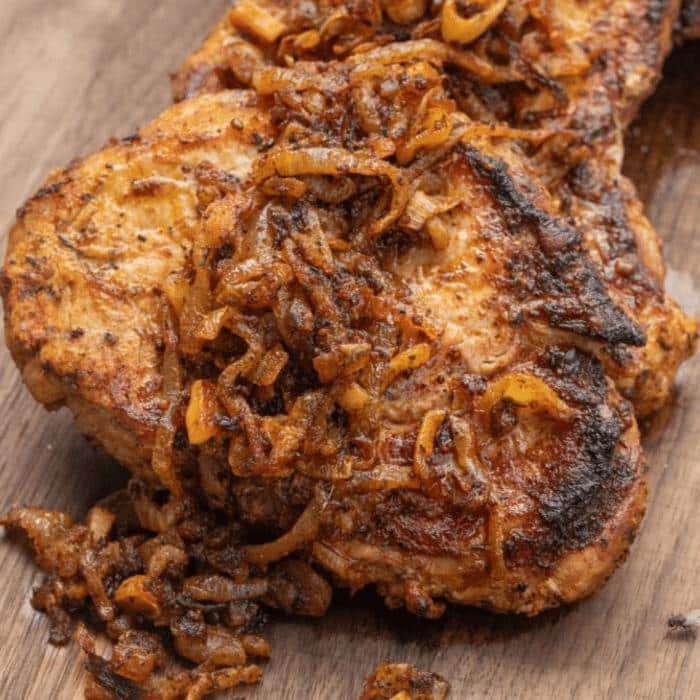
In the Saarland region of Germany, the Schwenkbraten represents a unique intersection of mechanical engineering and culinary tradition. The dish consists of pork neck or pork chops marinated in a mixture of onions, garlic, juniper berries, and mustard. Traditionally, it is cooked on a Schwenker, a swinging tripod grill suspended over a beechwood fire. The constant motion of the grill prevents the meat from burning while ensuring an even distribution of heat and smoke.
The use of juniper berries in the marinade is a vestige of Central European hunter-gatherer traditions, where the piney, citrusy notes of the berry were used to complement wild game. Modern interpretations of Schwenkbraten in backyard settings often substitute the tripod for a standard charcoal kettle, yet the emphasis on stone-ground mustard and smoked paprika remains. Culinary historians point to this dish as evidence of the "Old World" influence on modern dry-rubbing techniques found in the American Midwest.
4. Cantonese Char Siu: The Glazing Phenomenon
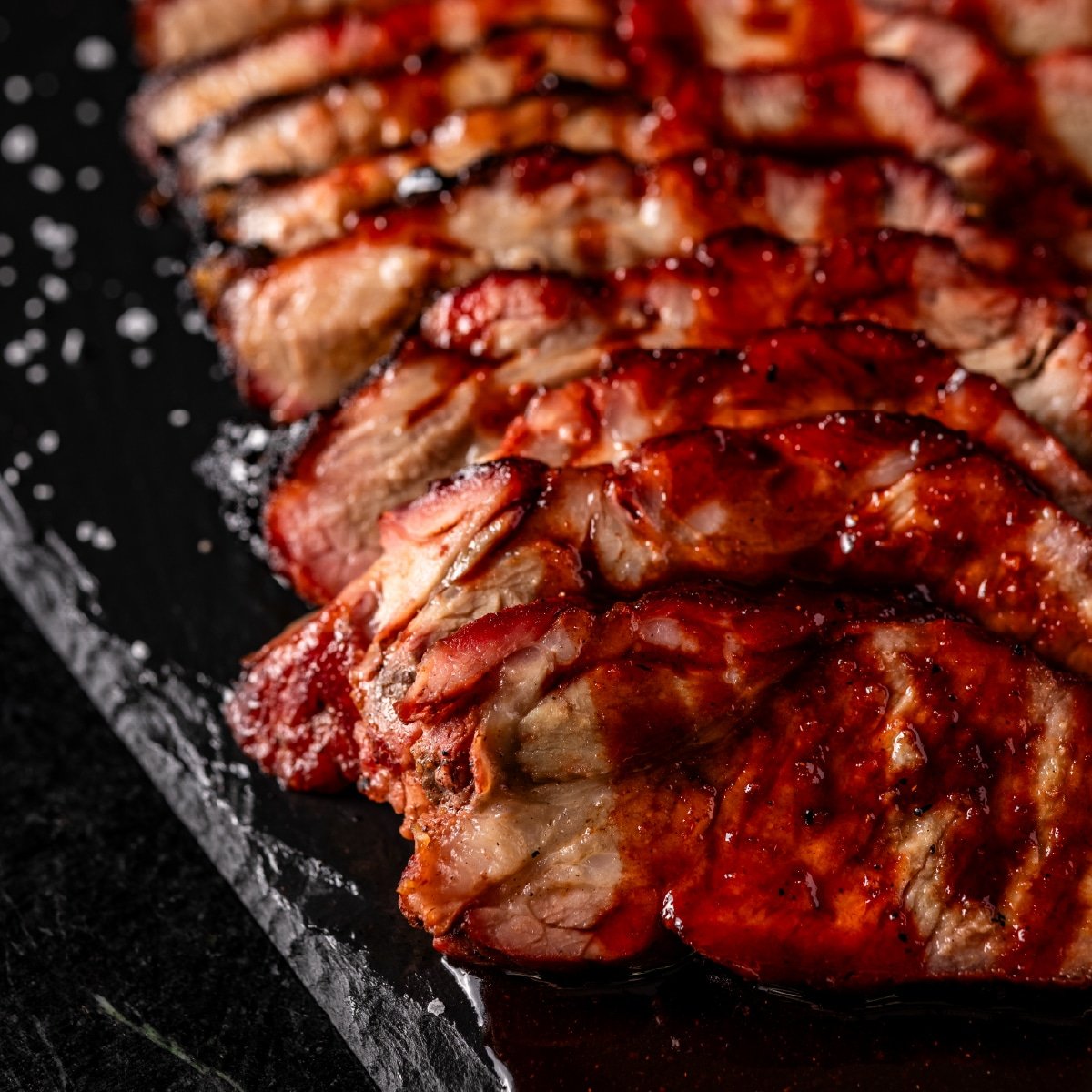
Chinese barbecue, specifically Cantonese Char Siu (literally "fork roasted"), introduces a different technical requirement: the high-sugar glaze. Char Siu is traditionally made with pork butt or loin, marinated in a complex slurry of hoisin, soy sauce, five-spice powder, and fermented red bean curd. The red hue, once achieved through fermentation, is now often enhanced by food coloring or red miso paste.
The primary challenge in replicating Char Siu in a backyard smoker is the management of caramelization. The honey or maltose used in the glaze has a low burning point. Therefore, the cooking process must be carefully monitored to ensure a "glossy" finish without carbonizing the exterior. According to market research from specialized grocery chains, the availability of "Char Siu starter kits" has expanded by 22% in the last three years, signaling a shift toward more technical, glaze-focused barbecue styles among hobbyists.
5. Mesoamerican Heritage: Elote as a Global Side Dish
Barbecue is not limited to animal proteins; the Mexican tradition of Elote (street corn) has become an essential accompaniment to international cookouts. Elote is a direct descendant of the indigenous Mesoamerican relationship with maize. The preparation involves grilling corn in its husk or directly over coals to achieve charring, then coating it in a mixture of crema, mayonnaise, chili powder, and lime.

The inclusion of Cotija cheese—a dry, crumbly Mexican cow’s milk cheese—is vital for its structural integrity; unlike softer cheeses, Cotija does not melt completely, providing a salty texture that complements the sweetness of the charred corn. The popularity of Elote in the United States has mirrored the growth of the Hispanic population and the subsequent mainstreaming of Mexican street food culture. Economic reports suggest that "street food-style" sides are now a $1.2 billion sub-sector of the outdoor dining industry.
6. The British Influence: Beer-Battered Fish and Chips
While often associated with indoor deep-frying, the adaptation of Fish and Chips to the outdoor kitchen involves the use of high-BTU outdoor burners or side-grill fryers. This British staple, which gained prominence in the 19th century as a byproduct of the industrial revolution and the expansion of North Sea trawling, relies on the physics of carbonation.
A beer batter serves a dual purpose: the carbon dioxide in the beer creates bubbles that expand during the frying process, resulting in a light, airy crust. Simultaneously, the alcohol evaporates faster than water, which accelerates the drying and crisping of the batter. The "double-fry" technique for the chips (potatoes) ensures that the interior starch is gelatinized while the exterior forms a rigid, golden-brown shell. This dish’s inclusion in the BBQ repertoire highlights the expanding definition of "outdoor cooking" to include all forms of heat-intensive preparation.
Market Trends and Consumer Behavior
The diversification of backyard barbecue is supported by robust economic data. The global grill market is projected to reach approximately $7 billion by 2030, with a significant portion of that growth attributed to "versatile" units that can smoke, sear, and bake. Consumers are no longer satisfied with single-function equipment; they are seeking tools that can handle the high-heat requirements of Kalbi as well as the low-and-slow requirements of Char Siu.
Furthermore, the "DIY" seasoning market has seen a surge. Rather than purchasing pre-mixed "BBQ rub," an increasing number of consumers are buying raw ingredients—such as Chinese five-spice, annatto seeds, and juniper berries—to create authentic profiles. This indicates a higher level of culinary literacy among the general public.
Broader Cultural Implications
The adoption of international barbecue recipes is more than a culinary trend; it is a form of cultural exchange that fosters a deeper understanding of global traditions. When a home cook prepares Schwenkbraten or Pollo Guisado, they are engaging with the history and geography of a distant region.
Industry experts suggest that this "globalization of the backyard" is likely to continue as younger generations, who are statistically more likely to value authentic and diverse food experiences, enter the home-owning market. The backyard is no longer just a place for a meal; it is a laboratory for global exploration.
In conclusion, the six recipes analyzed—Kalbi, Pollo Guisado, Schwenkbraten, Char Siu, Elote, and Fish and Chips—represent a cross-section of human ingenuity in the face of fire. As the technology of outdoor cooking continues to evolve, the boundaries between regional cuisines will continue to blur, leading to a more flavorful and interconnected global dining culture. The backyard barbecue hero of the future is not defined by their ability to flip a burger, but by their mastery of the world’s diverse culinary heritage.
