
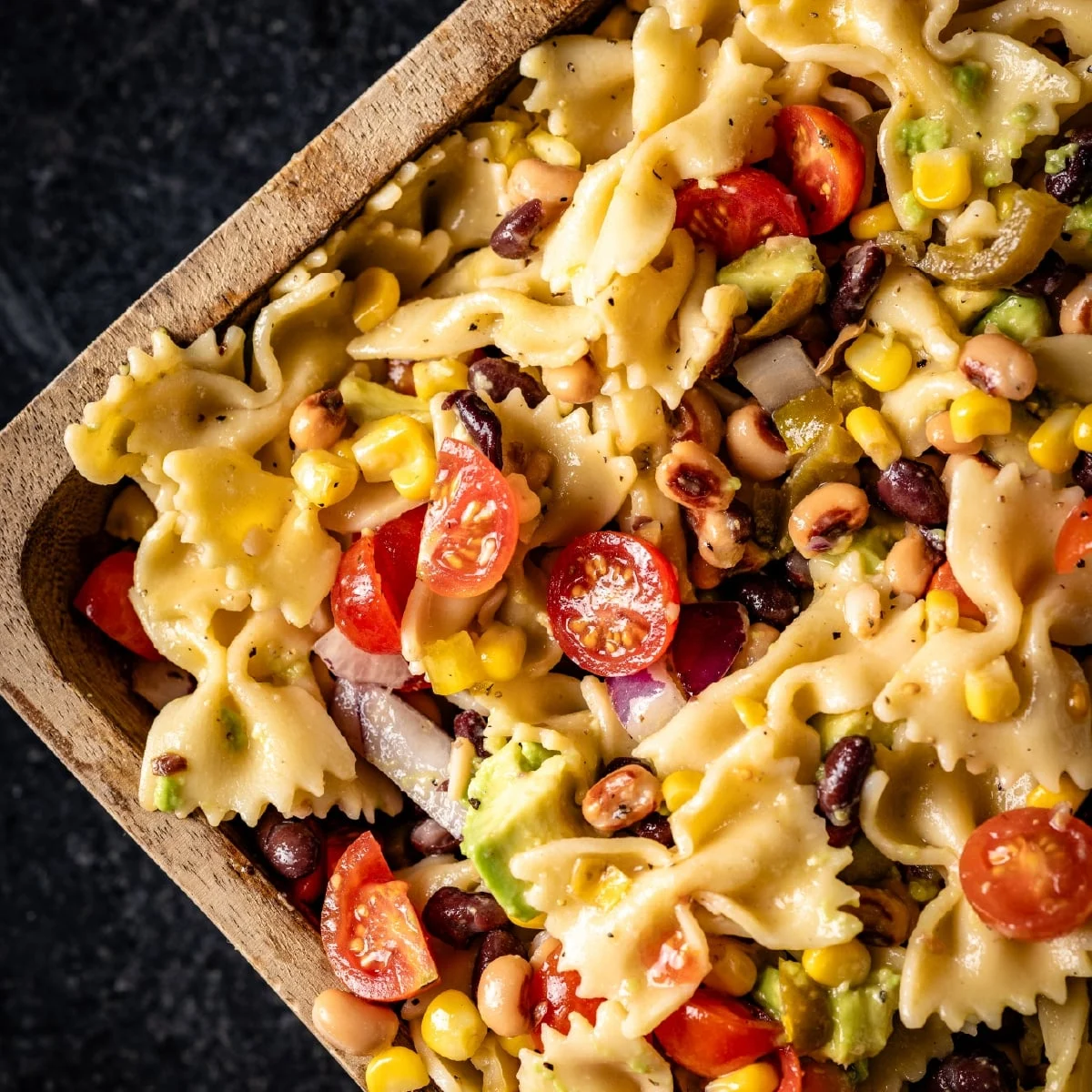
The emergence of Cowboy Pasta Salad as a centerpiece of American outdoor dining reflects a broader shift in culinary preferences toward dishes that balance convenience, nutritional density, and bold flavor profiles. Characterized by a robust assembly of bowtie pasta, black beans, sweet corn, and creamy avocado, this dish represents a modern evolution of the traditional pasta salad, moving away from mayo-heavy foundations toward zesty, vinaigrette-based compositions. In the context of the American barbecue and potluck tradition, the Cowboy Pasta Salad has transitioned from a localized favorite to a nationally recognized side dish that caters to a wide range of dietary needs while maintaining the hearty "cowboy" ethos of ranch-style cooking.
The Gastronomic Composition of Cowboy Pasta Salad
At its core, Cowboy Pasta Salad is a study in texture and acidity. The dish utilizes farfalle, commonly known as bowtie pasta, as its structural base. The choice of farfalle is not merely aesthetic; the "wings" of the pasta are designed to capture the dressing, while the pinched center provides a firm, al dente bite that holds up well during extended periods of refrigeration. This structural integrity is essential for dishes intended for outdoor gatherings, where temperature fluctuations and transport can often compromise the texture of softer pasta varieties.

The "Cowboy" nomenclature typically signifies the inclusion of ingredients historically associated with the American West and Southwest, such as legumes and maize. In this specific iteration, black beans and sweet corn provide a foundation of plant-based protein and natural sweetness. These are complemented by fresh produce, including cherry tomatoes for acidity, red onions for pungency, and avocados for a rich, buttery mouthfeel. The inclusion of pickled jalapeños introduces a controlled heat, a hallmark of Tex-Mex influence that has become synonymous with the "cowboy" flavor profile.
The dressing serves as the emulsifying agent that integrates these disparate elements. A combination of lime juice and red wine vinegar provides a double-layered acidic punch, which is tempered by olive oil and seasoned with a blend of ground cumin and chili powder. This specific spice profile mimics the dry rubs used in traditional barbecue, creating a seamless flavor bridge between the side dish and the smoked meats typically served alongside it.
Historical Context and the Evolution of Ranch-Style Cuisine
The origins of "cowboy" food are rooted in the utilitarian requirements of the 19th-century cattle drive. Ranch hands and chuckwagon cooks relied on ingredients that were shelf-stable, portable, and high in energy. Beans, dried corn, and cured meats were staples of the era. As American culinary traditions modernized, these rustic ingredients were reinterpreted through the lens of the suburban cookout.

The transition from the campfire to the backyard grill saw the introduction of fresh vegetables and pasta, transforming the heavy stews of the past into the vibrant salads of the present. The contemporary Cowboy Pasta Salad is a direct descendant of this lineage, maintaining the heartiness of the trail while incorporating the freshness demanded by modern palates. Culinary historians note that the popularity of such dishes often peaks during periods of economic shift, as they allow hosts to stretch expensive proteins by pairing them with affordable yet flavorful grain-and-legume-based sides.
A Chronology of Preparation and Service
The efficiency of the Cowboy Pasta Salad is a significant factor in its widespread adoption. When analyzed through a procedural lens, the dish follows a streamlined chronology that prioritizes speed without sacrificing complexity.
- The Foundation: The process begins with the boiling of the pasta in salted water. For optimal results, the pasta is cooked to al dente, drained, and then cooled—often using leftover pasta to reduce food waste and preparation time.
- The Emulsion: While the pasta cools, the dressing is prepared in a separate vessel. This ensures that the cumin and chili powder are fully suspended in the oil and acid, preventing clumps of dry spice in the final product.
- The Assembly: The cooled pasta is combined with the black beans, corn, halved cherry tomatoes, and diced red onion. The avocado is typically added last to prevent oxidation and to maintain its structural integrity during the tossing process.
- The Infusion: The dressing is poured over the assembly, and the salad is tossed to ensure an even coating.
- The Resting Period: Journalistic observation of culinary trends suggests that a chilling period of at least 30 minutes is standard. This allows the pasta to absorb the dressing and the flavors of the pickled jalapeños to permeate the other ingredients.
Nutritional Analysis and Dietary Implications
From a nutritional standpoint, the Cowboy Pasta Salad offers a more balanced profile than traditional potato or macaroni salads. According to data provided by recipe developers and nutritional calculators, a standard serving of approximately 1/8th of a full recipe contains:

- Calories: 383 kcal
- Carbohydrates: 57g
- Protein: 11g
- Fat: 16g (with a significant portion coming from monounsaturated fats in the avocado and olive oil)
- Fiber: 5g
- Sodium: 528mg
The inclusion of 11 grams of protein per serving is particularly notable for a side dish. This is largely attributed to the combination of black beans and pasta, which provides a complementary amino acid profile. Furthermore, the 5 grams of fiber contribute to satiety, making the dish a viable vegetarian main course. The relatively low saturated fat content (2g) and the presence of Vitamin A (514 IU) and Vitamin C (17mg) position the salad as a healthier alternative to mayo-based sides that are often high in saturated fats and processed sugars.
Expert Perspectives and Culinary Philosophy
Susie Bulloch, a prominent figure in the outdoor cooking industry and founder of the culinary platform Hey Grill Hey, emphasizes the importance of versatility in side dish preparation. Bulloch’s approach to the Cowboy Pasta Salad highlights a "pantry-first" philosophy, encouraging cooks to adapt the recipe based on available inventory.
"Sometimes you’ve got the perfect side planned for your BBQ, and sometimes you put so much love into the meat, the sides are kind of an afterthought," Bulloch states. Her methodology suggests that the strength of the Cowboy Pasta Salad lies in its ability to be assembled in approximately ten minutes if the pasta is pre-cooked. This "sleeper hit" quality—where a simple dish exceeds expectations—is a recurring theme in Bulloch’s work, which focuses on empowering "Backyard BBQ Heroes" to provide complete, high-quality meals.

While traditional variations of the recipe often include browned ground beef or crispy bacon, the modern trend—as supported by Bulloch—frequently omits meat to accommodate a broader range of guests. This shift reflects a growing awareness of flexitarian diets and the need for inclusive menu planning at large social gatherings.
Market Trends and the Influence of Digital Media
The proliferation of Cowboy Pasta Salad recipes across social media platforms like Facebook, Instagram, and YouTube has contributed to its status as a viral culinary phenomenon. Digital food influencers have leveraged the visual appeal of the dish—specifically the contrasting colors of the yellow corn, black beans, red tomatoes, and green avocado—to drive engagement.
Data from search engine trends indicates a seasonal spike in "Cowboy Pasta Salad" queries beginning in late May and peaking in July, coinciding with the peak of the American grilling season. This digital footprint has not only standardized the recipe but has also created a feedback loop where home cooks share their own modifications, such as adding black-eyed peas for a "Texas Caviar" twist or incorporating smoked paprika for additional depth.

Broader Impact on Social Dynamics and Entertaining
The Cowboy Pasta Salad serves a social function that extends beyond nutrition. In the context of the American potluck, the dish acts as a reliable "crowd-pleaser." Its ability to be served at room temperature makes it ideal for outdoor environments where refrigeration may be limited. Furthermore, its status as a "recipe-request" dish—one that prompts guests to ask the host for instructions—solidifies its role as a tool for social interaction and community building.
By bridging the gap between a light vegetable salad and a heavy pasta dish, it satisfies diverse appetites. For the host, it represents an efficient use of resources; for the guest, it offers a flavorful, satisfying component of a larger meal. As the landscape of American outdoor dining continues to evolve, the Cowboy Pasta Salad remains a testament to the enduring appeal of rustic, resourceful, and flavor-forward cooking.
In conclusion, the Cowboy Pasta Salad is more than a mere accompaniment to grilled meats. It is a sophisticated culinary construct that draws on historical ranch traditions while meeting modern demands for health, speed, and flavor. Its rise to prominence underscores the importance of well-executed side dishes in the overall success of the contemporary barbecue experience. Through the work of culinary experts like Susie Bulloch and the collective experimentation of the digital cooking community, the dish has secured its place in the pantheon of essential American summer recipes.
