
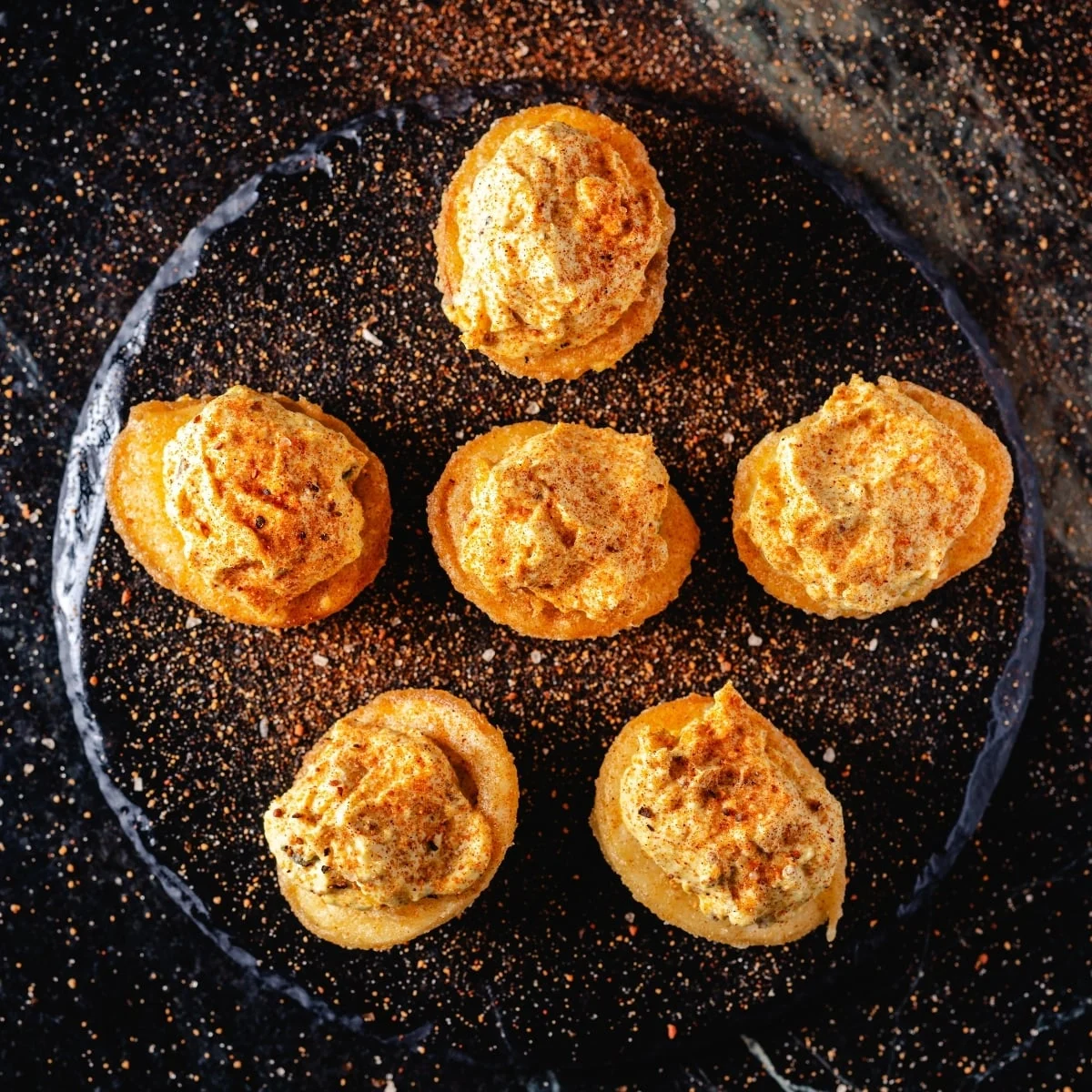
Smoke-Fried Deviled Eggs: A Culinary Evolution of the Traditional Picnic Appetizer represents a significant departure from conventional holiday fare, merging the rustic techniques of low-and-slow barbecue with the precision of classic hors d’oeuvres. As culinary enthusiasts and home cooks prepare for high-traffic social seasons such as Easter and the summer picnic circuit, the emergence of "smoke-frying" as a preparation method highlights a broader trend toward texture-focused comfort food. This dish, popularized by barbecue expert Susie Bulloch of Hey Grill Hey, transforms the standard hard-boiled egg into a multi-layered experience involving wood-fired smoke, a crispy fried exterior, and a complex, zesty filling.
The concept of the deviled egg has remained largely stagnant in the American culinary canon for decades, typically consisting of a boiled white filled with a mixture of mustard, mayonnaise, and paprika. However, the introduction of the smoke-fried variant signals an shift toward "elevated BBQ," where traditional sides are reimagined through modern techniques. By subjecting the egg to a "smoke bath" before frying, chefs are able to imbue the protein with a depth of flavor that cannot be achieved through boiling alone.
Historical Context and the Evolution of the Deviled Egg
To understand the impact of the smoke-fried deviled egg, one must examine the history of its predecessor. The roots of "deviling" food—a term that emerged in the 18th century to describe dishes prepared with hot seasonings or spicy condiments—date back to Ancient Rome. Romans often served boiled eggs seasoned with spicy sauces as a starter for high-class banquets. By the 19th century, the term "deviled" became synonymous with the use of mustard and cayenne pepper in egg preparations.

Throughout the 20th century, deviled eggs became a staple of the American mid-century social scene, favored for their low cost and ease of assembly. The transition from a simple boiled snack to a smoke-fried delicacy reflects the growing sophistication of the American palate and the mainstreaming of professional barbecue culture. The integration of "smoke" and "fry" into a single recipe caters to a consumer base that increasingly values "umami" and textural contrast, specifically the juxtaposition of a crunchy batter against a creamy, whipped yolk filling.
Technical Chronology of the Smoke-Fried Method
The preparation of smoke-fried deviled eggs is a multi-stage process that requires precise temperature control and a specific sequence of operations to ensure structural integrity and flavor balance.
Phase One: The Cold Smoke
The process begins with standard hard-boiled eggs that have been peeled. Unlike traditional recipes where the egg is immediately halved, the whole egg is placed on a smoker or grill set to a low temperature, typically around 225°F. During this 30-to-45-minute window, the egg whites absorb the aromatic compounds from the wood smoke—often hickory, apple, or cherry wood—which alters both the color and the flavor profile of the egg. This step is critical for developing a "base layer" of flavor that penetrates the yolk.
Phase Two: The Filling Composition
Once the smoking process is complete, the eggs are halved, and the yolks are removed to create the "deviled" base. The filling for the smoke-fried variant is notably more complex than traditional versions. It utilizes a combination of mayonnaise for fat, "Zesty Gold" BBQ sauce (a mustard-based sauce common in South Carolina-style barbecue) for acidity, and a signature "Sweet Rub" to provide a balance of sugar and spice. Diced jalapeños and apple cider vinegar are added to provide "zip" and heat, cutting through the richness of the yolk and the subsequent frying oil.

Phase Three: The Frying Process
The most innovative aspect of this dish is the battering and deep-frying of the smoked egg whites. The whites are dredged in a crispy chicken wing batter, which provides a rigid, golden-brown shell. This stage requires a high-heat flash fry to ensure the exterior becomes crispy without overcooking the already-solidified egg white. The result is a warm, crunchy vessel that provides a stark contrast to the chilled, creamy filling.
Phase Four: Assembly and Finishing
The final stage involves piping the chilled yolk mixture back into the warm, fried shells. A final dusting of barbecue rub serves as a garnish, replacing the traditional paprika. This temperature contrast—warm shell versus cold filling—is a hallmark of high-end appetizer design.
Supporting Data: Nutritional and Economic Analysis
From a nutritional standpoint, the smoke-fried deviled egg is a calorie-dense appetizer designed for indulgence rather than daily consumption. According to standardized nutritional calculations for this specific recipe, a single serving contains approximately 131 calories. The macronutrient breakdown includes 11 grams of carbohydrates, 5 grams of protein, and 7 grams of fat.
While the caloric count is higher than a traditional boiled egg (which averages 70–80 calories), the smoke-fried version offers a significant increase in satiety due to the combination of fats and proteins. For event planners and hosts, the economic profile of the dish remains attractive. Despite the "premium" feel of the appetizer, the primary ingredient—the egg—remains one of the most cost-effective proteins on the market, even amidst fluctuating agricultural prices.

| Nutrient | Amount per Serving |
|---|---|
| Calories | 131 kcal |
| Total Fat | 7g |
| Cholesterol | 132mg |
| Sodium | 129mg |
| Total Carbohydrates | 11g |
| Protein | 5g |
The use of "common pantry items" such as apple cider vinegar and mayonnaise, supplemented by specialized barbecue rubs, allows the dish to remain accessible to the average backyard cook while delivering a "gourmet" result.
Industry Perspectives and Culinary Philosophy
Susie Bulloch, the developer of the recipe and founder of Hey Grill Hey, emphasizes that the goal of such dishes is to empower the "Backyard BBQ Hero." In statements regarding her culinary philosophy, Bulloch notes that the addition of smoke and heat to traditional recipes is about "depth of flavor" and "giving the picnic classic a major flavor upgrade."
Professional chefs have noted that the "smoke-fried" trend aligns with the "New American" culinary movement, which seeks to take regional comfort foods and apply rigorous technical standards. The use of a mustard-based "Zesty Gold" sauce is a nod to regional barbecue traditions, specifically the "Mustard Belt" of the Carolinas, which provides a sharper, more vinegary profile than the tomato-heavy sauces of Kansas City or Memphis.
Culinary analysts suggest that the popularity of these recipes on platforms like YouTube and Instagram is driven by their "photogenic" nature. The golden-brown crust of the fried egg, contrasted with the bright yellow filling and green jalapeño accents, makes it a viral-friendly dish that encourages social sharing.

Broader Implications for Holiday Hosting and Food Trends
The rise of the smoke-fried deviled egg reflects a broader shift in how Americans approach holiday hosting. Traditional holidays like Easter are seeing a move away from formal, sit-down dinners toward "heavy appetizer" formats. In this environment, the "showstopper" appetizer—a dish that is familiar yet radically different—becomes the centerpiece of the event.
Furthermore, the integration of outdoor cooking (smoking) with indoor finishing (frying/filling) reflects the modern American home’s dual-kitchen lifestyle. As more homeowners invest in high-end pellet grills and smokers, the demand for recipes that utilize these tools for non-meat items—such as eggs, cheeses, and vegetables—has surged.
The implications for the barbecue industry are also notable. Brands that produce rubs and sauces are increasingly marketing their products for "alternative" uses. No longer just for ribs or brisket, spice rubs are being positioned as versatile seasonings for everything from fried appetizers to popcorn, as evidenced by the "Sweet Rub" application in this egg recipe.
Conclusion: The Future of the Picnic Classic
As the smoke-fried deviled egg gains traction in the culinary mainstream, it serves as a case study in the successful fusion of disparate cooking techniques. By honoring the essential nature of the deviled egg while aggressively pursuing new textures and flavor profiles, the dish satisfies both the nostalgia of the picnic-goer and the curiosity of the modern foodie.

Whether served at an Easter gathering or a casual backyard barbecue, the smoke-fried deviled egg represents the next frontier in the democratization of gourmet barbecue. It proves that with a few technical adjustments and a commitment to flavor layering, even the most humble ingredient can be transformed into a culinary highlight. As the "Backyard BBQ Hero" culture continues to grow, it is likely that more traditional staples will undergo similar "smoke-fried" transformations, further blurring the lines between casual outdoor cooking and professional-grade appetizer design.
