
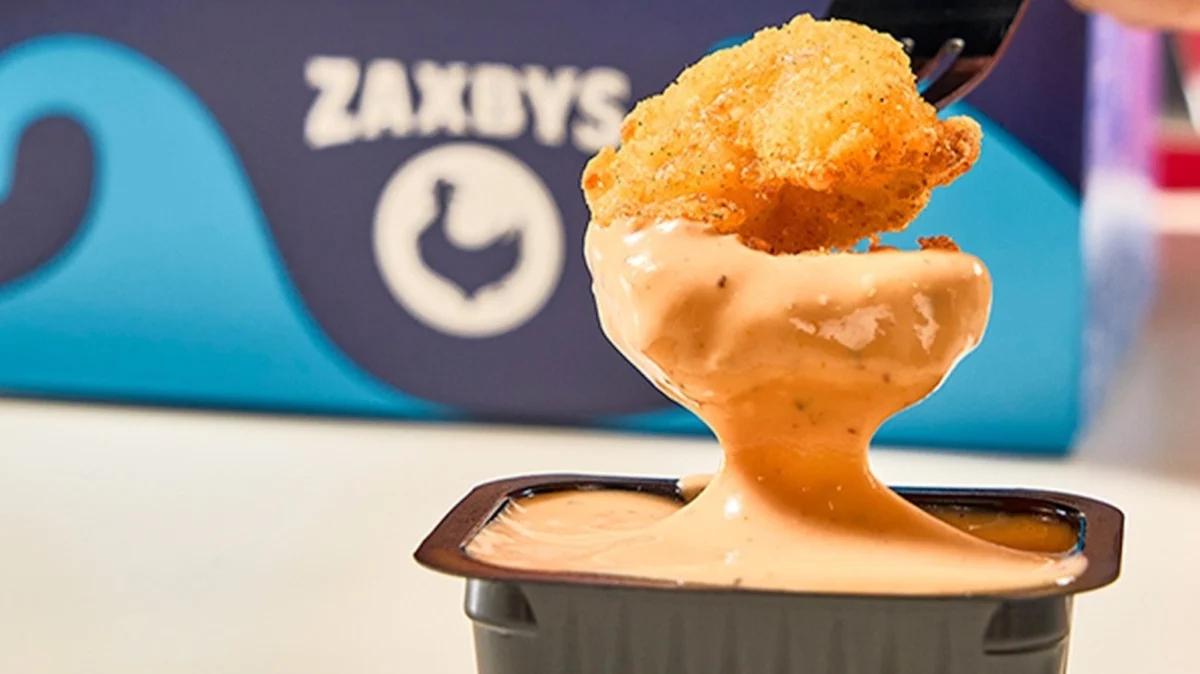
The enduring appeal of Zaxby’s Zax Sauce has solidified its status as a beloved condiment, particularly within the fast-casual dining landscape. This signature sauce, a creamy, tangy concoction with a subtle sweetness and a zesty kick, has garnered a dedicated following, with fans frequently expressing their adoration on social media platforms. While Zaxby’s offers its iconic sauce for purchase in select retail locations, such as Walmart, a growing interest in replicating its distinctive flavor profile at home has emerged. This trend is fueled by convenience, the desire for customization, and the accessibility of common pantry staples, enabling culinary enthusiasts to recreate the Zax sauce experience without ever leaving their kitchens.
The Genesis of Zax Sauce and its Culinary Significance
Zaxby’s, a popular American fast-food chain founded in 1990 in Statesboro, Georgia, has built a significant portion of its brand identity around its distinctive chicken offerings and accompanying sauces. Among these, Zax Sauce stands out as a cornerstone of its menu. The sauce’s versatility is a key factor in its widespread appeal. It serves as an ideal accompaniment to classic chicken tenders and fries, offering a counterpoint to the savory fried elements. Furthermore, its creamy texture and balanced flavor profile make it a welcome addition when drizzled over salads, elevating a simple dish into something more complex and satisfying.
The sauce’s precise composition has remained a closely guarded secret by the Zaxby’s corporation, a common practice in the competitive fast-food industry where proprietary recipes contribute significantly to brand differentiation and customer loyalty. However, the very act of keeping such a popular recipe under wraps often sparks a wave of culinary detective work from home cooks and food bloggers. This pursuit of the "perfect copycat" recipe is not merely about replicating taste; it’s about understanding the interplay of ingredients that create a beloved flavor. The Zax Sauce, with its reputation for being "hitting different," as one TikTok user aptly described it, represents a culinary challenge and an opportunity for culinary exploration for those who appreciate its unique characteristics.
Decoding the Zax Sauce Recipe: A Home Cook’s Guide
The beauty of a successful copycat recipe lies in its simplicity and reliance on readily available ingredients. The foundation for a homemade Zax Sauce typically involves a short list of common pantry staples, making the endeavor both accessible and cost-effective. The core components generally include mayonnaise, ketchup, seasoned salt, black pepper, garlic powder, white vinegar, and Worcestershire sauce. These ingredients, when combined in the right proportions, create a sauce that closely mirrors the taste and texture of its fast-food inspiration.
The process of creating this homemade version is straightforward, requiring only a small bowl and a whisk or spoon for thorough amalgamation. The initial mixing is crucial for ensuring that all the individual flavors meld together. However, the true magic of Zax Sauce, and many other complex sauces, often unfolds over time. The recipe’s instructions frequently emphasize the benefit of allowing the sauce to rest. This period of repose allows the flavors to deepen and harmonize, transforming a simple mixture into a more nuanced and well-rounded condiment. For those planning to serve the sauce to guests, preparing it a day in advance is a highly recommended strategy, ensuring optimal flavor development by the time it graces the dinner table.
Crafting the Perfect Balance: Ingredient Ratios and Customization
The art of recreating Zax Sauce at home extends beyond merely combining ingredients; it involves understanding the subtle nuances of flavor and the potential for personalization. A common starting point for the recipe involves a base of 1/2 cup of mayonnaise and 1/4 cup of ketchup. This ratio establishes the creamy, slightly sweet, and tomato-forward foundation. To this base, a carefully calibrated blend of seasonings is introduced. A teaspoon of freshly ground black pepper and grated onion provides aromatic depth, while a half teaspoon each of seasoned salt, garlic powder, white vinegar, and Worcestershire sauce contributes essential savory, pungent, and tangy notes.
The true advantage of a homemade sauce lies in its adaptability. The provided "starting point" is precisely that – a launchpad for culinary exploration. Individuals can and are encouraged to adjust the quantities of seasonings and spices according to their personal preferences. For those who enjoy a spicier kick, incorporating additional dashes of hot sauce or a sprinkle of red pepper chili flakes can effectively amplify the heat. The choice of mayonnaise itself can also introduce variations. Opting for a premium Japanese mayonnaise like Kewpie, known for its richer flavor and distinct umami profile, can impart a more complex and sophisticated taste.
Furthermore, the concept of an "elevated mayo" opens up a spectrum of innovative flavor possibilities. Incorporating ingredients such as rendered bacon fat can lend a smoky, savory depth. Anchovy paste, used judiciously, can introduce a subtle yet powerful umami undertone without making the sauce overtly fishy. Dijon mustard, with its sharp, piquant bite, can add another layer of complexity and tanginess. These enhancements, while deviating from a strict copycat recipe, demonstrate the potential for transforming the basic Zax Sauce formula into something entirely unique, potentially even rivaling the original in its appeal. This level of customization empowers the home cook to tailor the sauce to specific dishes or personal taste buds, a flexibility rarely afforded by mass-produced condiments.
The Broader Impact: From Fast Food Staple to Kitchen Creation
The popularity of Zaxby’s Zax Sauce and the burgeoning trend of recreating it at home highlight several significant shifts in consumer behavior and culinary engagement. Firstly, it underscores the power of brand loyalty and the emotional connection consumers can form with specific food products, even those from fast-food chains. The "cult following" mentioned in relation to Zax Sauce is a testament to how effectively a unique flavor profile can capture the public’s imagination and taste preferences.
Secondly, this phenomenon reflects a broader trend towards "foodie culture" and the democratization of culinary knowledge. Social media platforms like TikTok and Instagram have become fertile grounds for sharing recipes, cooking tips, and food reviews, empowering individuals to experiment and recreate restaurant-quality dishes in their own kitchens. The ability to access detailed ingredient lists and step-by-step instructions for virtually any dish, from gourmet meals to fast-food favorites, has significantly lowered the barrier to entry for home cooking and culinary experimentation.
Moreover, the act of making Zax Sauce at home speaks to a desire for greater control over one’s diet and dining experience. Consumers are increasingly interested in knowing what goes into their food, from the quality of ingredients to the absence of specific additives. Homemade versions offer transparency and the opportunity to use fresher, higher-quality ingredients. This is particularly relevant for individuals with dietary restrictions or specific taste preferences, who may find it challenging to find suitable options in conventional retail or restaurant settings.
The implications of this trend extend beyond individual kitchens. For the fast-food industry, the widespread replication of their signature sauces indicates both a validation of their product’s appeal and a potential challenge to their market share, albeit a minor one. It also presents an opportunity for brands to engage with their consumers on a deeper level, perhaps by releasing official recipes or offering enhanced retail versions of their popular condiments.
Storage and Culinary Applications: Maximizing the Homemade Zax Sauce
Once the homemade Zax Sauce is perfected, its utility extends far beyond its initial intended purpose. The sauce’s robust flavor profile and creamy texture make it a versatile condiment that can elevate a wide array of dishes. As previously noted, it is an excellent accompaniment to classic fried chicken tenders and French fries, fulfilling its original role with aplomb. However, its applications are by no means limited to these staples.
The sauce can be generously slathered onto sandwiches and burgers, adding a tangy, creamy counterpoint to savory fillings. It can also be incorporated into homemade coleslaw, imparting a delightful zest and richness that distinguishes it from more traditional dressings. For those seeking to infuse their weeknight meals with extra flavor, the sauce can be a welcome addition to grilled chicken dinners, providing a flavorful marinade or a finishing drizzle. It can also be used to add an unexpected twist to lunchtime BLTs, elevating this classic sandwich to new heights.
To ensure the longevity and quality of the homemade Zax Sauce, proper storage is essential. It should be kept in an airtight container and refrigerated. When stored correctly, the sauce can typically maintain its optimal flavor and texture for up to a week. This extended shelf life makes it a convenient ingredient to have on hand, ready to be deployed to enhance a variety of meals.
The enduring popularity of Zaxby’s Zax Sauce, both in its original form and as a beloved copycat recipe, underscores its status as more than just a condiment; it’s a culinary phenomenon. Its ability to inspire such dedication and creativity in home cooks is a testament to its unique flavor and its significant place in the contemporary fast-food landscape. The drive to replicate it at home is a clear indicator of its success in satisfying a craving and creating a memorable taste experience that resonates with a broad audience. The satisfaction derived from recreating such a sought-after sauce in one’s own kitchen is a significant reward, proving that sometimes, the best flavors are the ones you can make yourself.
