
Even the most conscientious consumer can feel a twinge of environmental guilt when faced with the sheer volume of sturdy, reusable containers that accompany bulk purchases from warehouse giants like Costco. While recycling is a commendable practice, the inherent durability and often appealing design of these containers present a compelling argument for a more proactive approach: upcycling. Far from being mere plastic or glass destined for the recycling bin, these vessels are ripe for reimagining, offering practical and cost-effective solutions for organization and storage throughout the home. The philosophy behind bulk buying at Costco often extends beyond simply acquiring more for less; it encompasses an opportunity to embrace resourcefulness and reduce household waste by giving these robust containers a second, purposeful life. This approach not only aligns with growing consumer interest in sustainability but also offers tangible savings by negating the need to purchase new storage solutions.
The appeal of Costco’s bulk packaging lies in its robustness. Many items arrive in glass jars that are not only functional but aesthetically pleasing, while large plastic tubs are engineered for durability, designed to withstand the rigors of transporting and preserving bulk goods. This inherent quality makes them ideal candidates for repurposing. Social media discussions and online forums frequently highlight instances where shoppers have been drawn to a product specifically for its container, even prioritizing it over the contents. This sentiment underscores the potential value embedded within these seemingly disposable packaging elements. Transforming these containers often requires minimal effort – a thorough cleaning and the removal of labels are typically the primary steps. For those seeking a more integrated look, simple customization through painting or the application of personalized labels can further enhance their utility and aesthetic appeal. The following ten ideas serve as a springboard, encouraging a creative mindset to discover even more ways to integrate these containers into everyday life, fostering a more sustainable and organized household.
Pantry Powerhouses: Transforming Glass Jars into Kitchen Canisters
The discovery of a product packaged in a reusable glass jar at Costco is akin to hitting a consumer jackpot, especially for those with an eye for organization. These glass containers, often found housing nuts like Kirkland Signature cashews, offer a significant advantage over their plastic bag counterparts. A 38-ounce glass jar, comparable to those used for cashews, can retail for upwards of $18 if purchased new. By repurposing these jars, consumers effectively receive their storage vessels for free, a testament to the value proposition of bulk buying. Costco’s consistent use of these particular cashew jars, characterized by their flat sides that allow for space-saving placement flush against each other in cabinets, has led to a loyal following of collectors who appreciate their practical design.
The process of transforming these glass jars into functional pantry canisters is straightforward. A thorough cleaning to remove any residual product is the first step. Soaking the jars in warm water typically loosens adhesive labels. For more stubborn labels, common household items like baking soda can be employed as a gentle abrasive. Notably, the black labels on the cashew jars are often cited by consumers as being particularly easy to remove, leaving minimal residue. Once cleaned and de-labeled, these jars are perfectly suited for storing a variety of dry goods, from loose nuts and seeds to grains, pasta, and even homemade granola, maintaining pantry order and reducing reliance on single-use plastic bags. This practice directly contributes to waste reduction, as these durable glass containers can be used repeatedly for years, a stark contrast to the disposable nature of many conventional food storage options.
Miniature Marvels: Repurposing Glass Dessert Containers
Costco frequently offers refrigerated desserts such as tiramisu and mousse, which are often presented in elegant, individual glass containers. These small glass vessels are too well-crafted to be discarded and have garnered a dedicated following among consumers who purchase the desserts primarily for the glassware itself. The versatility of these containers extends far beyond their original sweet contents, offering a multitude of practical applications around the kitchen and beyond.
Their compact size makes them ideal for serving beverages like water or small portions of juice and alcoholic drinks, functioning as miniature wine glasses or shot glasses. They are also perfectly suited for the concept of "mise en place," a culinary term referring to the preparation and organization of ingredients before cooking. These small jars can hold pre-portioned chopped vegetables, herbs, or spices, streamlining the cooking process. Beyond cooking, they serve as excellent vessels for storing small snacks, individual portions of dips and sauces, or even as charming ramekins for desserts like crème brûlée or panna cotta. The convenience factor is further amplified by the fact that these containers are generally dishwasher safe, simplifying their upkeep.
The utility of these glass dessert containers transcends the culinary realm. For plant enthusiasts, they offer a stylish and practical solution for propagating cuttings on a windowsill. Their size is also well-suited for displaying small bouquets of fresh flowers or for holding herb cuttings intended for rooting. At dinner parties, these containers can be transformed into elegant place settings, each holding a miniature flower arrangement and a personalized name tag, adding a thoughtful and decorative touch to the dining experience. This repurposing not only minimizes waste but also introduces an element of bespoke charm to household and event décor.
Bulk Bin Brilliance: Large Plastic Snack Tubs for Storage Solutions
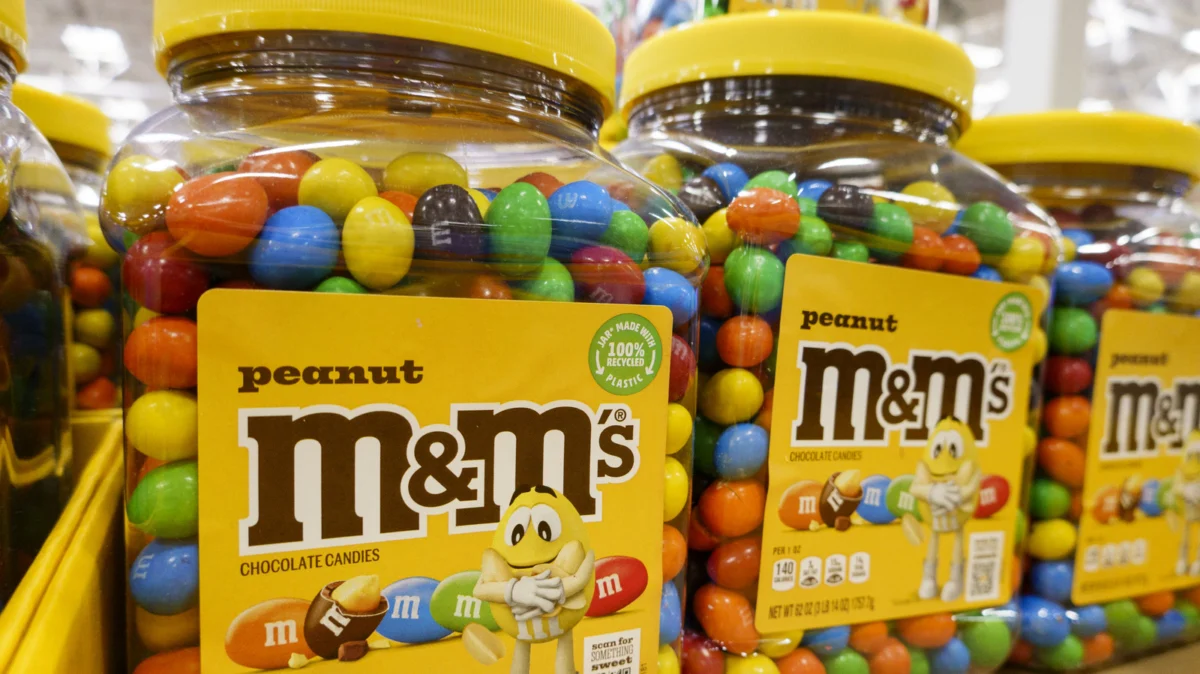
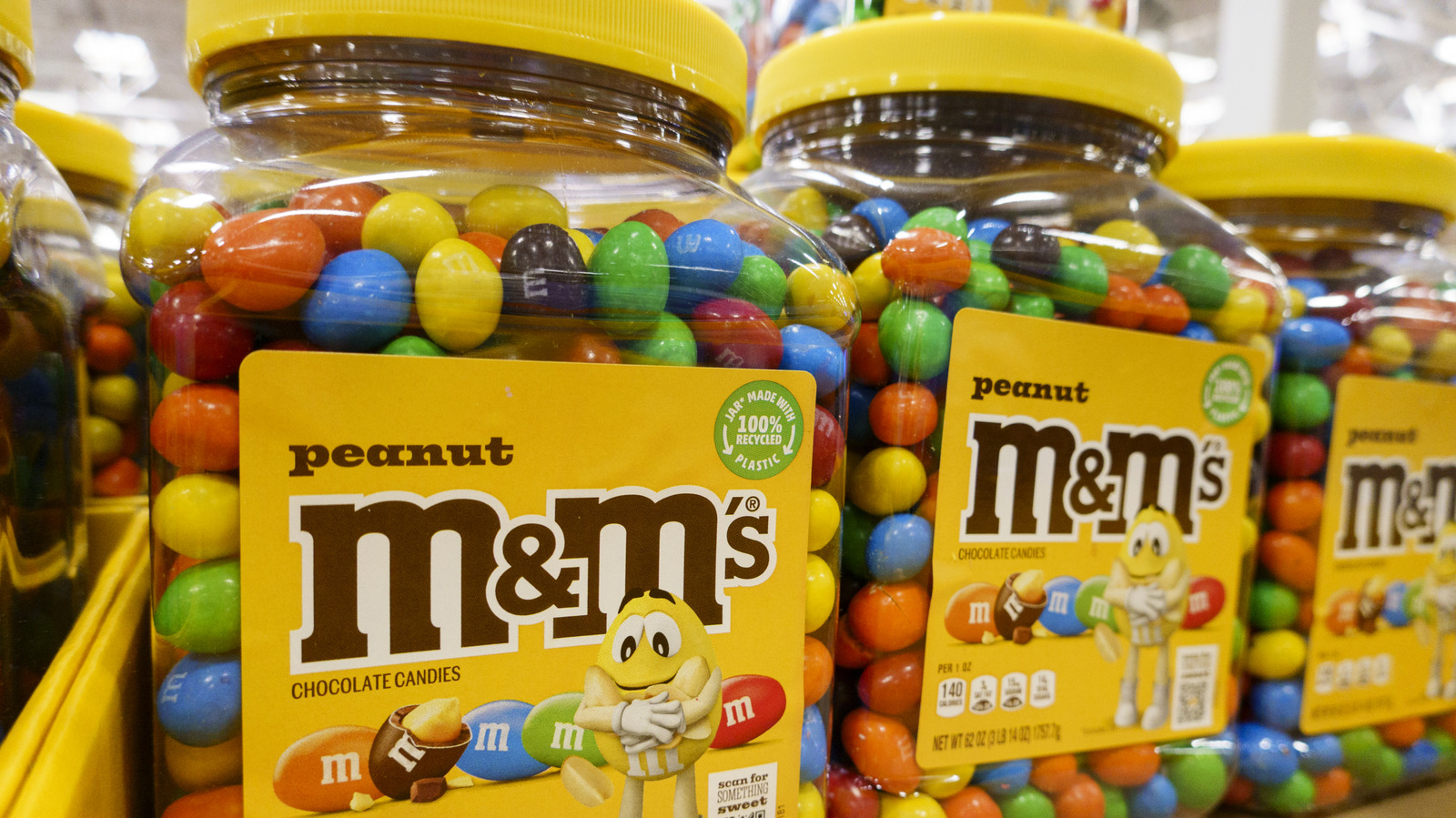
The large plastic tubs that house many of Costco’s bulk snack items are not merely disposable packaging; they are robust storage solutions waiting to be rediscovered. The sheer volume of snacks like Kirkland Signature peanut butter pretzels and Utz cheese balls often comes in these sturdy tubs with resealable lids, making them ideal for continued use around the home. Their generous capacity and durable construction lend themselves to a wide array of organizational needs.
Once emptied and thoroughly cleaned, these tubs can serve as excellent storage for a variety of bulk food items. Their airtight seals help maintain freshness, making them perfect for staples such as flour, oats, rice, dried beans, pet food, and even homemade popcorn. Storing bulk rice, a common Costco purchase, in one of these tubs eliminates the need to repeatedly dip into a large bag, which can be cumbersome and prone to spills. Some consumers have also found success using these tubs for freezing items, such as pre-portioned smoothie ingredients or homemade broth.
Beyond food storage, these versatile tubs extend their utility to non-food items. They can effectively store pantry overflow, seasonal decorations, or even craft supplies. For those seeking to declutter, these tubs are ideal for organizing items in garages, workshops, or closets. Customers have reported using them to store everything from spare scarves and winter accessories to an ever-growing collection of plastic grocery bags, demonstrating their adaptability to diverse household needs. The square or rectangular shapes of some of these tubs, such as those that hold animal crackers, further enhance their storage efficiency by allowing them to be neatly arranged side-by-side on shelves, maximizing available space.
Miniature Ecosystems: Creating Terrariums from Plastic Snack Tubs
The large plastic snack food tubs from Costco possess a unique potential that extends beyond conventional storage: they can be transformed into captivating terrariums. The rounded front and back, coupled with straight sides, of containers like those used for Utz cheese balls, offer an intriguing canvas for creating a miniature self-contained ecosystem. This creative reuse taps into the growing popularity of indoor gardening and biophilic design.
Constructing a terrarium within these tubs requires a layered approach to ensure proper drainage and plant health. Since the tubs lack pre-drilled drainage holes, a foundation of small rocks or pebbles is essential to create a reservoir for excess water. This is followed by a layer of activated charcoal, which plays a crucial role in filtering impurities and preventing the buildup of fungi and odors in the moist environment. A layer of moss then separates the charcoal from the potting soil, providing a stable base for plant roots.
A wide variety of plants can thrive in a terrarium, including miniature orchids, begonias, ferns, and small ivy varieties, chosen for their tolerance to high humidity and low light conditions. Once the plants are established, the terrarium can be further personalized with decorative elements such as small figurines, polished stones, or driftwood, adding a touch of whimsy and artistic flair. In the spirit of upcycling, many individuals have embraced the practice of sourcing materials from their own yards for terrarium construction. Rocks from driveways, soil from neglected plant pots, and even found mosses and grasses can be incorporated, making this a fun and educational activity for both children and adults, further reinforcing the principles of waste reduction and resourcefulness.
Festive Fancies: Repurposing Holiday Popcorn Tins
The iconic large popcorn tins that appear at Costco during holiday seasons, particularly around Valentine’s Day and Christmas, are often a source of delight. However, once the last kernel of popcorn is enjoyed, the festive-themed containers can present a decorative dilemma. While their holiday imagery, such as nutcrackers or seasonal motifs, can be charming, it can also make them challenging to integrate into year-round décor. Nevertheless, these tins offer significant potential for creative repurposing, and their holiday themes can even inspire new uses.
One straightforward application is to continue their festive role by using them to store holiday decorations. This is particularly advantageous for items stored in attics or garages, as the metal construction of the tins can offer better protection against pests like mice compared to cardboard boxes. The tins also serve as attractive and unique gift packaging. Instead of traditional wrapping paper, a popcorn tin can be used to present a thoughtful gift, perhaps with a small bag of popcorn included to manage expectations.
For those who wish to move beyond the holiday aesthetic, the tins can be easily transformed. A coat of paint can completely alter their appearance, or they can be covered with fabric or decorative paper to match any home décor style. Common repurposing ideas include using them for bulk food storage, similar to the plastic tubs, for items like rice, pasta, or dog food. Others have found that by removing the lid, these tins can be converted into functional trash receptacles for offices, craft rooms, or even garages. This adaptability ensures that these once-seasonal containers can contribute to household organization throughout the year.
Garden Starters: Costco Plastic Fruit and Vegetable Containers as Seed Starters
For avid gardeners, the quest for suitable seed-starting containers is a recurring one. While Costco’s rotisserie chicken containers were once a popular choice, their replacement with plastic bags has shifted focus to other readily available packaging. The plastic fruit and vegetable containers found in abundance at Costco present an excellent and eco-friendly alternative for nurturing seedlings.
Any clear plastic container that previously held fruits or vegetables can be adapted for this purpose. This includes mushroom boxes, berry clamshells, and salad containers. The clamshell varieties are particularly advantageous, as their hinged lids create a mini-greenhouse effect, trapping moisture and promoting germination. The condensation that forms on the lid helps maintain a humid environment essential for young plants. A standout option is the plastic apple container, which features individual compartments designed for each apple. These compartments, when used for seeds, provide up to 12 distinct planting cells, complete with a domed lid that mimics the protective cover of a greenhouse.
To optimize these containers for seed starting, a simple yet effective method involves stacking two containers. The top container is filled with potting soil and has drainage holes punched in the bottom, allowing for bottom watering. The intact bottom container serves as a water reservoir, collecting excess moisture and preventing waterlogged soil. For plants that thrive in consistently moist conditions, additional holes can be added to the sides of the top container to enhance moisture retention. Small holes at the top of the lid can also be incorporated to prevent overheating within the humid environment, ensuring optimal conditions for robust seedling growth. This practice diverts plastic from landfills and provides a cost-effective solution for home gardeners.
Sweet Savings: Repurposing Pie and Quiche Trays for Treats
The convenience of purchasing pre-made pies and quiches from Costco is undeniable, but the accompanying plastic trays and clamshell packaging often end up in the trash. However, these components offer a surprisingly practical solution for storing and transporting baked goods, transforming them into dedicated cookie and treat trays. The dual-layer protection of the pie or quiche tray, often encased in a plastic clamshell, is ideal for keeping cookies fresh and safeguarding them from damage during transit.
Even if the metal pie tin is discarded, the plastic clamshell itself is a valuable asset. For instance, the large 54-ounce banana cream pies often come in trays that can comfortably hold more than a dozen cookies. The clamshell design ensures that treats remain protected from external elements and potential pests. To further enhance the longevity of cookies, a classic baking tip is to include a slice of bread in the tray; the bread’s moisture will help keep the cookies soft.
These pie and quiche trays are also designed for efficient storage. Their stackable nature means that once a few are accumulated, they can be readily available for any occasion requiring the transport of treats. Whether heading to a potluck, a bake sale, or simply sharing homemade goodies with friends and family, these repurposed trays offer a convenient and sustainable alternative to disposable packaging. Their reusability reduces waste and saves consumers money by eliminating the need for dedicated treat containers.
Organized Spaces: Stacking Cold Cut Containers for Room Organization
Plastic containers that once held deli meats at Costco, particularly those with stackable designs, present an overlooked opportunity for household organization. While not all deli meat packaging is created equal, brands like Hillshire Farm often utilize containers that can be neatly stacked, offering a modular system for tidying up various spaces. The clarity of these containers allows for easy identification of contents, and for those who prefer a more uniform look, the application of labels further enhances their organizational utility.
After a thorough washing, these containers are ready to be deployed in a multitude of organizational roles. Their stackable nature makes them ideal for maximizing vertical space in closets, drawers, or on shelves. For craft enthusiasts, they can be used to sort and store an array of supplies, from beads and threads to small tools and embellishments. This compartmentalization makes it easier to find specific items and keeps workspaces tidy.
Parents can leverage these containers to organize children’s rooms, grouping similar toys together to create designated zones for building blocks, action figures, or art supplies. This not only contributes to a tidier environment but also helps children learn to sort and manage their belongings. The versatility of these containers means they can be adapted to almost any organizational challenge, from storing spare batteries and hardware in a garage to corralling small accessories in a bathroom. Their reusability, combined with their practical design, makes them a valuable, albeit humble, tool for achieving a more organized home.
Pourable Possibilities: Repurposing Coffee Creamer Containers
The empty plastic containers from coffee creamers, often overlooked as mere waste, hold surprising potential as practical storage solutions. Once their original purpose is served, these containers can be ingeniously repurposed for pourable bulk storage, accommodating both food and non-food items. The key feature that makes them so useful is their pour spout, which allows for controlled dispensing of contents, provided the items fit through the opening.
Popular brands like Nestle Coffee-Mate offer containers that are particularly well-suited for this transformation. The process involves carefully peeling off the shrink-wrapped label that encases the container, revealing a clean vessel ready for its second life. If the container is transparent, it offers the added benefit of allowing users to easily see the contents, further enhancing its practicality.
These repurposed creamer containers are ideal for storing a variety of dry goods that can be poured. This includes staples like popcorn kernels, chocolate chips, candy, rice, quinoa, nuts, sugar, and dried beans. The controlled pouring mechanism prevents spills and makes portioning much simpler. For consumers concerned about potential microplastic transfer from recycled materials into food, these containers can also be effectively utilized for non-food items. Craft supplies such as beads, pom-poms, and paper clips fit well within their confines. Their tall, slender shape also makes them suitable for storing items like paintbrushes or organizing hardware such as nails, screws, nuts, and bolts in a garage or workshop. This repurposing initiative transforms a common household item into a functional and sustainable storage solution.
Cardboard Creations: Large Fruit Boxes for Organizers or Pet Beds
The large cardboard boxes that accompany bulk fruit purchases from Costco often leave consumers pondering their ultimate fate. While many are inevitably recycled, these sturdy boxes offer a wealth of untapped potential for creative reuse, serving as versatile organizers or even comfortable pet beds. Their substantial size and durable construction make them ideal for a variety of household applications, moving beyond their initial role as protective packaging.
One straightforward repurposing idea is to utilize these boxes for toy storage, whether for indoor playrooms or for outdoor toy bins. Their generous dimensions can accommodate a large volume of toys, helping to keep play areas tidy. Another practical application is to place them on pantry shelves or other accessible surfaces to store grab-and-go snacks, making it easy for family members to select their preferred items. For those who appreciate enhanced organization, these boxes can be modified by adding internal compartments using smaller boxes or cardboard dividers. This creates a customized organizational system for items like keys, wallets, sunglasses, and other essentials that are typically placed near an entryway, helping to declutter personal spaces.
Beyond organizational purposes, these cardboard boxes can be transformed into cozy resting spots for small pets. By adding a soft blanket or cushioning inside, the box becomes an inviting bed for a cat or small dog. This provides a dedicated and comfortable space for pets to relax and sleep. For those seeking a more refined aesthetic, the exterior of the cardboard boxes can be enhanced. Painting the surfaces, covering them with decorative wrapping paper, or adhering fabric can elevate their appearance, allowing them to seamlessly integrate into home décor. The extent of customization is limited only by one’s imagination, turning utilitarian packaging into functional and attractive household assets.
