
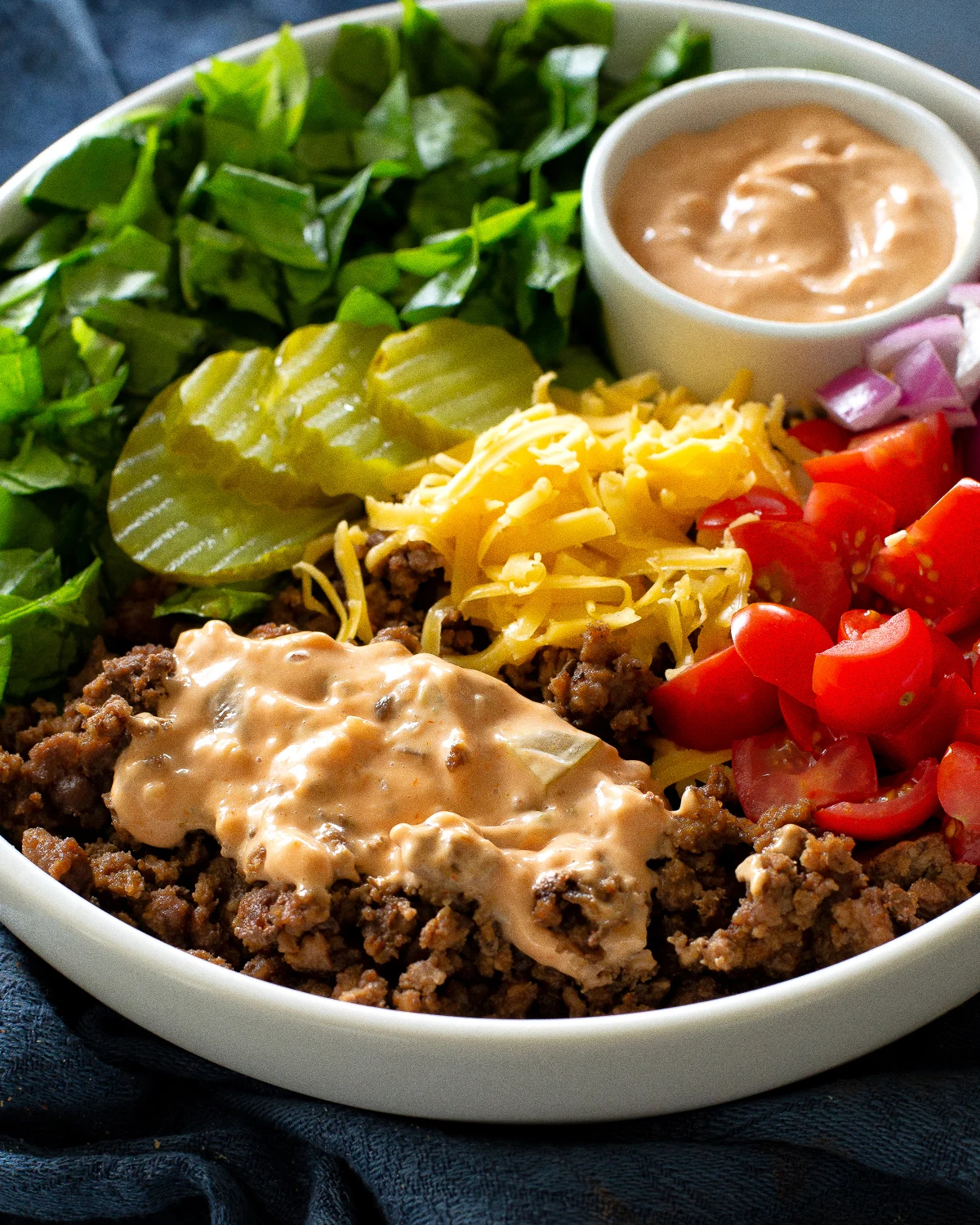
Burger Bowls, a culinary creation featuring seasoned ground beef crowned with fresh tomatoes, crisp pickles, sharp onions, and melted cheddar cheese, are rapidly gaining traction as a popular and satisfying meal option. The secret ingredient, a signature burger sauce, elevates these bowls to mimic the beloved taste of fast-food favorites, all while offering a lighter, bun-free alternative. This innovative dish reimagines the classic cheeseburger, presenting its beloved components in a fresh, flavorful bowl that appeals to a wide range of palates and dietary preferences.
The genesis of the Burger Bowl, as detailed by its proponents, stems from a desire to capture the essence of a traditional burger without the constraints of a bun. This approach allows for a greater emphasis on the quality of the ingredients and the harmonious blend of textures and tastes. The seasoned ground beef forms the hearty foundation, while the fresh, vibrant toppings add layers of crunch, acidity, and savory notes. The inclusion of a creamy, house-made burger sauce provides a familiar, comforting, and deeply flavorful finish, reminiscent of the satisfying experience of enjoying a fast-food burger, but with the added benefit of customizable ingredients and a potentially healthier preparation.
Evolution of a Comfort Food Favorite
The concept of deconstructing familiar dishes into bowl formats has seen a significant surge in popularity over the past decade. This trend is driven by a confluence of factors, including a growing interest in healthier eating habits, a demand for convenient and portable meal solutions, and the increasing desire for customizable dining experiences. The Burger Bowl perfectly embodies these contemporary culinary trends, offering a familiar flavor profile in a format that is both adaptable and appealing.
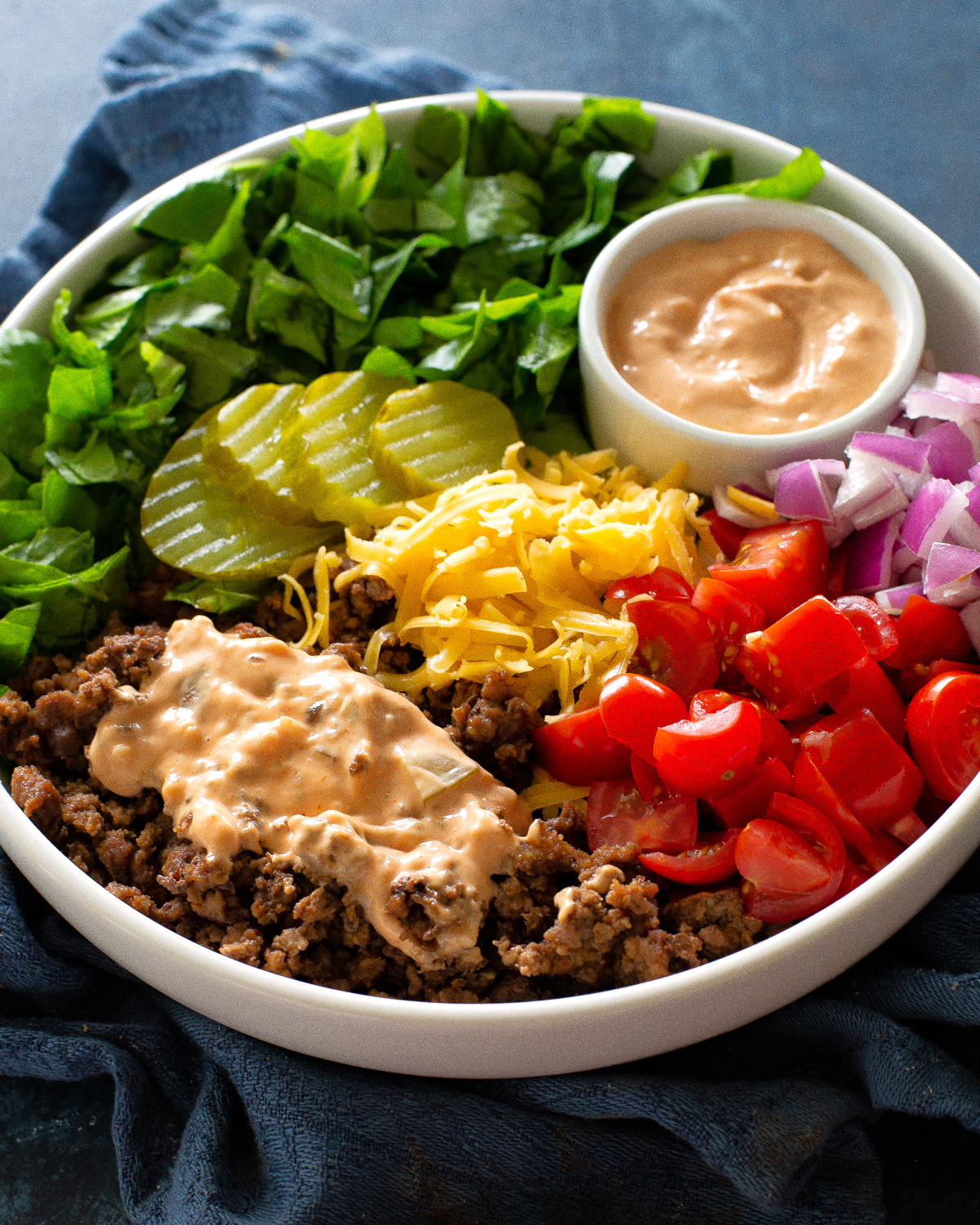
Early iterations of bunless burgers and "lettuce wraps" paved the way for more sophisticated bowl concepts. As consumers became more health-conscious and sought to reduce carbohydrate intake, chefs and home cooks alike began exploring ways to enjoy the flavors of their favorite dishes without traditional bread components. The Burger Bowl emerged as a natural evolution, allowing for a generous assembly of burger essentials – the juicy, seasoned patty, the tangy pickles, the sharp onions, the sweet tomatoes, and the gooey cheese – all brought together by a delectable sauce.
The appeal of the Burger Bowl is further amplified by its inherent versatility. While the core components remain consistent, the dish lends itself to a multitude of variations. For instance, the addition of french fries, as alluded to by some enthusiasts, transforms the bowl into an even more indulgent experience, particularly for younger diners. Other potential additions could include crispy bacon, sautéed mushrooms, caramelized onions, avocado, or a variety of cheeses, allowing each individual to tailor the bowl to their specific preferences. This adaptability makes the Burger Bowl a dynamic dish, capable of satisfying diverse cravings and dietary needs.
The Anatomy of a Perfect Burger Bowl
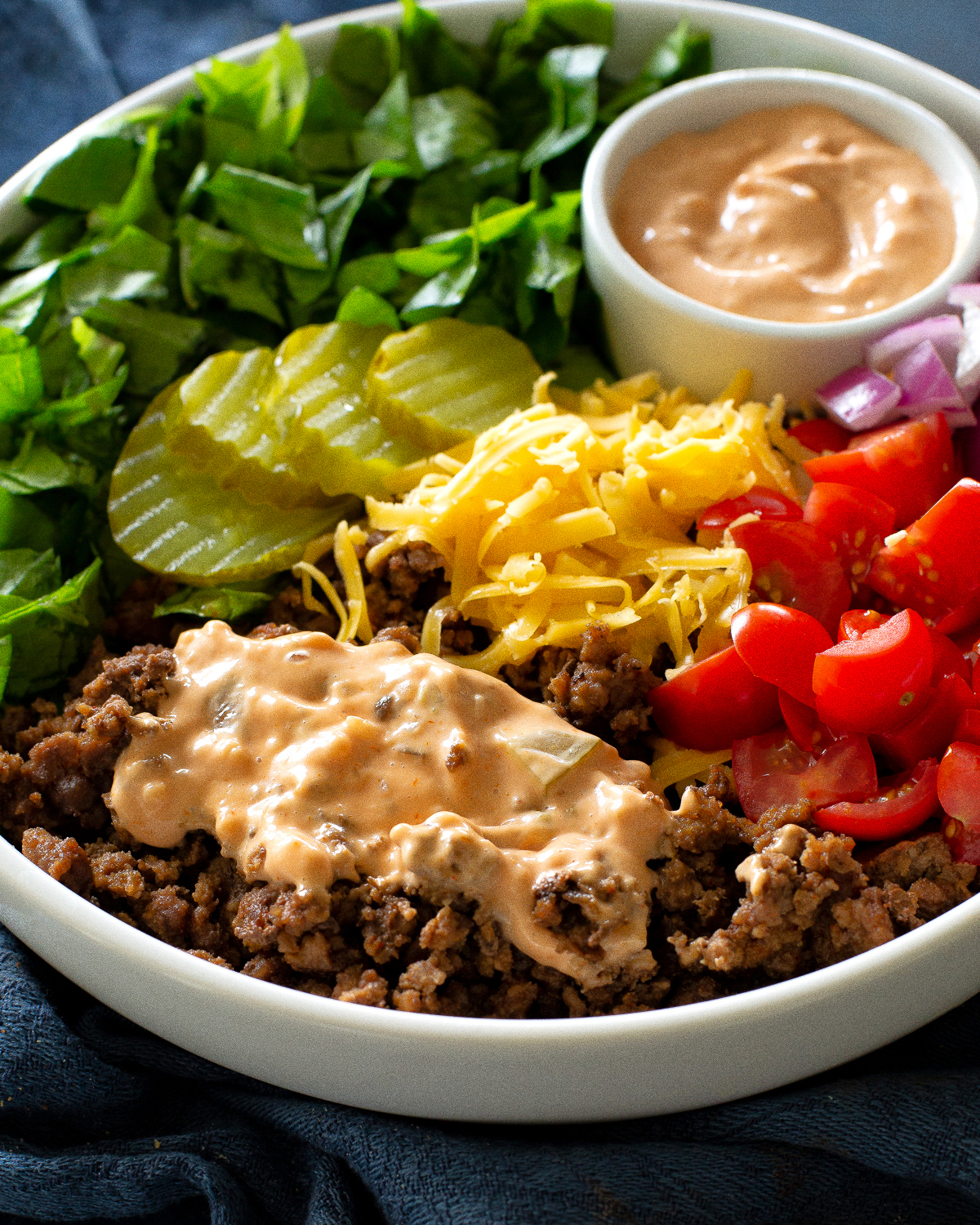
The foundation of a successful Burger Bowl lies in the quality and preparation of its core components. The seasoned ground beef, typically a blend of high-quality chuck or sirloin, is crucial. The seasoning often includes salt, pepper, and sometimes garlic powder or onion powder, to enhance the natural flavor of the meat. The cooking method is vital to achieve a juicy, flavorful patty, whether it’s pan-seared, grilled, or baked.
The toppings play an equally important role in creating a balanced and texturally interesting dish. Diced ripe tomatoes provide a burst of freshness and a hint of sweetness. Dill pickles offer a crucial tangy counterpoint, cutting through the richness of the beef. Finely chopped raw or grilled onions add a pungent depth of flavor, while shredded or melted cheddar cheese brings a creamy, savory element.
However, the unifying force that elevates a collection of ingredients into a true Burger Bowl is the sauce. A well-crafted burger sauce, often a mayonnaise-based concoction with ketchup, mustard, vinegar, and a touch of sweetness, provides the signature flavor that evokes the nostalgic taste of a classic fast-food burger. This sauce not only binds the ingredients together but also adds a creamy richness that complements the other elements.
Nutritional Considerations and Broader Impact
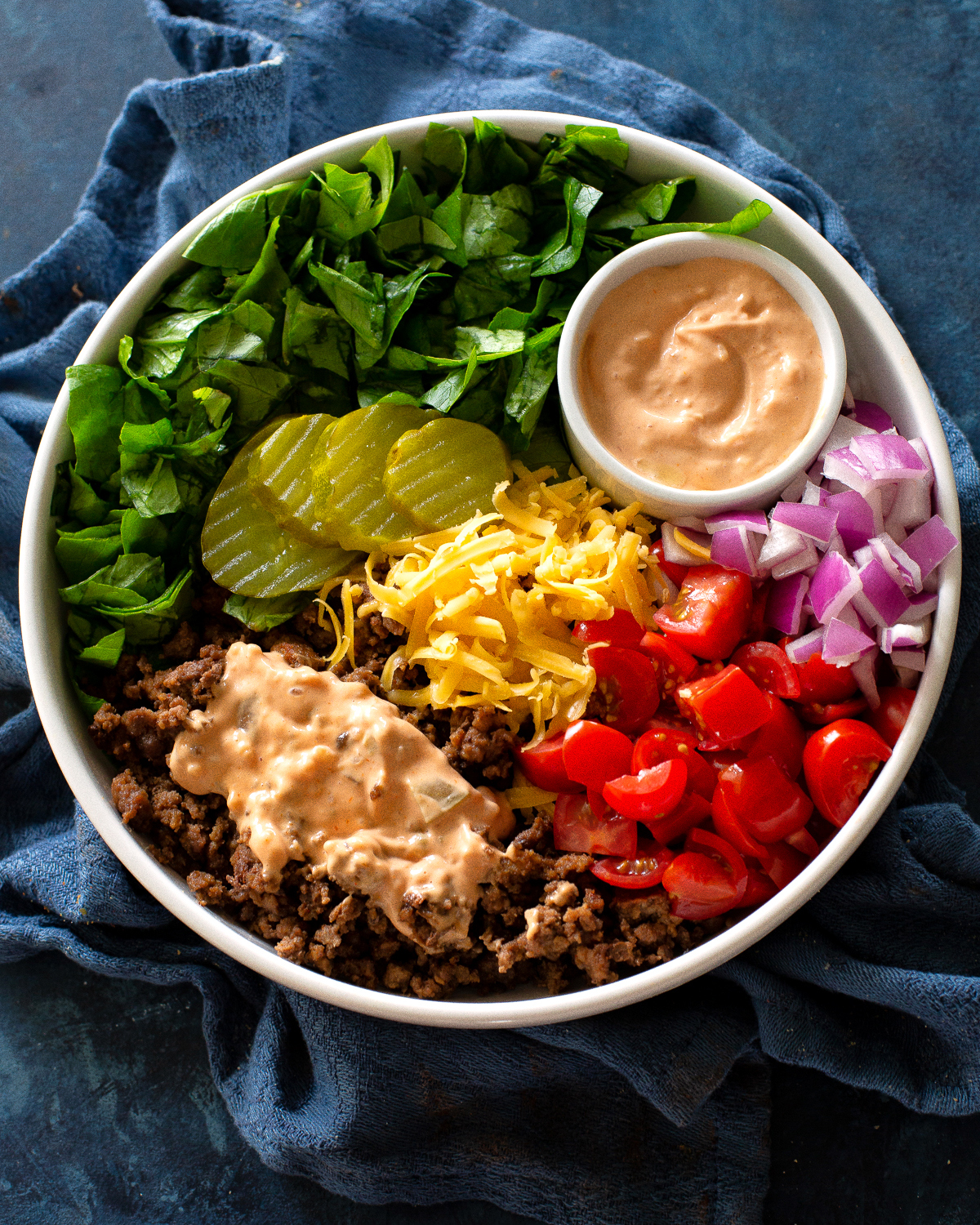
From a nutritional perspective, the Burger Bowl offers several advantages over its traditional counterpart. By eliminating the bun, which can contribute a significant amount of carbohydrates and calories, the Burger Bowl can be a more calorie-conscious choice. The focus shifts to the protein-rich beef and the nutrient-dense fresh vegetables.
According to available nutritional data, a typical Burger Bowl serving (approximately one-quarter of a recipe designed for four) can contain around 565 calories. This is broken down into approximately 32 grams of protein, 42 grams of fat, and 14 grams of carbohydrates. The fat content includes a notable amount of saturated fat (around 13g), but also significant amounts of polyunsaturated (13g) and monounsaturated fats (12g), offering a more balanced fat profile than some traditional preparations. The bowl also provides a substantial amount of potassium (820mg) and Vitamin A (6954 IU), alongside fiber and other essential vitamins and minerals, underscoring its potential as a nutrient-rich meal.
The widespread adoption of dishes like the Burger Bowl reflects a broader societal shift towards more mindful eating. As consumers become increasingly aware of the impact of their food choices on their health and the environment, the demand for adaptable, wholesome, and flavorful meals continues to grow. The Burger Bowl, with its customizable nature and familiar yet refined taste, is well-positioned to remain a staple in home kitchens and on restaurant menus for the foreseeable future. Its success highlights the enduring appeal of classic flavors, reimagined for the modern palate.
