
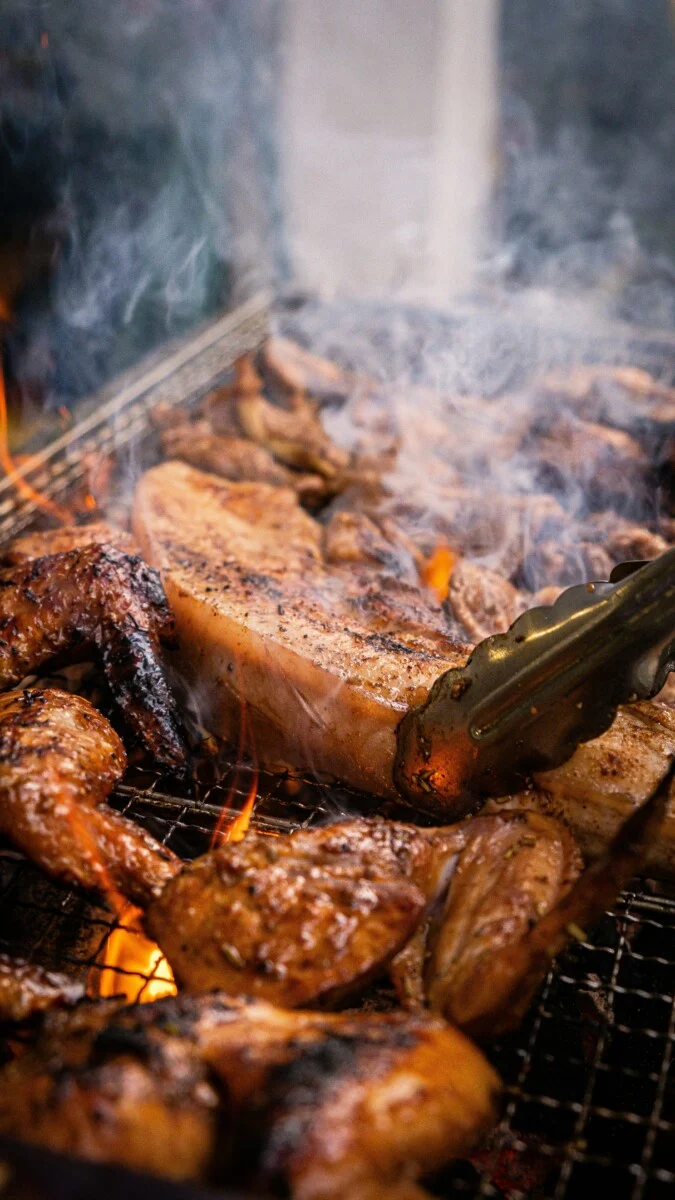
The pursuit of perfectly barbecued meat is a culinary journey undertaken by enthusiasts and home cooks alike, a quest to transform raw ingredients into succulent, flavourful masterpieces that delight guests and elevate outdoor gatherings. Despite its widespread appeal, achieving consistently outstanding results can be challenging, often leading to common pitfalls like dry chicken or charred burgers. Mastering the art and science of grilling requires attention to detail and adherence to proven techniques that go beyond simply placing meat over heat. This comprehensive guide delves into the fundamental strategies employed by seasoned pitmasters and culinary experts to ensure every bite is juicy, tender, and infused with rich flavour.
The Foundation of Flavor: Selecting Premium Cuts
The journey to exceptional barbecued meat begins long before the grill is lit – it starts with the careful selection of the meat itself. The quality of the raw product is paramount, directly influencing the final taste, texture, and juiciness. Opting for cheaper, lower-grade supermarket cuts often compromises on flavour and tenderness. Instead, discerning grillers prioritize sourcing from reputable local butcher shops or specialized online butchers, which typically offer higher-grade selections. For quick, high-heat grilling methods, such as searing steaks or chops, thick, tender cuts with good marbling are ideal. Marbling, the intramuscular fat, renders during cooking, basting the meat from within and contributing significantly to moisture and flavour. Cuts like ribeye, sirloin, and pork chops benefit immensely from this approach.
Conversely, for low-and-slow smoking techniques, which can span several hours, cuts with abundant connective tissue and a higher fat content are preferred. Brisket, pork shoulder (for pulled pork), and ribs, for instance, thrive under extended cooking. The slow application of heat gradually breaks down tough collagen into gelatin, transforming a seemingly tough cut into melt-in-your-mouth tenderness. The fat content in these cuts is crucial for maintaining succulence throughout the long cooking process, preventing the meat from drying out. Understanding the characteristics of different meat types and matching them to appropriate cooking methods is a foundational principle of superior barbecuing. Research into specific cooking times and internal temperature guidelines for various meats – from beef and pork to poultry and even fish – is indispensable for both safety and optimal flavour. The global meat market, valued at over a trillion dollars annually, reflects a growing consumer demand for quality and transparency, with specialty butchers and online platforms experiencing significant growth, highlighting the public’s increasing focus on premium sourcing.

The Science of Tenderness: The Overnight Dry Brine
One of the most transformative yet often overlooked techniques in the pursuit of tender, flavourful barbecued meat is dry brining. This method involves generously salting meat 8 to 12 hours before cooking, allowing it to rest uncovered in the refrigerator. The process, often employed in high-end restaurants, yields results far superior to simply salting just before grilling. The science behind dry brining is fascinating and highly effective. Initially, the salt draws moisture out from the meat through osmosis. This moisture then dissolves the salt, creating a concentrated brine on the surface. Over several hours, this saline solution is reabsorbed back into the meat, carrying the salt deeper into the muscle fibers.
Beyond enhancing flavour, the salt actively works to denature proteins within the meat. This process loosens the muscle fibers, resulting in a more tender product. Furthermore, the altered protein structure allows the meat to retain more moisture during cooking, significantly reducing the likelihood of a dry outcome. When grilled, the salted surface promotes the Maillard reaction – the complex chemical process responsible for the desirable browning and development of rich, savoury flavours – leading to a beautifully caramelized crust while preserving a remarkably juicy interior. This technique applies effectively to various meats, including steaks, roasts, poultry, and pork. While wet brining also adds moisture and flavour, dry brining excels at creating a superior crust and concentrated flavour without diluting the meat’s natural juices. The meticulous preparation of meat through techniques like dry brining underscores the blend of culinary art and food science essential for achieving barbecue excellence.
The Essence of BBQ: Mastering Smoke Infusion
The distinctive, irresistible flavour of barbecued food is largely attributed to the smoke it absorbs during cooking. Far from being a mere byproduct, smoke can be intentionally flavoured and controlled to impart specific aromatic notes that complement different meats. This technique transforms a simple cooking process into an intricate culinary art form. The choice of wood is critical, as each variety contributes a unique flavour profile. Hickory, known for its strong, bold, and bacon-like flavour, is a classic choice for beef, particularly brisket and ribs, delivering a robust and deeply smoky character. Mesquite, even more intense and earthy, is another favourite for dark meats, providing a profound, sometimes pungent, smoky essence that defines many Southwestern barbecue traditions.

For lighter meats like pork, poultry, and even some fish, fruitwoods such as apple and cherry offer a subtle sweetness and milder smoke. Applewood imparts a delicate, fruity flavour, while cherrywood provides a slightly richer, sweet, and somewhat tart note, often resulting in a beautiful mahogany colour on the meat. Oak is a versatile option, offering a medium-intensity smoke that pairs well with almost any meat. For those using gas grills, achieving a smoky taste is still possible by soaking wood chips in water (to slow down burning) and placing them in a smoker box or a foil packet directly on the grates or heat deflector, allowing them to smolder and release their aromatic compounds. Crucially, the goal is to produce a thin, almost invisible "blue smoke," which indicates clean combustion and desirable flavour. Billowing, thick white smoke signifies incomplete combustion and can impart a bitter, acrid taste to the food. Maintaining a controlled, low smoke environment is key to infusing food with a smoky depth that enhances rather than overwhelms its natural flavours. The global market for wood chips and pellets for smoking has seen consistent growth, indicating a widespread adoption of this sophisticated flavouring technique among barbecue enthusiasts.
The Art of the Finish: Strategic Glaze Application
Glazing meat with barbecue sauce is a popular technique for adding a delectable, sticky coating that enhances flavour and visual appeal. However, the timing of glaze application is a critical factor often misunderstood by amateur grillers. A common mistake is to apply the glaze too early in the cooking process, particularly if the sauce contains sugar. Sugars caramelize and eventually burn at relatively low temperatures, leading to a charred, bitter crust rather than a sweet, tangy, or savoury coating. To achieve the desired warm, sticky, and glossy finish, glazes should be applied only during the final few minutes of cooking.
This late application allows the sugars in the sauce to caramelize without scorching, creating a beautiful sheen and concentrated flavour. It is advisable to apply glazes in very thin layers using a brush, building up the coating gradually rather than slathering on thick amounts. This approach ensures even cooking and prevents excessive burning. The variety of glazes available is vast, ranging from classic tomato-based sweet and tangy sauces to vinegar-based, mustard-based, or even fruit-infused options. While numerous high-quality pre-made sauces are available on the market, many pitmasters pride themselves on crafting their own unique glaze recipes, often incorporating regional spices, fruit purees, and various sweeteners to achieve a signature flavour profile. The market for barbecue sauces alone is a multi-billion dollar industry, reflecting the diverse preferences and the integral role glazes play in barbecue cuisine. The strategic application of glaze is a testament to the precision required to elevate barbecued meat from good to truly exceptional.

Dynamic Grilling: The Myth of the Single Flip
For decades, a pervasive myth in grilling culture dictated that meat should only be flipped once during cooking. However, modern culinary understanding and extensive experimentation by professional chefs and pitmasters have debunked this notion, revealing that frequent flipping is, in fact, a superior technique for most grilling scenarios. Turning your meat every few minutes promotes more even cooking by preventing hot spots from excessively drying out one side while the other remains undercooked. This constant rotation ensures that both sides are exposed to consistent heat, leading to a more uniformly cooked interior.
Beyond even cooking, frequent flipping significantly aids in the development of a consistent, appealing crust across the entire surface of the meat. Each turn allows a fresh surface to interact with the hot grates, fostering the Maillard reaction and building layers of flavourful caramelization without burning. Crucially, when flipping, always use tongs instead of a fork. Piercing the meat with a fork creates punctures from which precious internal juices can escape, leading to a drier product. Tongs allow for a firm, gentle grip that preserves the integrity of the meat. While frequent flipping is beneficial for steaks, burgers, and smaller cuts cooked over direct, high heat, the frequency can be reduced for larger cuts undergoing slow cooking or smoking, where the goal is a more gradual temperature rise and smoke absorption. This technique, validated by countless professional kitchens and backyard barbecues, represents a subtle yet impactful shift in grilling methodology, underscoring the continuous evolution of culinary best practices.
The Evolution of Barbecue: A Brief Chronology
The practice of cooking meat over an open flame is as ancient as human civilization itself, but the specific culinary tradition known as "barbecue" has a rich and complex history. The term itself is believed to originate from the Taíno word "barbacoa," referring to a wooden structure used for slow-cooking or smoking food over a pit in the Caribbean. Spanish explorers introduced this concept to the Americas in the 16th century.

- Pre-Columbian Era: Indigenous peoples across the Americas utilized open-pit cooking for preserving and tenderizing meats, often slow-roasting entire animals.
- 16th-18th Centuries: European colonists adopted and adapted these indigenous methods, particularly in the American South, where slow-cooked pork became a staple.
- 19th Century: Barbecue evolved into a significant social and political event in the United States, often accompanying political rallies and community gatherings. Regional styles began to emerge, influenced by local ingredients and traditions.
- Early 20th Century: The advent of charcoal briquettes (credited to Henry Ford and Ellsworth B. A. Zwoyer) made backyard grilling more accessible to the general public, moving barbecue from large communal pits to individual homes.
- Mid-20th Century: Gas grills gained popularity in the 1960s, offering convenience and control, further democratizing the grilling experience.
- Late 20th Century – Present: A renaissance in "low and slow" barbecue techniques, spurred by competitive barbecue circuits and television shows, led to increased interest in traditional methods, specialty equipment (smokers, pellet grills), and artisan meat sourcing. The market for outdoor cooking equipment alone is projected to reach nearly $7 billion globally by 2027, indicative of barbecue’s enduring popularity and innovation.
Broader Impact and Implications
The strategies outlined above not only elevate individual grilling prowess but also reflect broader trends in the culinary world and consumer behaviour. The emphasis on high-quality meat underscores a growing consumer awareness regarding food sourcing, animal welfare, and the desire for premium ingredients. This has led to a boom in ethical butchery and farm-to-table movements. The scientific principles behind dry brining and smoke flavouring highlight a sophisticated understanding of food chemistry that is increasingly being applied in home kitchens, moving beyond intuition to evidence-based cooking.
The evolution of barbecue culture, from communal necessity to a sophisticated culinary pursuit, reflects its enduring social significance. Barbecue remains a powerful catalyst for social connection, bringing families and communities together for shared meals and celebrations. The ongoing innovation in grilling technology, from smart thermometers to advanced smoker designs, further empowers enthusiasts to achieve professional-level results. As consumers continue to seek authentic flavours and elevated dining experiences at home, the mastery of these barbecue secrets ensures that the tradition of grilling remains vibrant, delicious, and deeply satisfying.
By meticulously following these expert-backed strategies—from careful meat selection and advanced preparation techniques like dry brining to the nuanced art of smoke infusion, precise glaze application, and dynamic grilling methods—anyone can significantly enhance their barbecue game. The journey to the best-tasting barbecued meat is an ongoing exploration of flavour, technique, and passion, promising delicious rewards for those willing to embrace its intricate details.
