
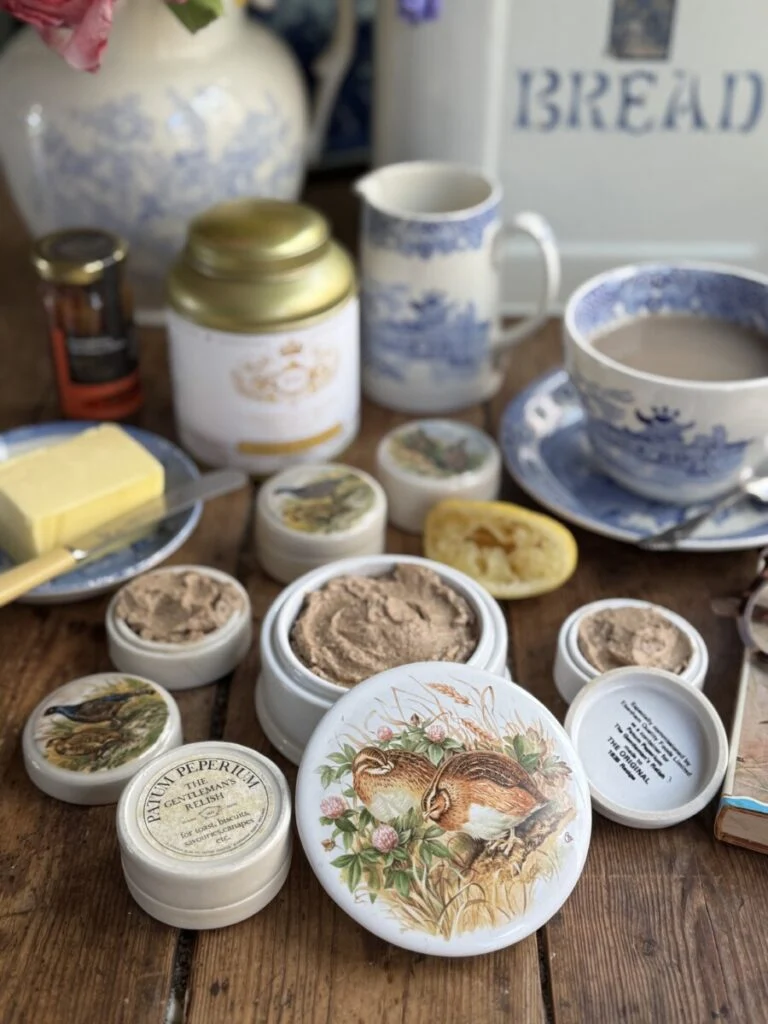
The culinary world recently buzzed with unsettling news for aficionados of traditional British fare: Patum Peperium, more famously known as Gentleman’s Relish, faced discontinuation. Produced by AB World Foods, this distinctive anchovy-based spread, a staple on British breakfast tables and in kitchens for nearly two centuries, was slated to cease production earlier this year. However, a significant wave of public sentiment and a rallying cry from its dedicated following have prompted the manufacturer to reconsider, offering a glimmer of hope for the future of this iconic condiment.

A Victorian Delicacy’s Origins: The Birth of Patum Peperium
Gentleman’s Relish boasts a rich history rooted in 19th-century Britain. First concocted in 1828 by John Osborn, a potted meat and fish paste manufacturer, its very name, "Patum Peperium," is a mock-Latin phrase translating to "pepper pâté," hinting at its robust and piquant flavour profile. The spread was formally introduced to the wider public in 1849 at the prestigious Paris Food Show, quickly establishing itself as a unique and luxurious addition to the British pantry.

In an era when potted meats and fish pastes were popular methods for preserving and consuming protein, Patum Peperium stood out. Its core ingredients—a potent blend of anchovies, butter, aromatic herbs, and spices—created a spread renowned for its intense, umami-rich taste. The "Gentleman’s Relish" moniker itself suggests its target demographic and esteemed place in society; it was often associated with gentlemen’s clubs, sophisticated breakfasts, and a discerning palate, enjoyed on hot buttered toast or as a secret ingredient to elevate savoury dishes. This deep-rooted history made its recent discontinuation announcement particularly poignant for many who viewed it as more than just a spread, but as a tangible link to Britain’s culinary heritage.
The Discontinuation Announcement: Commercial Realities vs. Heritage Value

The decision by AB World Foods to halt production of Gentleman’s Relish was attributed to commercial challenges. In an official statement, the company articulated that while the Victorian relish indeed possessed a "niche and loyal following," it regrettably lacked "wider commercial appeal." Furthermore, dwindling retailer distribution and the inability to secure a buyer for the brand rendered its continued production "no longer commercially viable." This frank assessment reflects the harsh realities faced by many heritage brands in an increasingly competitive and mass-market-driven food industry.
For a product like Gentleman’s Relish, with its strong, distinctive flavour and relatively specialized usage, maintaining shelf space against more universally appealing or trend-driven products becomes an uphill battle. The cost of production, distribution, and marketing for a niche item can outweigh the returns, leading companies to make difficult decisions that prioritize profitability. This scenario is not unique to Gentleman’s Relish; it echoes the fate of other beloved British staples, such as Bath Olivers biscuits, a favourite accompaniment for cheese that has also vanished from shelves. The potential loss of such products raises broader concerns about the erosion of national culinary identity and the challenges of preserving artisanal traditions in a globalized economy.

Public Outcry and Proactive Culinary Responses
The news of Gentleman’s Relish’s impending disappearance ignited a significant response from its dedicated consumer base. Social media platforms and online forums quickly filled with expressions of dismay, nostalgia, and a collective determination to save the spread. Retailers reported immediate sell-outs as loyal customers scrambled to acquire remaining stocks, underscoring the depth of affection for the product. The author of the original article, like many others, found herself unable to order any online due to the sudden surge in demand, highlighting the widespread nature of this consumer reaction.

Beyond individual consumers, the culinary world also registered its concern. Jeremy King, a renowned restaurateur who recently reopened the iconic Simpson’s in the Strand in London, publicly acknowledged the loss. Recognizing the relish’s importance, he instructed his chefs to develop an in-house version of the pungent anchovy-based condiment, demonstrating its value even in high-end gastronomic establishments. This proactive step by a prominent figure in the food industry further underscored the cultural and culinary significance of Gentleman’s Relish, transforming a personal lament into a broader professional commitment to preserving its essence.
A Glimmer of Hope: The Power of Consumer Advocacy

The overwhelming public reaction did not go unnoticed by AB World Foods. In a surprising and welcome turn of events, the company issued a follow-up statement, acknowledging the immense "strength of feeling" and expressing that they had been "blown away by the response from Gentleman’s Relish fans." This public acknowledgment of consumer sentiment paved the way for a potential reversal of the discontinuation decision.
AB World Foods confirmed that they are now "at the early stages of exploring options with several third parties who have expressed an interest in taking the brand forward." This development suggests that the outcry was powerful enough to prompt a re-evaluation of the brand’s commercial viability, perhaps indicating that a smaller, more specialized producer might be better positioned to cater to its niche market effectively. The incident serves as a compelling example of consumer activism’s potential to influence corporate decisions, particularly in an age where social media can amplify collective voices and generate significant pressure. The hope now is that these discussions will lead to a successful transfer of the brand, ensuring that Patum Peperium continues to grace British tables for generations to come.

The Art of Crafting Homemade Gentleman’s Relish: A Solution for Aficionados
In the interim, or should the efforts to revive commercial production falter, many enthusiasts have turned to homemade solutions. The author of the original piece, having previously faced similar unavailability during her time in France, rediscovered her own recipe for Patum Peperium, originally shared on a recipe site in 2012. This recipe offers a practical and satisfying alternative for those unwilling to live without their beloved relish.

The homemade version typically involves a straightforward process, combining key ingredients to recreate the distinctive flavour profile. Anchovies, preferably oil-packed for ease of processing, form the pungent base, blended with softened butter to create a smooth, rich paste. The addition of a small amount of breadcrumbs helps to bind the mixture and add texture, while a carefully selected blend of spices—often including cayenne pepper, mace, and nutmeg—provides the signature warmth and complexity. A dash of black pepper and a squeeze of lemon juice complete the flavour profile, adding brightness and a subtle tang. While a traditional mortar and pestle can be used to pound the ingredients into a fine paste, a small food processor offers a quicker and equally effective modern alternative. The author even suggests adding a few capers for an extra piquant kick, demonstrating the flexibility of home preparation.
One notable difference between the homemade and original commercial versions is often the colour; homemade relish tends to be paler. This discrepancy is attributed to the commercial process, which likely involves a heating stage before cooling, contributing to the darker hue. Despite this visual distinction, the flavour of a well-executed homemade Patum Peperium is reported to be remarkably similar to the original, providing a truly "fabulous" substitute.

Culinary Applications and Serving Suggestions: Beyond the Breakfast Table
Gentleman’s Relish, whether store-bought or homemade, is famed for its versatility in the kitchen, though it requires judicious use due to its potent flavour. Its most iconic application is undoubtedly on hot, buttered toast. A thin, even spread on freshly toasted white or brown bread, still warm enough to slightly melt the butter and release the relish’s aromas, creates a classic British snack or breakfast item. The intense, salty, and spicy notes provide an invigorating start to the day.

However, its utility extends far beyond toast. The relish can be a secret weapon in various savoury dishes. A small amount stirred into scrambled eggs elevates them with a complex, umami depth. It can also be incorporated into rich gravies, stews, and casseroles, where its anchovy base acts as a natural flavour enhancer, adding a subtle yet profound "kick" without overtly tasting of fish. Chefs often use anchovy paste for this very purpose, and Gentleman’s Relish serves as a more seasoned and complex version. Furthermore, it can be spread thinly on crackers as part of a cheese board, or even used as a base for canapés, offering a sophisticated and distinctive flavour profile. The key, as the author rightly advises, is to spread it sparingly; its pungency and saltiness mean a little goes a long way.
Broader Implications: Safeguarding British Culinary Heritage

The saga of Gentleman’s Relish highlights a broader issue concerning the preservation of culinary heritage in the face of modern commercial pressures. The disappearance of traditional brands, like Bath Olivers or the near-loss of Patum Peperium, represents more than just a reduction in product choice; it signifies a potential erosion of cultural touchstones and distinctive national flavours. These products are often deeply embedded in personal memories and collective identity, passed down through generations.
The initial decision to discontinue Gentleman’s Relish reflects the economic challenges faced by niche products that struggle to compete in a market dominated by mass-produced, broadly appealing items. However, the subsequent public outcry and the manufacturer’s willingness to explore options for its survival underscore the significant value consumers place on these heritage items. It demonstrates that for certain products, cultural significance can transcend purely commercial metrics, prompting companies to reconsider decisions that might otherwise seem purely logical from a business perspective. This event could serve as a precedent, encouraging greater dialogue between producers and consumers regarding the fate of beloved, albeit niche, culinary traditions. It also shines a light on the importance of supporting smaller producers or advocating for the continuation of these brands, ensuring that the unique tapestry of British food culture remains vibrant and diverse.

The Future of a Beloved Spread: A Relish Reborn?
From its invention in 1828 to its near-extinction in recent months, Gentleman’s Relish has navigated a tumultuous journey. The recent developments, spurred by an impassioned public, offer genuine hope that this venerable British condiment will not fade into history. AB World Foods’ willingness to engage with third parties signifies a recognition of the brand’s enduring cultural value, beyond its immediate commercial performance.

For enthusiasts, the possibility of Gentleman’s Relish returning to shelves is cause for celebration. In the meantime, the availability of well-tested homemade recipes ensures that its unique flavour profile can continue to be enjoyed, keeping the tradition alive in kitchens across the country. The story of Patum Peperium stands as a testament to the power of consumer voice and a reminder of the deep affection people hold for the foods that define their heritage. As discussions progress, there is cautious optimism that this iconic spread will once again become a permanent fixture, safeguarding its place in British culinary history alongside other cherished items, and perhaps inspiring renewed appreciation for other traditional condiments like Geo Watkins mushroom ketchup and anchovy sauce.
