
The humble American plum tree, Prunus americana, presents a dual benefit for home gardeners, offering both the delight of delicious, homegrown fruit and a vital habitat for a variety of butterfly species. This native North American tree, often overlooked in favor of more exotic fruit varieties, is remarkably adaptable, thriving in a range of conditions and requiring minimal maintenance, making it an ideal choice for even the most modest garden spaces. Its rapid growth and generous fruit production, coupled with its ecological significance, position the American plum as a sustainable and rewarding addition to any landscape.
A Haven for Butterflies and a Feast for the Garden
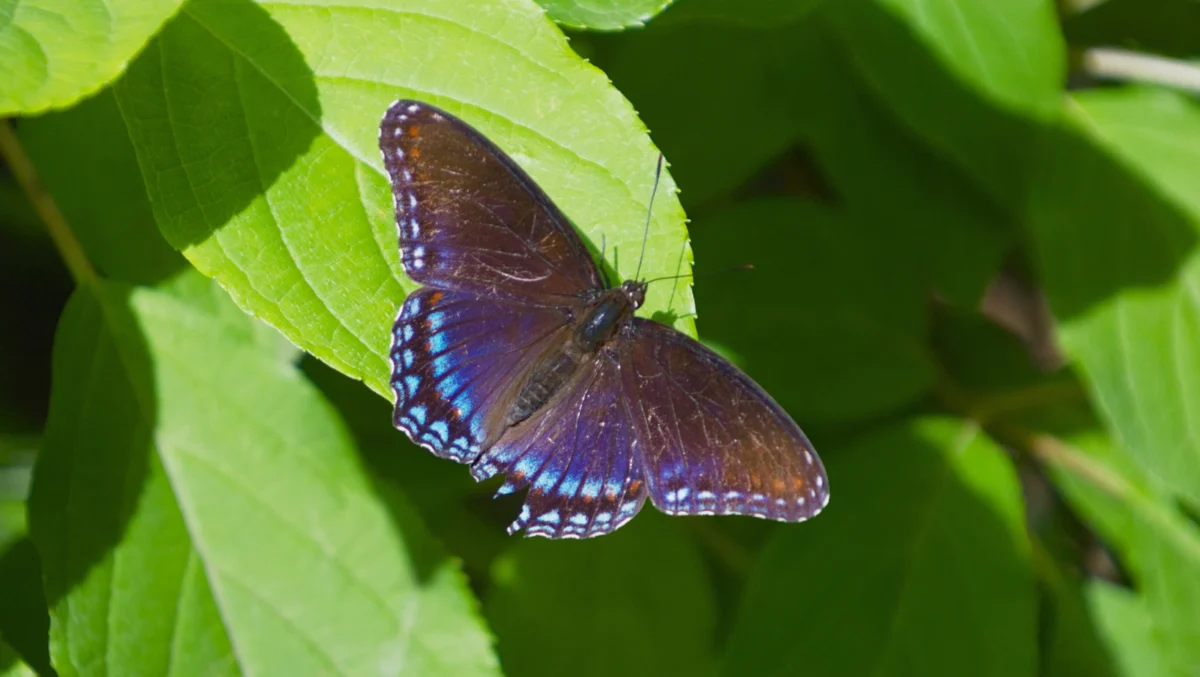
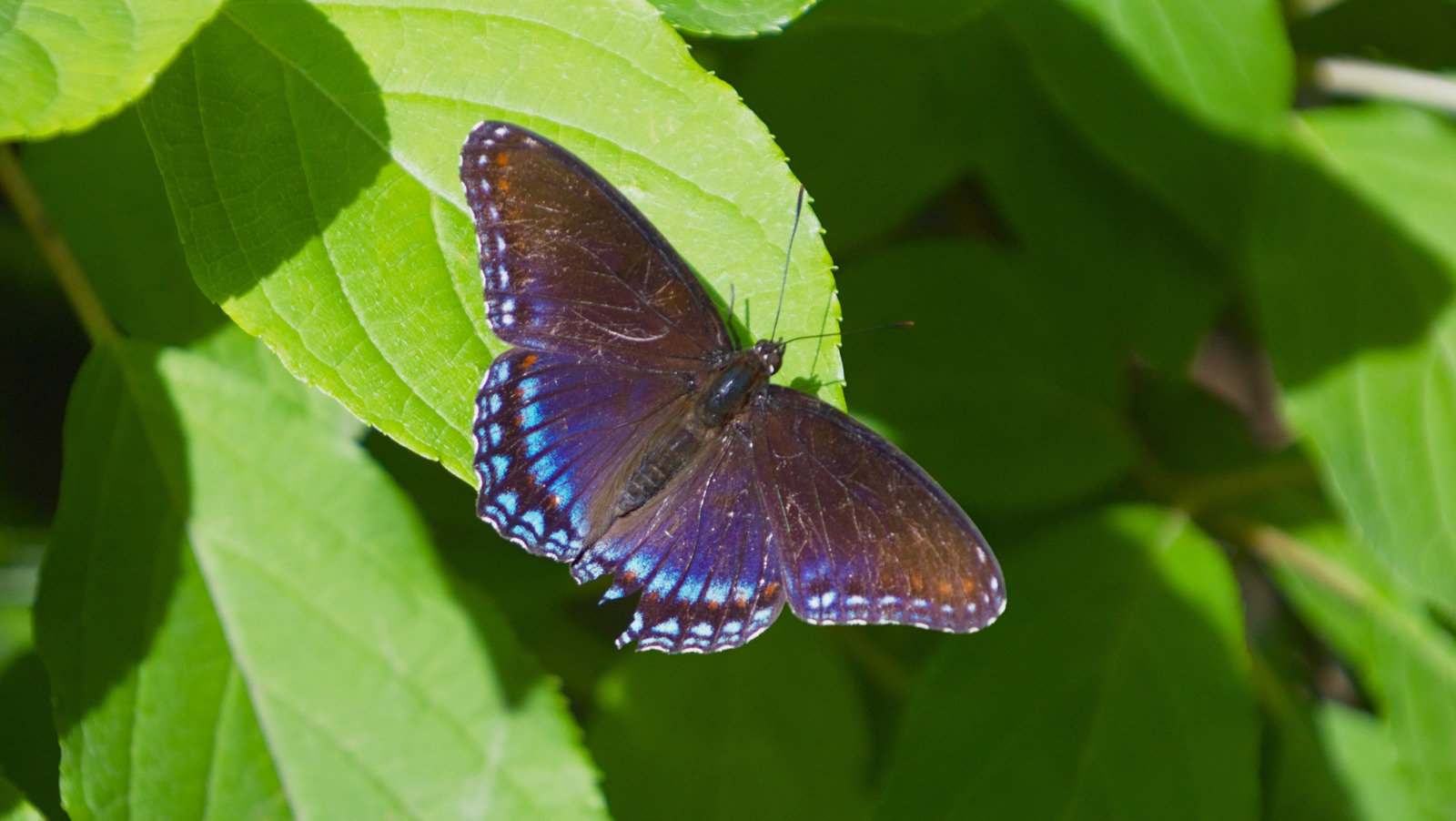
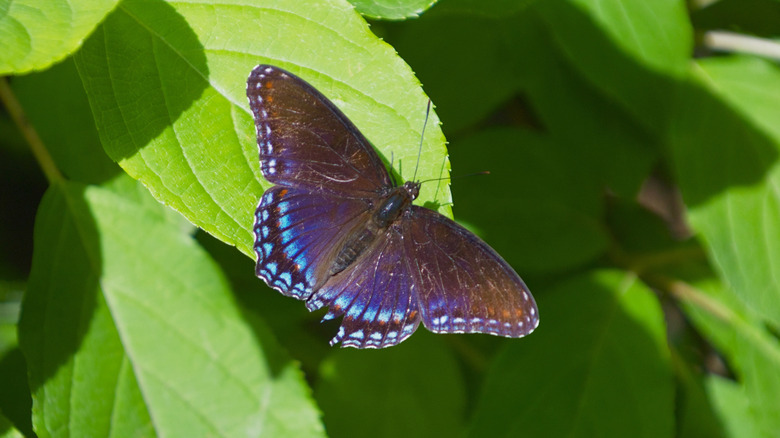
The presence of butterflies in a garden is often seen as a sign of a healthy ecosystem. These vibrant insects are not only aesthetically pleasing but also play a crucial role as pollinators for a vast array of plants, including many common garden vegetables and fruits. For certain butterfly species, however, plum trees offer a more direct and essential contribution to their life cycle. The caterpillars of the Viceroy, Red-Spotted Purple, and Eastern Tiger Swallowtail butterflies, among others, depend on the foliage of plum trees for sustenance. By cultivating an American plum, gardeners actively support these delicate creatures, contributing to the biodiversity of their local environment. The practice of avoiding insecticides in gardens where plum trees are present is paramount, ensuring that these beneficial insects can flourish and, in turn, aid in the pollination of other garden crops, potentially leading to increased fruit and vegetable yields.
The American Plum: An Easy-to-Grow, High-Yielding Native
The American plum tree is a testament to the resilience and adaptability of native flora. Originating from the central and eastern regions of North America, it is well-suited to the climate and soil conditions of these areas. This hardiness translates to less intensive care requirements for the gardener. While fruit trees can sometimes demand significant investment in terms of time and resources, the American plum is notably cost-effective to cultivate.
From planting, the tree dedicates its initial energy to establishing a robust root system. This foundational growth phase typically spans the first couple of years. Following this period, the tree enters a more vigorous growth spurt, increasing in height by approximately one to three feet annually. Ultimately, a mature American plum tree can reach an impressive height of around 20 feet, making it a substantial yet manageable specimen for most gardens.
The tree exhibits a degree of flexibility regarding its light requirements. While it can tolerate partial shade, it performs optimally and produces the most abundant fruit in full sun. This characteristic allows gardeners to strategically place the tree in the sunniest available spot, maximizing its fruit-bearing potential. Alternatively, its mature canopy can provide welcome shade during the hot summer months, offering a practical dual purpose. Consistent watering, especially during prolonged dry spells, is the primary environmental consideration to ensure the tree’s health and productivity.
A Symphony of Blossoms and Fruit
The aesthetic contribution of the American plum tree to a garden is undeniable. In early spring, often preceding the full emergence of winter’s grip, the tree erupts in a breathtaking display of blossoms. These flowers are among the first to grace the landscape each year, heralding the arrival of warmer seasons. This early blooming is celebrated in various cultures, drawing parallels to the revered cherry blossoms of Japan, and adds a significant ornamental value to the garden.
While the floral spectacle is ephemeral, lasting only through early spring, it sets the stage for the tree’s other primary reward: its fruit. The plums ripen throughout the summer, offering a consistent source of fresh, delicious produce. A well-established and healthy American plum tree can be remarkably prolific. Anecdotal evidence from gardeners suggests that a single tree can yield as many as 50 small plums per day during its peak fruiting period.
It is important to note that newly planted trees will not bear fruit immediately. The development of a fruiting crop typically takes three to five years from the time of planting, as the tree matures and its energy reserves build. Once established, however, the reward is substantial, providing a surplus of fruit for consumption and culinary use.
Culinary Versatility of Homegrown Plums
The harvest of homegrown plums offers a delightful array of culinary possibilities, extending far beyond simple fresh consumption. While their inherent sweetness and tang make them an excellent snack straight from the tree or a welcome addition to morning granola, their versatility in the kitchen is extensive.
The unique flavor profile of plums lends itself well to savory dishes. Their tartness can provide a delightful counterpoint to rich meats, making them an excellent addition to pot roasts. The stone fruit can be incorporated directly into braises, infusing the meat with a subtle, fruity complexity. In Asian cuisine, plum sauce is a classic accompaniment to roasted duck, offering a sweet and tangy glaze that perfectly complements the richness of the poultry.
For those with a penchant for desserts, plums are a superb ingredient. They can be baked into rustic plum cobblers, their juices mingling with spices and a crumbly topping to create a comforting and delicious treat. A plum upside-down cake, where the fruit caramelizes at the bottom of the pan, presents a visually appealing and equally flavorful dessert.
Preserving the Harvest: Storage and Longevity
A key consideration for any gardener harvesting fresh plums is their relatively short shelf life once picked. To maximize the enjoyment of this bounty, proper storage techniques are essential. Plums can be effectively frozen for extended periods, retaining their quality for up to six months. This method allows gardeners to enjoy the taste of summer well into the colder months, incorporating them into smoothies, baked goods, or sauces.
For shorter-term storage in the refrigerator, plums should be kept in an open container. This allows for air circulation, preventing premature spoilage. Even under refrigeration, fresh plums will typically remain at their best for approximately five days. However, during this period, they offer a delightful burst of sweetness and a refreshing, cool treat, perfect for immediate enjoyment.
The Ecological Significance and Broader Impact
The cultivation of the American plum tree extends beyond personal gratification, contributing to broader ecological health and supporting local biodiversity. As a native species, it is an integral part of North American ecosystems, providing essential resources for a variety of wildlife. Its role in supporting butterfly populations is particularly noteworthy, highlighting the interconnectedness of plant and insect life.
The trend towards incorporating native plants into landscaping is gaining momentum, driven by an increased awareness of environmental sustainability and the need to support native fauna. The American plum tree aligns perfectly with this movement, offering a practical and aesthetically pleasing solution for gardeners seeking to create more ecologically sound outdoor spaces. Its ease of cultivation and adaptability make it accessible to a wide range of gardeners, from novices to experienced horticulturists.
Furthermore, the domestication and widespread cultivation of fruit trees have historically played a significant role in human civilization, providing a stable food source and influencing agricultural practices. The American plum, as a resilient and productive native fruit, represents an important element of this agricultural heritage. Its potential for wider adoption in urban and suburban gardening could contribute to increased food security at a local level and promote a deeper connection with natural food systems.
The concept of "permaculture," which emphasizes sustainable living and the integration of natural systems, often highlights the benefits of polyculture – planting diverse species that support each other. The American plum tree, with its dual function as a food source and wildlife habitat, embodies these principles. Its presence can enhance the overall resilience and productivity of a garden ecosystem.
A Call to Cultivation: Embracing the American Plum
In conclusion, the American plum tree stands as a remarkable example of a plant that offers multifaceted benefits. Its capacity to attract and sustain vital butterfly populations, coupled with its ease of cultivation, rapid growth, and generous fruit yield, makes it an exceptional choice for home gardeners, particularly those with limited space. The aesthetic appeal of its spring blossoms and the culinary versatility of its summer fruit further enhance its desirability. By choosing to plant an American plum, individuals not only enrich their own gardens but also contribute to the health of their local environment, fostering a more vibrant and sustainable ecosystem. This native treasure, readily available and adaptable, represents an accessible pathway for gardeners to connect with nature, support biodiversity, and enjoy the sweet rewards of their own labor.
