
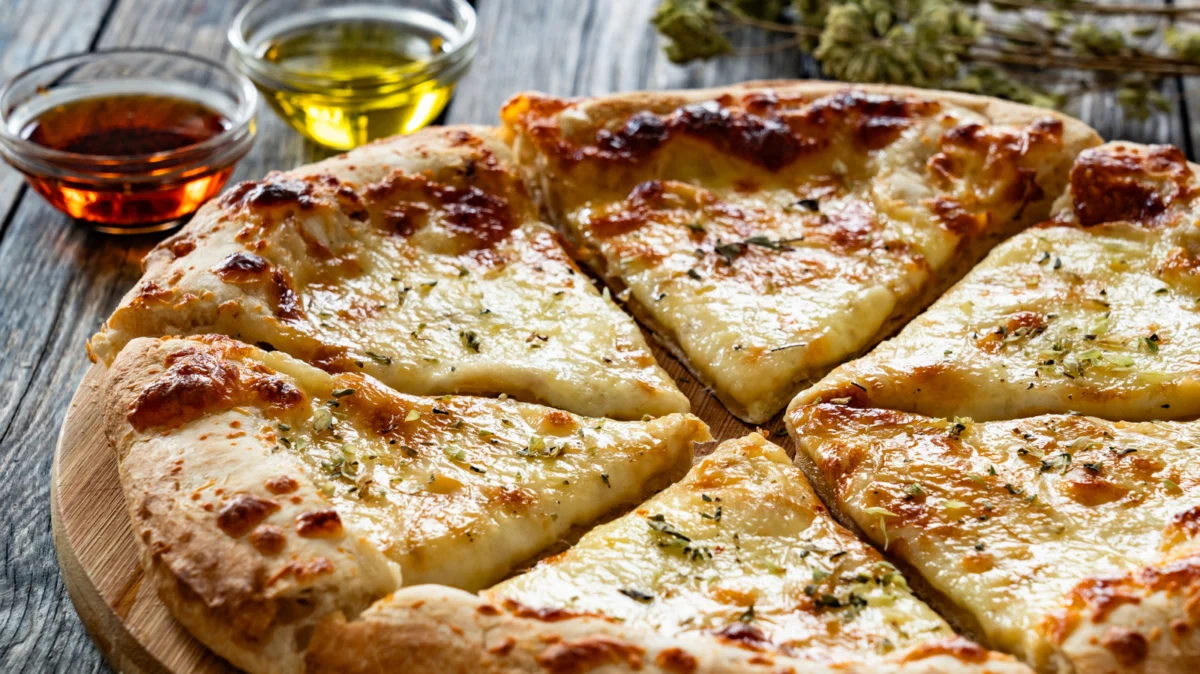
The quest for the perfect frozen pizza experience is a culinary journey many households embark on regularly. While the convenience of a ready-to-bake pie from brands like DiGiorno is undeniable, a common frustration often arises: the dreaded doughy crust. This textural disappointment can transform what should be a satisfying meal into a less-than-ideal dining experience. However, a simple yet effective technique involving aluminum foil has emerged, promising to elevate the humble frozen pizza to new heights of crispiness and even browning. This method, specifically highlighted for DiGiorno pizzas, offers a practical solution for home cooks seeking to achieve a more restaurant-quality crust without significant additional effort or cost.
The Foil Fix: A Simple Solution for a Common Problem
The core of this culinary hack lies in a straightforward application of aluminum foil during the baking process. While frozen pizzas, particularly those from popular brands like DiGiorno, are designed for ease of preparation, their baking cycles can sometimes result in an undercooked, doughy base, especially around the edges. This occurs because the toppings and cheese cook and brown before the thicker dough at the crust has a chance to achieve optimal crispness. The foil acts as a shield, selectively protecting the crust from over-direct heat while allowing the rest of the pizza to continue cooking.
The recommended technique involves following the package instructions for baking the DiGiorno pizza as usual. Once the initial baking time is complete, the pizza is carefully removed from the oven. At this stage, a single layer of aluminum foil is strategically placed around the outer edge of the crust, leaving the center of the pizza exposed. This allows the toppings and cheese to continue to cook and melt, while the foil prevents the already-heated crust edges from burning. The pizza is then returned to the oven for an additional five minutes. This short but crucial period allows the protected crust to continue to bake and crisp up, ensuring an even texture and a desirable golden-brown finish.
Beyond DiGiorno: Versatility of the Foil Technique
While this specific hack is being discussed in the context of DiGiorno pizzas, its applicability extends to virtually any frozen pizza brand. The fundamental challenge of achieving a perfectly baked crust from a frozen state is a universal one. Therefore, home cooks can confidently employ this foil method to improve the texture and appearance of their frozen pizzas, regardless of the brand.
Furthermore, the utility of aluminum foil in pizza preparation doesn’t end with initial baking. The article also suggests that this same foil-lining technique can be incredibly beneficial when reheating leftover pizza. Often, reheating pizza in an oven can lead to dry toppings and a tough crust. By covering the pizza slice entirely with foil and placing it on a foil-lined baking tray, the moisture is better retained, preventing the pizza from drying out. A brief period of about 10 minutes on the bottom rack of a preheated oven is usually sufficient to warm the slice through while maintaining its integrity.
Enhancing the Frozen Pizza Experience: Additional Tips and Tricks
The foil trick is just one piece of the puzzle when it comes to optimizing frozen pizza. Several other established methods can further enhance the frozen pizza experience, contributing to a more satisfying and delicious outcome.
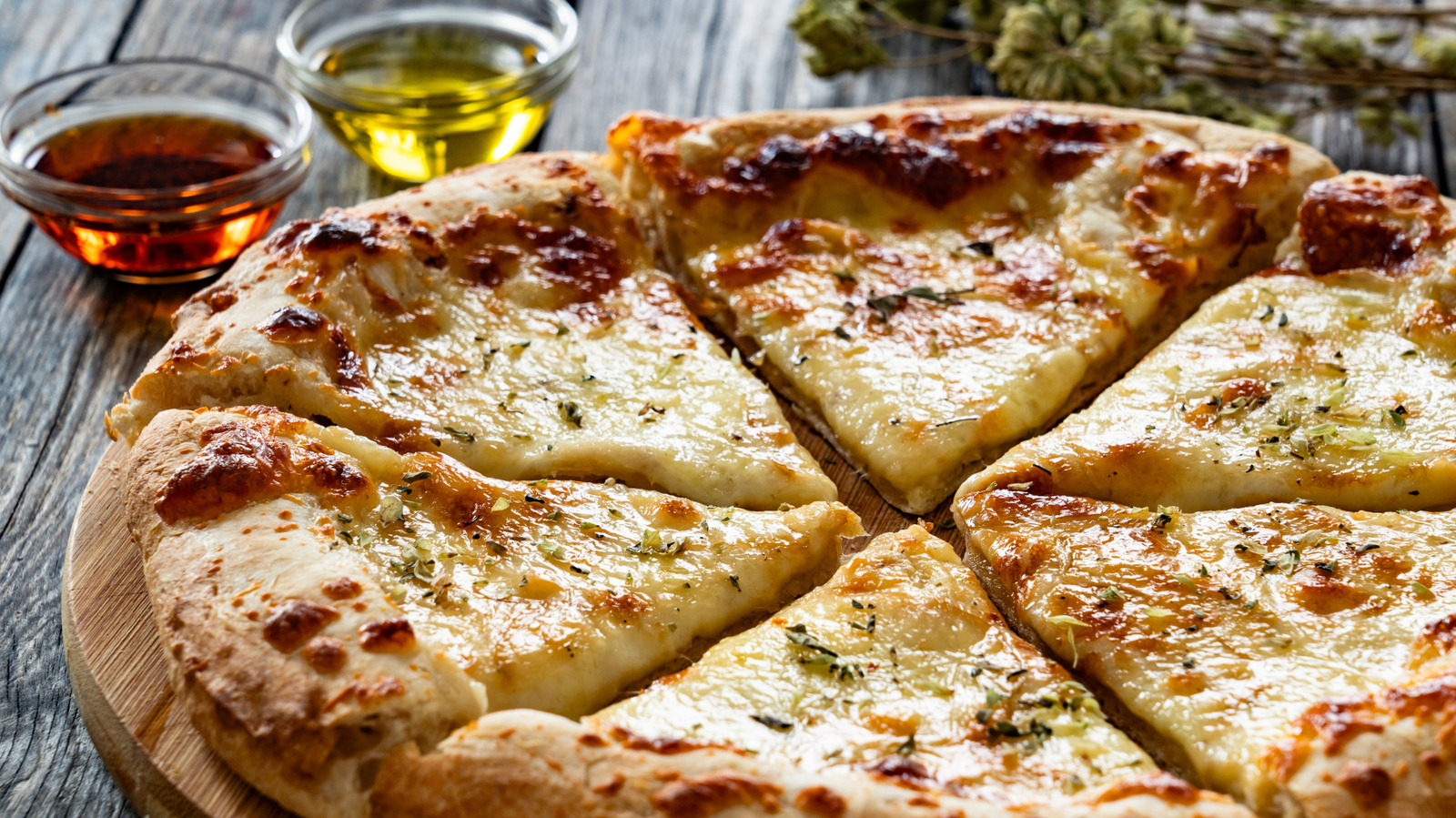
Thawing for Even Baking: A popular and effective strategy involves partially thawing the frozen pizza before baking. This process allows for more uniform heat distribution throughout the pizza. When a frozen pizza goes directly into a hot oven, the exterior cooks much faster than the interior. Partial thawing, for about 30 minutes or roughly the time it takes to preheat the oven, can significantly improve heat penetration, leading to a more evenly cooked pizza with a crispier crust and perfectly melted cheese.
It is important to note, however, that brands like DiGiorno do not recommend fully thawing their products due to food safety concerns. While a short period of thawing before baking is generally considered safe and beneficial for texture, leaving a pizza at room temperature for an extended period is not advised. The key is to thaw it just enough to facilitate more even cooking, not to bring it to room temperature for an extended duration.
Utilizing Pizza Stones or Steels: For those seeking a truly elevated pizza experience, investing in a pizza stone or steel can be a game-changer. These specialized baking surfaces are designed to absorb and retain a significant amount of heat. When preheated in the oven, they provide an intensely hot surface that rapidly crisps the pizza crust from the bottom up. Baking a frozen pizza directly on a preheated pizza stone or steel, especially at the highest oven temperature, can dramatically reduce the likelihood of a doughy base and contribute to a delightful crunch. This method, when combined with the foil technique for the edges, can produce results that rival those of many pizzerias.
Strategic Topping Additions: While not explicitly mentioned in the initial article, it’s worth noting that enhancing frozen pizzas with fresh ingredients can also significantly elevate their flavor and texture. Adding a sprinkle of fresh herbs, a drizzle of olive oil, or even a few extra vegetables or cheeses before or after baking can transform a standard frozen pizza into a more gourmet creation. This approach allows for customization and can help to mask any minor imperfections in the base bake.
The Broader Context: Convenience Meets Culinary Improvement
The enduring popularity of frozen pizzas speaks to the modern demand for convenience in food preparation. Brands like DiGiorno have become household staples, offering a reliable option for quick meals, impromptu gatherings, or late-night cravings. The market for frozen pizza in the United States is substantial, with sales figures consistently demonstrating its widespread appeal. According to market research data, the frozen pizza market in the U.S. has seen consistent growth, driven by factors such as product innovation, evolving consumer tastes, and the increasing demand for convenient meal solutions. This suggests that millions of households regularly rely on frozen pizzas, making any improvement to their preparation and consumption highly relevant.
The development and sharing of simple culinary hacks, such as the foil trick, highlight a growing trend of home cooks actively seeking to enhance their everyday meals. This desire to "hack" or improve pre-packaged foods reflects a desire for better quality and a more satisfying culinary experience, even within the constraints of convenience. It also underscores the power of online communities and food media in disseminating practical tips that can have a tangible impact on home cooking.
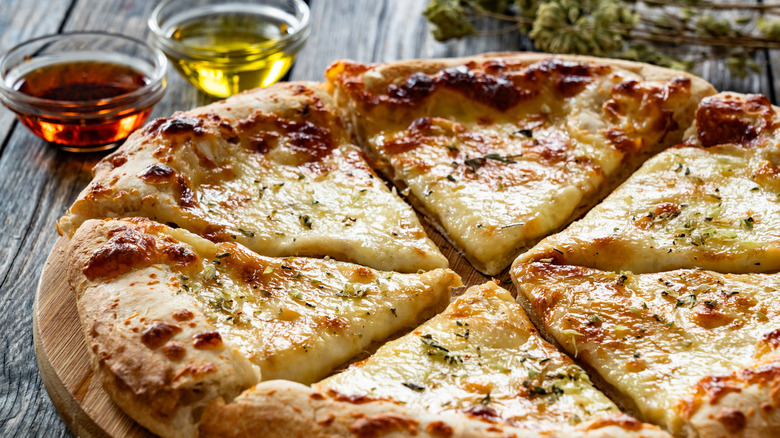
The implication of this foil technique is significant for consumers. It offers a low-cost, low-effort solution to a common frustration, empowering individuals to achieve better results from their frozen pizza purchases. By understanding the basic principles of heat transfer and dough baking, consumers can make small adjustments to their cooking process that yield noticeably superior outcomes. This not only improves the immediate dining experience but also fosters a greater sense of culinary confidence.
Official Stance and Consumer Adaptability
While brands like DiGiorno provide detailed baking instructions, they typically focus on achieving the intended result as per their recipe development. They are unlikely to formally endorse or recommend modifications to their cooking instructions, as these are tested to ensure food safety and a baseline quality experience. Their primary objective is to ensure their product is cooked safely and according to their specifications.
However, the adaptability of consumers to find and share such effective techniques is a testament to the engagement and resourcefulness of the home cooking community. The internet, through food blogs, social media, and recipe-sharing platforms, has become a powerful conduit for these innovations. This collective knowledge-sharing allows for the evolution of cooking practices beyond official guidelines, often leading to improved outcomes for a wide range of products.
In essence, the foil trick for DiGiorno pizza is more than just a simple cooking tip; it’s an example of how a common culinary challenge can be addressed with a clever, accessible solution. It empowers consumers to take control of their frozen pizza experience, transforming a potentially doughy disappointment into a crisply satisfying meal, proving that even the most convenient foods can benefit from a touch of culinary ingenuity.
