
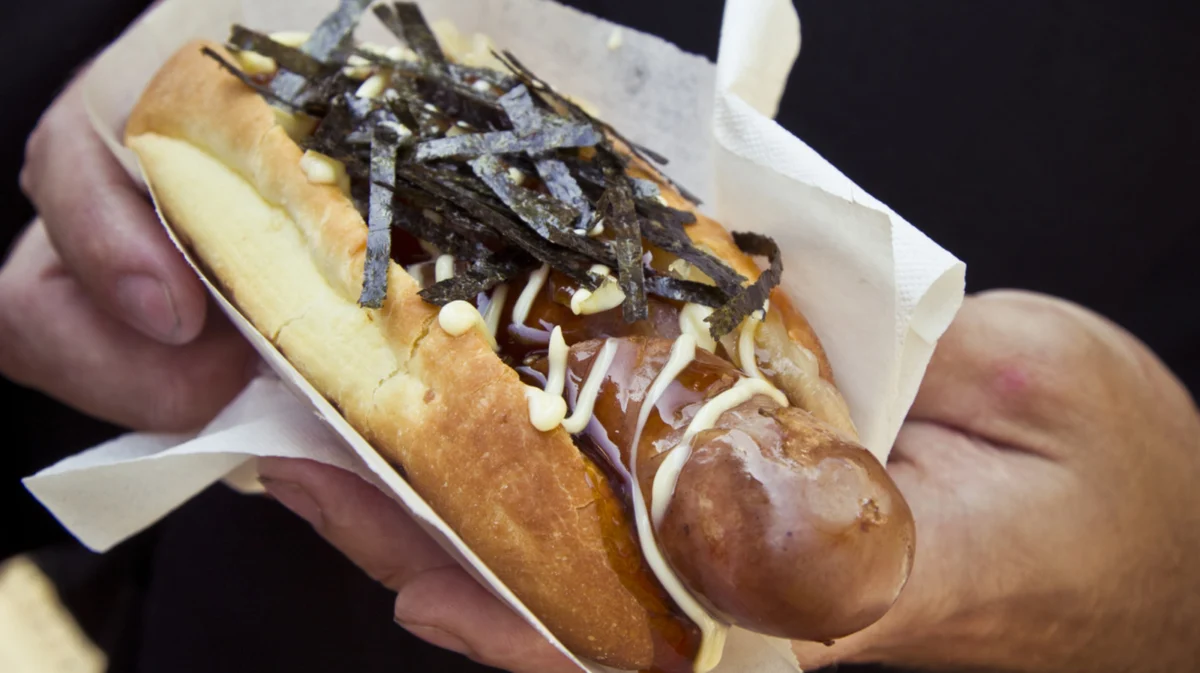
The humble hot dog, a staple of casual dining and backyard barbecues across North America, is undergoing a culinary transformation, infused with the complex and captivating flavors of Japanese cuisine. This evolution, exemplified by popular establishments like Japadog, is not merely a trend but a sophisticated fusion that elevates the familiar sausage into an umami-rich gastronomic experience. What distinguishes these Japanese-style hot dogs from their American counterparts lies in a deliberate and artful combination of ingredients, a philosophy rooted in balancing savory, sweet, and textural elements, and a commitment to quality that mirrors the precision found in traditional Japanese cooking.
The genesis of this culinary innovation can be traced to the burgeoning popularity of fusion food concepts, where global culinary traditions meet and merge. Japadog, founded by Japanese entrepreneurs, has been at the forefront of this movement, establishing a significant presence across North America. The company’s philosophy centers on importing authentic Japanese ingredients and applying meticulous preparation techniques to a beloved Western comfort food. This approach has resonated with a broad audience, attracting patrons who seek both novelty and depth in their dining choices. The commitment to quality is evident in their selection of premium hot dogs, often featuring wagyu beef, and their dedication to fresh, high-quality toppings.
The Allure of Japadog: A Personal Journey and Culinary Inspiration
The appeal of Japadog is vividly illustrated by personal anecdotes, such as the dedication required to travel significant distances for a taste of their unique offerings. For many, the experience of encountering a Japanese-style hot dog is a revelation. Unlike the straightforward flavors of classic American hot dogs, often enhanced by ketchup, mustard, or relish, Japanese versions are adorned with a symphony of tastes and textures. These toppings include but are not limited to:
- Teriyaki Sauce: A sweet and savory glaze, often made with soy sauce, mirin, sake, and sugar, providing a foundational umami depth.
- Kewpie Mayonnaise: Distinctly richer and tangier than Western mayonnaise, Kewpie is a key ingredient, offering a creamy counterpoint to other flavors.
- Shredded Seaweed (Nori): Adds a subtle oceanic salinity and a delicate crunch.
- Bonito Flakes (Katsuobushi): Thinly shaved dried, fermented, and smoked skipjack tuna, which "dance" on hot food, imparting a smoky, fishy umami.
- Tempura: Crispy, deep-fried batter, often applied to ingredients like shrimp or vegetables, adding a satisfying textural contrast.
- Japanese Potato Croquettes: A creamy potato filling encased in a crispy breadcrumb coating.
- Fried Onions: Provide sweetness and an additional layer of crunch.
- Pickled Ginger (Gari) or Daikon Radish (Takuan): Offer a bright, acidic, and palate-cleansing element.
- Wasabi: A pungent, spicy condiment that adds a sharp kick.
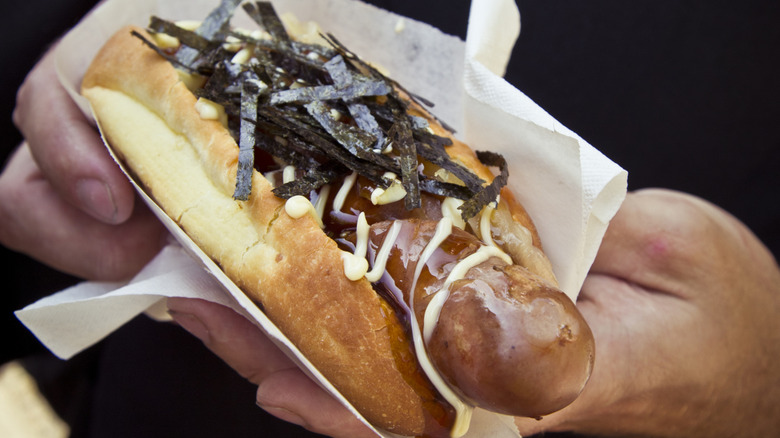
One particularly lauded creation is the Wagyu Terimayo. This culinary masterpiece features a buttery wagyu beef hot dog nestled within a soft, toasted bun. It is generously drizzled with sweet-savory teriyaki sauce and complemented by the creamy richness of Kewpie mayonnaise. The addition of crispy fried onions and shredded seaweed not only enhances the visual appeal but also introduces delightful textural elements, creating a complex interplay of flavors with every bite. This harmonious blend of ingredients exemplifies the Japanese culinary principle of "umami" – the fifth taste, often described as savory or meaty, which is crucial to the depth and satisfaction of these hot dogs.
The Art of Flavor Balance: Embracing Yakumi and Umami
The success of Japanese-style hot dogs hinges on a sophisticated understanding of flavor balance, a concept deeply ingrained in Japanese culinary philosophy. This is where the role of yakumi becomes paramount. Yakumi refers to the small condiments and garnishes that are strategically employed to round out and enhance a dish’s overall flavor profile. In the context of hot dogs, these elements are not mere afterthoughts but integral components that contribute to a cohesive and multi-layered taste experience.
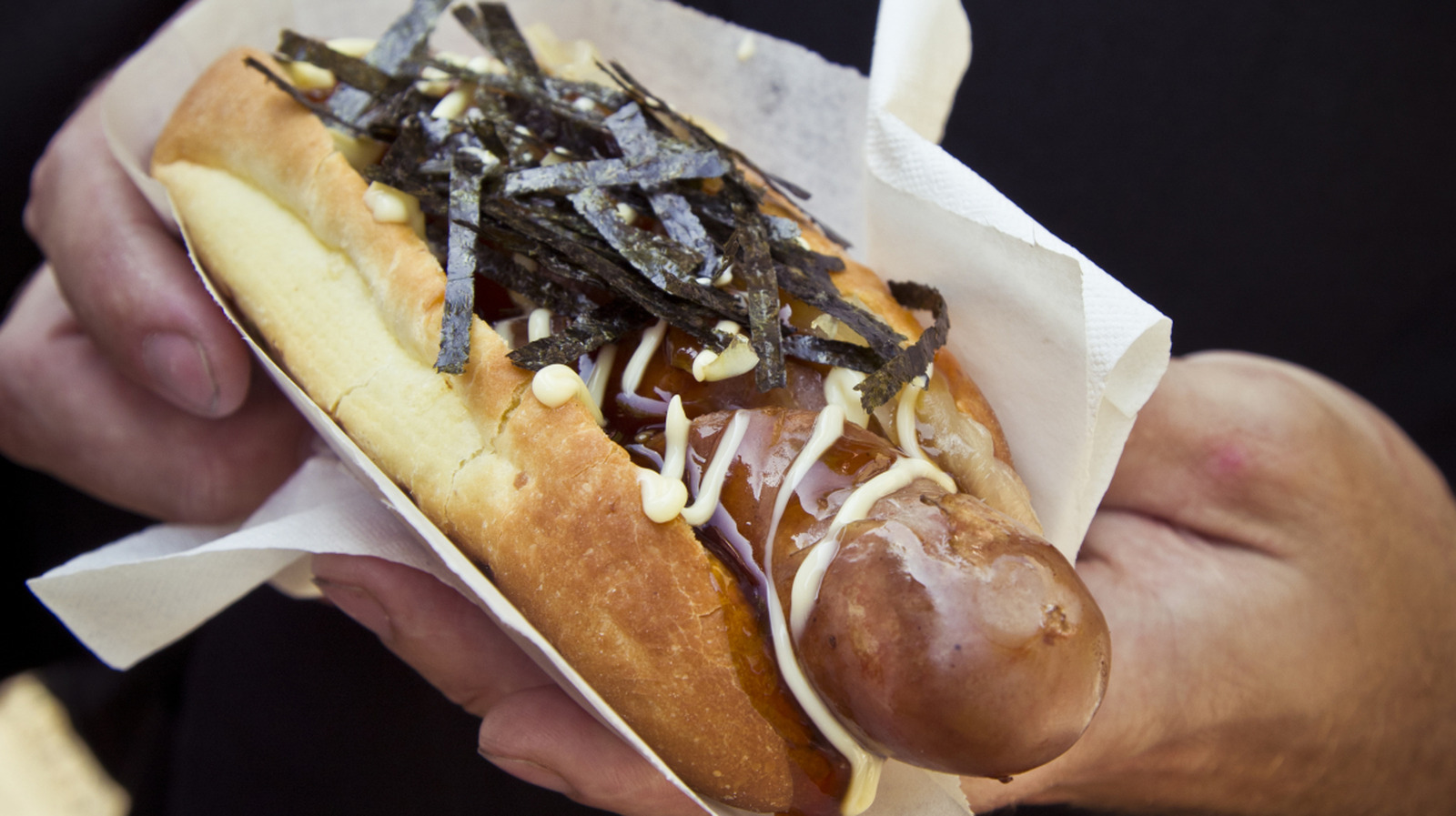
The careful selection and combination of toppings are crucial. For instance, the creamy, slightly sweet, and tangy notes of Kewpie mayonnaise pair exceptionally well with the robust, sweet-and-savory profile of teriyaki sauce and the caramelized sweetness of grilled onions. This synergy creates a harmonious foundation upon which other flavors can be built. When considering the inclusion of cheese, a thoughtful approach is necessary to avoid clashing with inherently "fishy" components like bonito flakes or seaweed. The aim is always to create a unified and pleasing taste, rather than a cacophony of competing sensations.
A key principle in achieving this balance is the mindful application of umami. Ingredients like soy sauce, dashi (a fundamental Japanese broth), dried mushrooms, and, of course, bonito flakes are rich in glutamates, the compounds responsible for umami. By incorporating these elements, Japanese-style hot dogs achieve a profound depth of flavor that is both satisfying and complex.
Recreating the Experience at Home: A Culinary Endeavor
For those who may not have immediate access to a Japadog stand or similar establishments, the allure of Japanese-style hot dogs extends to the home kitchen. The principles of flavor balancing and ingredient selection can be readily applied to create equally delectable versions. As noted by culinary experts and cookbook authors specializing in Asian cuisine, the process begins with understanding the core components and their potential for synergy.
Key Elements for Homemade Japanese-Style Hot Dogs:
-
The Foundation: High-Quality Hot Dog and Bun: The quality of the hot dog itself is paramount. Opting for premium sausages, such as those made with wagyu beef, significantly elevates the overall taste. Similarly, the bun plays a crucial role. A soft, pillowy bun that can be lightly toasted provides the ideal vessel, offering a delightful texture that complements the fillings. Toasting the bun is an often-overlooked step that adds a subtle crispness and enhances its structural integrity.
-
The Flavor Core: Sauces and Spreads:
- Teriyaki Sauce: A homemade teriyaki sauce can be prepared with soy sauce, mirin, sake, and sugar, simmered to a glaze. This provides a sweet and savory base.
- Kewpie Mayonnaise: This Japanese mayonnaise can be purchased at Asian grocery stores or online. Its unique flavor profile is essential for authenticity.
- Other Sauces: Wasabi-infused mayonnaise or a spicy sriracha-based sauce can add a kick for those who prefer more heat.
-
The Textural and Aromatic Enhancements: Toppings:
- Shredded Cabbage: Finely shredded cabbage, perhaps lightly dressed, adds a fresh crunch and a hint of sweetness.
- Grilled or Caramelized Onions: These provide a deep, sweet flavor and a soft texture.
- Shredded Seaweed (Nori): Adds a subtle oceanic note and a crisp texture.
- Bonito Flakes: For a truly authentic umami boost, though some may find the flavor intense.
- Tempura Bits or Fried Shallots: Offer a satisfying crunch.
- Pickled Elements: Sliced pickled ginger or daikon radish can provide a refreshing counterpoint to the richness.
- Scallions: Thinly sliced scallions add a fresh, slightly pungent garnish.
-
The Yakumi Approach: When assembling your hot dog, consider the yakumi principles. Think about how each addition contributes to the overall balance of flavors – sweet, salty, sour, bitter, and umami. For instance, the sharp tang of pickled ginger can cut through the richness of the mayonnaise and teriyaki sauce, creating a more dynamic eating experience.
Broader Implications and Culinary Evolution
The rise of Japanese-style hot dogs is indicative of a larger trend in globalized cuisine: the increasing sophistication and adventurousness of consumer palates. As culinary boundaries blur, consumers are more open to exploring unique flavor combinations and ingredients from diverse cultures. This fusion approach not only introduces new and exciting taste experiences but also fosters a deeper appreciation for the nuances of different culinary traditions.
The economic impact of such trends is also noteworthy. Establishments like Japadog have successfully carved out a niche market, demonstrating the commercial viability of creative fusion food. The replication of these concepts in home kitchens further amplifies their reach and influence, inspiring home cooks and contributing to a broader culinary dialogue.
Furthermore, the emphasis on quality ingredients and meticulous preparation in Japanese-style hot dogs reflects a growing consumer demand for artisanal and thoughtfully crafted food. This movement away from mass-produced, standardized fare towards more nuanced and flavorful options suggests a maturation of the food industry and a heightened awareness of the role that food plays in our cultural and personal lives. The humble hot dog, once a symbol of simple, unadorned sustenance, has become a canvas for culinary artistry, showcasing the power of cultural exchange and innovation to transform even the most familiar of foods into something extraordinary. The journey from a simple sausage in a bun to a complex, umami-rich creation is a testament to the ever-evolving landscape of global gastronomy.
