
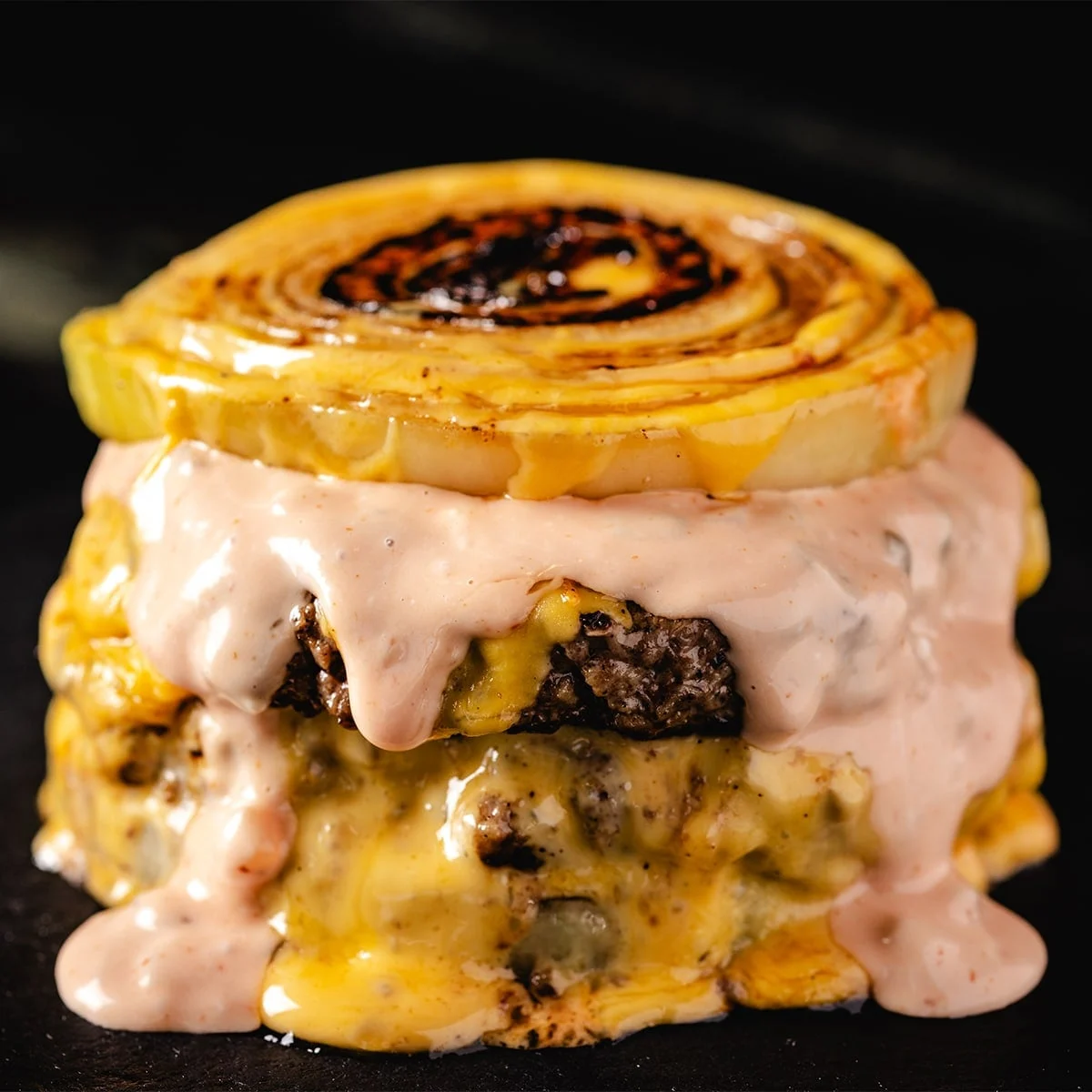
The rise of the "secret menu" in American fast-food culture has transformed how consumers interact with established restaurant brands, turning simple ingredient substitutions into a social phenomenon. Among the most iconic of these off-menu items is the Flying Dutchman, a creation popularized by the West Coast institution In-N-Out Burger. Stripped of the traditional wheat bun, this item features two beef patties and two slices of American cheese, often prepared with grilled onion rounds. This culinary approach—prioritizing protein and fat over refined carbohydrates—has recently transitioned from a niche request at drive-thru windows to a staple of the home-cooking and "backyard barbecue" movement.
The Origins of the Secret Menu Concept
The concept of the "secret menu" emerged as a form of informal communication between long-term patrons and kitchen staff. By requesting modifications that were not explicitly listed on the overhead menu boards, customers could tailor their meals, leading to the standardization of popular hacks. The Flying Dutchman is a prime example of this evolution. Originally designed as a low-carb, keto-friendly alternative to the standard cheeseburger, it gained widespread recognition through digital word-of-mouth and social media sharing.

While the exact origins of the item’s name remain a point of industry folklore—often attributed to the legendary ghost ship of the same name, suggesting a vessel that never reaches port—its popularity is grounded in the simplicity of its construction. By removing the bun, the focus shifts entirely to the quality of the beef, the melt of the cheese, and the texture of the onions.
Nutritional Implications and Consumer Trends
The shift toward the Flying Dutchman coincides with a broader trend in the food industry: the decline of processed carbohydrates in favor of high-protein, high-fat diets. According to data from the International Food Information Council, nearly 40% of American consumers have explored specific dietary patterns such as ketogenic or low-carbohydrate regimens in recent years.
From a nutritional standpoint, the elimination of the bun significantly reduces the caloric load of a meal, though it alters the macronutrient profile drastically. A standard burger bun typically contributes 150 to 200 calories, primarily derived from refined grains and sugar. By substituting the bun with grilled onions, the consumer replaces those calories with fiber and subtle vegetal sweetness, though the total fat content remains substantial due to the dual-patty construction. For those preparing this dish at home, the ability to control the quality of the beef—selecting specific lean-to-fat ratios—allows for a higher degree of nutritional transparency than typical fast-food sourcing.

Chronology of the Backyard Transition
The movement of the Flying Dutchman from a commercial drive-thru item to a home-cooked meal can be traced back to the proliferation of high-quality residential griddle equipment. Over the last decade, the surge in popularity of flat-top steel grills has enabled home cooks to replicate the "smash burger" technique—a method characterized by pressing a ball of ground beef onto a high-heat surface to maximize the Maillard reaction.
- 2010–2015: The rise of online food forums and early social media platforms, such as Instagram and Pinterest, accelerated the documentation of "secret" menu items.
- 2016–2019: Influential food bloggers and professional chefs began reverse-engineering these items, publishing ingredient lists and techniques for home-based replication.
- 2020–2023: The global pandemic forced a paradigm shift in consumer behavior, as individuals sought to recreate restaurant-quality experiences at home. The demand for "copycat" recipes spiked, with the Flying Dutchman becoming a benchmark for home-griddle mastery.
- 2024–Present: The proliferation of home-cooking content creators, including high-profile figures in the barbecue community, has cemented the Flying Dutchman as a standard weekend meal, complete with homemade variations of signature burger spreads.
Technical Preparation: The Science of the Smash
The successful execution of a Flying Dutchman at home requires an understanding of thermodynamics and surface chemistry. The process typically begins with the preparation of onion rounds, which serve as the structural "buns." These must be sliced to a specific thickness to ensure they caramelize without losing their structural integrity.
The meat preparation involves "smashing," a technique that increases the surface area of the beef in contact with the hot metal. This creates a crust—a process known as the Maillard reaction—which is essential for flavor development. When the patties are cooked on a flat-top grill at temperatures exceeding 400 degrees Fahrenheit, the proteins and sugars within the meat undergo a chemical transformation that produces the complex, savory profile associated with premium burgers.

Industry experts note that the addition of a homemade "spread"—a blend of mayonnaise, ketchup, mustard, and finely diced pickles—is essential to balancing the richness of the cheese and beef. This emulsion provides the acidity necessary to cut through the fat, a balance that is structurally important in the absence of a bun.
Economic and Cultural Impact
The cultural impact of the Flying Dutchman is emblematic of the "democratization of the restaurant experience." By providing the instructions for this dish to the public, content creators are effectively removing the exclusivity once held by restaurant chains. This shifts the power dynamic between the consumer and the brand; the consumer no longer needs to rely on the "secret" knowledge of a specific establishment to enjoy the food.
From a broader economic perspective, the rise of such recipes fuels the home-kitchen appliance market. The demand for specialized tools—such as high-quality spatulas, cast-iron presses, and infrared thermometers—has grown in tandem with the popularity of these recipes. Manufacturers of these goods have seen consistent growth, as home cooks invest in equipment that guarantees consistent, professional-grade results.

Analytical Observations
Observers in the culinary sector suggest that the success of the Flying Dutchman lies in its minimalist design. In an era of "maximalist" food—where burgers are often laden with bacon, avocado, fried eggs, and excessive sauces—the Flying Dutchman represents a return to basics. Its popularity suggests that modern consumers value flavor density over sheer volume.
Furthermore, the recipe’s versatility allows for significant modification. Home cooks often adjust the spice rub on the beef, experiment with different types of cheese (such as aged cheddar or Swiss), or add specialized seasonings to the onions. This ability to customize the dish while maintaining its core identity as a "bunless burger" provides a sense of creative ownership that is often lacking in processed convenience foods.
Conclusion: The Future of the Backyard Burger
The Flying Dutchman has evolved from a clandestine fast-food order into a recognized staple of the modern American kitchen. Its journey highlights the interconnectedness of social media, culinary innovation, and the growing demand for home-based quality control. As consumer interest in health-conscious and customizable meals continues to rise, it is likely that the trend of "deconstructing" classic fast-food items will persist.

For the home chef, mastering the Flying Dutchman is more than just a culinary exercise; it is an entry point into the mechanics of the smash burger and the art of griddle cooking. By leveraging basic, high-quality ingredients and precise heat management, the home cook can achieve a result that rivals the original, further solidifying the trend of bringing the restaurant experience directly to the backyard. As we look toward the future of home dining, the emphasis will likely remain on these types of "accessible luxury" dishes—simple in composition, yet profound in their ability to satisfy the palate.
