
The Culinary Evolution of Dirty Pasta
The term "dirty rice" refers to a traditional Cajun dish consisting of white rice cooked with small pieces of chicken liver or giblets, ground meat, bell peppers, celery, and onions—often referred to as the "holy trinity" of Cajun cooking. The "dirtiness" of the dish derives from the browning of the meat and the incorporation of various spices, which stain the rice, giving it a distinctive, rustic appearance.
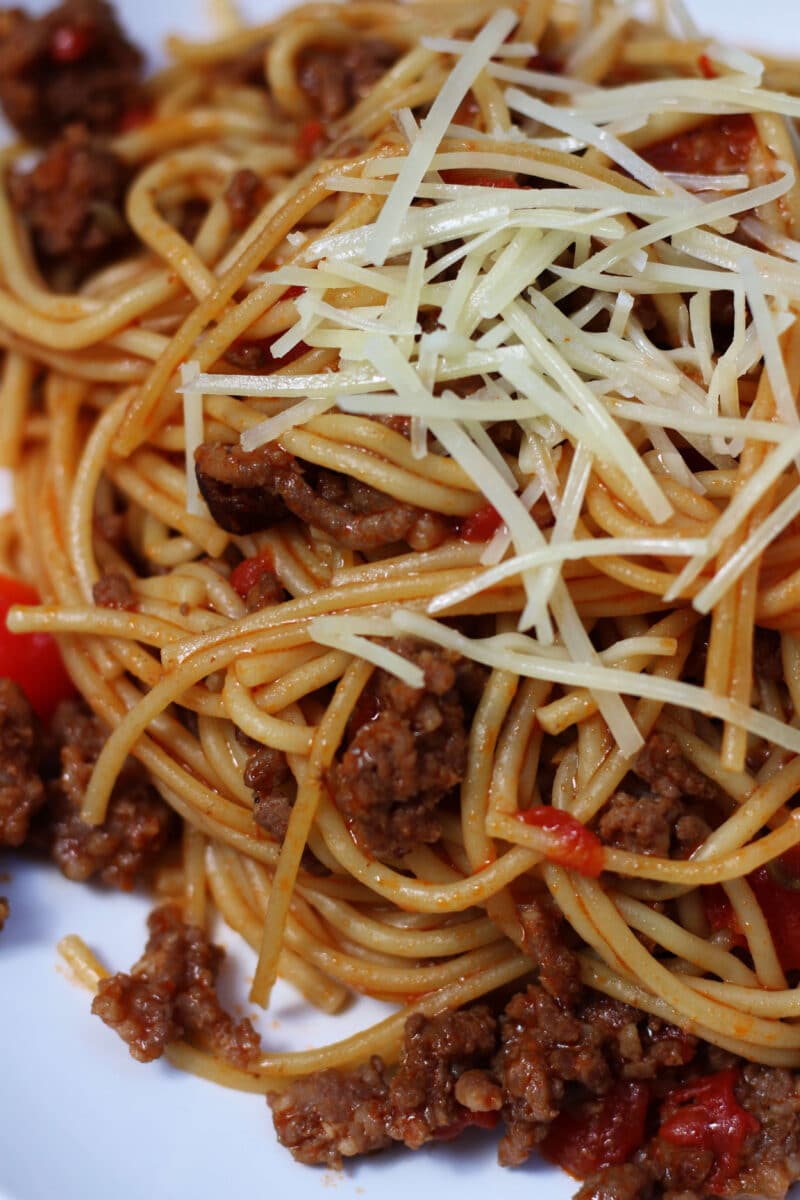
In recent years, the intersection of Southern comfort food and Italian-American staples has resulted in creative culinary hybrids. The transition from rice to spaghetti involves more than just a change in starch; it requires a recalibration of cooking times and liquid ratios to ensure the pasta achieves an al dente texture without becoming overly starchy or mushy. The integration of Italian sausage and ground beef adds a depth of flavor that complements the robust, spicy profile of traditional Cajun seasoning, while the inclusion of Rotel tomatoes—a staple in American kitchens known for their diced green chilies—provides the necessary acidity to balance the richness of the meat.
Technical Parameters and Preparation Timeline
The success of this dish within a pressure-cooking environment depends on the precision of the preparation process. A typical workflow for this recipe follows a rigorous chronology designed to optimize flavor extraction while ensuring the structural integrity of the ingredients:
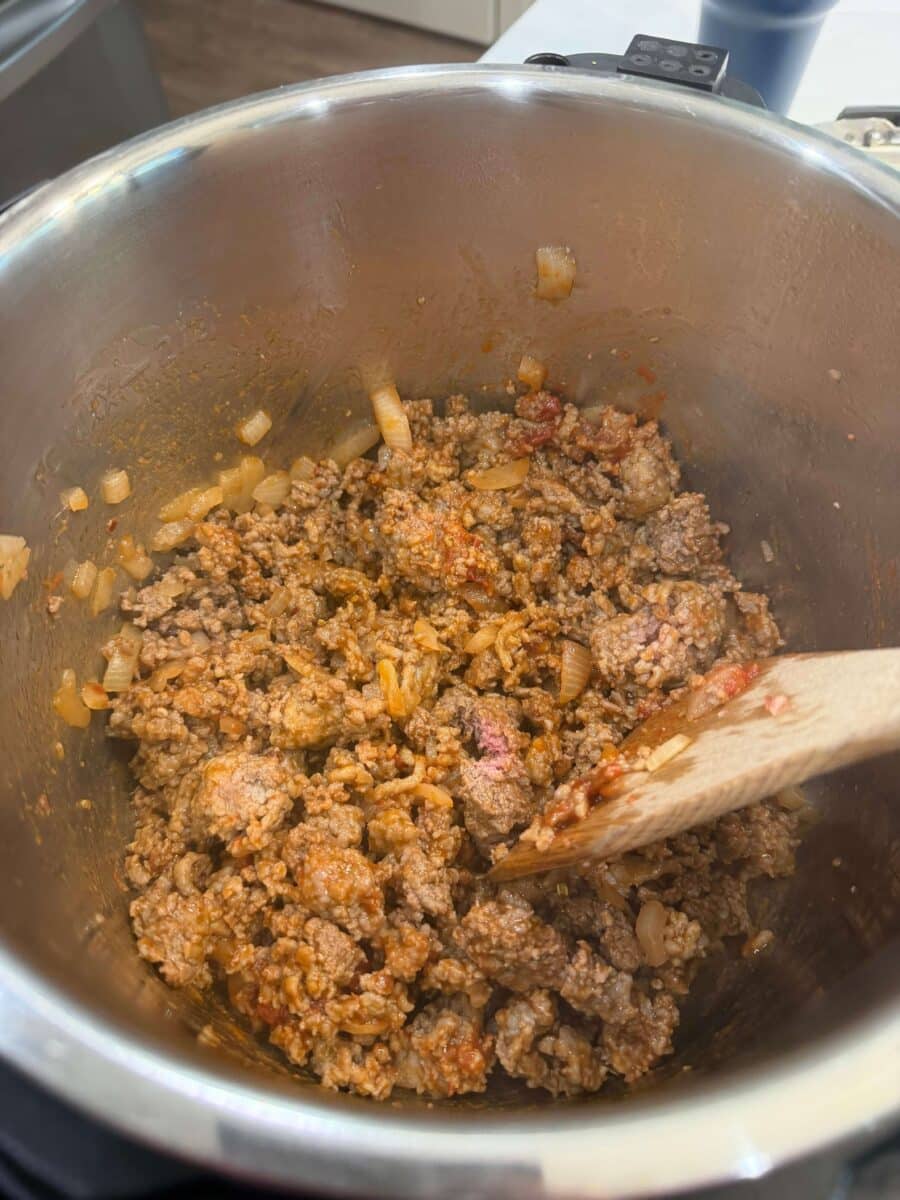
- Sauté Phase (0–8 minutes): The process begins by activating the sauté function of the pressure cooker. Italian sausage and ground beef are browned, which is a critical step in the Maillard reaction, ensuring that proteins are properly seared to create a flavorful base. The addition of finely diced celery and onions follows, allowing the vegetables to soften and release their aromatics.
- Flavor Infusion (8–12 minutes): Once the meat is browned and excess fat is drained, a secondary layer of flavor is introduced through the addition of minced garlic, tomato paste, Worcestershire sauce, and a proprietary blend of Cajun spices. This step is essential for coating the meat in a concentrated flavor matrix.
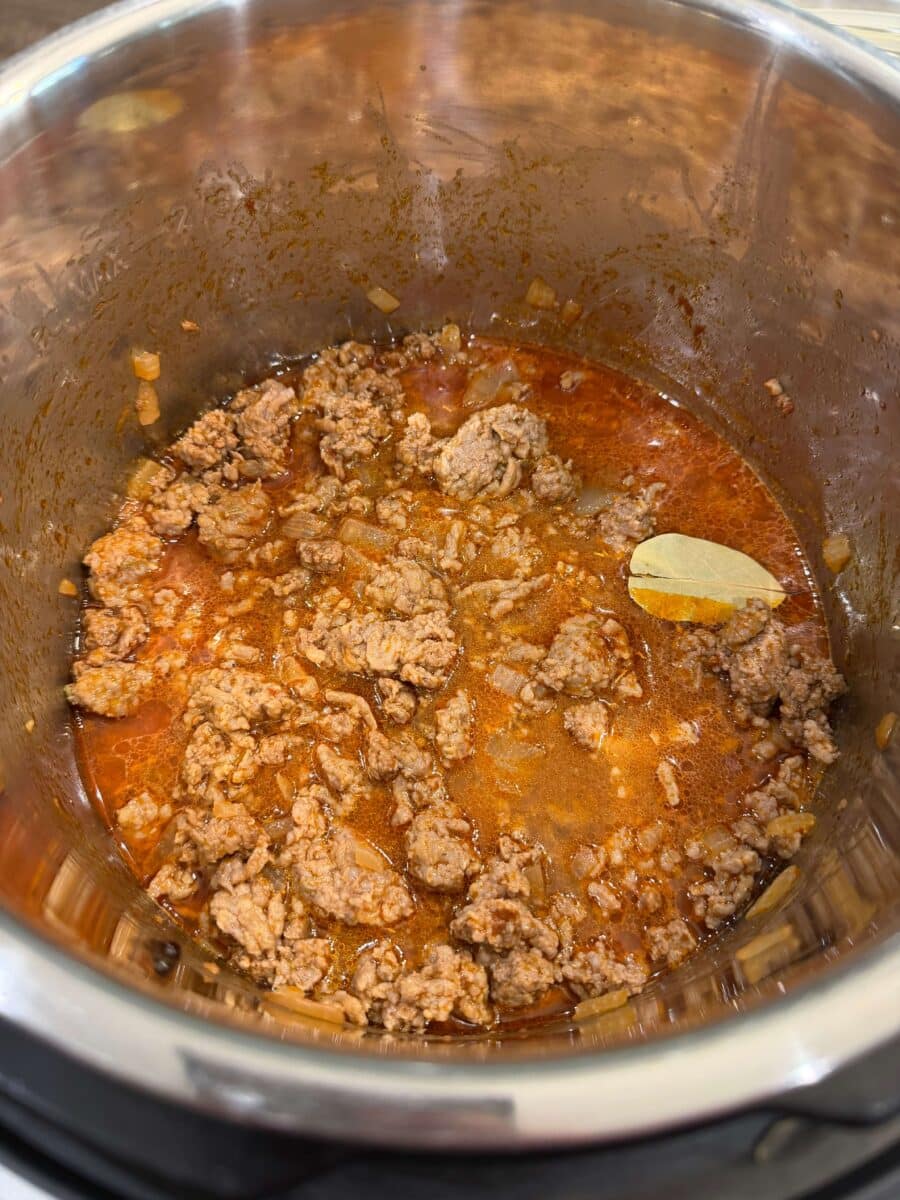
- Liquidation and Deglazing (12–15 minutes): A critical failure point in pressure cooking is the "burn" warning, which occurs when sugars or starches adhere to the bottom of the steel insert. To prevent this, liquid broth is added, and the bottom of the pot is thoroughly scraped to ensure no residue remains.
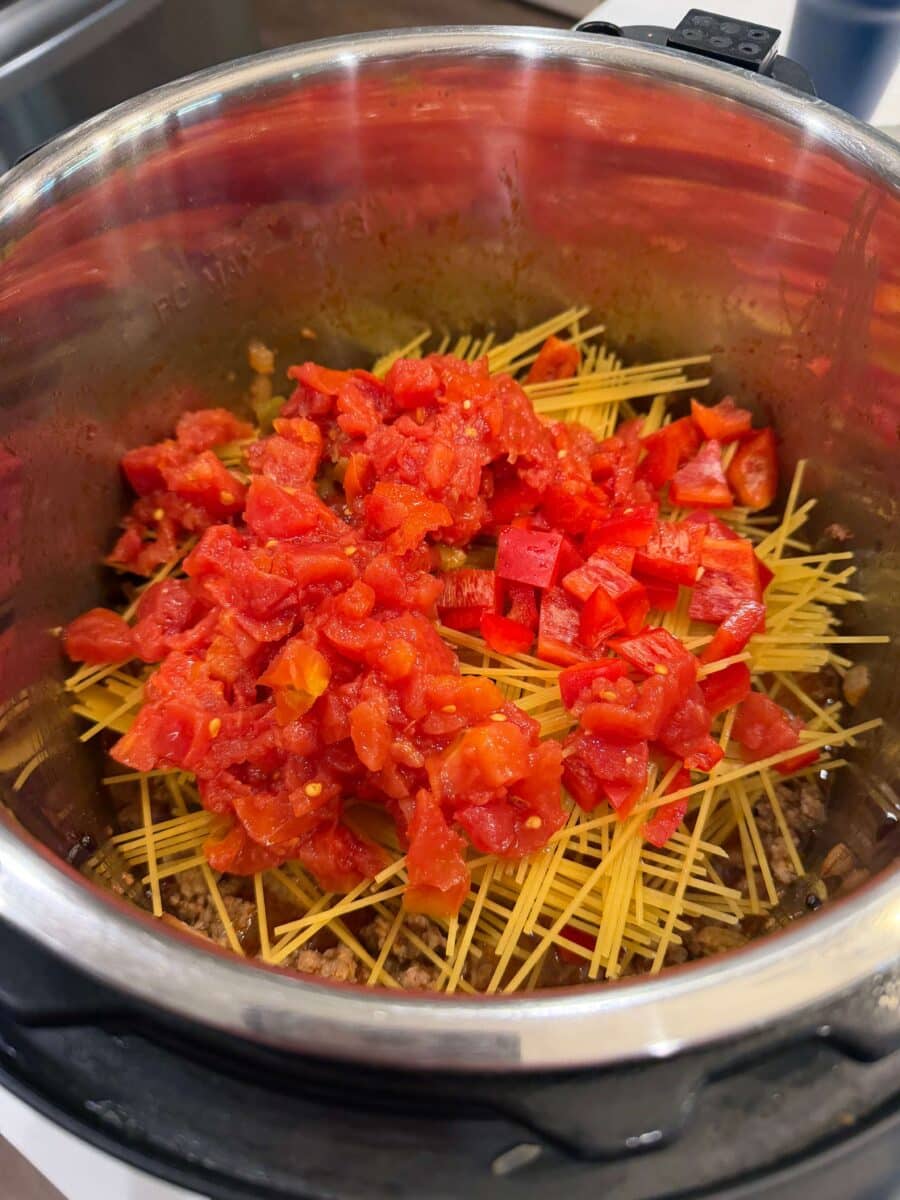
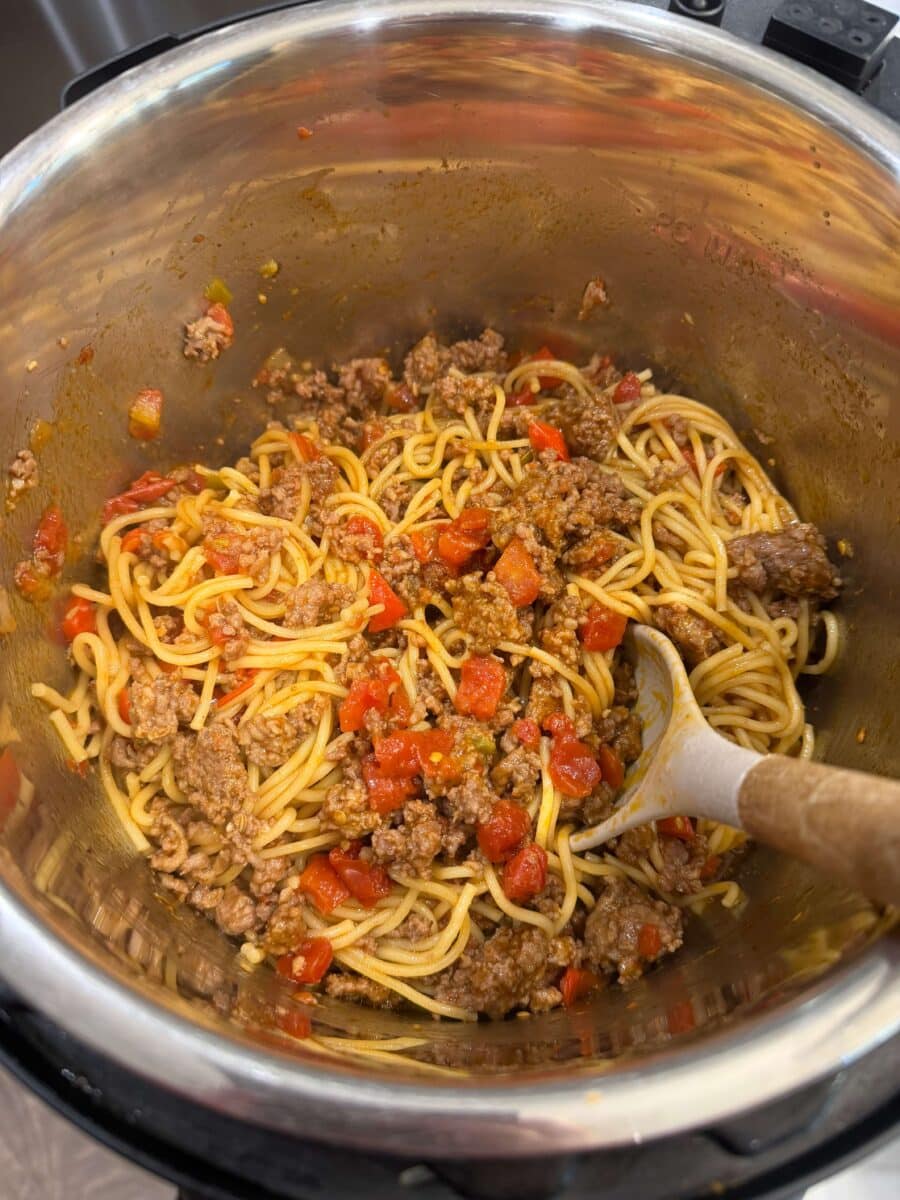
- Pressure Cook Cycle (15–20 minutes): Spaghetti is added in a specific manner—often broken in half and scattered to prevent clumping—followed by the addition of Rotel tomatoes and peppers on top. The vessel is sealed, and the unit is set to high pressure for four minutes.
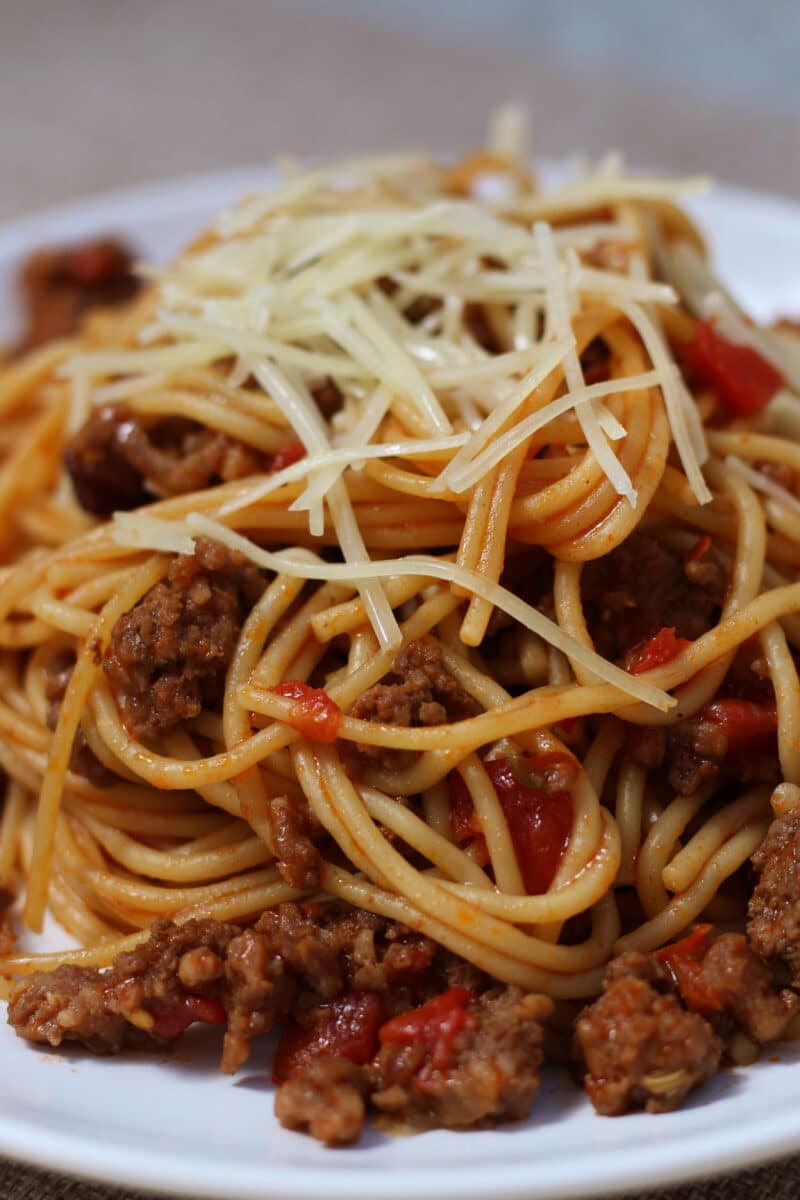
- Natural Release and Finishing (20–35 minutes): Following the cook cycle, the dish requires a 5-to-10-minute natural release period. This allows the internal pressure to subside gradually, preventing the pasta from undergoing thermal shock and ensuring the sauce adheres effectively to the noodles.
Nutritional and Economic Analysis
From a nutritional standpoint, this dish is classified as a high-protein, calorie-dense meal. The standard preparation utilizes 1.5 pounds of meat per 8 ounces of pasta, which significantly shifts the ratio toward protein compared to standard pasta dishes.
From an economic perspective, the dish leverages budget-friendly staples. Ground beef and Italian sausage are generally accessible, shelf-stable canned tomatoes provide year-round availability, and dry pasta remains one of the most cost-effective pantry items globally. For families managing rising grocery costs, the ability to stretch a small amount of pasta with a larger quantity of protein offers a practical solution to meal planning, allowing for portion control and leftovers that maintain their texture well under refrigeration.
Broader Implications of Modern Kitchen Technology
The widespread adoption of appliances like the Instant Pot has fundamentally changed the domestic culinary landscape. According to market research on home kitchen trends, consumers are increasingly seeking "one-pot" solutions that reduce cleanup time and active stove-time.
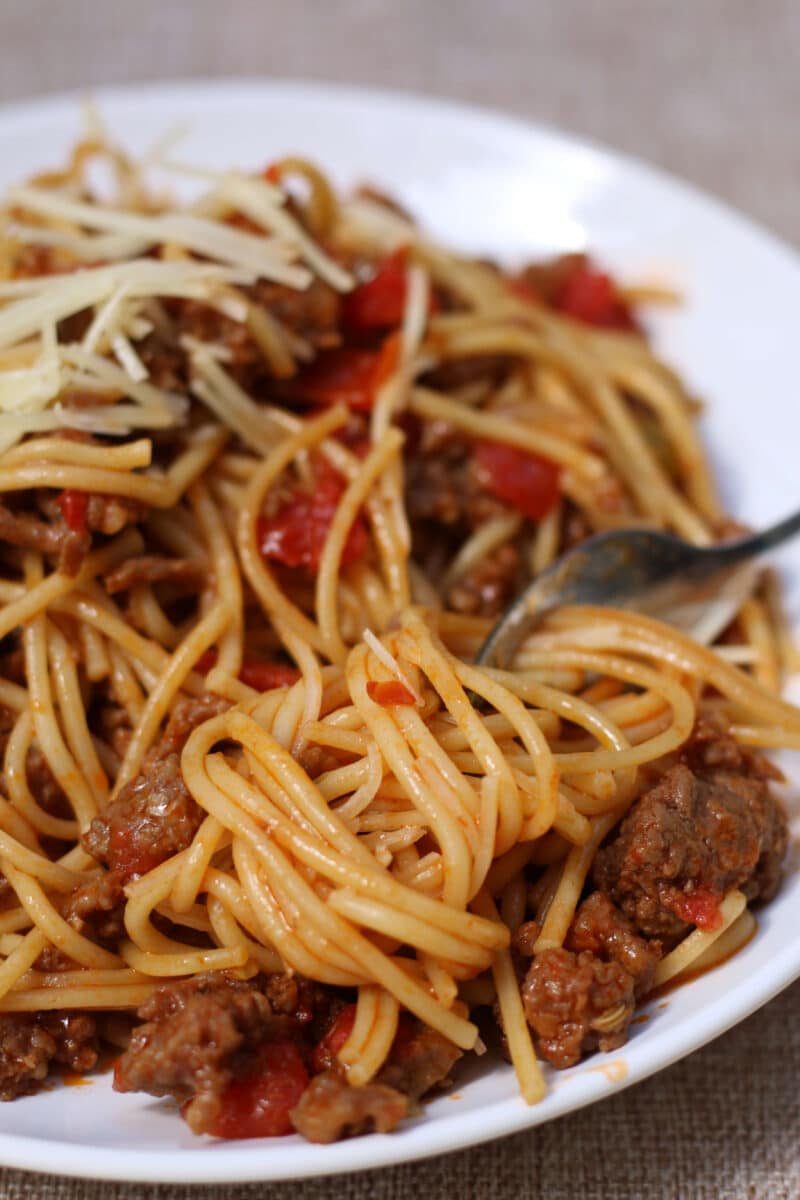
This specific application of Cajun cooking techniques demonstrates a shift toward "convenience-first" gastronomy. While purists might argue that traditional dirty rice requires long-term simmering to achieve its depth of flavor, the pressure-cooking method uses steam and high pressure to force flavor molecules into the pasta strands in a fraction of the time. This efficiency is not merely a convenience; it represents a broader trend in Western households where the demand for scratch-made meals meets the reality of time-constrained lifestyles.
Expert Perspectives and Culinary Reception
Professional chefs who have reviewed the rise of "fusion" pressure-cooker meals often note that the primary challenge is seasoning balance. The use of pre-mixed Cajun seasonings can lead to high sodium levels, a factor that home cooks are encouraged to monitor. Nutritionists suggest that balancing the intensity of the sausage and the sodium content of canned tomatoes with fresh aromatics—such as additional bell peppers and celery—can mitigate the salt load while adding essential vitamins and fiber.
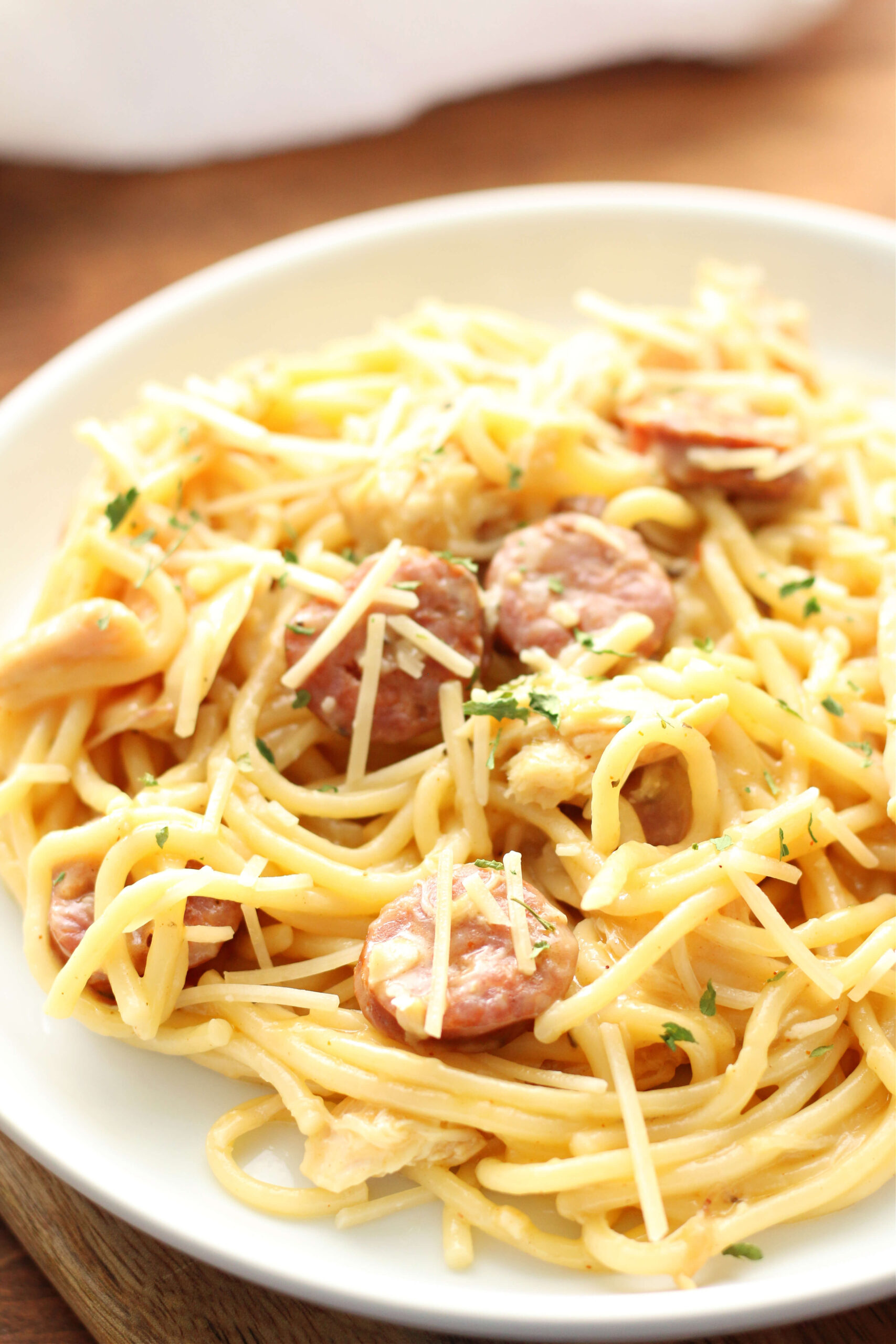
Furthermore, the popularity of this dish reflects a democratization of Cajun cuisine. By simplifying the methodology, the dish has moved from specialized regional restaurants to mainstream home kitchens. This accessibility has encouraged further experimentation, with home cooks now frequently adjusting the heat levels by varying the type of sausage—ranging from mild Italian to spicy Andouille—or adding alternative proteins like shrimp or chicken.
Conclusion and Future Outlook
Cajun Inspired Dirty Spaghetti stands as a testament to the versatility of the modern kitchen. By merging the historical flavor profiles of the American South with the technical capabilities of modern pressurized hardware, the recipe offers a blueprint for how traditional dishes can be adapted for the 21st century. As more home cooks adopt multi-cookers, it is likely that other regional classics will undergo similar transformations, focusing on efficiency without sacrificing the bold, complex flavors that define culinary heritage.
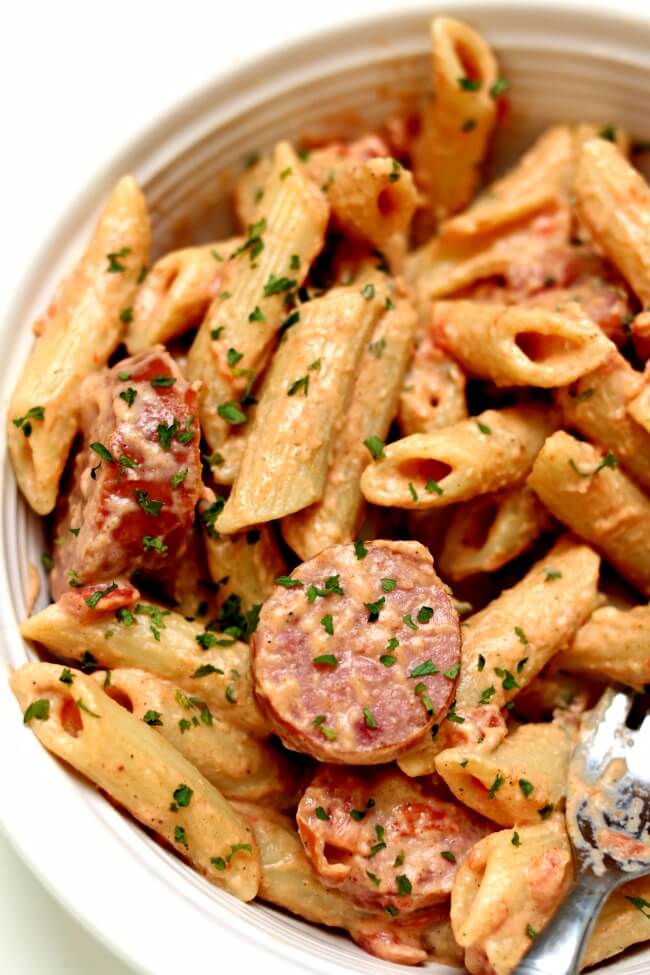
For those attempting this dish for the first time, the key takeaway is to manage the ingredient ratios carefully. While the original recipe calls for a substantial amount of meat, the flexibility of the dish allows for adjustments based on dietary preferences or household size. Whether prepared for a quick weeknight dinner or as a centerpiece for a casual gathering, this dish remains a prime example of how simple ingredients, when treated with the correct technical application, can produce a result that is both comforting and sophisticated.
