

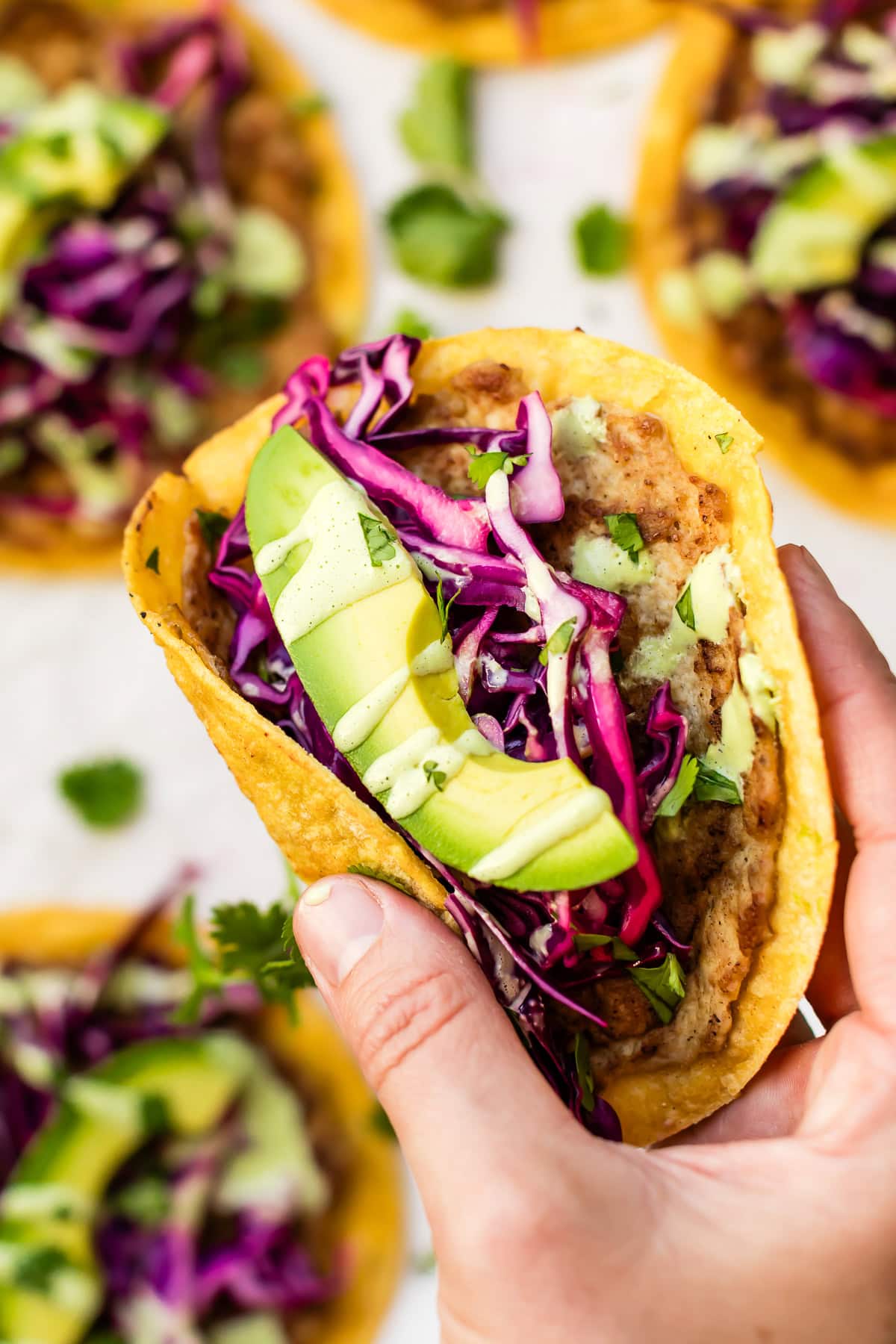
The evolution of home cooking has been significantly influenced by social media trends that prioritize both efficiency and high-impact flavors. One of the most prominent developments in recent years is the "smash" technique, a culinary method originally popularized by the smash burger movement, which has now transitioned into the realm of taco preparation. This technique, characterized by pressing ground protein directly onto a heated surface to achieve a caramelized, crispy crust, has reached a new iteration with the introduction of Chicken Smash Tacos topped with a vibrant lime-cabbage slaw and a signature creamy jalapeño sauce.
The Mechanics of the Smash Technique
At its core, the smash taco method relies on the Maillard reaction—a chemical reaction between amino acids and reducing sugars that gives browned food its distinctive flavor. When ground chicken is pressed into a thin layer against a hot skillet or griddle, the increased surface area ensures rapid cooking and an optimal texture.

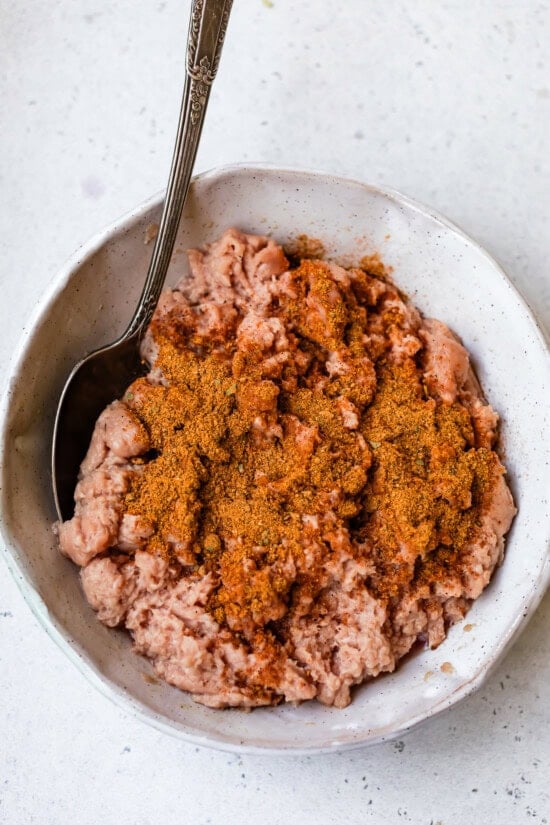
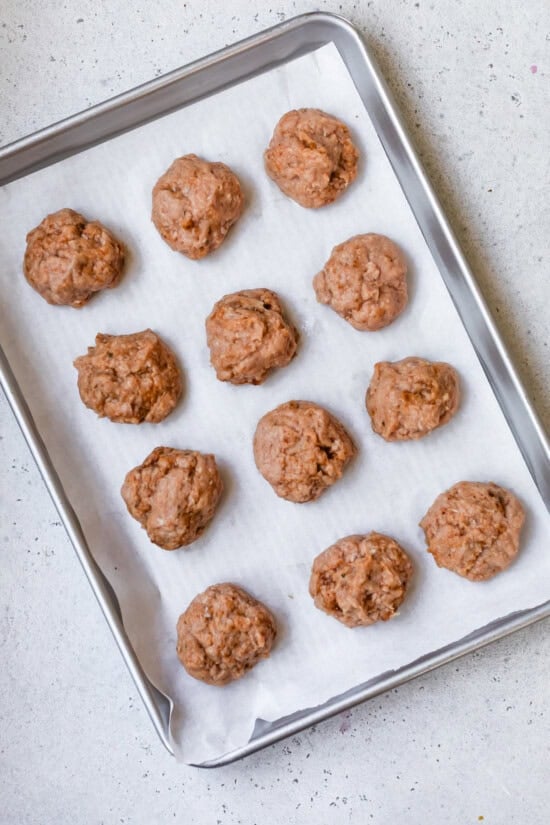
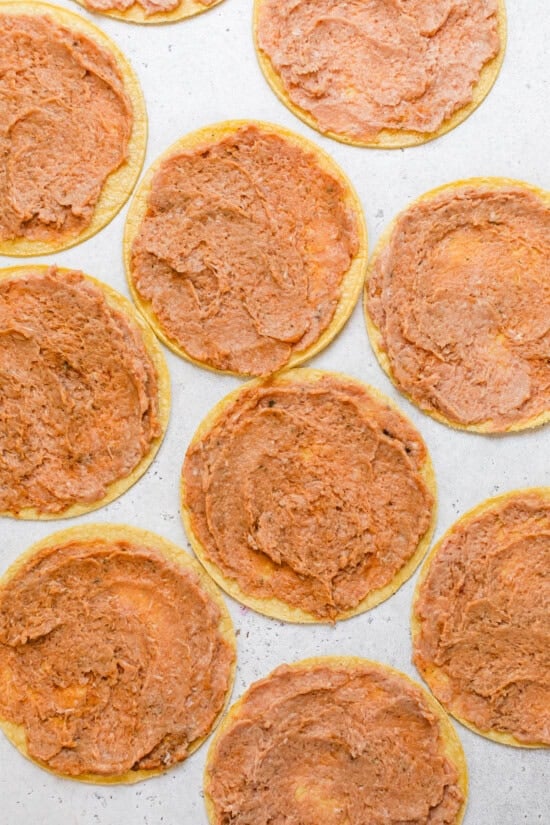
While traditional taco preparation often involves sautéing pre-cooked meat or slow-simmering proteins, the smash method dictates that raw ground meat be pressed directly onto a raw corn tortilla. As the meat contacts the high heat of the cooking surface, it adheres to the tortilla, effectively fusing the protein to the base. This process typically requires no more than five minutes of active heat, making it a viable solution for time-constrained households seeking a nutrient-dense, high-protein meal.

Historical Context and Culinary Evolution
The viral nature of smash-style cooking began in the early 2020s, largely driven by short-form video platforms that highlighted the aesthetic appeal of "smashed" food. The transition from beef-based smash burgers to poultry-based tacos represents a broader shift in consumer preferences toward leaner protein sources. Ground chicken, being lower in saturated fat than traditional beef, has gained popularity among health-conscious demographics.
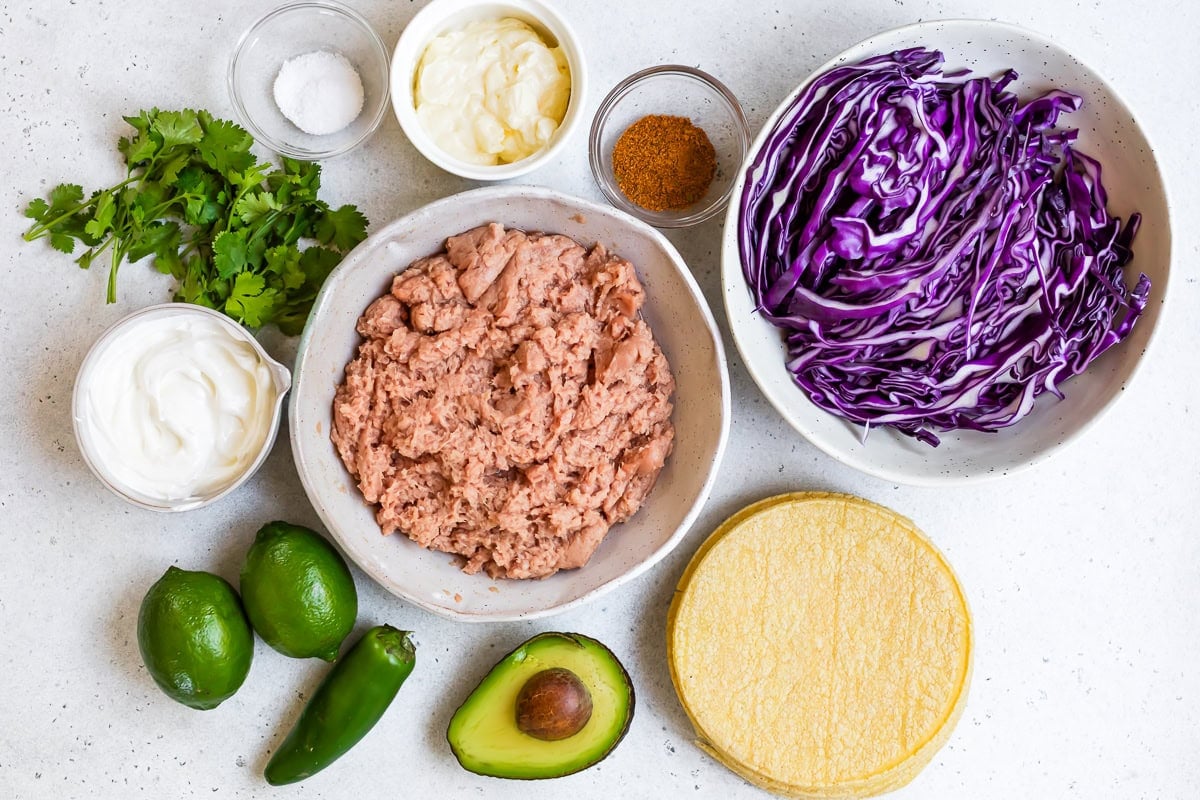
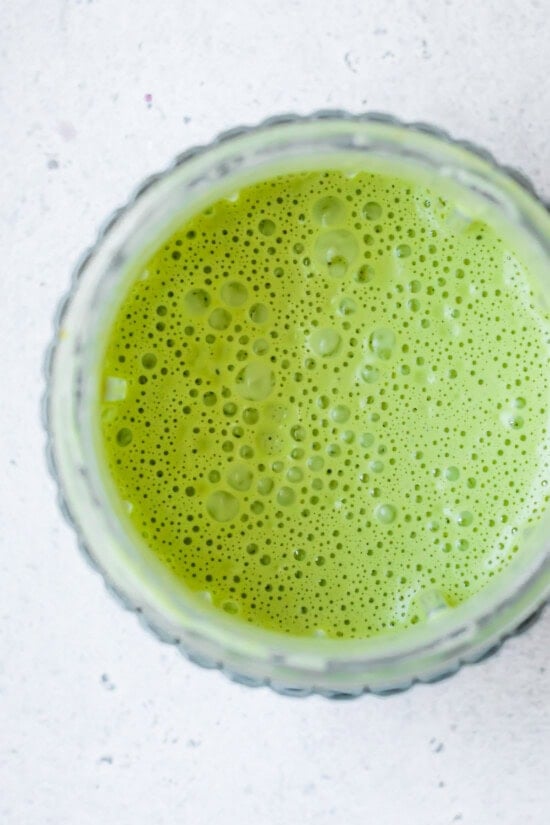
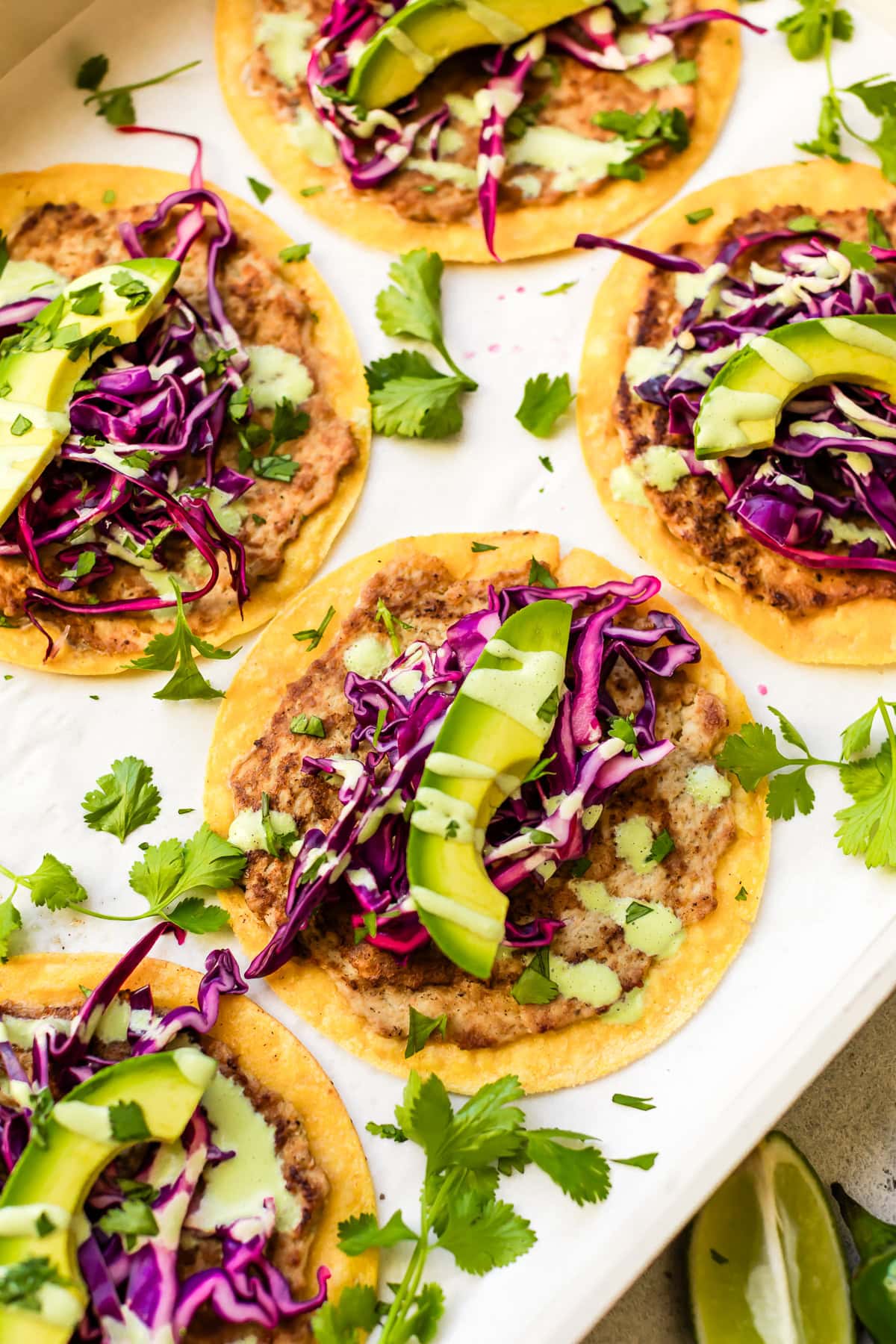
By integrating a lime-cabbage slaw, this recipe introduces a necessary acidic element that cuts through the richness of the protein. The inclusion of a creamy jalapeño sauce serves to balance the heat of the peppers with a cooling, emulsified texture. This layering of textures—the crunch of the slaw, the crispness of the seared chicken, and the creaminess of the sauce—aligns with contemporary culinary standards for a balanced dining experience.
Nutritional Profile and Dietary Implications
In an era where home cooks are increasingly aware of macronutrient distribution, these tacos offer a balanced profile. According to standard nutritional analysis for this preparation, a serving size of three tacos provides approximately 445 calories, 27.5 grams of protein, and 7.5 grams of fiber.
The reliance on corn tortillas, which are naturally gluten-free and typically lower in processed additives than their flour counterparts, further enhances the nutritional value. The cabbage slaw acts as a significant source of micronutrients, providing essential vitamins K and C, while the jalapeño-based sauce contributes antioxidants found in capsaicin. For individuals managing glycemic responses, the combination of high protein and fiber content suggests a slower, more sustained release of energy compared to traditional, carbohydrate-heavy fast food alternatives.
Strategic Execution: Tips for Success
Professional kitchen testing indicates that the success of the smash taco relies heavily on equipment and temperature control. Utilizing a high-heat-retaining surface, such as a cast-iron skillet or a dedicated griddle, is essential for achieving the desired sear.
Culinary experts recommend the following best practices for home preparation:
- Surface Area Management: Overcrowding the pan can lead to steaming rather than searing. It is advised to cook in batches to ensure the chicken reaches the Maillard threshold.
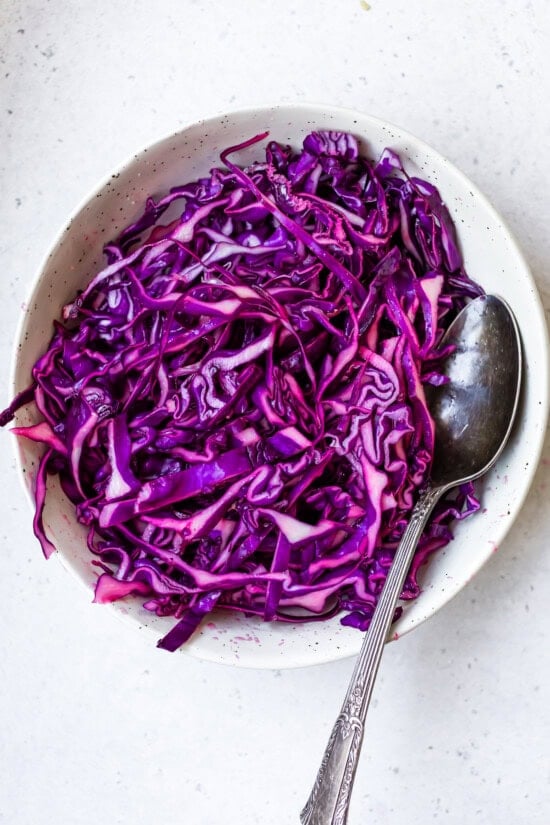
- Moisture Control: Ensuring the cabbage slaw is thoroughly drained after macerating in lime juice prevents the tacos from becoming soggy upon assembly.
- Heat Regulation: Maintaining a consistent medium-high heat prevents the tortilla from burning before the chicken is fully cooked through.
- Emulsification: When preparing the jalapeño sauce, ensuring that the dairy or oil base is properly emulsified with the aromatics creates a stable, professional-grade condiment that will not break down under the heat of the tacos.
Broader Economic and Lifestyle Impacts
The rise of recipes like the Chicken Smash Taco reflects a wider movement toward "fast-casual at home." As inflation affects the cost of restaurant dining, consumers are increasingly seeking ways to replicate high-end, trend-driven meals within their own kitchens. This phenomenon is supported by the availability of online instructional content, which has democratized cooking techniques once reserved for professional chefs.

The impact on grocery retail is also observable. There is a marked increase in the demand for versatile, lean proteins like ground chicken and ready-to-use fresh produce staples such as cabbage and jalapeños. Retailers have noted that recipe-centric shopping lists—where consumers buy specifically for a single, well-defined meal—have become the dominant shopping pattern for younger demographics.
Conclusion
The Chicken Smash Taco represents a sophisticated intersection of efficiency, health, and flavor. By applying the scientific principles of searing to a familiar, accessible format, home cooks can achieve restaurant-quality results in a fraction of the time required for traditional cooking methods. As culinary trends continue to evolve, the emphasis on high-protein, fiber-rich, and visually appealing dishes like these will likely remain a staple of the modern home-dining landscape. Whether served as a weeknight dinner or as an entertaining option for gatherings, the scalability and adaptability of this recipe make it a significant addition to the contemporary culinary repertoire.
