

Nutritional Composition and Ingredient Analysis
The fundamental appeal of Monster Protein Balls lies in their accessibility and the integrity of their ingredients. Unlike many commercially manufactured energy bars, which often contain hidden preservatives, excessive sodium, and refined sugars, these homemade bites rely on a controlled profile of essential nutrients.
The primary components—oats and peanut butter—serve as the foundation. Oats are a complex carbohydrate providing dietary fiber, which aids in digestion and helps regulate blood glucose levels. Peanut butter serves as a source of healthy monounsaturated fats and plant-based protein. When combined with honey as a natural binding agent and vanilla-flavored protein powder, the snack achieves a macronutrient balance that supports muscle repair and sustained metabolic function.
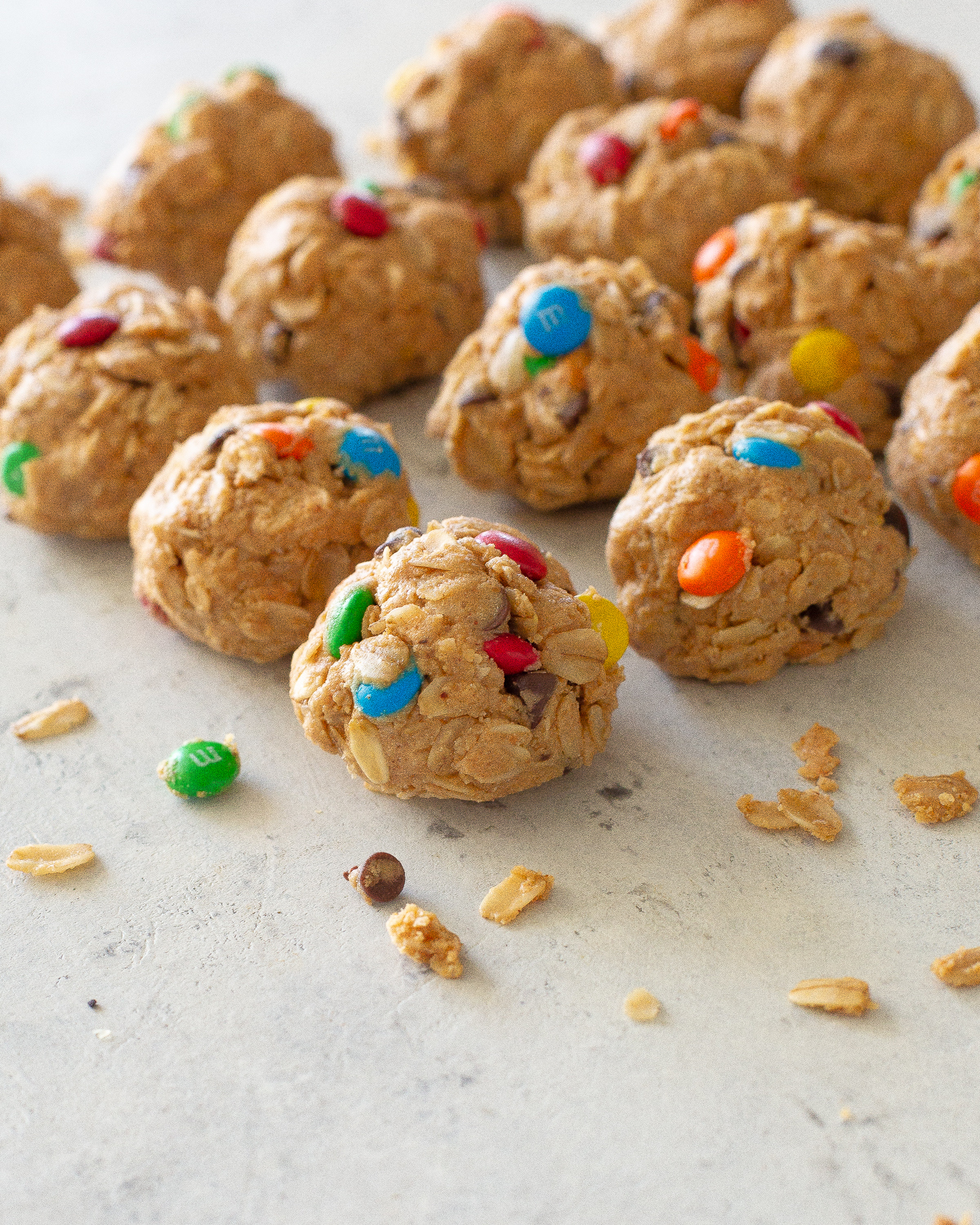
Recent data from the Centers for Disease Control and Prevention (CDC) regarding childhood nutrition suggests that snacking accounts for approximately 25% of the total daily caloric intake for children in the United States. Providing a snack that yields roughly 129 calories per serving, with 4 grams of protein and moderate fat content, allows for a nutrient-dense option that prevents the common "after-school energy crash" associated with high-glycemic index treats.
Culinary Methodology and Practical Application
The preparation of these protein bites has become a significant trend in meal-prepping culture. The process involves mixing dry and wet ingredients into a uniform dough, rolling them into spheres, and chilling or freezing them for texture stabilization.
A critical aspect of the preparation involves the choice of peanut butter. Natural peanut butter, which contains only peanuts and perhaps a small amount of salt, provides a different viscosity than commercial alternatives like Jif or Skippy, which often include hydrogenated oils and added sugars. Culinary experts note that when using commercial peanut butter, the ratio of oats must be adjusted—typically decreasing the volume to approximately one cup—to avoid an overly dry consistency. This flexibility allows for individual customization based on the pantry staples available at any given time.
Storage and Shelf-Life Logistics
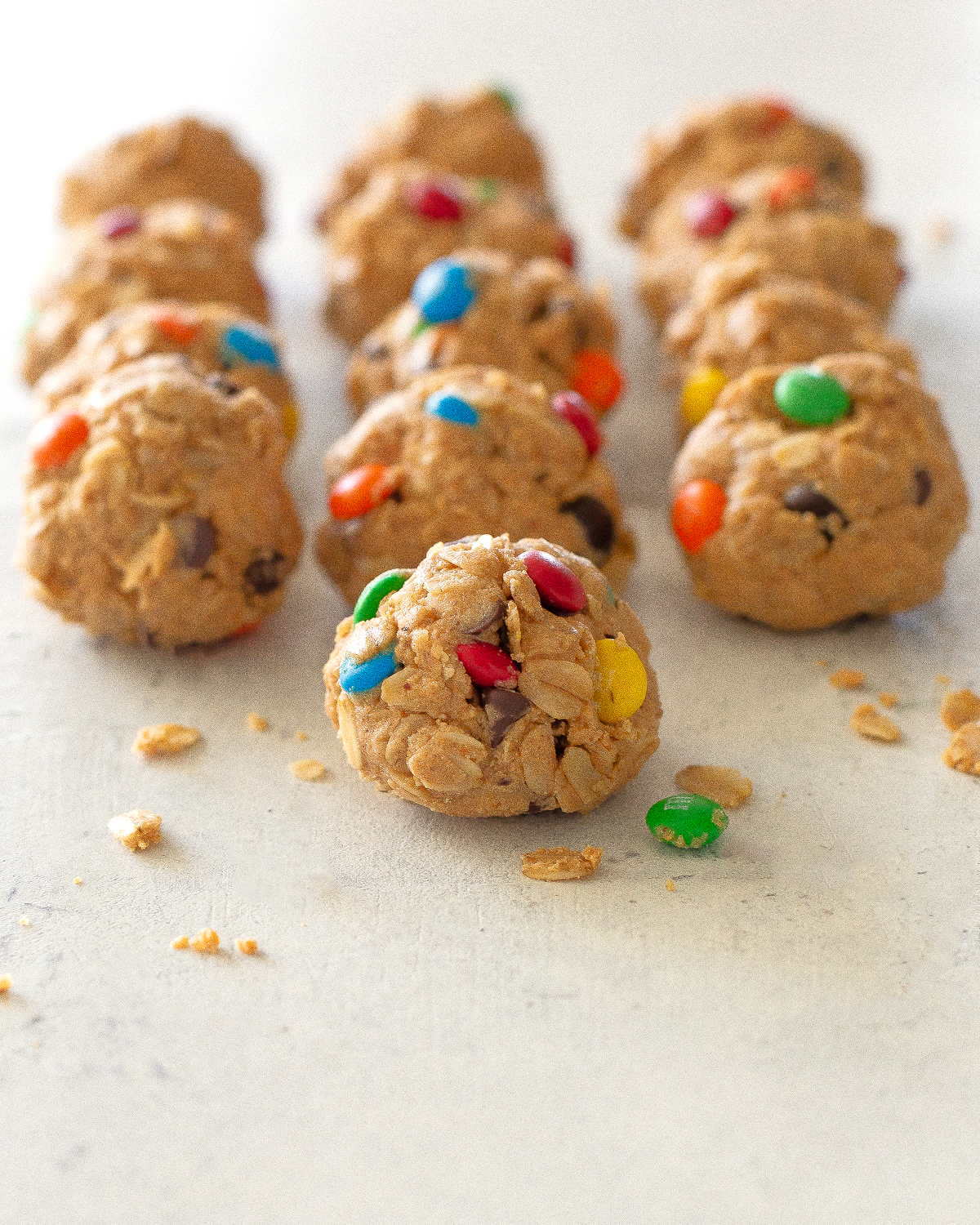
From a practical logistics standpoint, the preservation of these snacks is a notable benefit. They are compatible with long-term freezer storage, maintaining their structural integrity and flavor profile for up to three months when sealed in airtight containers or heavy-duty freezer bags. This longevity allows households to prepare large batches, effectively streamlining weekly meal preparation and reducing the reliance on last-minute, store-bought snack purchases.
Broader Nutritional Trends
The rise of the "protein ball" phenomenon is symptomatic of a broader shift in consumer behavior toward high-protein diets. According to market research from IBISWorld and other industry analysts, the global protein supplement market has seen consistent year-over-year growth, driven by a growing awareness of the role protein plays in satiety and weight management.
By integrating protein powder into snack bites rather than exclusively relying on liquid shakes, consumers are diversifying their intake methods. This trend aligns with the "food as fuel" philosophy, which prioritizes the inclusion of functional ingredients in every meal and snack. The inclusion of M&Ms and mini chocolate chips, while increasing the sugar content, is a tactical addition to ensure palatability for younger consumers, effectively "gamifying" the consumption of protein and fiber-rich foods.
Economic and Practical Implications
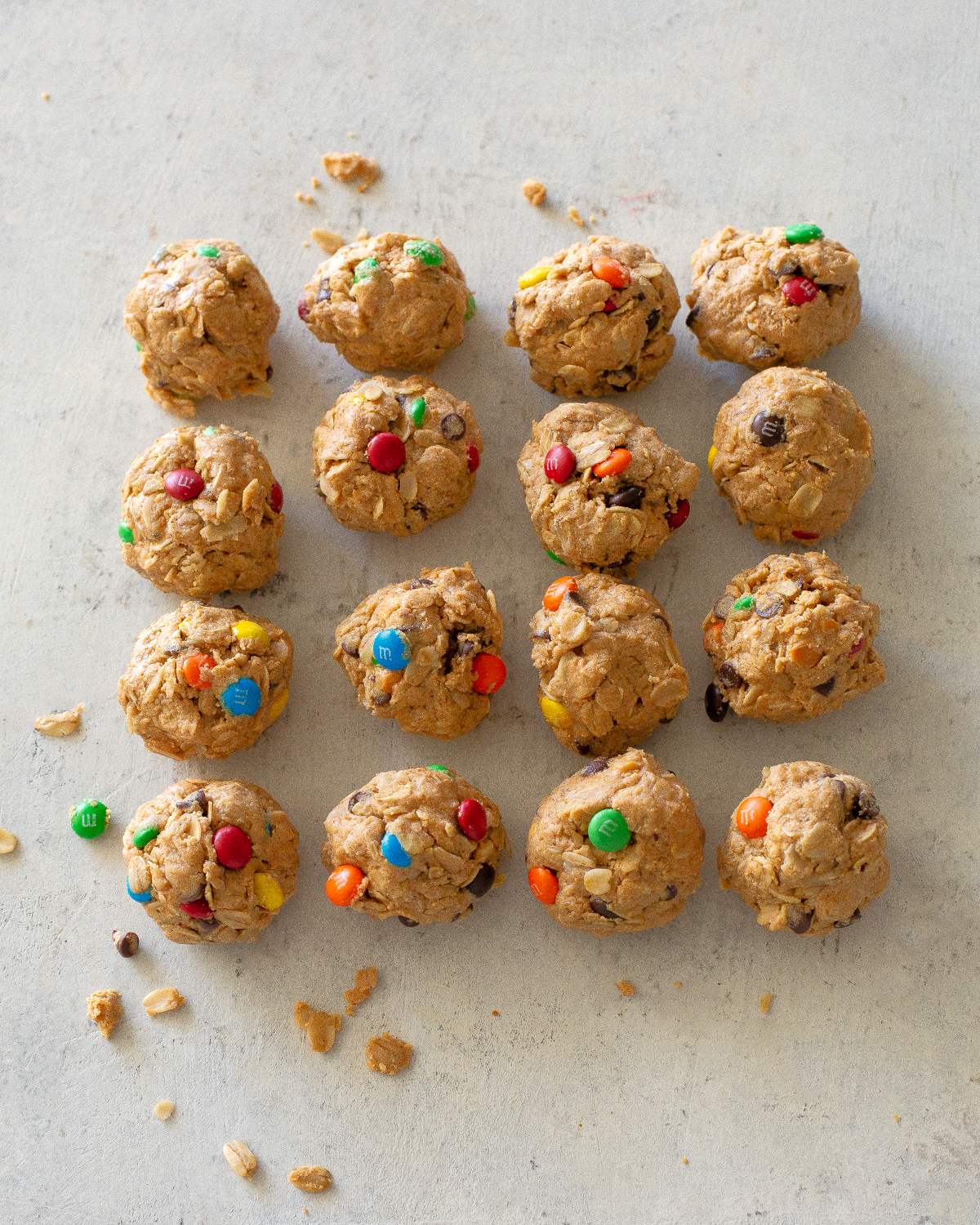
For the average household, the economic efficiency of preparing these bites is significant. By purchasing ingredients in bulk—specifically oats, large containers of peanut butter, and standard protein powder—the cost per serving is substantially lower than purchasing pre-packaged, single-serve protein bars or health snacks.
Furthermore, the avoidance of specialized, hard-to-find ingredients—such as chia seeds, flaxseed meal, or hemp hearts, which were common in early 2010s "energy bite" recipes—makes this specific formulation more accessible to families with varying budgets and grocery store access. The reliance on common pantry staples ensures that the recipe can be replicated consistently, regardless of supply chain fluctuations or localized inventory shortages.
Analysis of Health Implications
While these snacks provide clear benefits, nutritional consultants advise maintaining moderation. Each ball contains approximately 8 grams of sugar, a portion of which is derived from the honey and the chocolate inclusions. For a child or adult with specific dietary restrictions, such as diabetes or peanut allergies, this recipe would require significant modification.
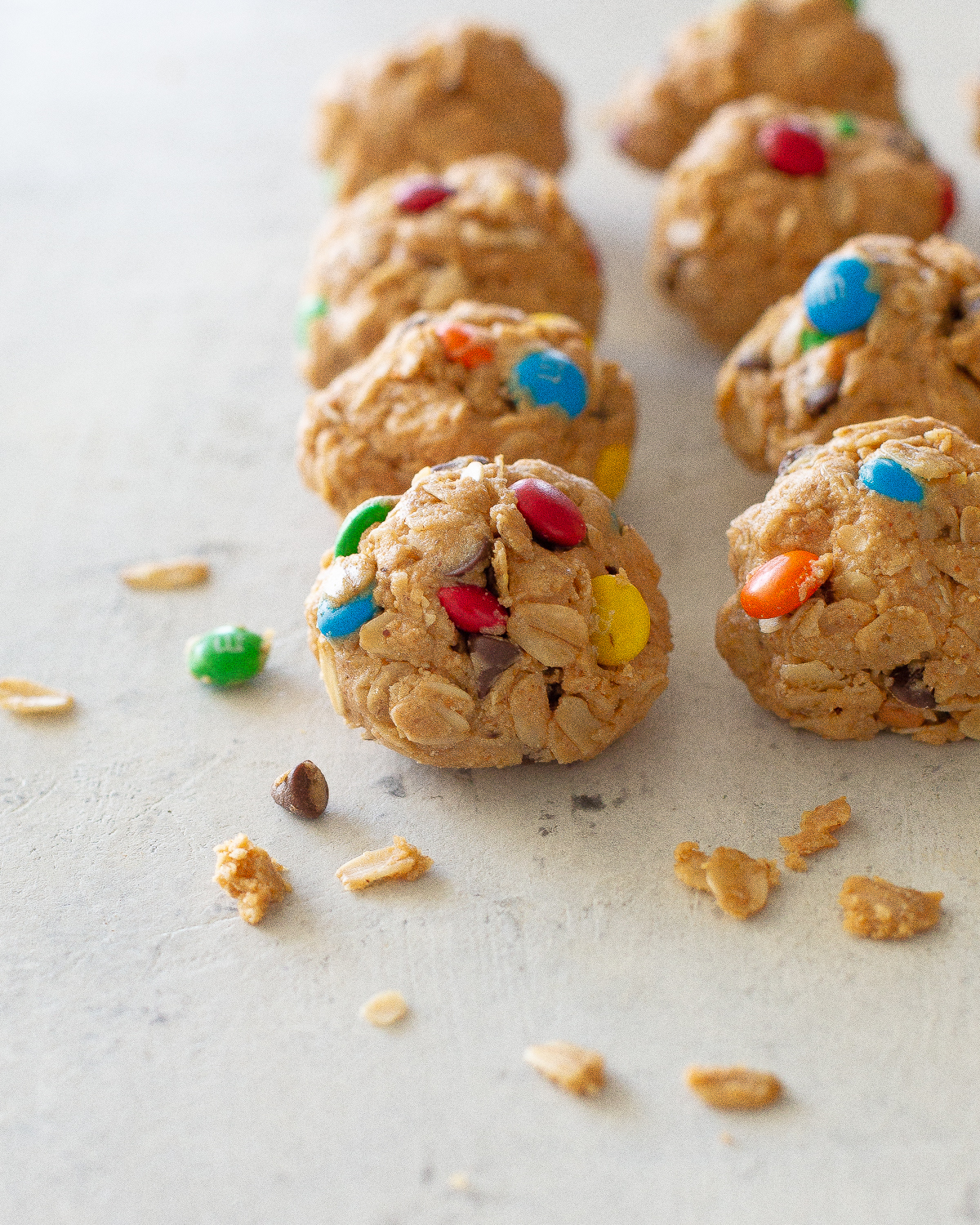
However, in the context of a balanced diet, the presence of 4 grams of protein per ball provides a more stable glycemic response than a standard cookie or candy bar. The interaction between the fiber in the oats and the fat in the peanut butter slows the absorption of sugars, which is a desirable physiological effect for maintaining focus during homework or work-related tasks in the late afternoon.
Future Perspectives in Domestic Nutrition
As food inflation remains a concern for many families, the transition toward "DIY" health foods represents a permanent shift in home economics. The ability to create functional, high-protein snacks at home without specialized equipment or advanced culinary skills is a trend that is expected to continue. Future iterations of such recipes may see the inclusion of plant-based protein alternatives, such as pea or soy protein isolates, to cater to the growing demographic of vegetarian and vegan consumers.
In conclusion, Monster Protein Balls serve as a practical, cost-effective, and nutritionally sound intervention for families attempting to optimize their snack intake. By utilizing stable, long-shelf-life ingredients and providing a flexible framework for preparation, they address the dual demands of time-efficiency and health-consciousness. As the industry continues to evolve, the emphasis will likely remain on these types of "accessible superfoods"—snacks that are easily produced, highly customizable, and scientifically grounded in the principles of balanced macronutrient intake.
