

In the modern culinary landscape, the pressure of last-minute event preparation often leads to significant kitchen stress, particularly when coordinating complex menus for holidays, birthdays, and professional gatherings. The ability to manage time effectively has shifted the focus of home bakers and professional hosts toward "make-ahead" dessert strategies—a category of preparation that prioritizes structural stability, flavor development, and storage longevity. By leveraging recipes specifically designed for cold-setting or freezer storage, hosts can effectively decouple the labor of baking from the timeline of the event, ensuring consistent quality and reduced operational pressure during the final hours before service.
The Science of Flavor Development and Structural Integrity
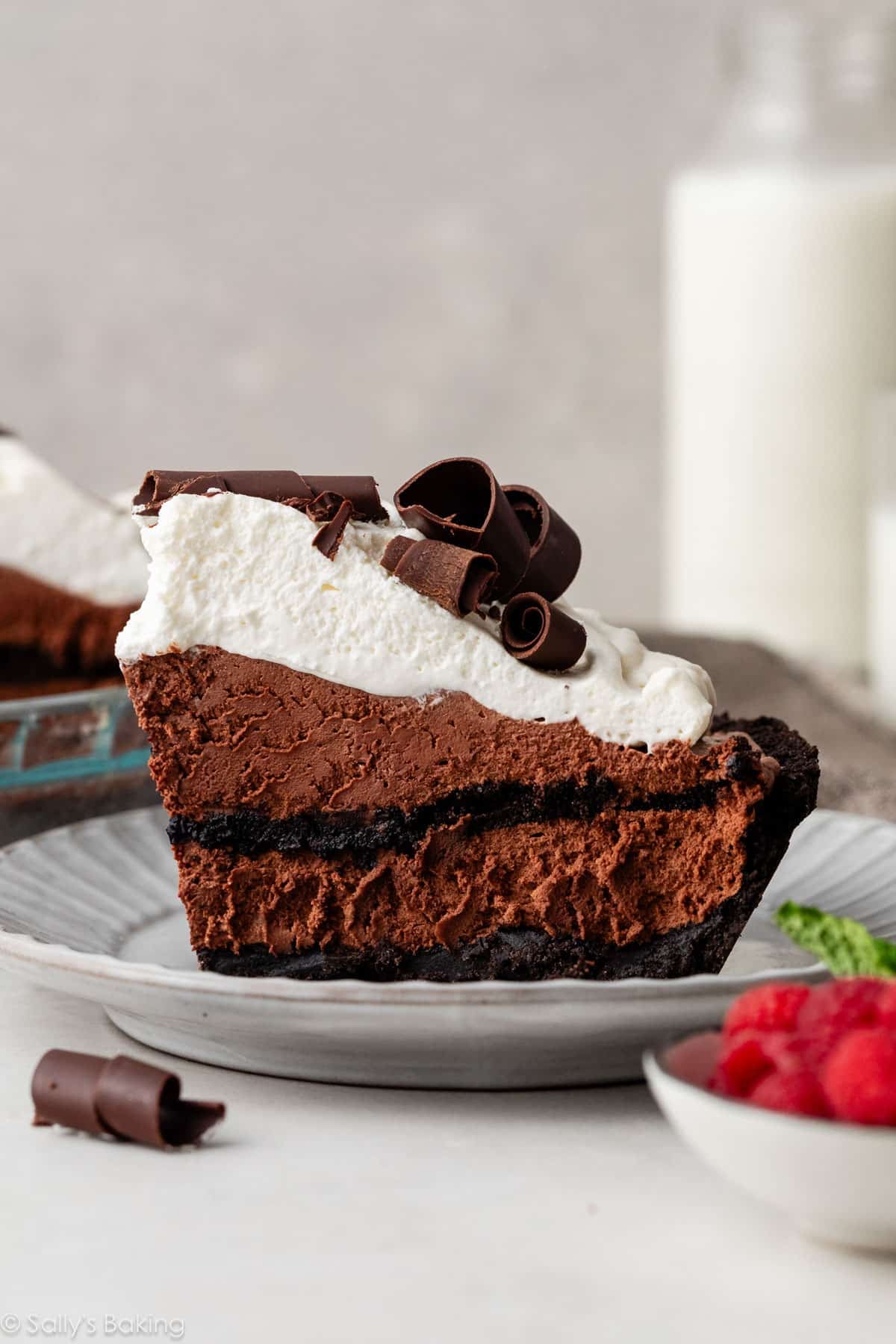
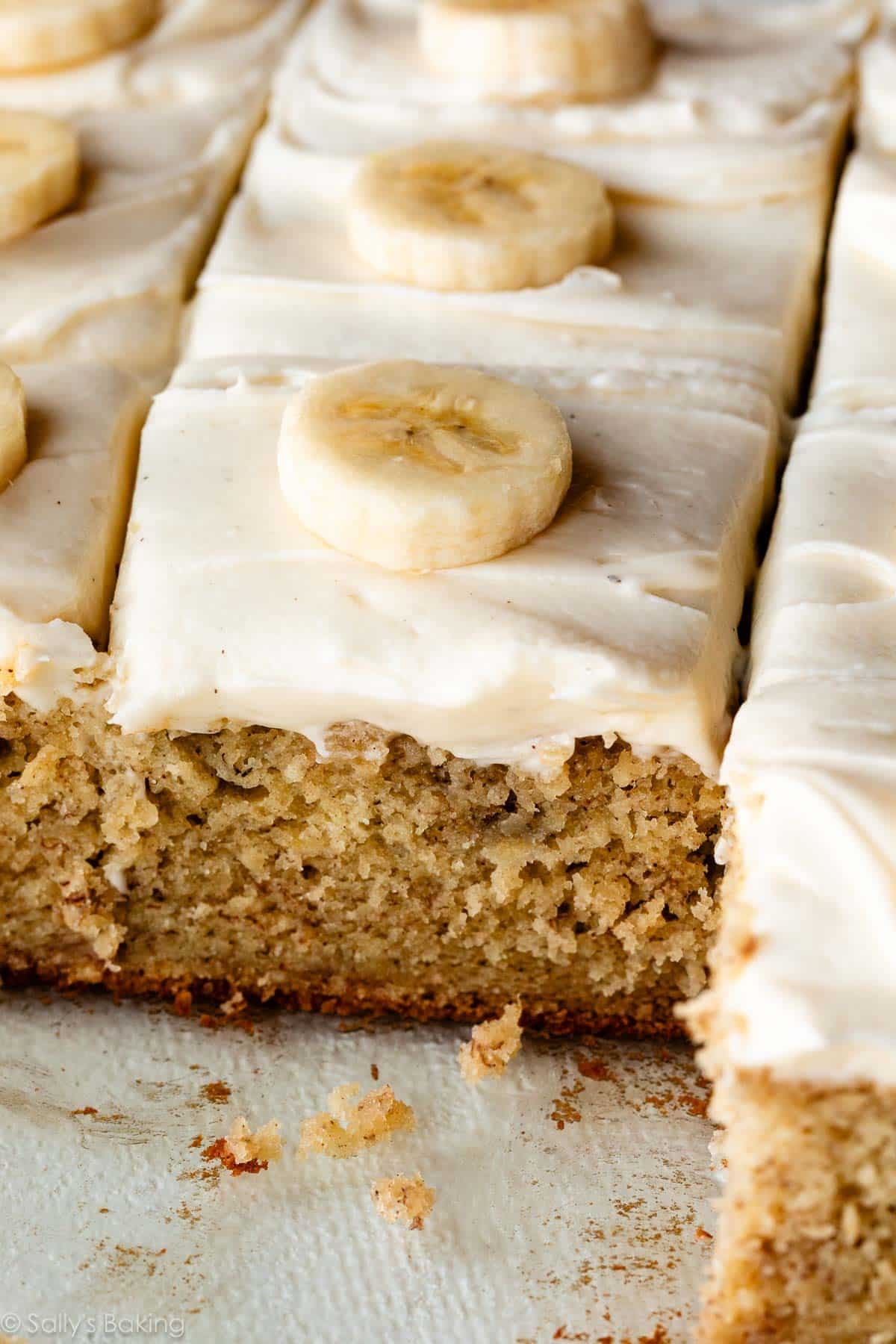
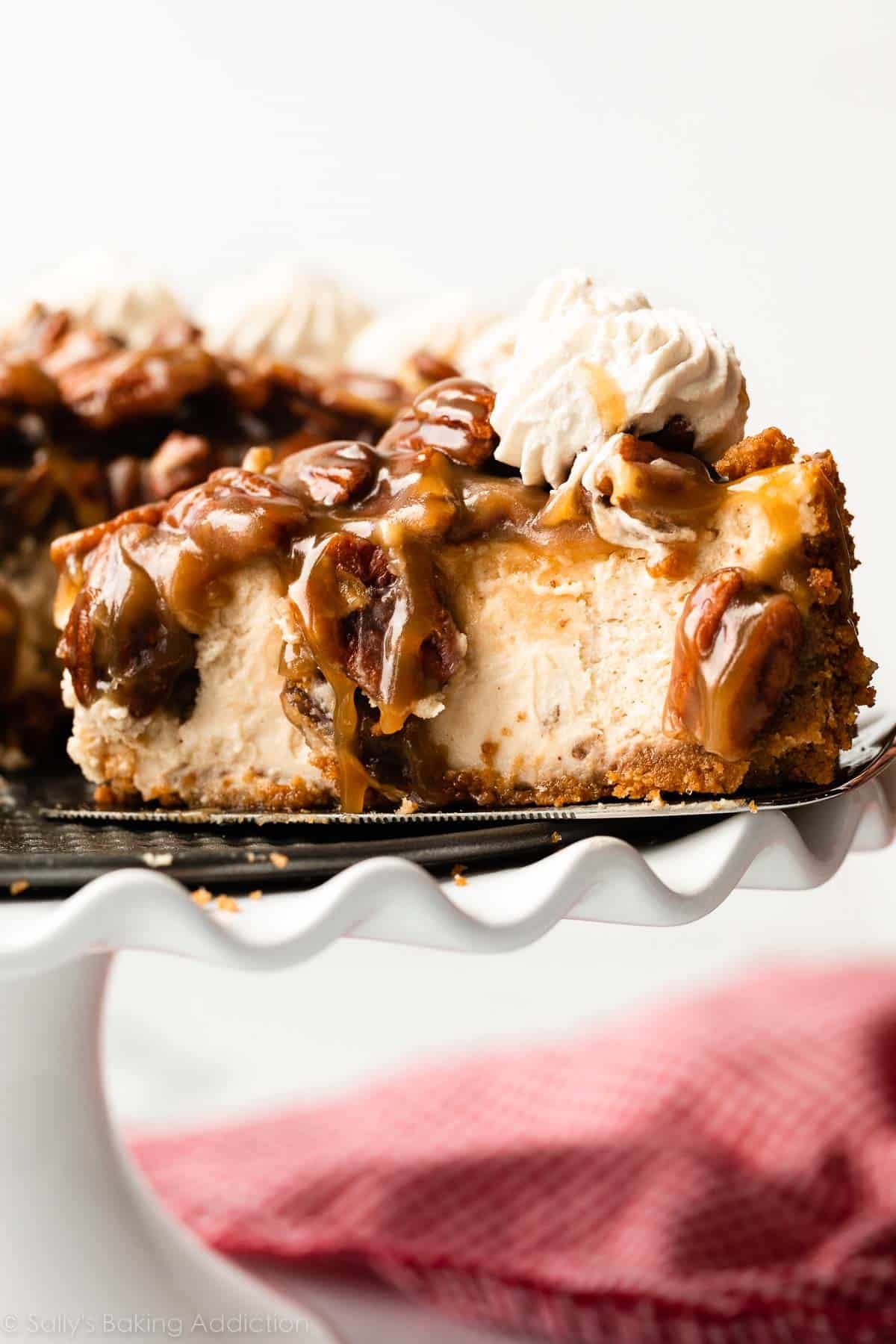
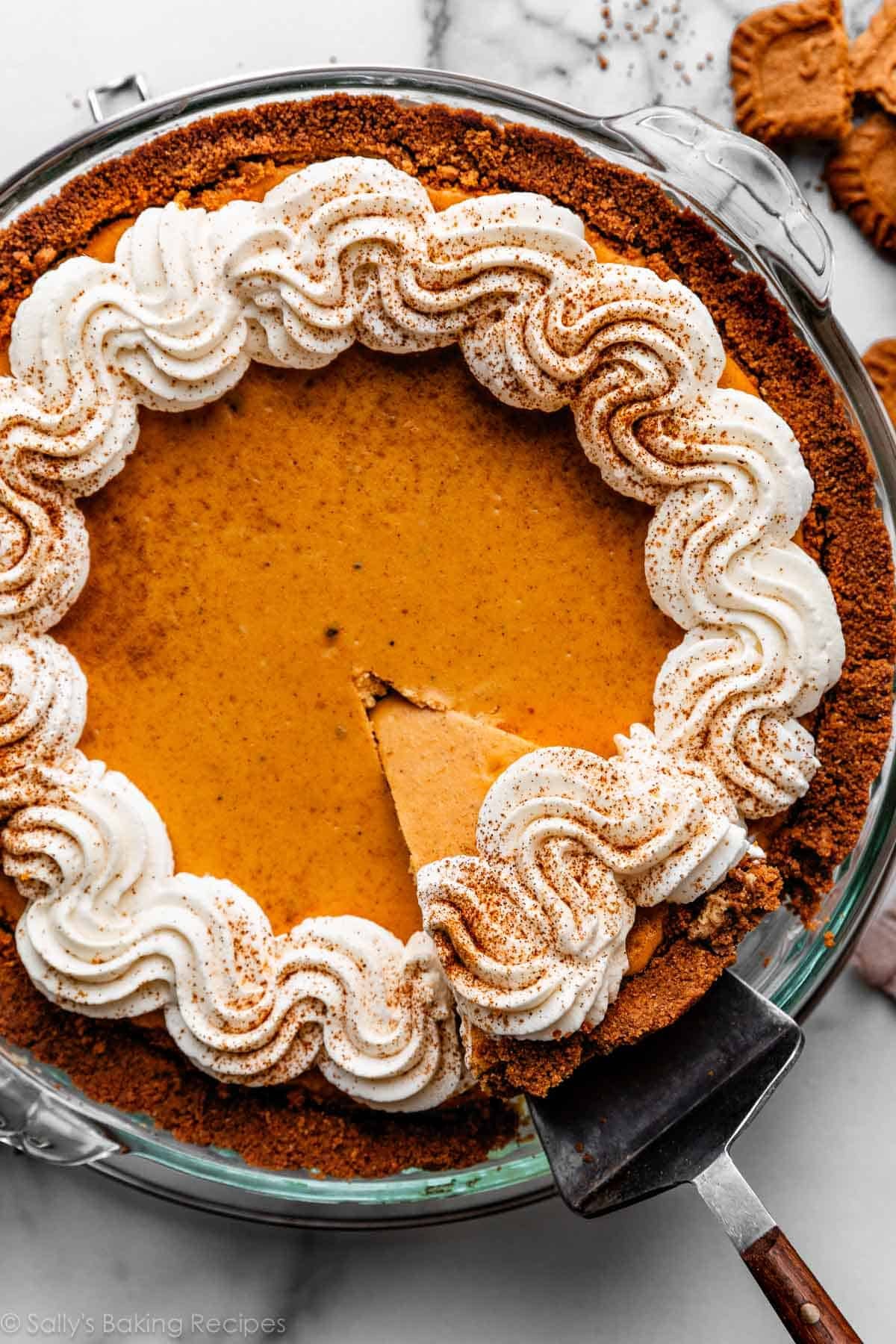
The transition toward make-ahead desserts is supported by food science, which indicates that many baked goods require significant cooling or resting periods to reach optimal sensory profiles. For instance, dense cakes, such as banana-based confections, often undergo a process of moisture equilibration. When stored in an airtight environment, the internal moisture levels distribute evenly throughout the crumb, preventing the dry edges often associated with freshly baked cakes. Similarly, cream-based desserts—including cheesecakes, puddings, and tiramisu—require prolonged refrigeration to allow starches and proteins to undergo a complete set, resulting in a cleaner slice and a more refined mouthfeel.
From a logistics perspective, utilizing the refrigerator or freezer as a staging area allows for "phase-shifted" cooking. This methodology involves completing the labor-intensive stages of mixing, folding, and assembly up to 72 hours in advance. According to industry analysis, this practice minimizes the risk of kitchen-based errors, such as improper cooling or broken ganache, which are frequently reported when bakers are rushed to complete a dessert while managing other hot entrees.

Chronology of Preparation: A Strategic Framework
Professional kitchens and experienced home bakers utilize a tiered preparation schedule to manage high-volume dessert needs. A standard timeline for an event typically follows this structure:
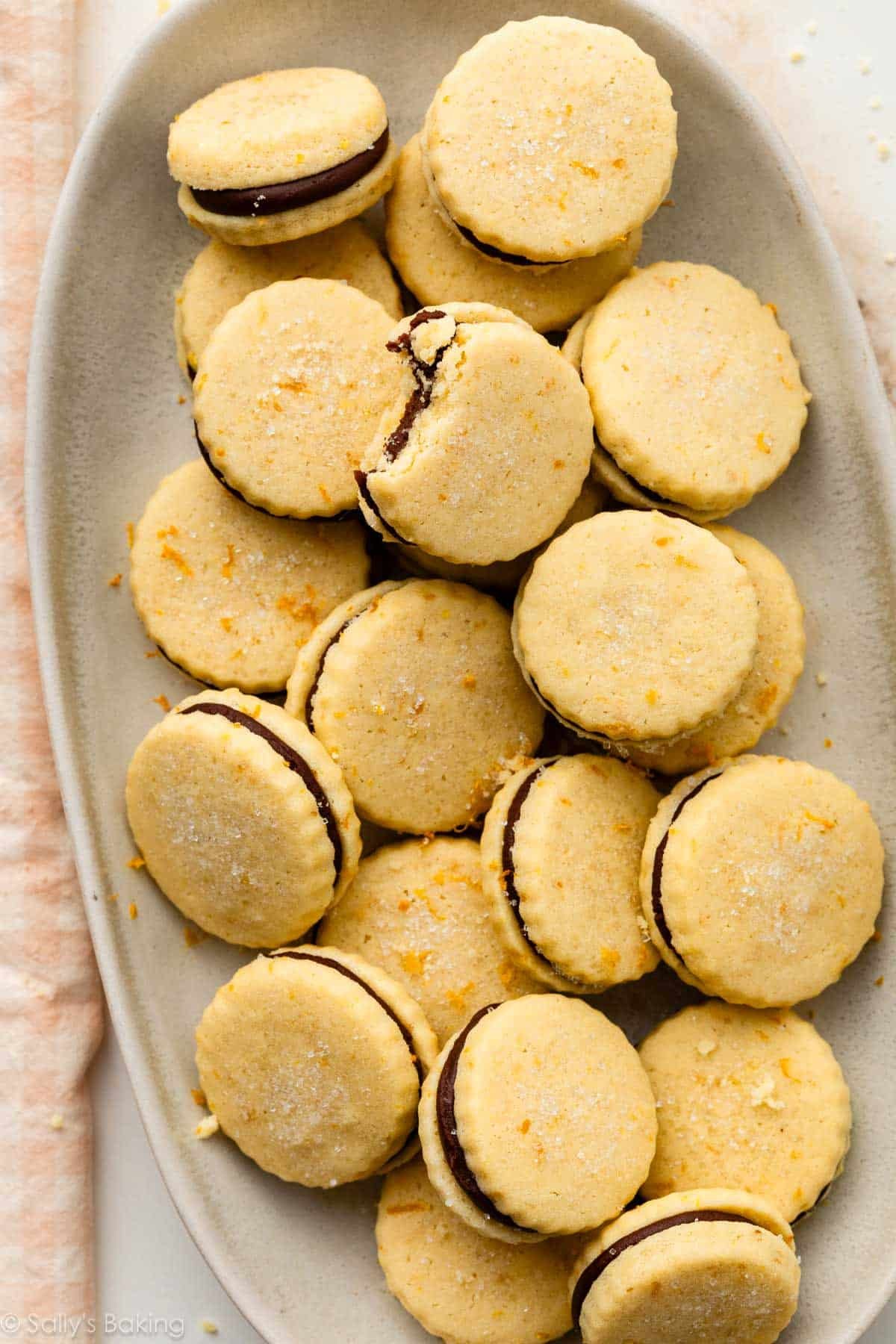
- The 48-Hour Mark (Foundations): During this phase, shelf-stable components—such as crusts, cookies, and fruit reductions—are prepared. Cookies intended for sandwiching, like Linzer or chocolate orange varieties, are baked and cooled.
- The 24-Hour Mark (Assembly): This period is designated for components that require setting time, such as cheesecakes, mousse-based pies, and tiramisu. Assembly ensures that the flavors have time to meld. For example, a layered Smith Island cake requires this time to allow the frosting to stabilize the structural layers.
- The 12-Hour Mark (Freezer Stabilization): Items like ice cream cakes or no-bake bars are placed in the freezer to reach the ideal serving temperature. The high fat content in these desserts, derived from heavy cream or nut butters, ensures they remain scoopable even after long-term freezing.
- The Final Hour (Garnish): The final stage involves only the most perishable tasks, such as dusting with cocoa powder, applying fresh whipped cream, or torching marshmallow toppings.
Categorizing Efficient Dessert Modalities
To maintain quality over time, it is necessary to select recipes that are compatible with specific storage methods. Not all desserts benefit from advanced preparation; delicate soufflés or warm fruit cobblers, for instance, generally require immediate service. Conversely, the following categories are identified as the gold standard for advance prep:

Cold-Set Desserts and Icebox Cakes
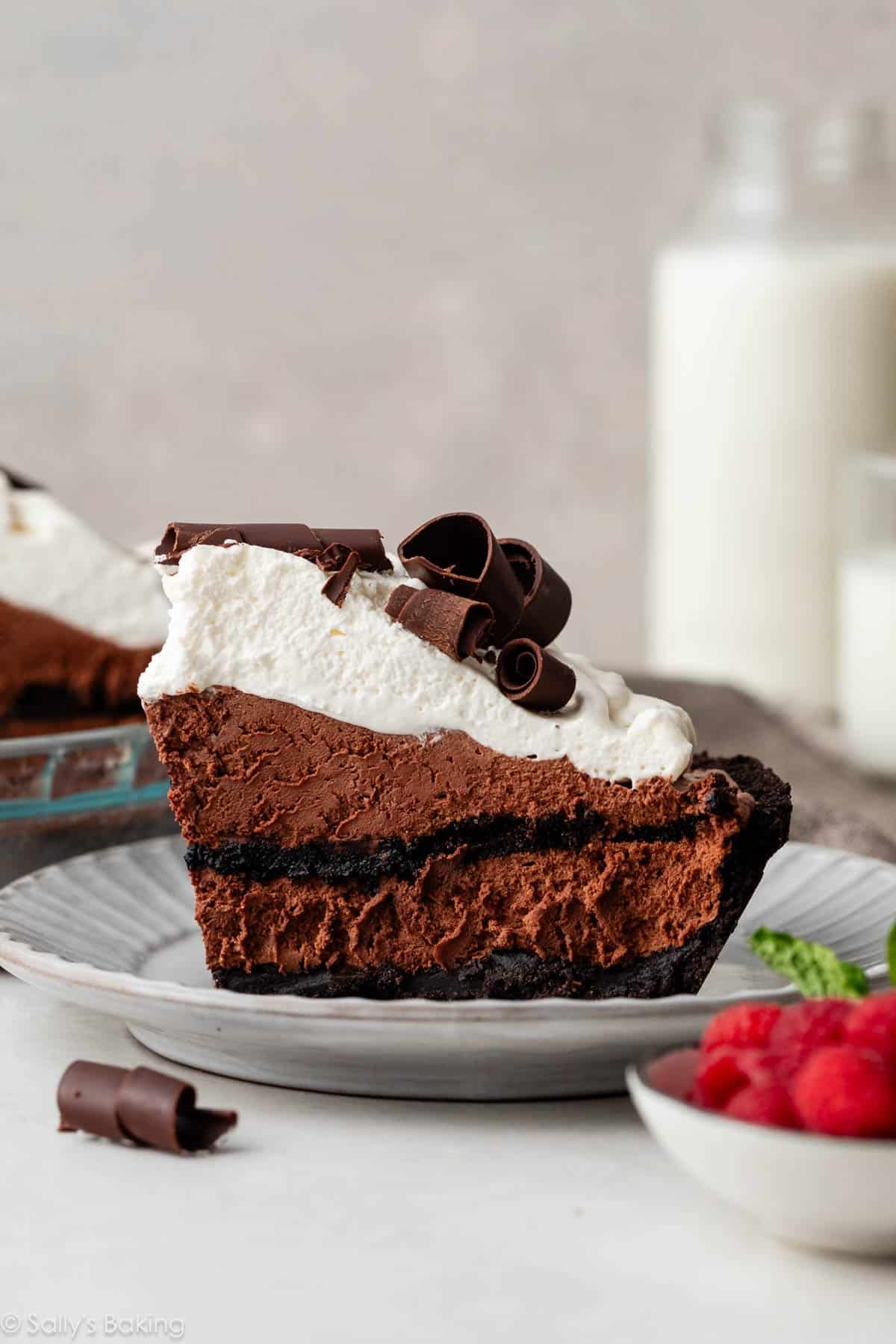
These are perhaps the most reliable make-ahead options. The No-Bake S’mores Icebox Cake or a traditional Cookies and Cream Pie rely on the refrigeration process to turn loose components into a cohesive, sliceable dessert. The use of graham crackers or cookies as the structural base allows the dish to absorb just enough moisture from the filling to become tender without dissolving.

Nut-Based and Fat-Rich Confections
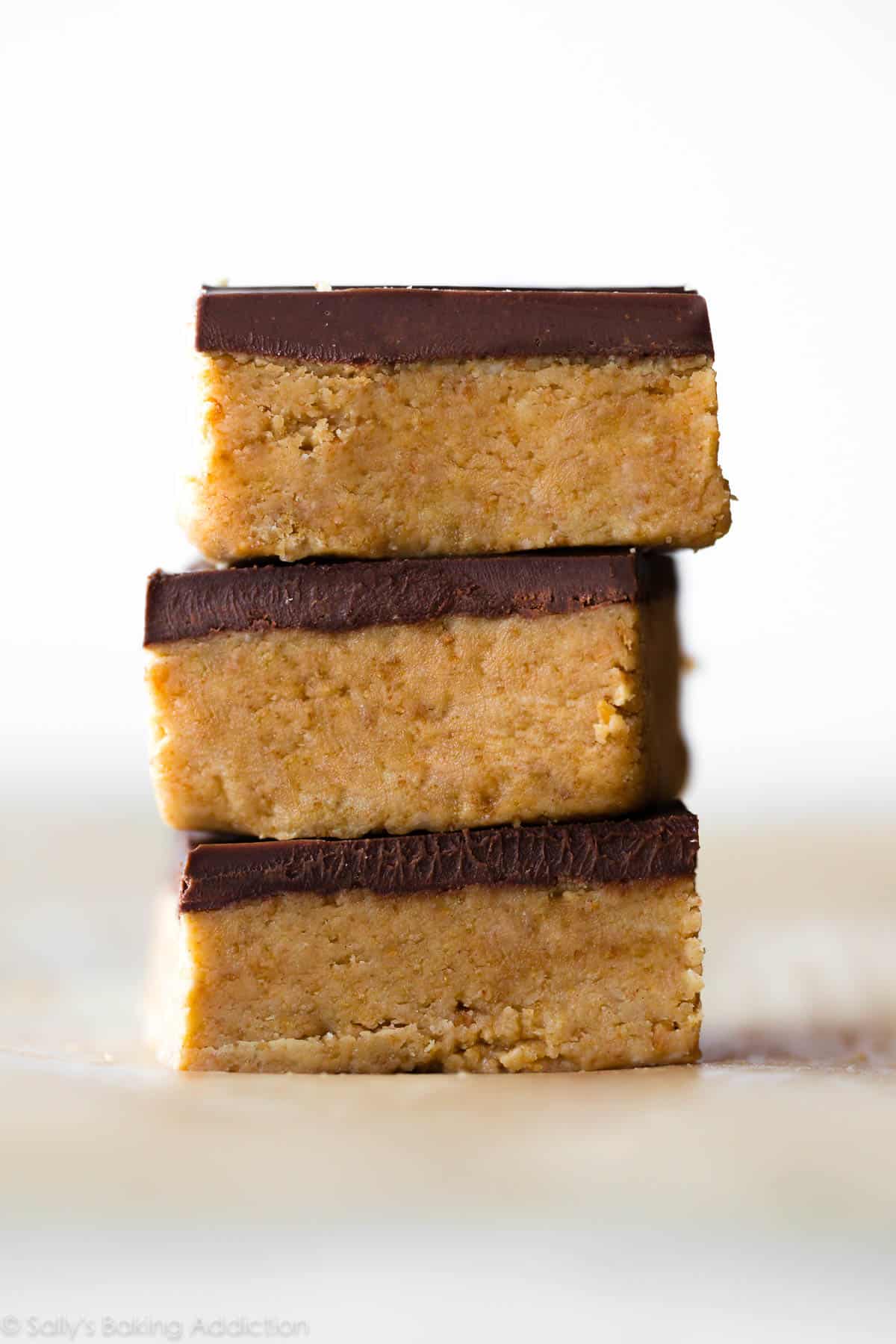
Items such as no-bake chocolate peanut butter bars or Oreo truffles (Oreo balls) are highly resilient. Because these rely on high fat-to-sugar ratios, they do not suffer from the staling process that affects flour-heavy cakes. Research suggests these can maintain peak quality for up to two weeks when properly sealed and refrigerated.
Shortbread and Padded Cookies
Shortbread-based recipes, such as Linzer cookies or chocolate-dipped varieties, benefit significantly from time. The high butter content provides a protective barrier against moisture loss, and the flavors of spices—such as cinnamon, cardamom, or orange zest—tend to intensify as they sit in an airtight container at room temperature.
Economic and Logistical Implications
The shift toward pre-prepared desserts also has economic implications for the modern host. By utilizing a 9×13 inch baking pan—a standard size for bars and sheet cakes—bakers can maximize oven efficiency. Furthermore, the ability to store these items in freezer-safe containers reduces food waste, as desserts can be portioned and frozen for future use rather than being discarded after a single event.
The use of standardized baking equipment, such as springform pans for cheesecakes or dedicated transport-friendly lidded pans for bars, is a recommendation echoed by culinary experts to ensure both safety and aesthetic consistency. When transporting desserts to off-site locations, the stability provided by a chilled, set cake or bar is vastly superior to the structural fragility of a freshly frosted, room-temperature gateau.
Expert Perspectives on Quality Assurance
Sally McKenney, an established voice in the baking industry, notes that the success of a make-ahead dessert lies in the "finish." While the bulk of the work is completed days in advance, the perception of freshness is maintained through the final, minor adjustments made just prior to service. This strategy effectively bridges the gap between mass-produced, long-life desserts and the high-quality, artisanal experience of home baking.
Furthermore, the integration of these recipes into the standard rotation of dinner parties and corporate events represents a broader trend in home economics: the valuing of "smart prep." By removing the volatility of the oven from the final countdown of an event, the host is able to focus on the overall experience of the occasion rather than the maintenance of the kitchen.

Future Outlook and Conclusion
The data surrounding consumer interest in "no-bake" and "fridge-set" recipes continues to climb, reflecting a societal demand for efficiency without sacrificing quality. As kitchen technology improves—particularly in the areas of blast chilling and long-term freezer storage—the variety of desserts that can be prepared in advance is likely to expand.
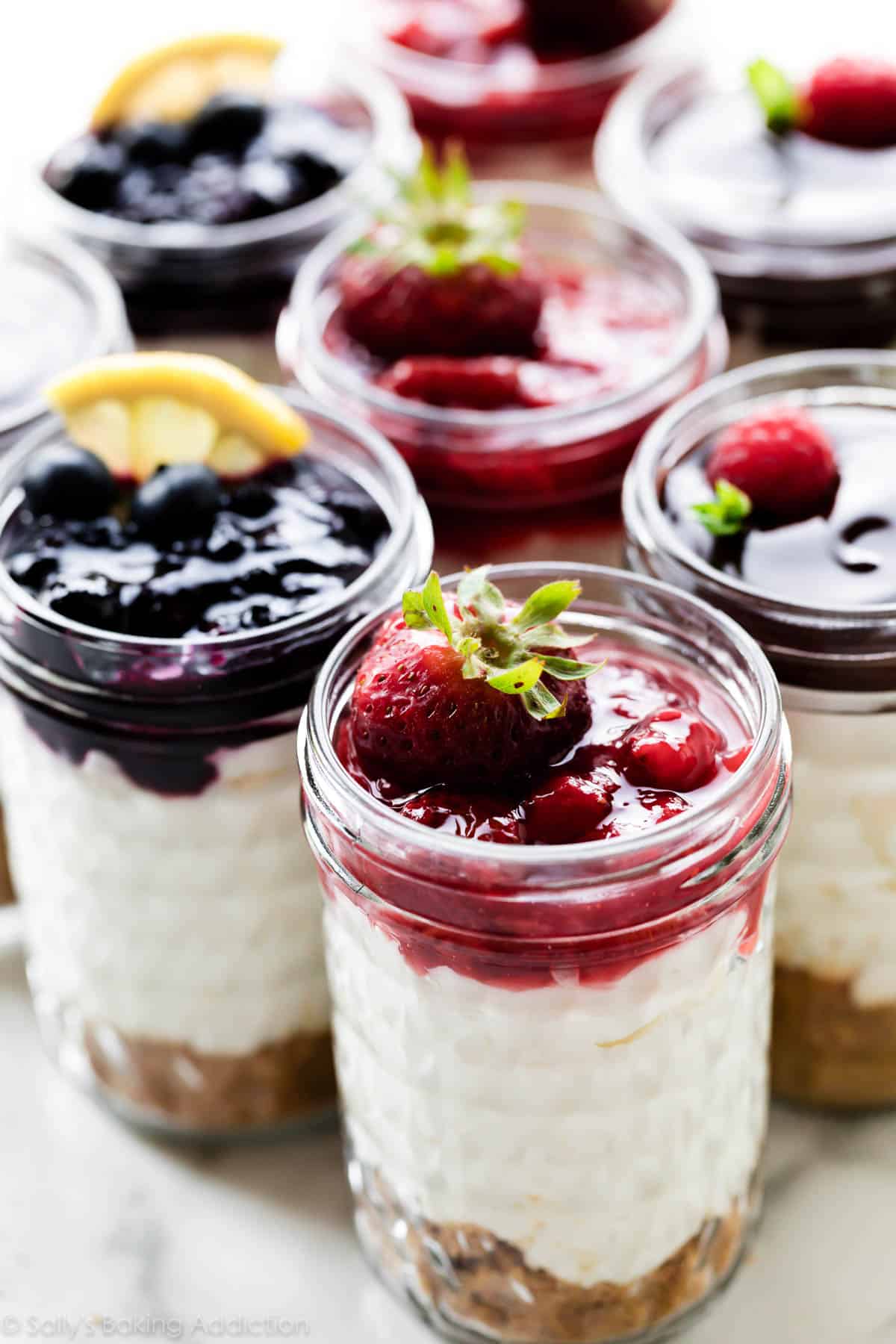
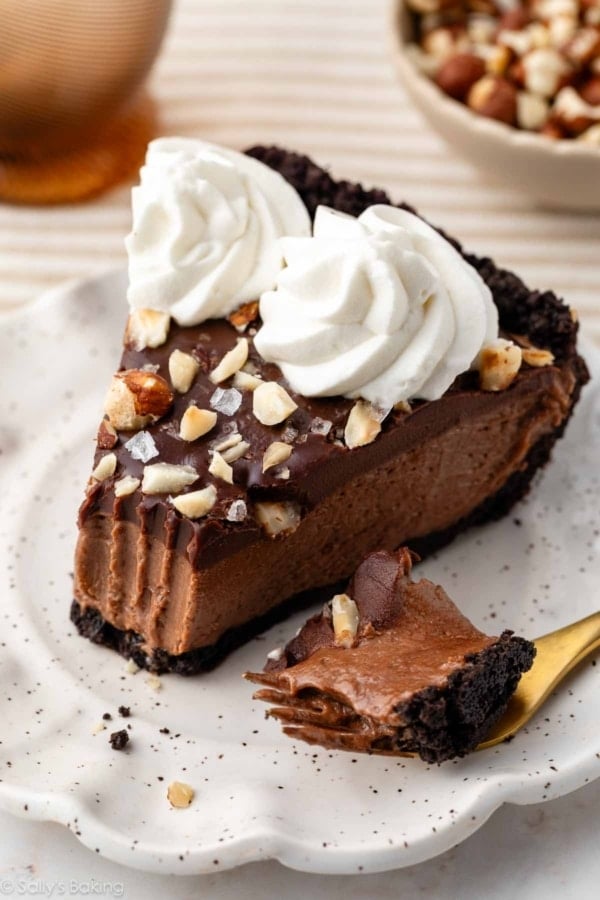
For the average household, the implications are clear: by prioritizing recipes that utilize the refrigerator and freezer as essential culinary tools, the barrier to hosting is lowered. The transition from last-minute stress to planned, systematic execution is not merely a convenience—it is a sophisticated approach to hospitality that ensures the final product is not only ready on time but often improved by the very passage of time that would otherwise be viewed as a risk. Whether it is a dense banana cake that has achieved the perfect crumb or a Nutella cream pie that has set to a precise, velvet-like consistency, the make-ahead philosophy provides the foundation for consistent, professional-grade results in any home kitchen.
