

The Rise of One-Pan Culinary Methodologies
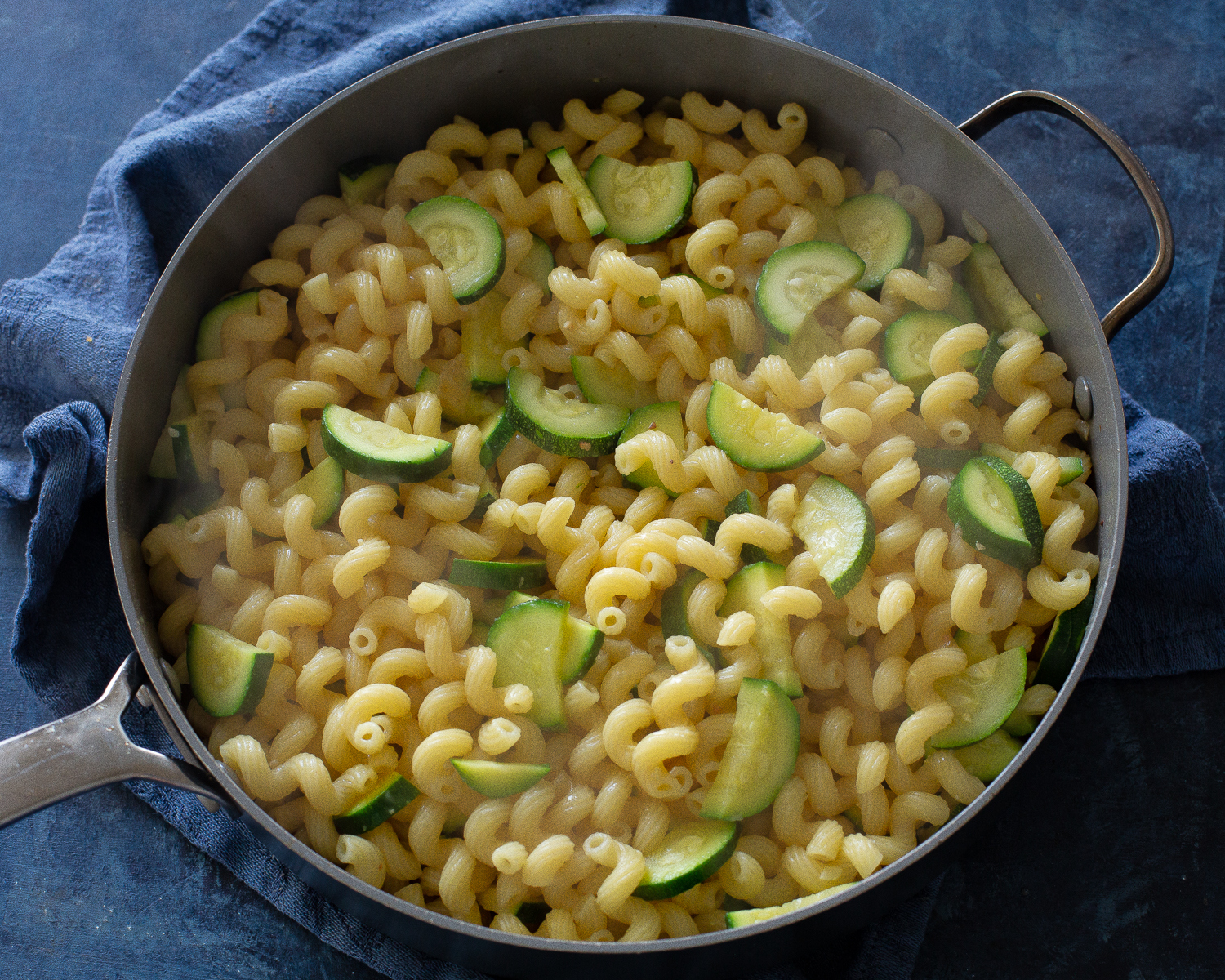
The concept of one-pan cooking—frequently referred to in culinary circles as "one-pot pasta"—has gained significant traction over the last decade. Historically, standard Italian cooking methods required the separation of starch preparation (boiling pasta in salted water) from the development of the sauce (sautéing aromatics and proteins). The one-pan method deviates from this by allowing the starch to cook directly in the sauce base, absorbing the liquid and flavors of the vegetables and aromatics.
From a thermodynamic and efficiency standpoint, this method reduces water consumption, energy usage, and the volume of kitchenware requiring sanitation. The technique has been popularized by both professional chefs seeking to reduce mise-en-place time and home cooks looking to minimize the complexity of evening meal preparation.

Seasonal Dynamics and Zucchini Production
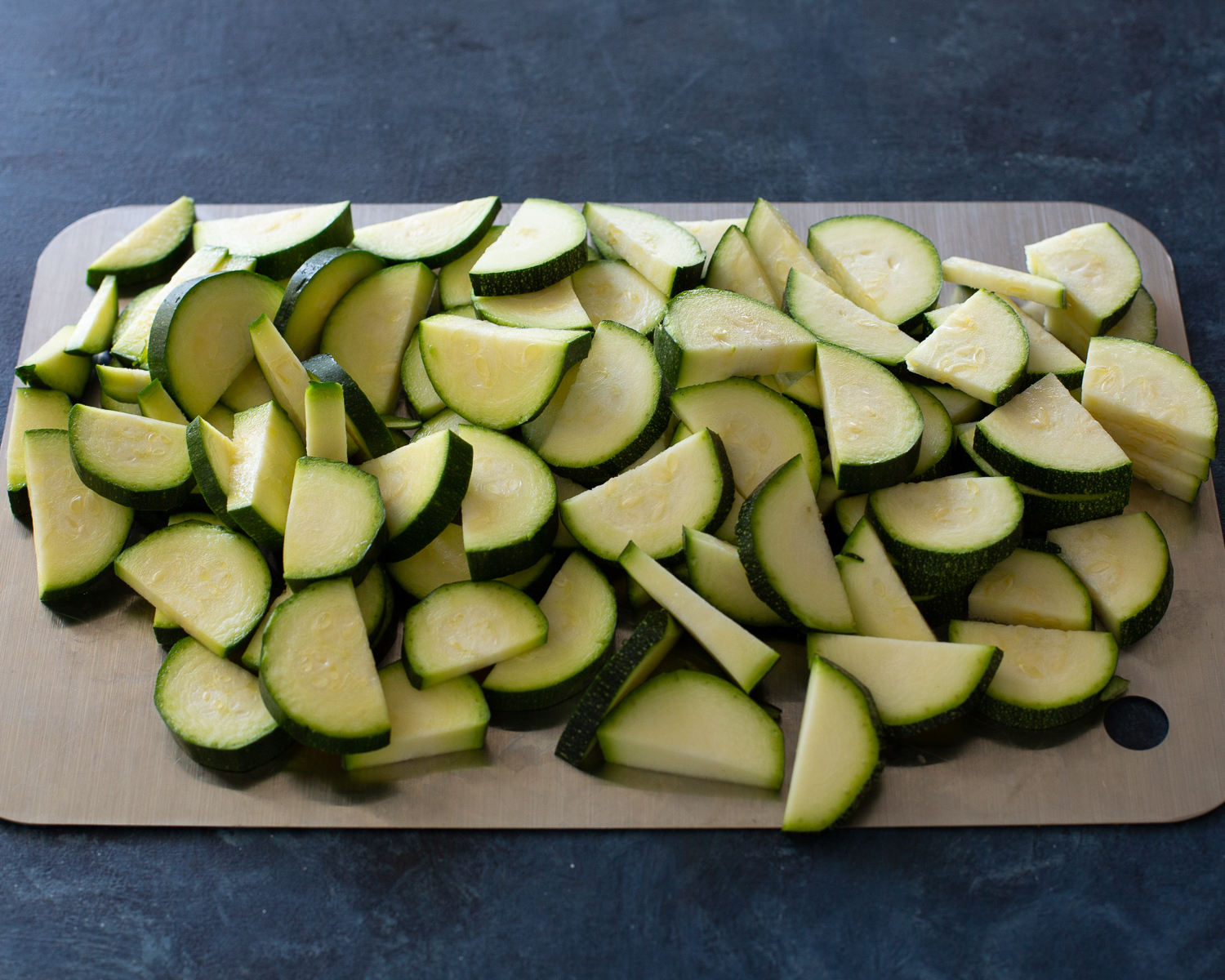
Zucchini (Cucurbita pepo) is a prolific summer squash, known for its high yield and rapid growth cycle. According to agricultural data from the U.S. Department of Agriculture (USDA), zucchini production peaks during the summer months, often leading to a localized surplus. For the home gardener and the consumer, this creates a challenge of consumption; zucchini is a highly perishable vegetable with a high water content, making long-term storage difficult without preservation methods like pickling, freezing, or dehydrating.
The integration of zucchini into high-carbohydrate meals, such as pasta, provides a balanced nutritional profile. Zucchini is a source of Vitamin C, potassium, and dietary fiber, while the inclusion of ricotta, mozzarella, and Parmesan cheese—as featured in this recipe—introduces a significant protein and calcium component. This synthesis of fresh produce and dairy fat creates a stable, palatable, and satiating dish.
Chronology of Modern Pasta Innovations
The evolution of pasta dishes in Western households reflects a timeline of technological and cultural shifts:
- 1950s–1970s: The era of convenience cooking, characterized by the rise of pre-packaged pasta mixes and heavy reliance on canned components.
- 1980s–1990s: A focus on "gourmet" home cooking, with an emphasis on authentic Italian techniques, separate sauce development, and artisanal ingredients.
- 2000s–2010s: The emergence of "fast-casual" cooking at home. The popularity of television cooking shows and early food blogging fostered a demand for professional-looking results achieved in under 30 minutes.
- 2020s–Present: The "One-Pan" era. Driven by economic pressures, environmental consciousness, and the need for efficiency in multi-tasking households, recipes that consolidate cooking steps have become the gold standard for weekly meal planning.
Nutritional and Economic Analysis
A key implication of the One-Pan Creamy Zucchini Pasta is its cost-to-nutrient ratio. By utilizing squash, which is often priced lower during peak harvest seasons, the meal becomes an economically viable option for families. Furthermore, the reliance on cheese as a primary flavor agent—rather than expensive cuts of meat or specialized seafood—further reduces the per-serving cost.
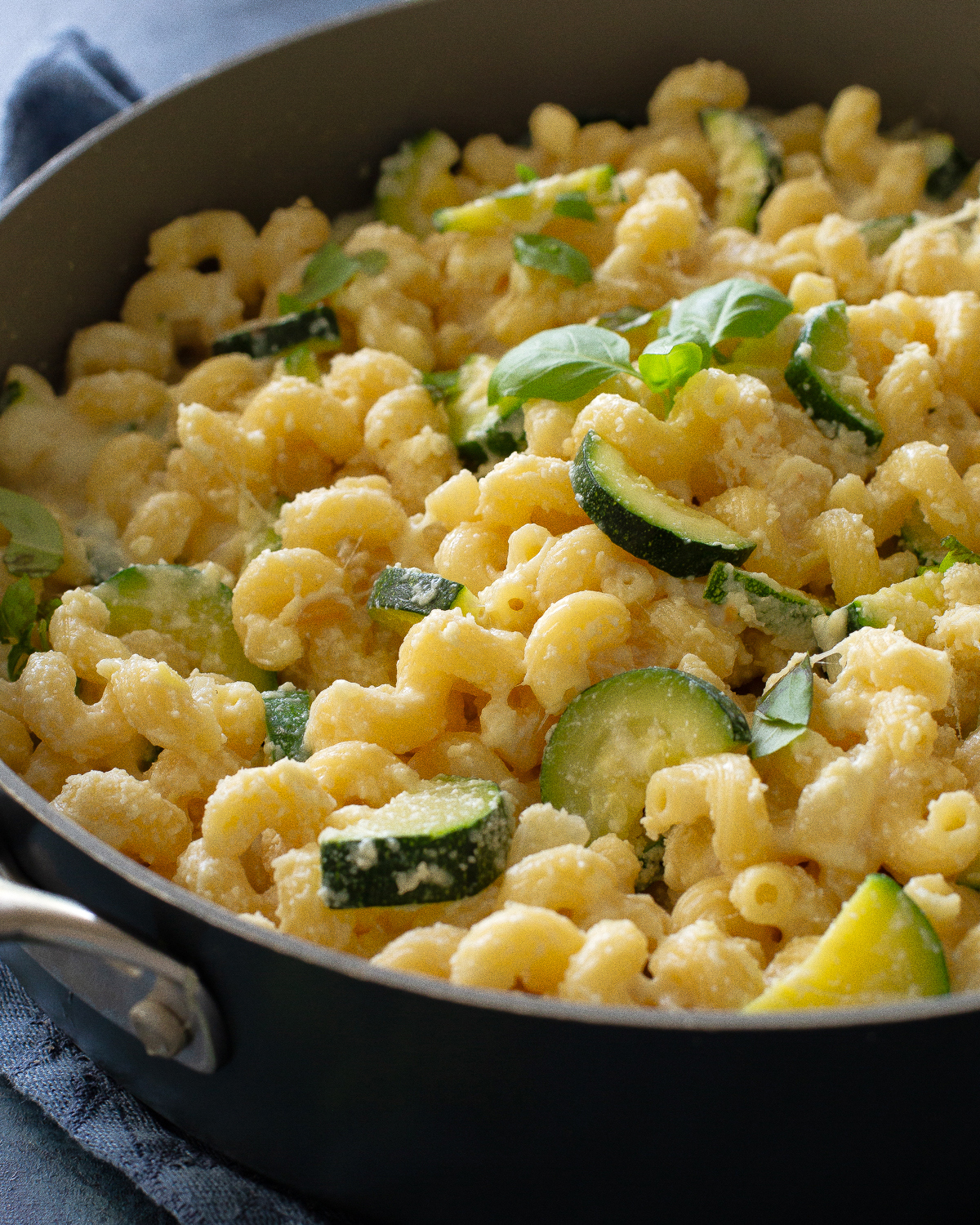
From a nutritional perspective, the "creamy" profile is often achieved through the starch released by the pasta during the boiling process, which binds with the fat from the cheeses to create a natural emulsion. This reduces the need for heavy cream or excessive thickeners, keeping the caloric density manageable while maintaining a high satiety index.
Culinary Implications and Sustainability
The culinary community has noted that the one-pan approach to zucchini is particularly effective because of the squash’s texture. When cooked in a limited amount of liquid, zucchini softens without disintegrating entirely, provided the heat is managed correctly. This technique also allows for the integration of other seasonal vegetables such as yellow squash, bell peppers, or cherry tomatoes, allowing for a "clean-out-the-fridge" approach that significantly reduces household food waste—a major goal for modern sustainable living.
Industry experts observe that this trend is not merely a passing fad but a reflection of the "democratization of fine dining." By providing the tools and techniques to produce a professional-grade creamy sauce without the need for advanced culinary training or a multitude of pans, the home cooking industry is empowering individuals to take greater control over their nutrition and food spending.
Professional Perspectives on Kitchen Efficiency
In professional kitchens, the "one-pan" concept is often associated with the concept of "low-impact cooking." By reducing the carbon footprint associated with both the production of the meal and the subsequent cleaning of multiple pots, the method aligns with broader environmental sustainability goals.
Statements from food scientists suggest that the primary benefit of the one-pan method is the "starch-water retention" effect. When pasta is boiled in a large volume of water, the starch is drained away. In the one-pan method, that starch remains in the pan, acting as a natural thickening agent for the sauce. This chemical interaction is what gives the dish its characteristic "creamy" texture, even when the amount of added heavy dairy is kept to a minimum.
Conclusion and Broader Impact
The One-Pan Creamy Zucchini Pasta serves as a microcosm of how culinary tradition and modern efficiency intersect. It satisfies the consumer’s need for a quick, nutritious, and cost-effective dinner while honoring the seasonal cycle of agricultural produce. As households continue to navigate the complexities of modern living, the reliance on recipes that maximize resource efficiency—such as this zucchini-based pasta—is expected to remain a permanent fixture in the domestic repertoire.
Whether it is the simplicity of the preparation, the utilization of surplus garden ingredients, or the economic benefit of using pantry staples, the dish represents a practical solution for the contemporary cook. The enduring appeal of such meals suggests that as long as there is a demand for healthy, efficient, and flavorful home cooking, the one-pan methodology will continue to evolve, incorporating new techniques and diverse ingredients to meet the needs of the modern palate. By viewing the kitchen as a space for both nutrition and resource management, the home cook can achieve a high level of proficiency, turning basic ingredients into a sophisticated meal that stands as a testament to the power of thoughtful, efficient cooking.
