

Culinary Evolution and Recipe Development
The development of these bars is rooted in the tradition of "bar-style" desserts, which gained prominence in American home kitchens during the mid-20th century as a convenient alternative to multi-layered cakes. The recipe, adapted from professional culinary sources like those popularized by figures such as Paula Deen, has undergone iterative changes to address common issues found in early versions of the dish.
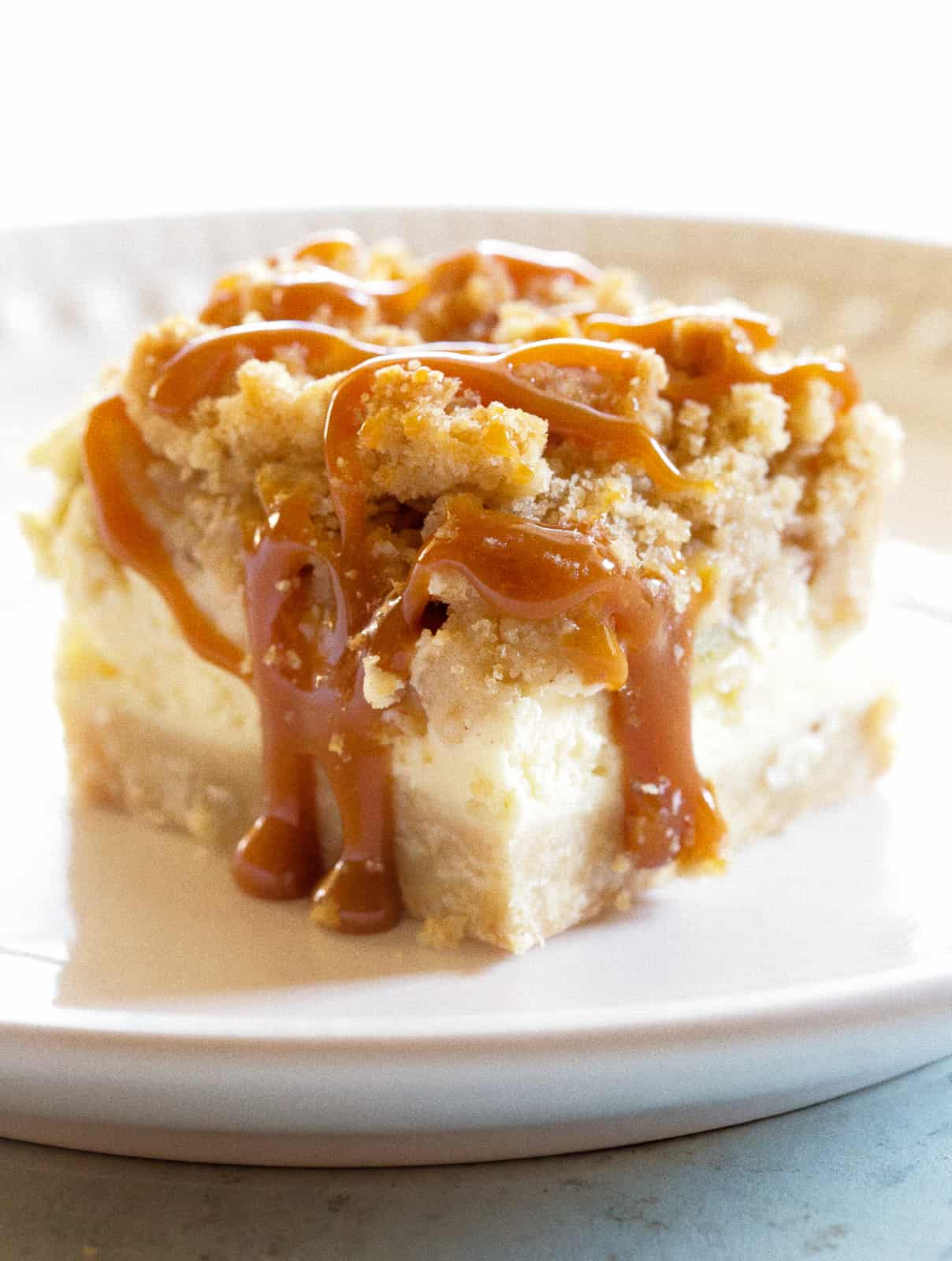
Historically, the primary challenge with fruit-topped cheesecake bars was the ratio of filling to crust. Initial iterations often featured thin layers of cream cheese that were overwhelmed by the density of the shortbread or the volume of the apple topping. By increasing the cheesecake filling by approximately 50%, modern bakers have achieved a more harmonious distribution of textures. This adjustment ensures that the custard layer provides a consistent, velvet-like mouthfeel that acts as a structural anchor between the crisp, buttery shortbread base and the caramelized, spiced apple topping.
The Role of Seasonal Produce
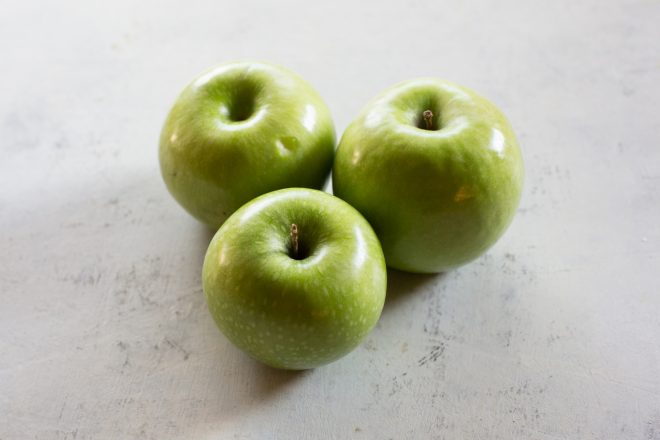
The selection of apple varieties remains a critical factor in the success of this dessert. While consumer preferences vary, culinary experts and food scientists often recommend the Granny Smith apple for this specific application. The high acidity and firm cell structure of the Granny Smith allow it to retain its shape during the baking process, preventing the "mush" factor that can occur with softer varieties like McIntosh or Gala.
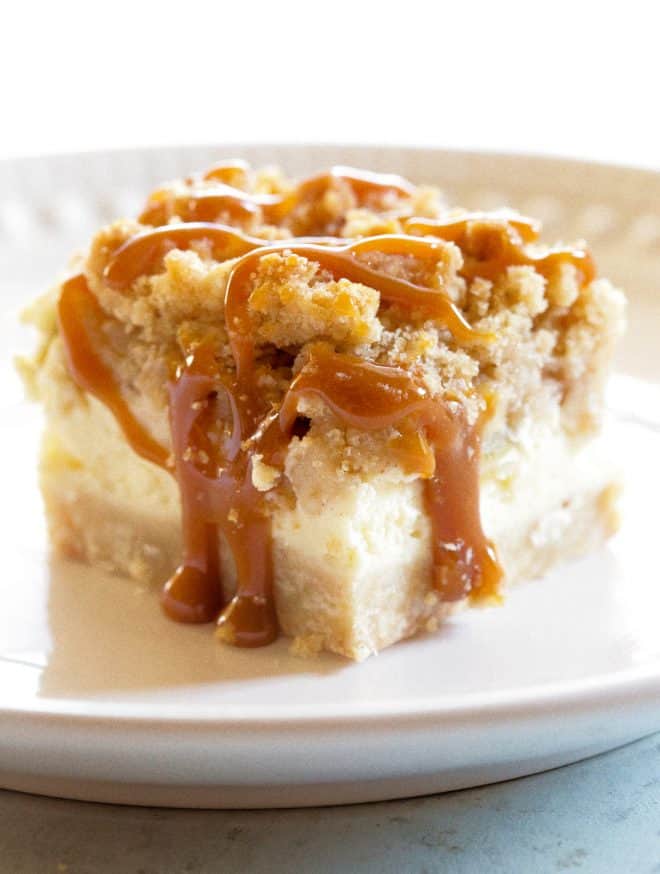
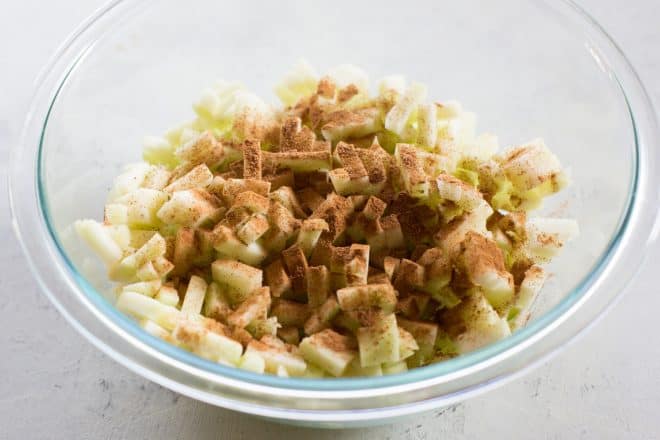
Data from the U.S. Apple Association suggests that peak harvest for many baking-grade apples occurs between late August and October, directly correlating with the increased search and purchase activity for apple-themed recipes. The use of cinnamon, nutmeg, and granulated sugar as a coating for the diced apples serves a dual purpose: it encourages the release of natural fruit juices while creating a concentrated, spiced syrup that permeates the cheesecake layer during the heat transfer of the baking process.
Chronological Preparation and Structural Engineering
The preparation of Caramel Apple Cheesecake Bars follows a strict sequence designed to manage moisture levels—the most significant variable in dessert failure.
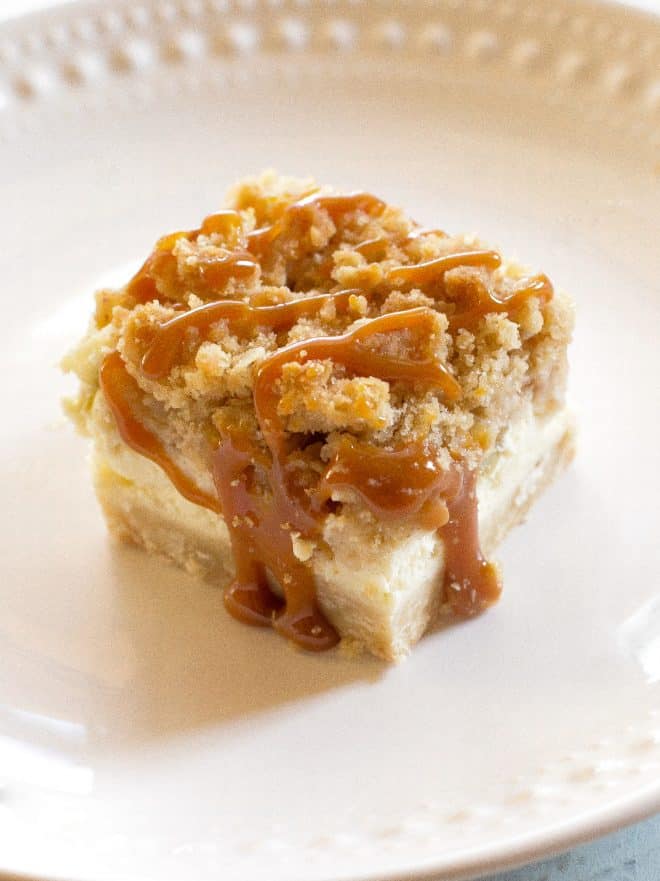
- Crust Stabilization: The shortbread crust must be par-baked to ensure it does not become soggy when the heavy cheesecake filling is added. This stage is vital for creating a distinct "snap" that contrasts with the softer layers above.
- Custard Integration: The cheesecake layer, composed of cream cheese, sugar, and binding agents, is applied to the cooled crust. Proper temperature management at this stage is essential; the ingredients must be at room temperature to ensure a smooth, aerated consistency without trapped air bubbles.
- Fruit Application: The diced, seasoned apples are layered evenly. This step requires precision to ensure that the fruit does not sink into the uncooked custard, which would prevent the center from setting correctly.
- Streusel Topping: The final layer of oats, flour, brown sugar, and butter serves as a protective crust. During the oven phase, this mixture undergoes the Maillard reaction, creating complex, toasted flavor profiles that balance the sweetness of the caramel drizzle added post-bake.
Nutritional and Storage Considerations
From a food safety and quality preservation standpoint, the storage of these bars requires refrigeration due to the high dairy content in the cheesecake filling. The standard shelf life for the bars is approximately five days when held at or below 40 degrees Fahrenheit.
For longer-term storage, the bars are considered freezer-stable for up to four months. However, technical best practices dictate that the caramel topping—a high-moisture component—should be applied only at the time of service. Applying caramel prior to freezing can lead to textural degradation, as the sugars may absorb moisture or crystalize, potentially compromising the integrity of the streusel.
Market Trends and Consumer Behavior
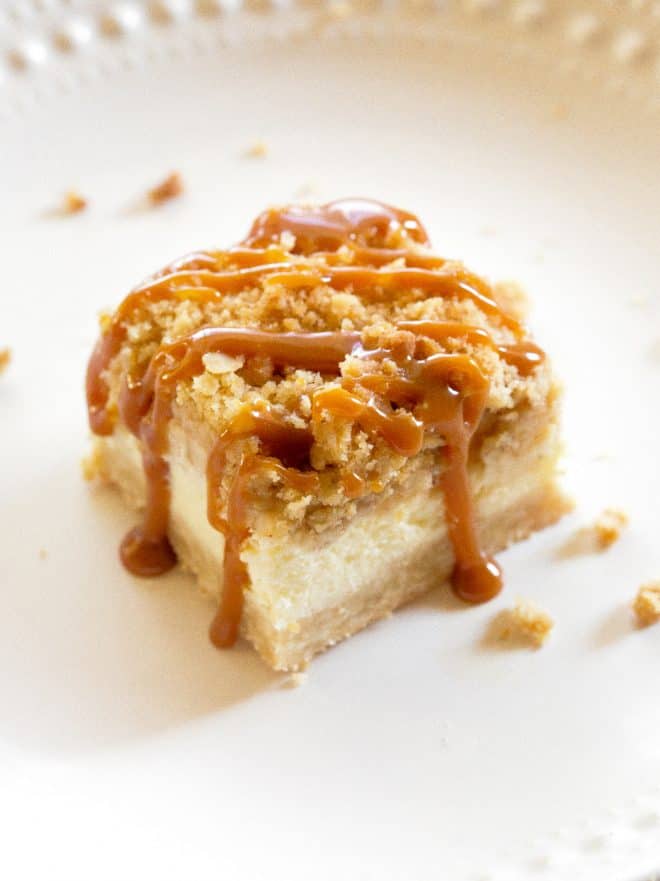
The enduring popularity of this recipe format reflects a broader trend in home baking toward "effort-to-reward" efficiency. Unlike a traditional round cheesecake, which requires a water bath (bain-marie) and a long cooling period to prevent surface cracking, bar-style cheesecakes are more forgiving. They provide a high-yield dessert—typically serving 24 or more—making them a frequent choice for large gatherings, office events, and holiday functions.
Market research into baking trends indicates that consumers are increasingly seeking recipes that offer "bakery-style" results with simplified techniques. The incorporation of a streusel topping—a technique traditionally reserved for crumbles and crisps—onto a cheesecake base is a cross-pollination of dessert styles that has proven highly effective in social media culinary communities, where visual appeal and the perception of complexity are high priorities.
Broader Culinary Impact
The shift toward more robust, multi-textural desserts like these bars illustrates a move away from the hyper-minimalist desserts of the early 2000s toward more complex, rustic preparations. By combining the fundamental elements of a fruit pie, a shortbread cookie, and a New York-style cheesecake, this recipe provides a comprehensive flavor experience.
Professionals in the culinary industry often view such recipes as "base templates" that encourage further innovation. The use of alternative spices—such as cardamom or ginger—or the addition of textures like toasted pecans or walnuts, allows for regional and personal variations. As interest in seasonal, scratch-made baking continues to rise, the Caramel Apple Cheesecake Bar remains a significant reference point for home bakers, serving as an accessible entry point into the sophisticated world of pastry fusion.
Ultimately, the success of this dessert is not merely in its taste, but in its ability to solve the technical challenges of combining three distinct pastry components into a single, cohesive, and shelf-stable product. Whether served warm to highlight the contrast between the molten caramel and the chilled cream, or served cold to emphasize the density of the shortbread, the dish continues to hold a position of prominence in the canon of American autumn desserts. As consumer demand for high-quality, homemade comfort food persists, these bars will likely continue to be a benchmark for seasonal culinary preparation.
