
The Evolution of Shells and Cheese: From Boxed Staples to Artisanal Barbecue
The history of macaroni and cheese in the United States is deeply rooted in both elite culinary traditions and mass-market industrialization. While Thomas Jefferson is often credited with popularizing the dish in the late 18th century after discovering pasta in Italy, the mid-20th century saw the dish transformed into a symbol of convenience through the advent of the "blue box" powdered cheese model. However, recent market trends indicate a shift in consumer behavior. According to industry reports on home cooking habits, there has been a 15% increase in the preparation of "scratch-made" comfort foods over the last decade, driven largely by a desire for transparency in ingredients and a rejection of artificial preservatives.
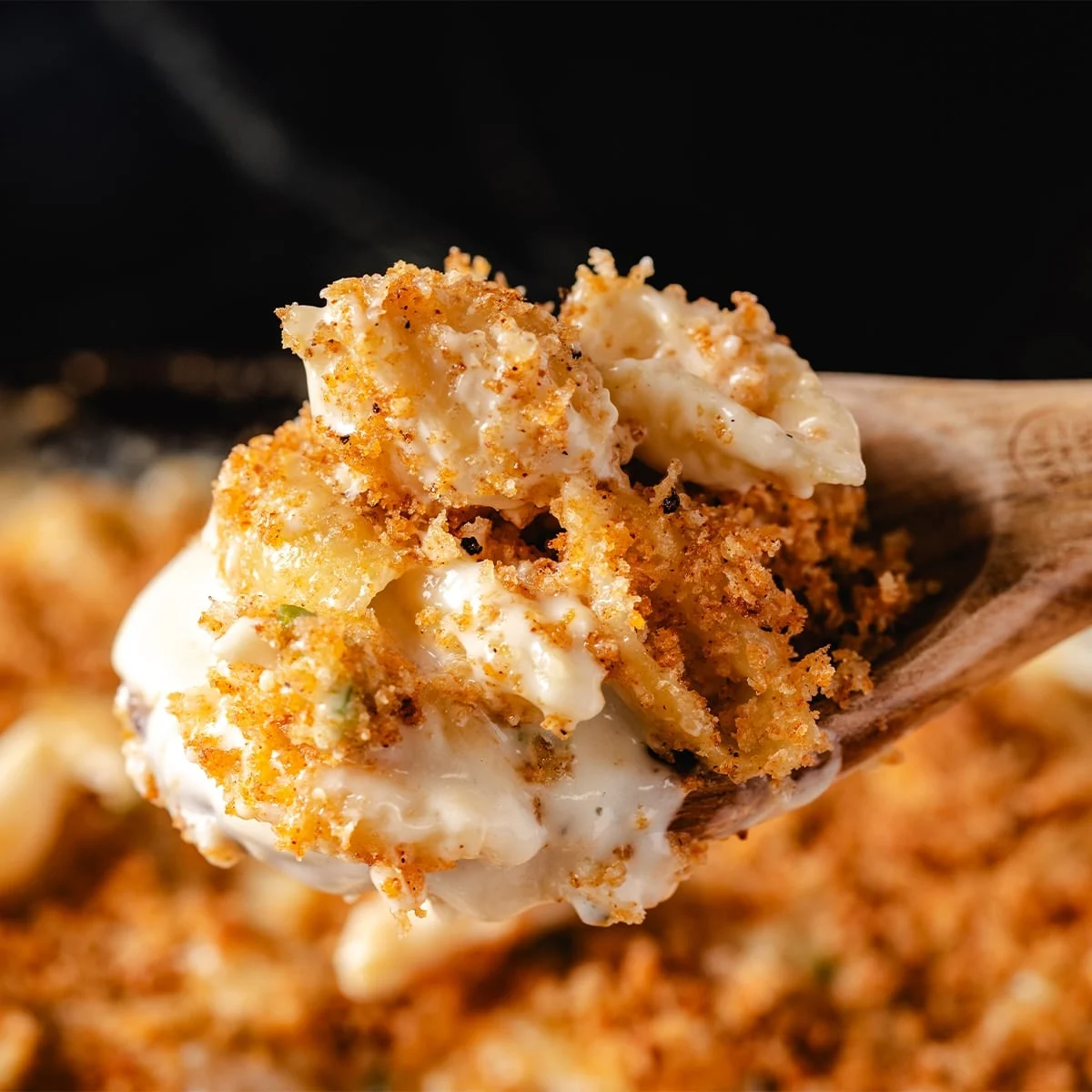
The Smoked Poblano Shells and White Cheddar recipe, developed by Susie Bulloch of the Hey Grill Hey platform, serves as a case study for this transition. Bulloch, a recognized figure in the barbecue community who has appeared on the Food Network and collaborated with high-profile figures like Shaquille O’Neal, emphasizes the importance of upgrading nostalgic staples. The transition from a "powder packet" to hand-shredded white cheddar and mozzarella is not merely a matter of taste but of chemistry. Pre-shredded cheeses are often coated in potato starch or cellulose to prevent clumping, which can result in a grainy texture when melted. By utilizing block cheese, home cooks achieve a superior "meltability" and a smoother emulsion in the roux-based sauce.

Chronology of Preparation: A Multi-Stage Culinary Process
The production of this dish follows a specific timeline designed to maximize flavor retention and texture. The process is divided into three distinct phases: the stovetop preparation, the assembly, and the smoking cycle.
- Aromatic Preparation and Roux Foundation: The process begins with the sautéing of diced poblano peppers in butter. This step is critical for softening the cell walls of the peppers and releasing their essential oils. Following the aromatics, flour is introduced to create a blond roux, which serves as the thickening agent for the sauce. Whole milk is added gradually, ensuring a stable emulsion.
- Cheese Integration and Pasta Incorporation: Once the base sauce reaches a simmer, the heat is reduced to prevent the dairy from scalding. The hand-shredded white cheddar and mozzarella are folded in. Simultaneously, shell pasta is boiled until it reaches an al dente state—approximately two minutes less than the package instructions. This is a strategic decision, as the pasta will continue to hydrate and soften during the smoking phase.
- The Smoking Cycle: The assembled dish is transferred to a cast-iron skillet or a heat-safe baking dish. It is then placed in a smoker preheated to 225 degrees Fahrenheit. This phase typically lasts between 30 and 45 minutes. The objective here is not further cooking, but rather the infusion of wood smoke—typically hickory, oak, or fruitwood—into the fats of the cheese sauce.
Technical Specifications: The Science of 225 Degrees Fahrenheit
In the realm of outdoor cooking, temperature control is the primary variable affecting the final product. The recommendation of 225 degrees Fahrenheit (107 degrees Celsius) is based on the thermal properties of dairy. High-heat environments can cause cheese sauces to "break," where the fats separate from the solids, resulting in an oily, unappealing consistency.
By maintaining a low-and-slow environment, the cook allows the smoke particles to adhere to the surface of the sauce without compromising the structural integrity of the noodles. This temperature also facilitates the crisping of the "Fiesta Breadcrumb Topping," a mixture of panko breadcrumbs, melted butter, and a specialized spice rub containing cumin, chili powder, and garlic. The Maillard reaction—a chemical reaction between amino acids and reducing sugars that gives browned food its distinctive flavor—occurs more slowly at this temperature, providing a delicate crunch rather than a burnt exterior.

Nutritional and Economic Analysis
The Smoked Poblano Shells and White Cheddar is a calorie-dense side dish, reflecting its role as a celebratory "cookout" food rather than a daily staple. A standard serving contains approximately 403 calories. The nutritional breakdown is as follows:
- Total Fat: 26g (with 15g of saturated fat, primarily from the cheese and butter)
- Carbohydrates: 29g (derived from the wheat-based pasta and panko)
- Protein: 14g (contributed by the dairy and pasta)
- Sodium: 364mg
From an economic perspective, while the cost of fresh poblano peppers and high-quality block cheese exceeds that of a $1.00 box of processed macaroni, the yield of this recipe is significantly higher, often feeding up to 16 guests. This makes it a cost-effective solution for large-scale gatherings or community barbecues. Furthermore, the use of poblano peppers—which rank low on the Scoville Heat Unit (SHU) scale at 1,000 to 2,000—provides a "gateway" for those who desire flavor complexity without the overwhelming capsaicin heat found in jalapeños or habaneros.
The Rise of the Home Pitmaster and Digital Culinary Communities
The popularity of recipes like Smoked Poblano Shells and White Cheddar is intrinsically linked to the explosion of the "Home Pitmaster" demographic. Data from the Hearth, Patio & Barbecue Association (HPBA) indicates that nearly 70% of U.S. households own a grill or smoker. The rise of pellet grills, which offer digital temperature control similar to an indoor oven, has lowered the barrier to entry for complex smoked dishes.

Digital platforms have played a pivotal role in this movement. Creators like Susie Bulloch have moved beyond simple recipe sharing to building comprehensive ecosystems, including mobile applications and proprietary spice lines (such as the "Fiesta Rub" mentioned in the recipe). These digital communities provide a feedback loop where users can share results, troubleshoot temperature fluctuations, and suggest modifications, such as substituting the poblano for roasted hatch chilies or adding smoked brisket protein to the shells.
Statements and Reactions from the Culinary Community
Professional chefs and barbecue enthusiasts have largely lauded the move toward sophisticated side dishes. Historically, the "meat" was the sole focus of the barbecue circuit, with sides like coleslaw or potato salad treated as afterthoughts.
"The modern barbecue guest expects more than just a well-cooked brisket," notes a culinary analyst familiar with outdoor cooking trends. "They are looking for a cohesive menu where the side dishes are as thoughtfully prepared as the main course. Integrating smoke into a cheese-based pasta dish is a hallmark of the ‘New American BBQ’ style, which emphasizes layers of flavor and high-quality produce."

Reactions from home cooks on social media platforms such as Instagram and Facebook indicate that the "visual appeal" of the dish—the contrast between the white cheese, green poblanos, and golden-brown breadcrumbs—is a significant driver of its popularity. The hashtag #HeyGrillHey has become a repository for thousands of users documenting their attempts to replicate these artisanal results in their backyards.
Broader Impact and Future Implications
The success of Smoked Poblano Shells and White Cheddar suggests a permanent shift in the expectations of outdoor dining. As consumers become more educated about smoking techniques and ingredient sourcing, the market for specialty seasonings, high-end cheeses, and versatile outdoor cookware is expected to continue its upward trajectory.
Furthermore, this dish highlights a broader trend of "culinary fusion," where traditional Southern-style barbecue meets Southwestern ingredients (poblanos and fiesta spices). This reflects the changing demographics of the United States and the blending of regional flavor profiles.

In conclusion, Smoked Poblano Shells and White Cheddar is more than a mere recipe; it is a manifestation of the modern home cook’s desire to bridge the gap between convenience and gourmet quality. By leveraging the unique capabilities of the smoker and prioritizing fresh, whole ingredients, this dish has established itself as a new standard in the contemporary barbecue repertoire. As the outdoor cooking season continues to expand into a year-round activity for many enthusiasts, the demand for such versatile and flavor-forward dishes is likely to remain robust, further cementing the decline of the "boxed" era in favor of the "smoked" era.
