
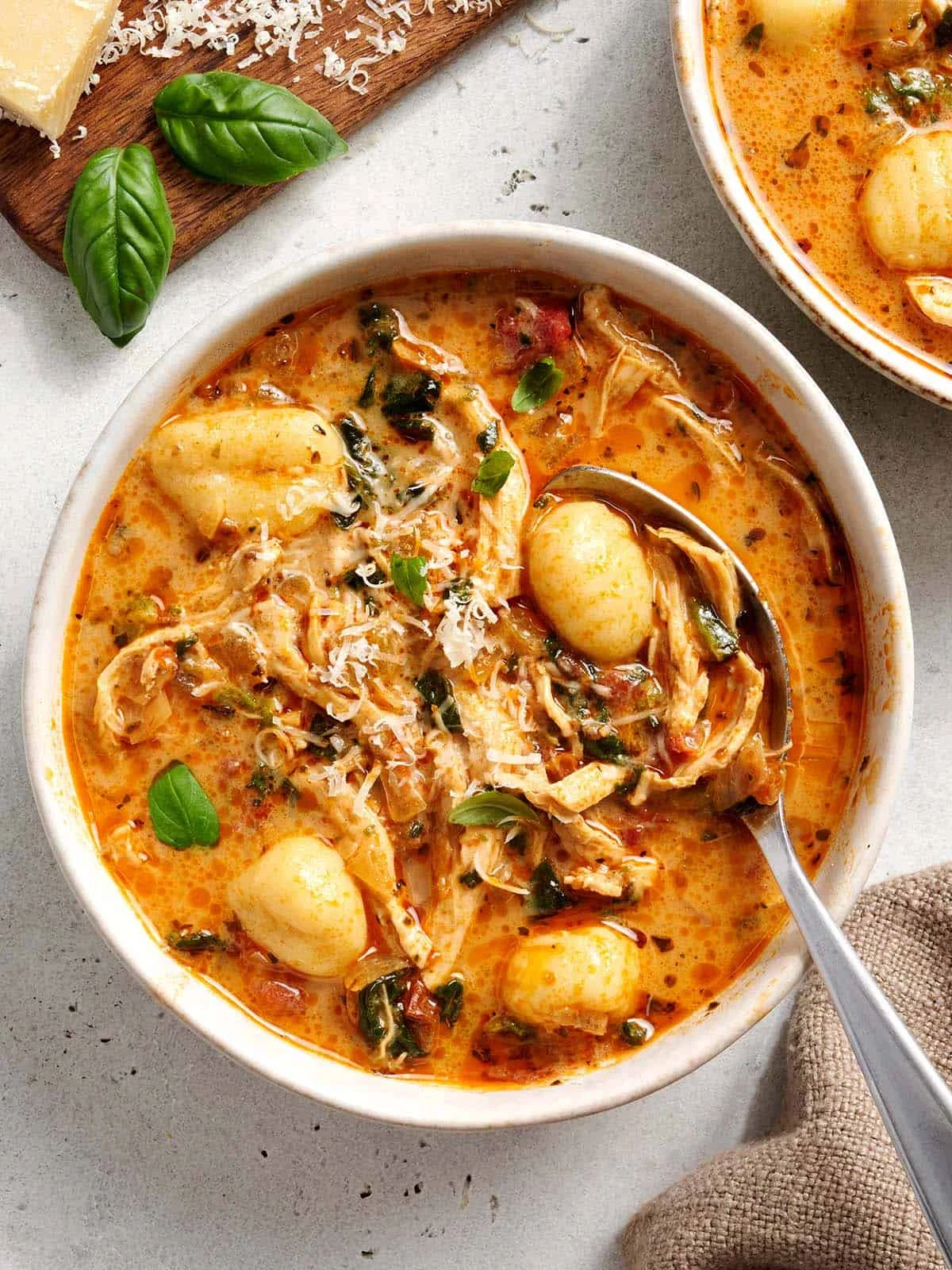
The culinary landscape of 2025 has seen a significant resurgence in "engagement-style" recipes, most notably the evolution of the "Marry Me Chicken" trend into more versatile, cost-effective formats such as the Marry Me Chicken Soup. Originating from the Nashville Test Kitchen, this specific iteration of the viral recipe seeks to balance the high-flavor profile of Mediterranean-inspired ingredients with the rigorous economic constraints of modern household budgeting. By deconstructing the traditional cream-based chicken dish and reassembling it as a hearty, gnocchi-based soup, recipe developers have tapped into a consumer demand for "comfort food" that maintains a professional-grade flavor profile while remaining accessible to novice cooks.
The Chronological Evolution of the Marry Me Trend
The "Marry Me" culinary nomenclature did not emerge in a vacuum. It is the direct descendant of historical "proposal-inducing" dishes, such as the famous "Engagement Chicken" popularized by Glamour magazine in the 1980s. While the original version relied on a simple lemon-and-herb roasted bird, the modern "Marry Me" iteration—characterized by sun-dried tomatoes, heavy cream, and Parmesan cheese—first gained traction around 2016 through digital food media outlets like Delish.
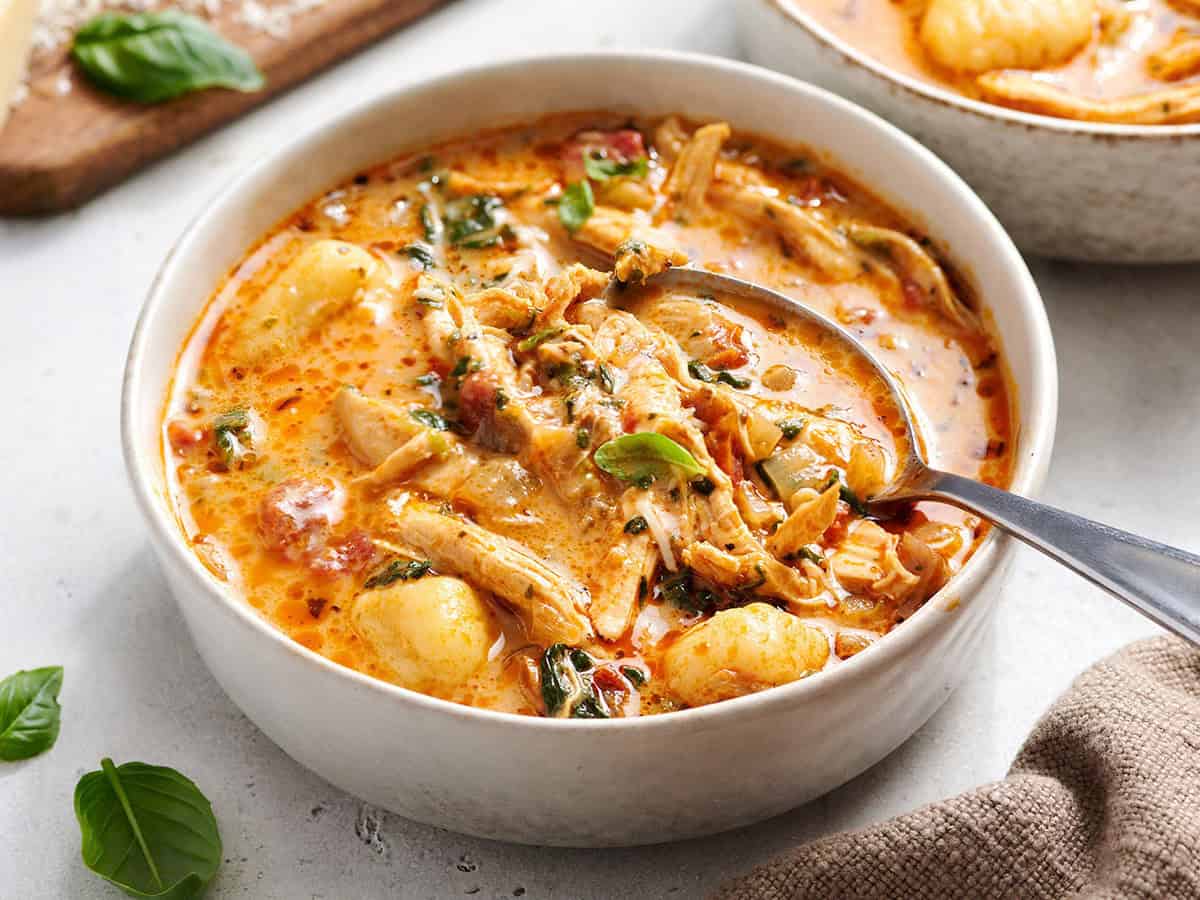
The trend saw a massive second wave of popularity on social media platforms between 2021 and 2024, as home cooks sought indulgent, one-pan meals during periods of economic fluctuation. By late 2024 and early 2025, the trend evolved toward "soupification." This transition was driven by two primary factors: the rising cost of high-quality protein and the increasing popularity of "one-pot" meals that reduce labor and cleanup time. The Marry Me Chicken Soup represents the peak of this evolution, offering a higher volume of food per pound of poultry compared to the original pan-seared version.
Technical Analysis of the Recipe and Preparation Process
The Marry Me Chicken Soup is engineered around a specific sequence of chemical reactions and flavor-layering techniques designed to maximize depth in under 40 minutes. According to the Nashville Test Kitchen’s developmental data, the process is divided into three critical phases: aromatic development, protein infusion, and emulsification.
Phase I: Aromatic and Umami Foundation
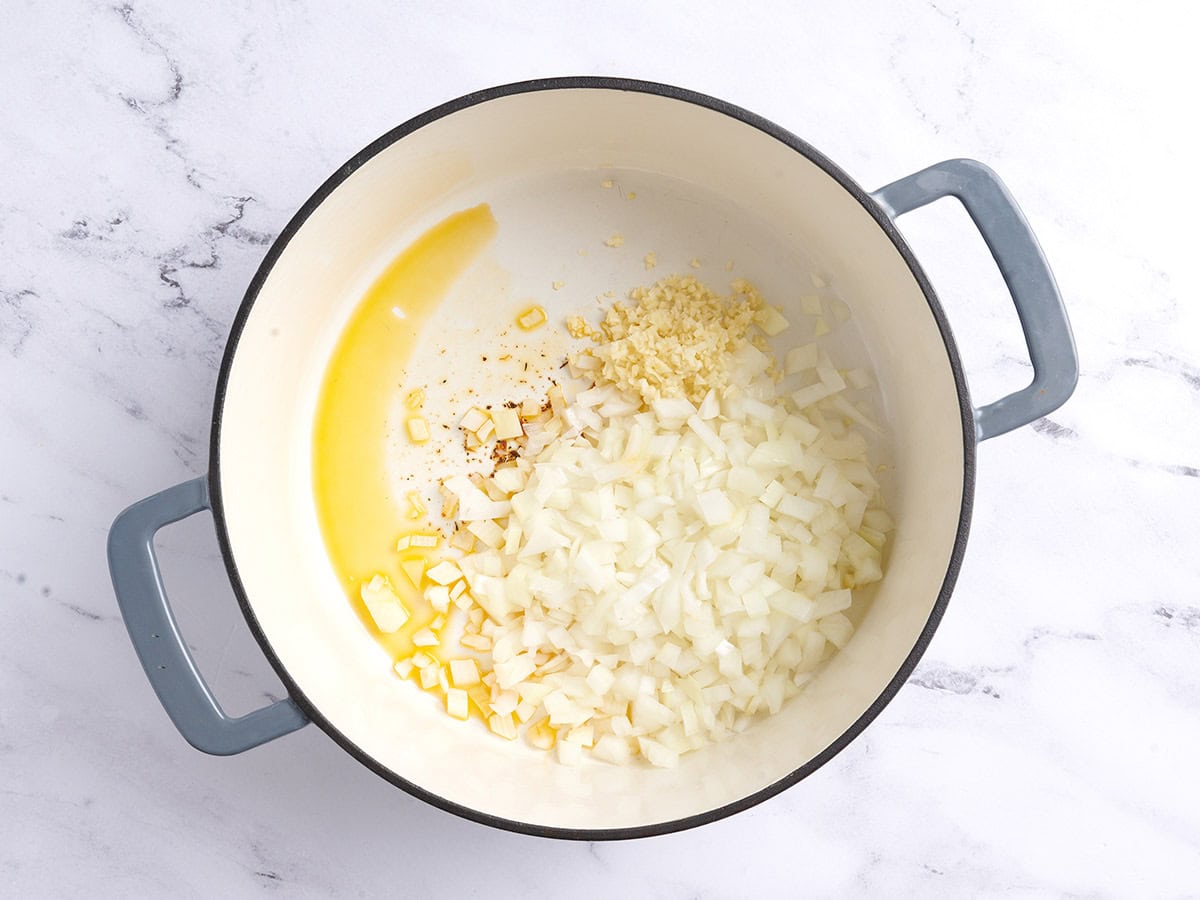
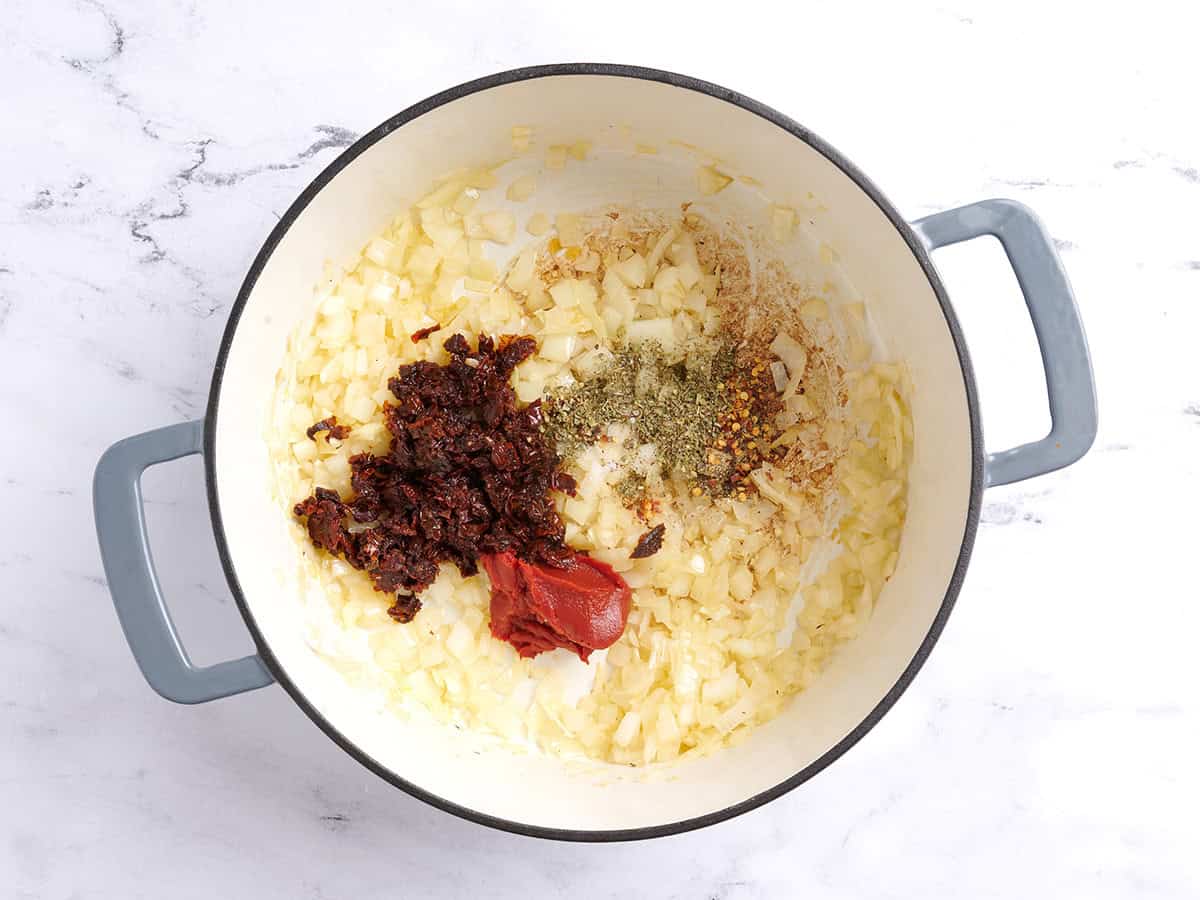
The process begins with the utilization of the oil from jarred sun-dried tomatoes. Culinary analysts note that this oil acts as a concentrated flavor carrier, containing fat-soluble compounds from the tomatoes that would be lost if substituted with standard olive oil. The sautéing of onions and garlic in this medium, followed by the caramelization of tomato paste, triggers the Maillard reaction. This step is essential for creating the "all-day simmered" taste within a truncated timeframe.
Phase II: Simmering and Texture Management
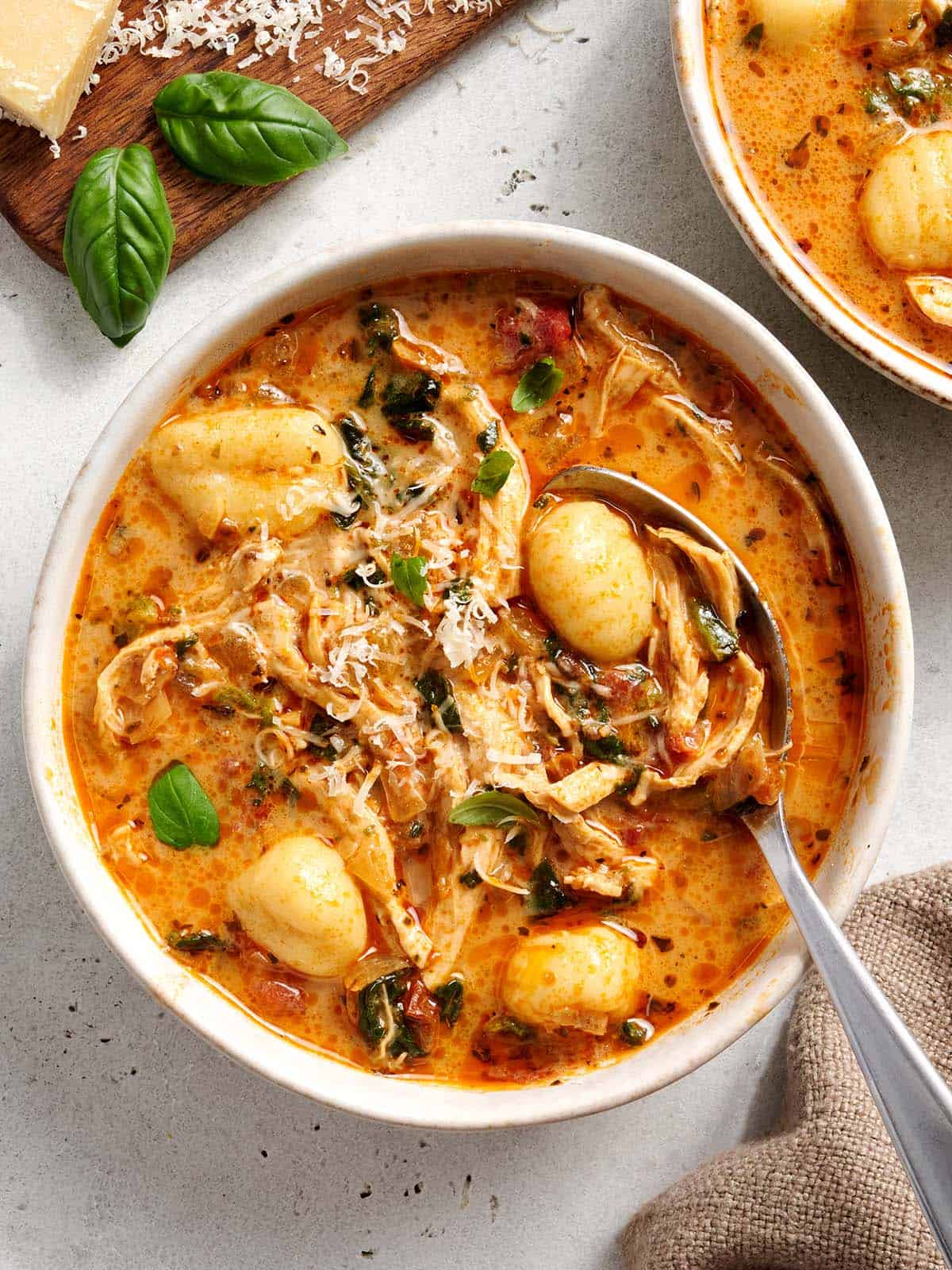
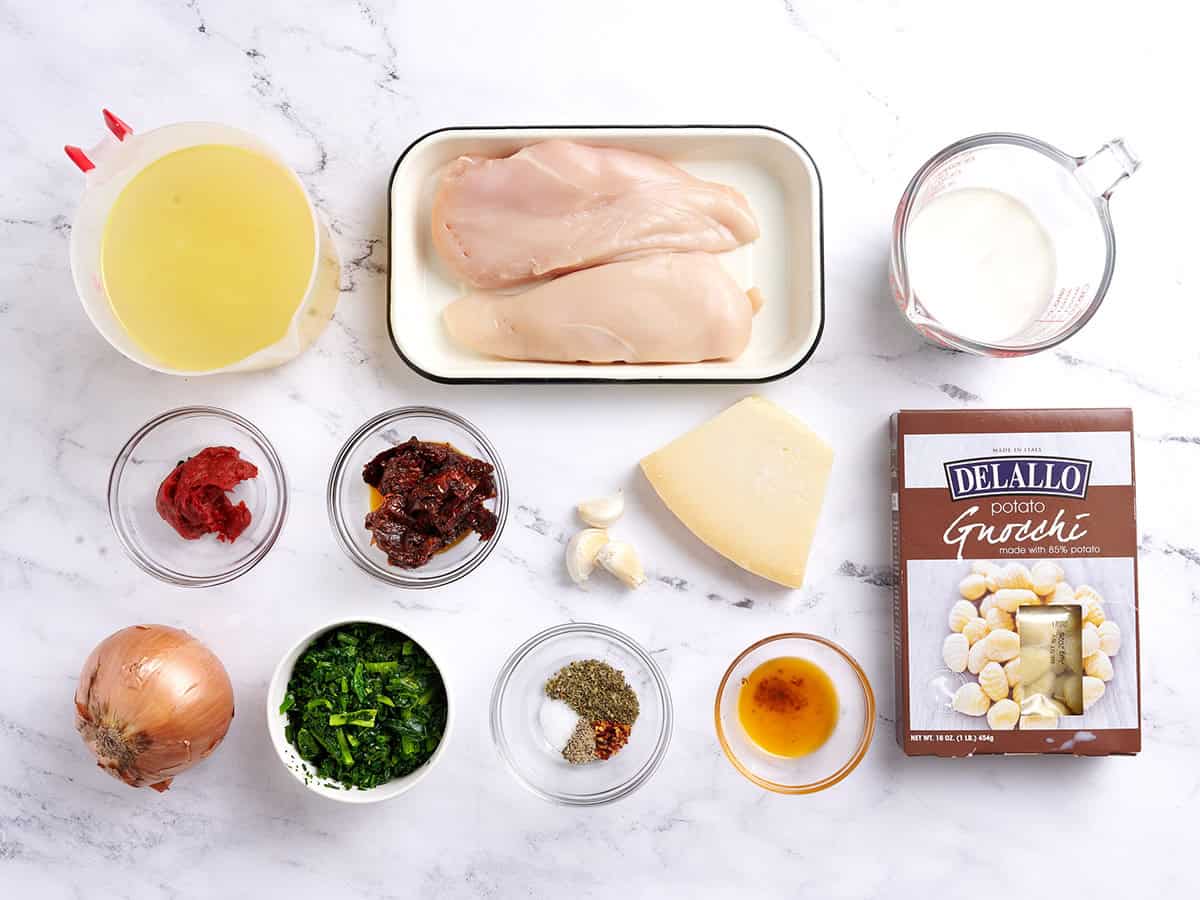
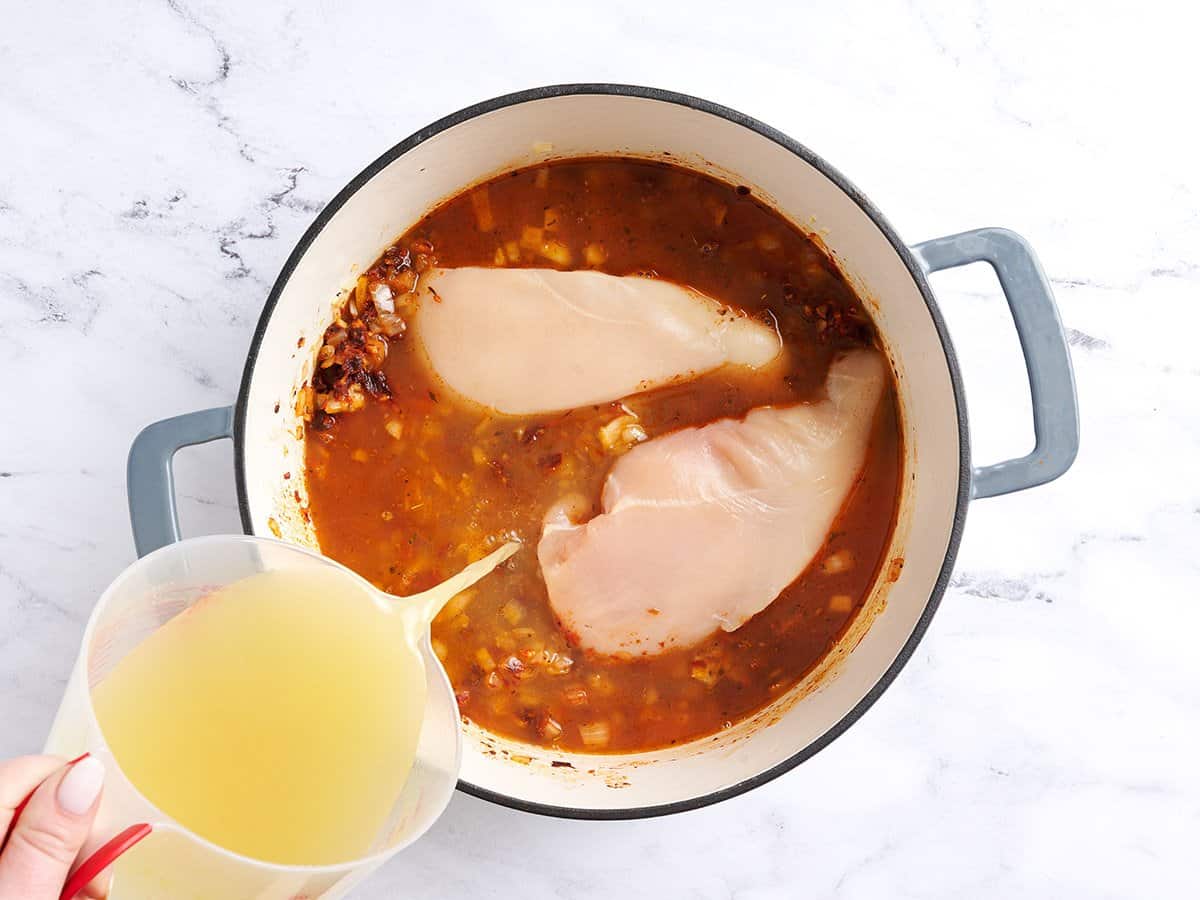
The recipe utilizes one pound of chicken breast simmered directly in a broth base. This method serves a dual purpose: it ensures the chicken remains tender and "shreddable" while simultaneously fortifying the broth with natural collagen and proteins. The inclusion of potato-based gnocchi adds a structural starch element. As the gnocchi cooks, it releases small amounts of starch into the liquid, contributing to a natural thickening of the soup body before any dairy is introduced.
Phase III: Finishing and Stabilization
The final phase involves the introduction of half-and-half and Parmesan cheese. To prevent the curdling of dairy proteins—a common failure point in home-made creamy soups—the recipe dictates that the liquid should not reach a rolling boil once the cream is added. The addition of squeezed-dry spinach provides a fibrous contrast to the "pillowy" texture of the gnocchi, completing the nutritional and sensory profile of the dish.
Economic Impact and Cost-Benefit Analysis
A central pillar of the Marry Me Chicken Soup’s appeal is its economic efficiency. In an era where food inflation has significantly impacted middle-class dining habits, the Nashville Test Kitchen has positioned this dish as a "luxury-for-less" alternative to restaurant dining.
Cost Breakdown
Data provided by the recipe’s testers indicates a total production cost of $9.45 for a six-serving batch. This results in a per-serving cost of approximately $1.58.
| Ingredient Category | Estimated Cost (Total) |
|---|---|
| Protein (1 lb Chicken) | $3.50 – $4.50 |
| Starches (16 oz Gnocchi) | $1.50 – $2.00 |
| Dairy (Cream/Parmesan) | $1.50 – $2.00 |
| Aromatics/Pantry Staples | $1.00 – $1.50 |
| Total | $9.45 |
When compared to a similar "Creamy Chicken and Gnocchi" soup at a major North American casual dining chain (which typically retails for $7.00 to $9.00 per bowl), the homemade version offers a cost reduction of nearly 80%. This data highlights a broader shift in consumer behavior toward "copycat" cooking, where high-end flavors are recreated using affordable pantry staples like "Better Than Bouillon" concentrates rather than expensive pre-made stocks.
Nutritional Profile and Public Health Considerations
While the Marry Me Chicken Soup is celebrated for its flavor, it presents a complex nutritional profile that reflects the trade-offs of modern comfort food.
The dish contains 316 calories per serving, which is relatively moderate for a cream-based meal. The protein content is high, at 25 grams per serving, meeting approximately 50% of the daily recommended intake for an average adult. This makes the soup a highly satiating meal option.
However, the sodium content is a point of significant concern for public health advocates. At 1593mg per serving, one bowl of the soup accounts for approximately 69% of the American Heart Association’s recommended daily limit (2,300mg). This high sodium level is primarily attributed to the combination of chicken broth concentrates, Parmesan cheese, and sun-dried tomatoes. Analysts suggest that home cooks concerned with cardiovascular health should opt for low-sodium broth bases and fresh spinach to mitigate these levels.
Institutional Response and Culinary Expert Commentary
The Nashville Test Kitchen, a leading authority in affordable recipe development, has emphasized that "rigorous testing" was required to ensure the soup remained "weeknight friendly." Jennie Alley, a primary developer for the project, stated that the goal was to create a dish that felt "impressive enough for a date night" while maintaining the simplicity required for a family meal.
Industry experts observe that the success of the Marry Me Chicken Soup is indicative of a "digital-first" culinary culture. "Recipes are no longer just about sustenance; they are about participating in a shared cultural moment," says one food industry analyst. "The ‘Marry Me’ label serves as a marketing tool that promises a specific emotional outcome—satisfaction, comfort, and perhaps social validation."
Furthermore, the choice of ingredients reflects a sophisticated understanding of modern grocery trends. The use of frozen spinach (thawed and squeezed) and jarred tomatoes acknowledges the consumer’s desire for "semi-homemade" shortcuts that do not compromise the final aesthetic or taste of the dish.
Storage, Preservation, and Food Waste Reduction
In the context of sustainable living, the storage capabilities of the Marry Me Chicken Soup are a vital consideration. The recipe documentation notes that the soup remains viable for 3-4 days when refrigerated in airtight containers. However, the physical properties of gnocchi present a challenge for long-term storage.
As a starch-heavy dumpling, gnocchi continues to hydrate even after the cooking process has ended. This leads to a thickening of the soup over time, often requiring the addition of supplemental liquid (broth or milk) during the reheating process.
From a food safety and quality perspective, freezing the completed soup is not recommended. The high fat content in the cream can undergo "breaking" or separation during the thawing process, resulting in a grainy texture. For consumers looking to meal-prep, culinary experts suggest freezing the base (broth, chicken, and aromatics) and adding the fresh gnocchi and dairy only at the point of consumption.
Broader Implications for the Future of Home Cooking
The Marry Me Chicken Soup phenomenon is more than just a viral recipe; it is a case study in the democratization of gourmet flavors. It demonstrates how traditional French and Italian culinary techniques—such as mounting a sauce with butter or cream and the careful building of a fond—have been translated into a format that fits the "under-40-minute" window of the modern working professional.
As we move further into 2025, the "Marry Me" family of recipes is expected to expand into plant-based and gluten-free variations, responding to the diversifying dietary needs of the global population. The Nashville Test Kitchen’s successful transition from a pan-seared entree to a cost-effective soup suggests that the future of home cooking lies in the "remixing" of established flavor profiles into more economical and accessible vessels.
Ultimately, the Marry Me Chicken Soup stands as a testament to the power of viral media to influence domestic economics. By providing a high-flavor, low-cost alternative to the "loneliness epidemic" and the "inflation crisis," this dish has secured its place in the permanent rotation of the 21st-century kitchen. Whether it actually leads to a marriage proposal remains statistically unproven, but its ability to "steal hearts" through the stomach is backed by millions of digital interactions and a growing community of satisfied home cooks.
